 user1
user1 
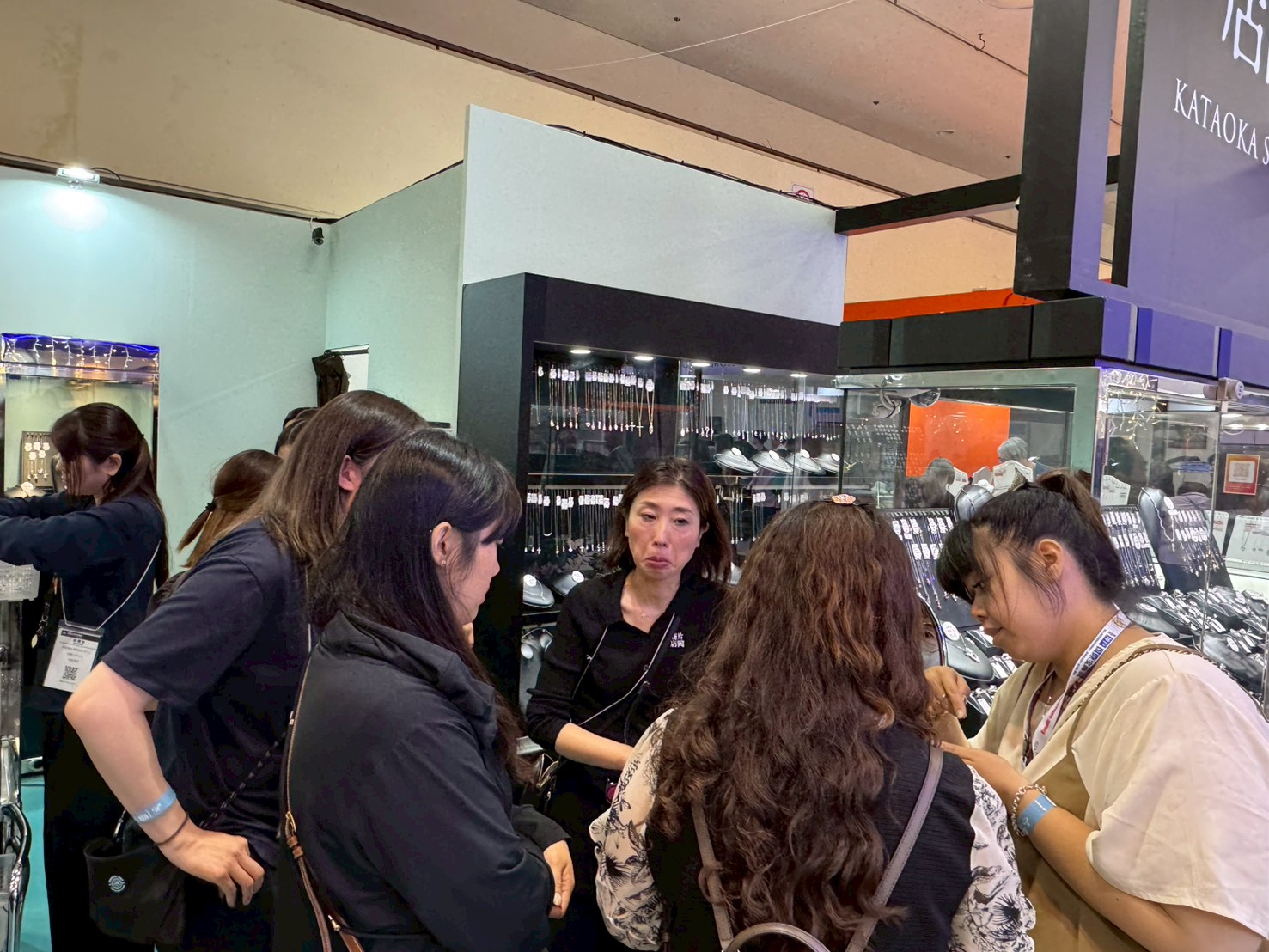
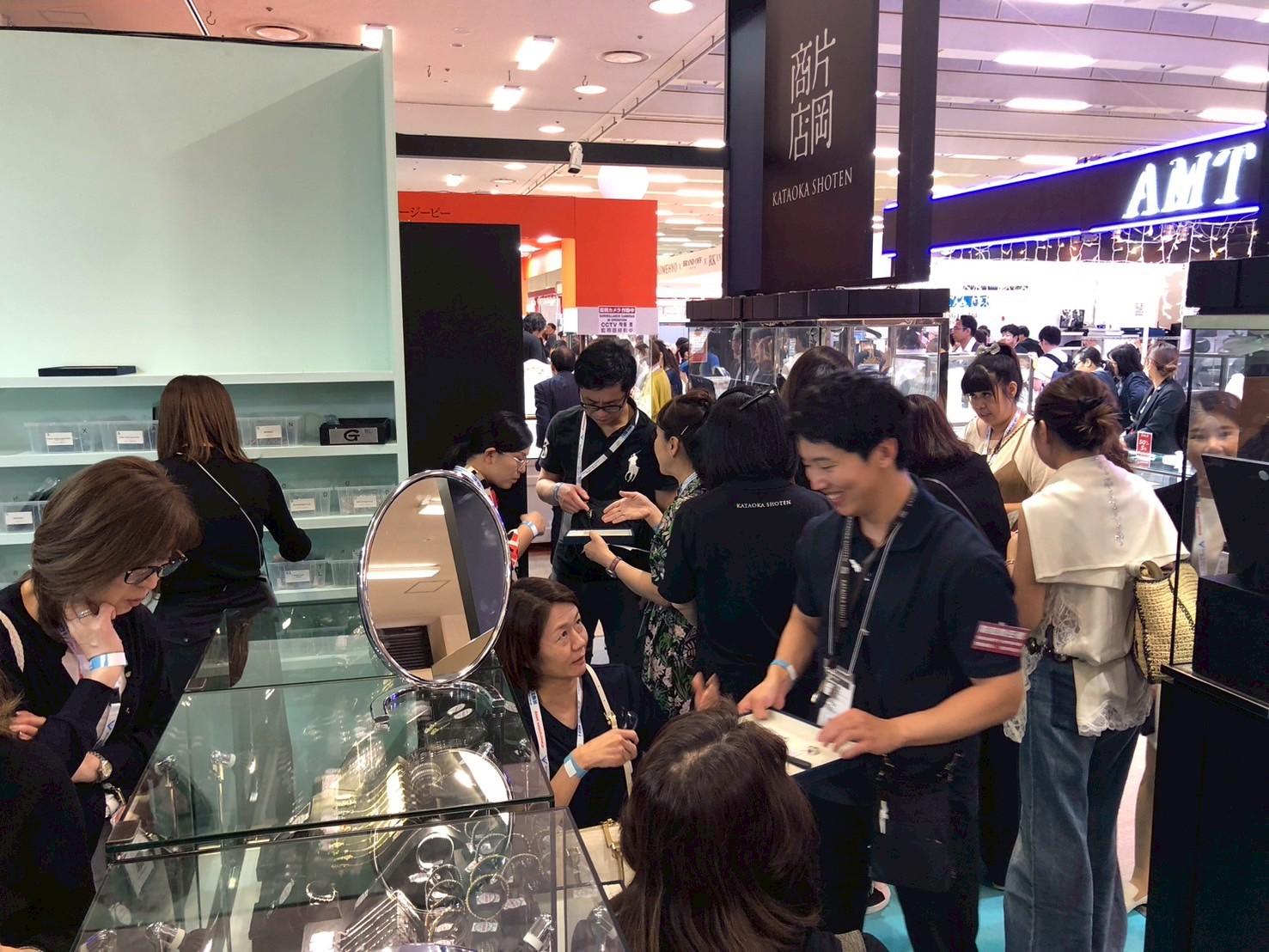
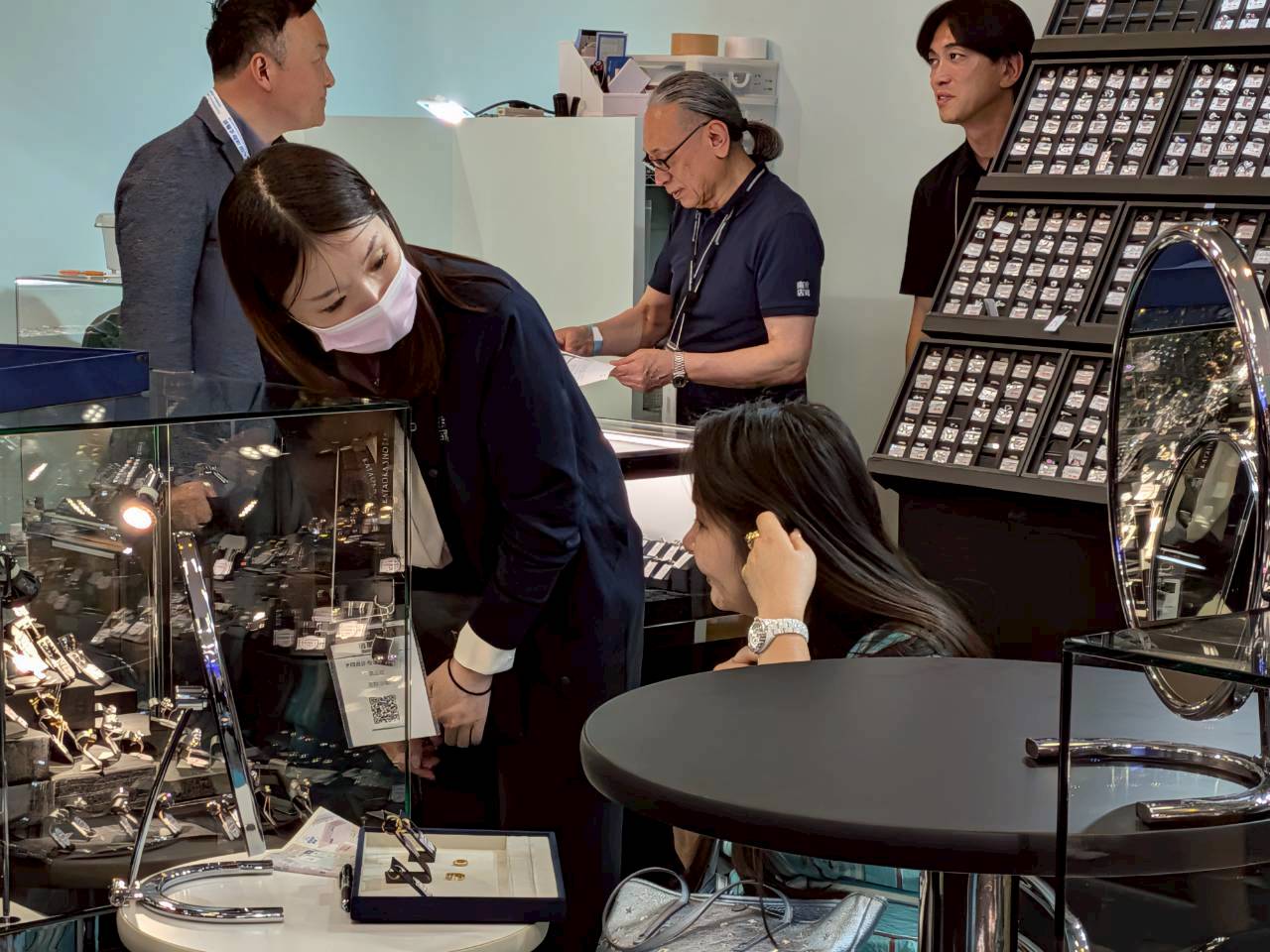
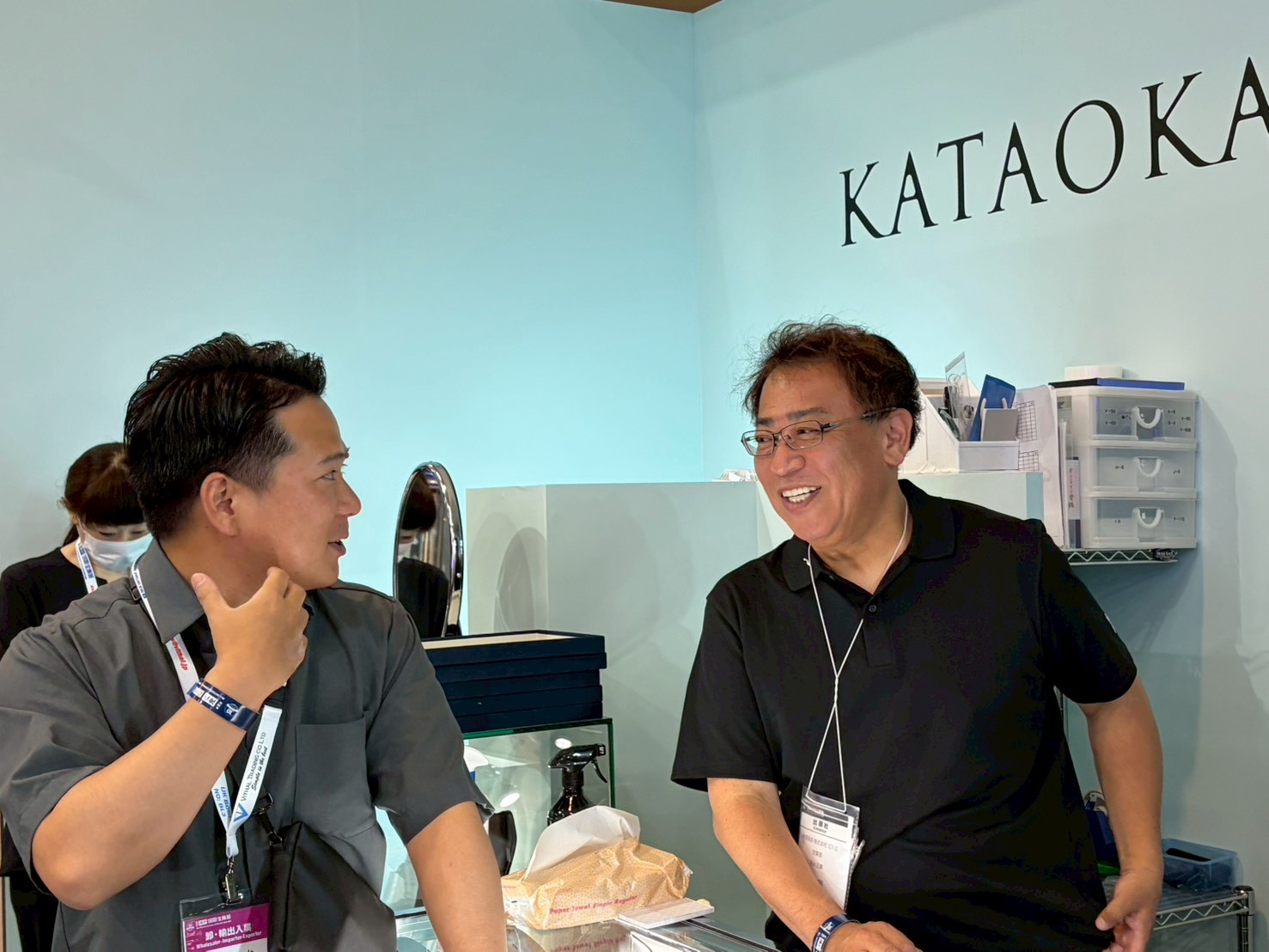
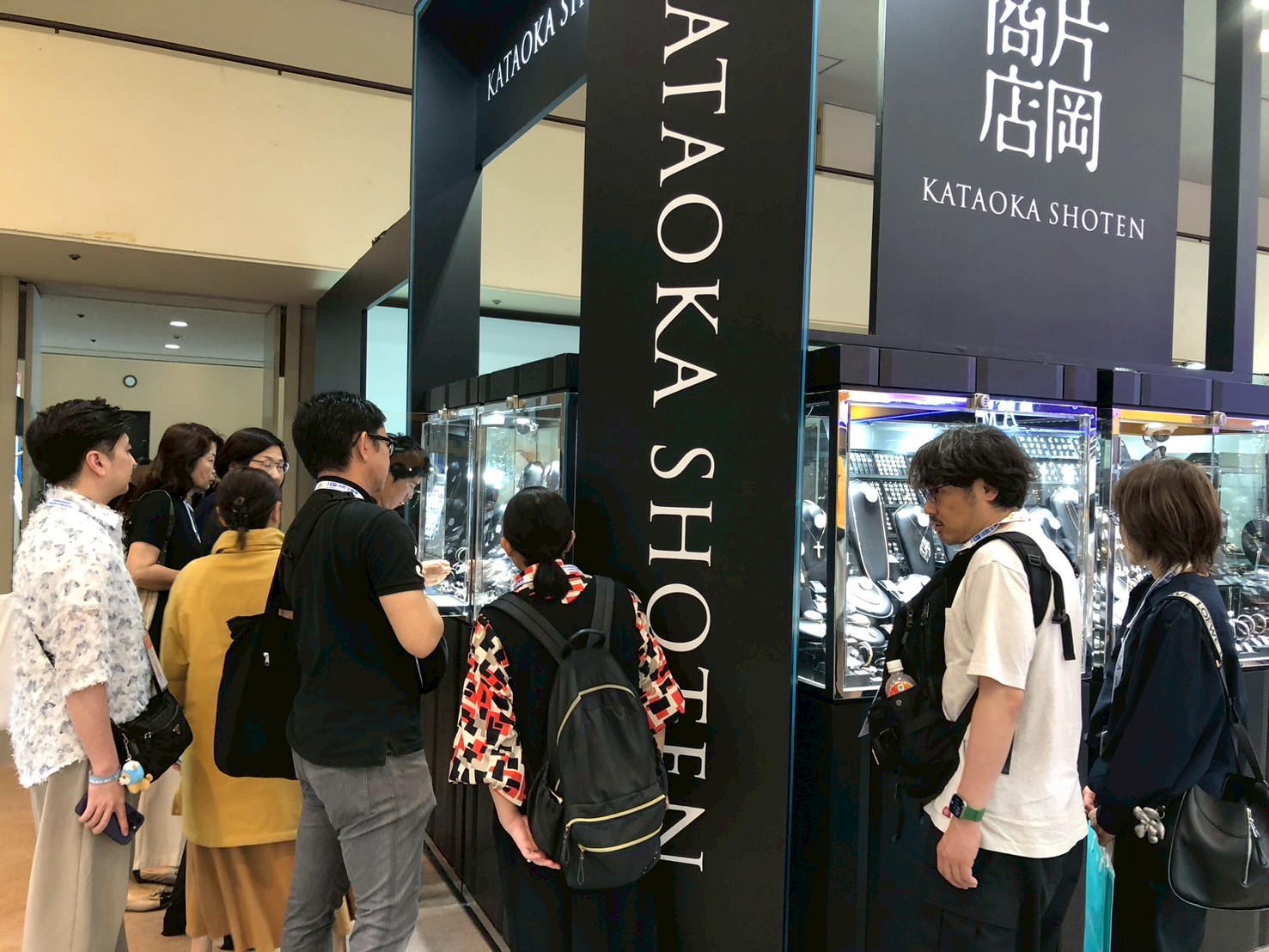
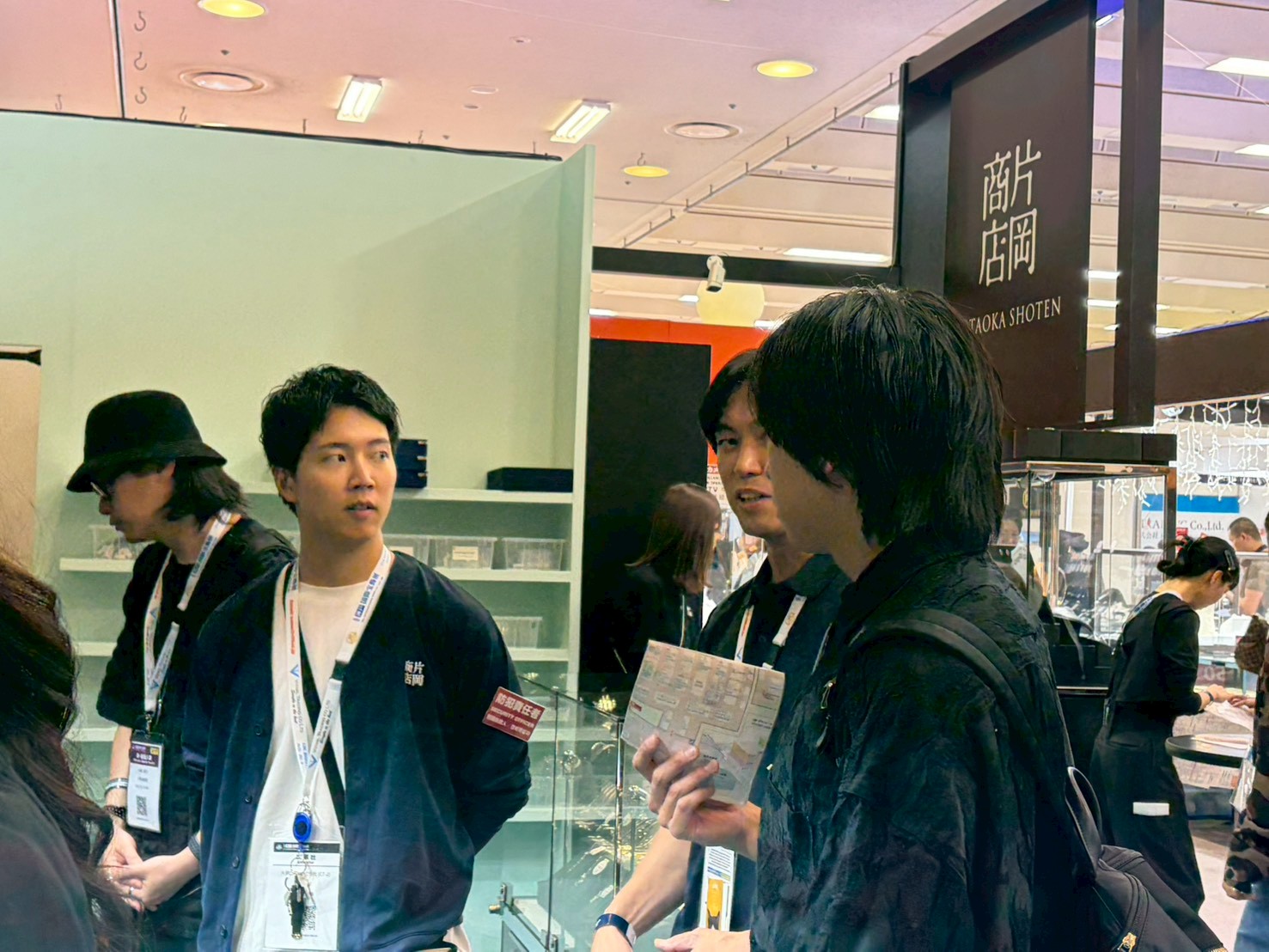
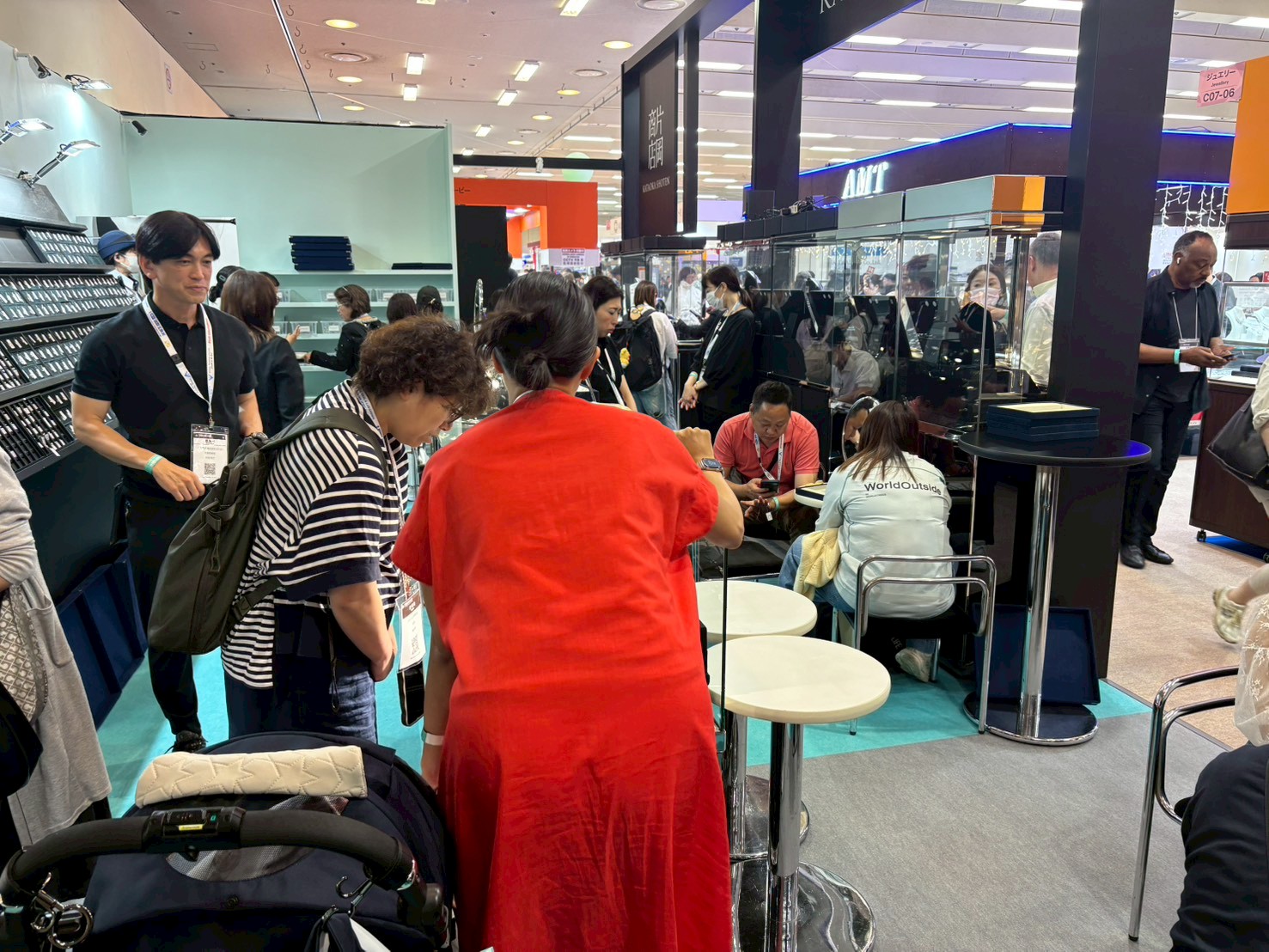
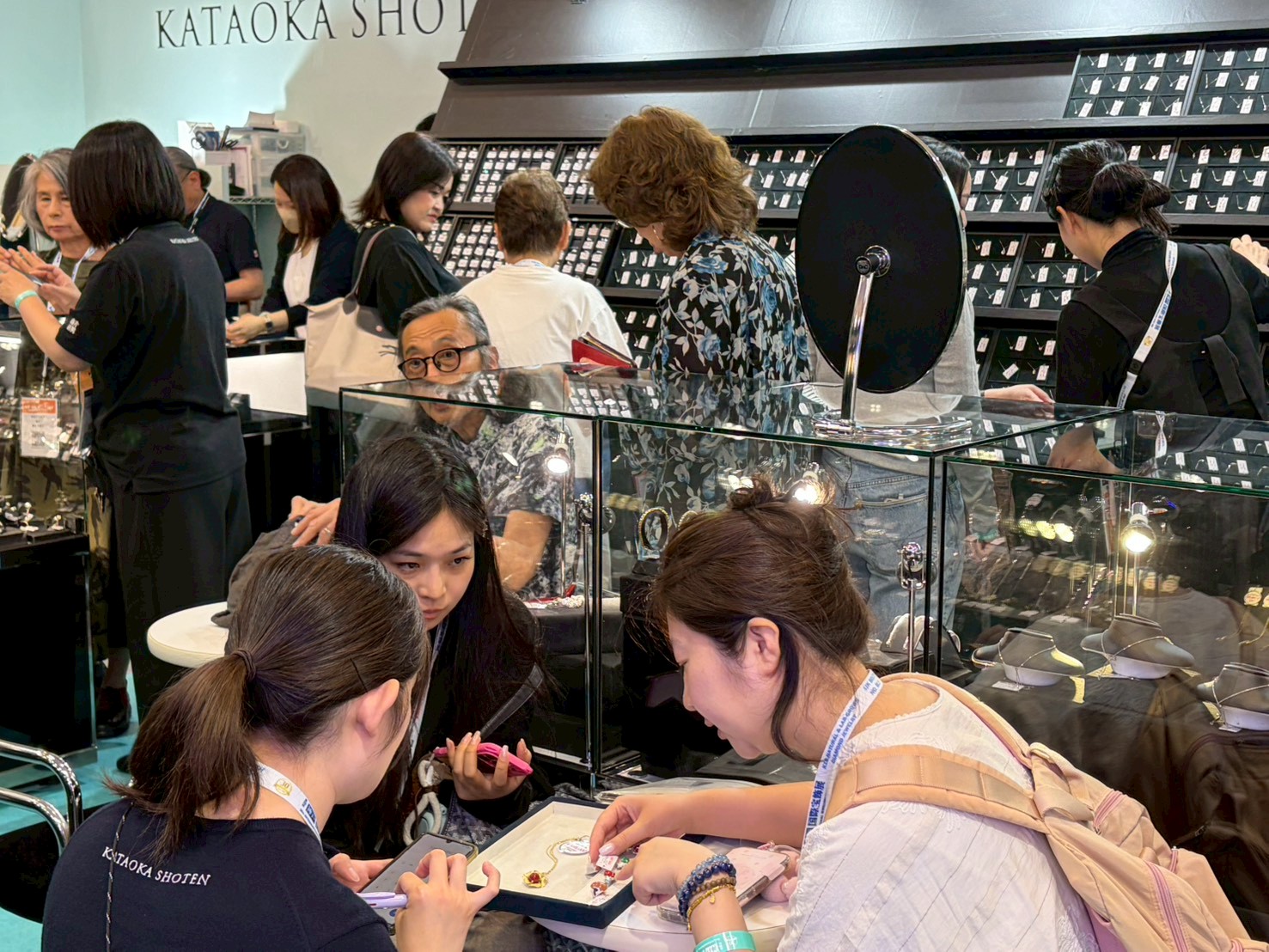
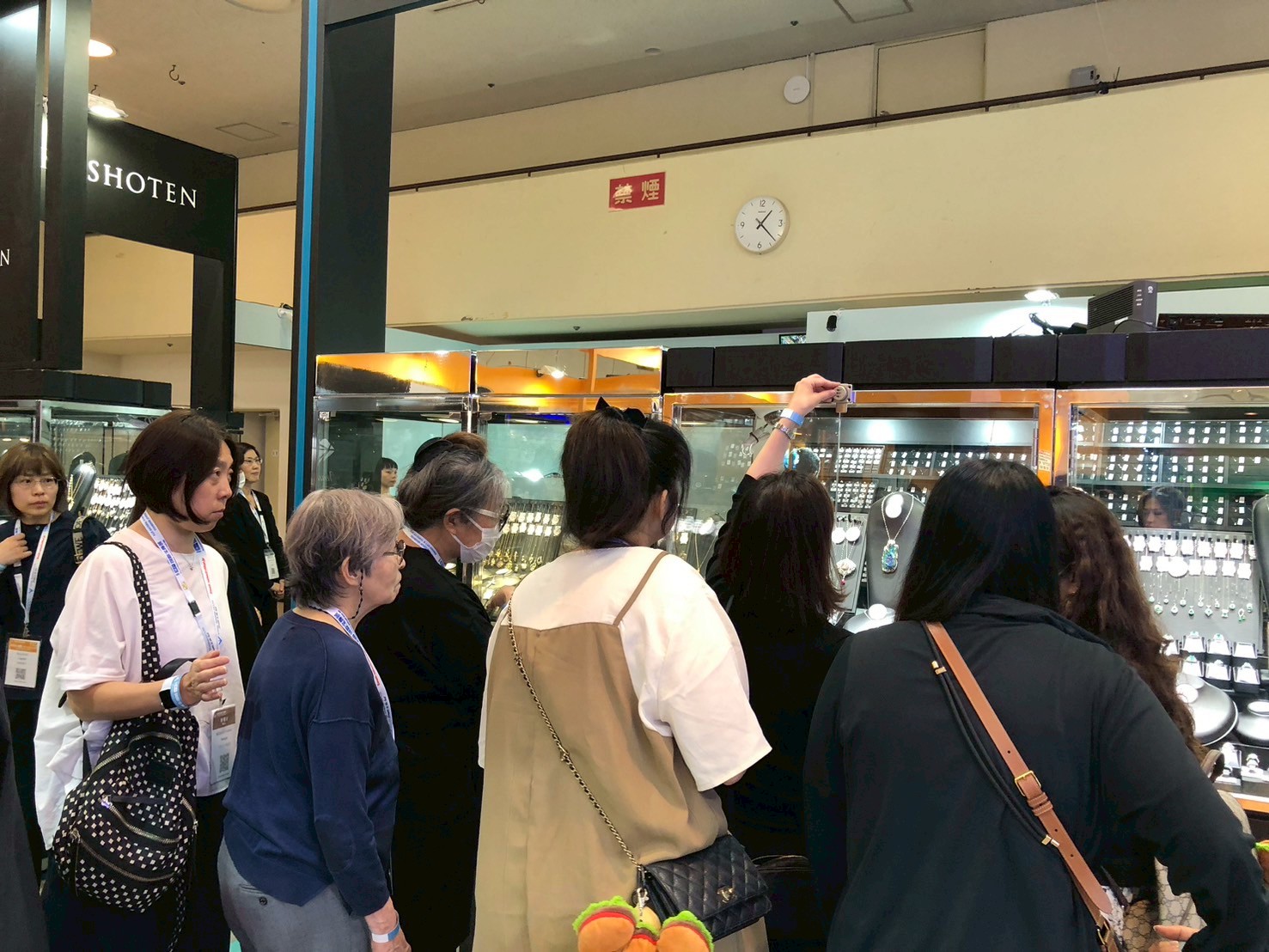
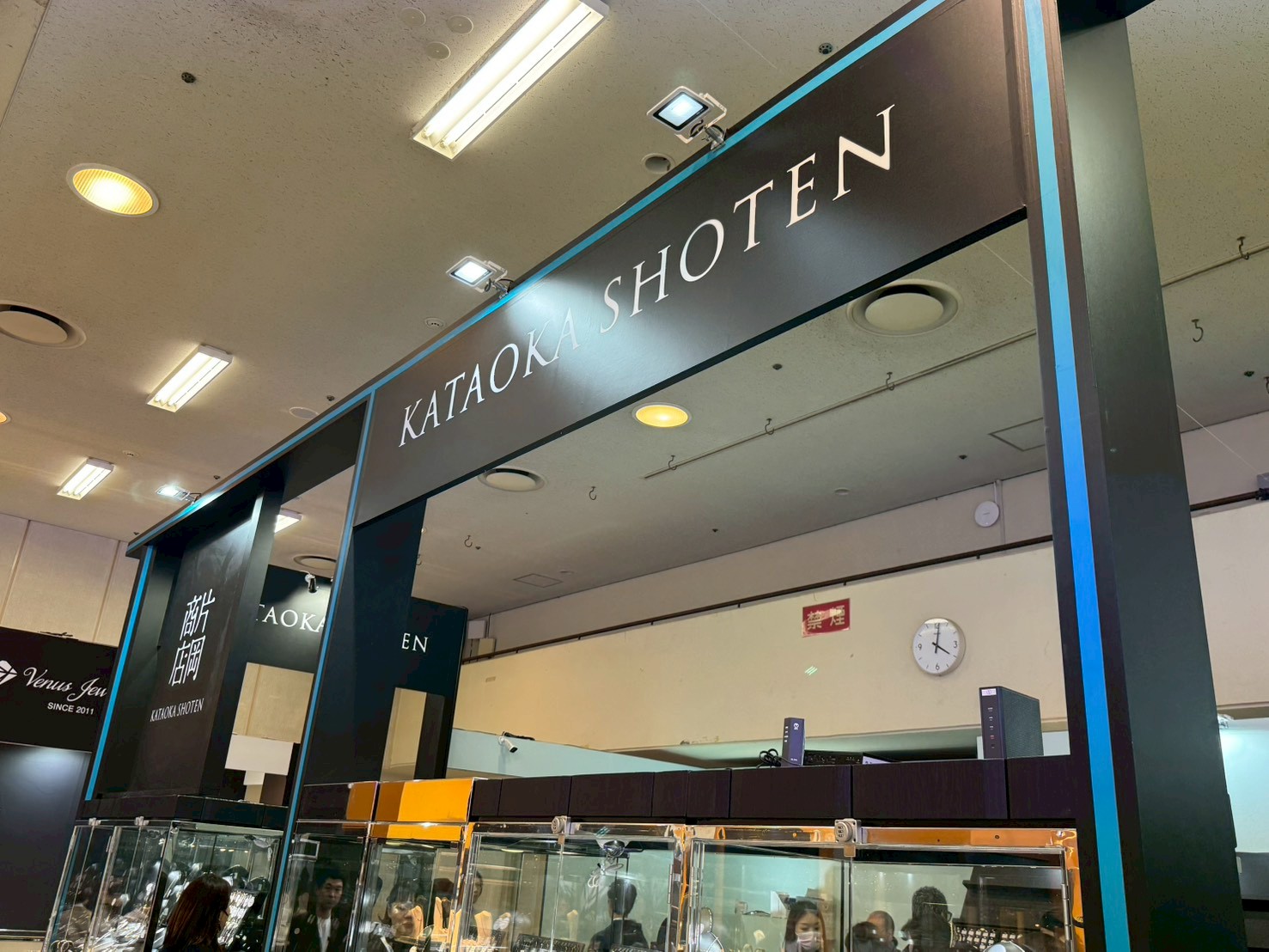
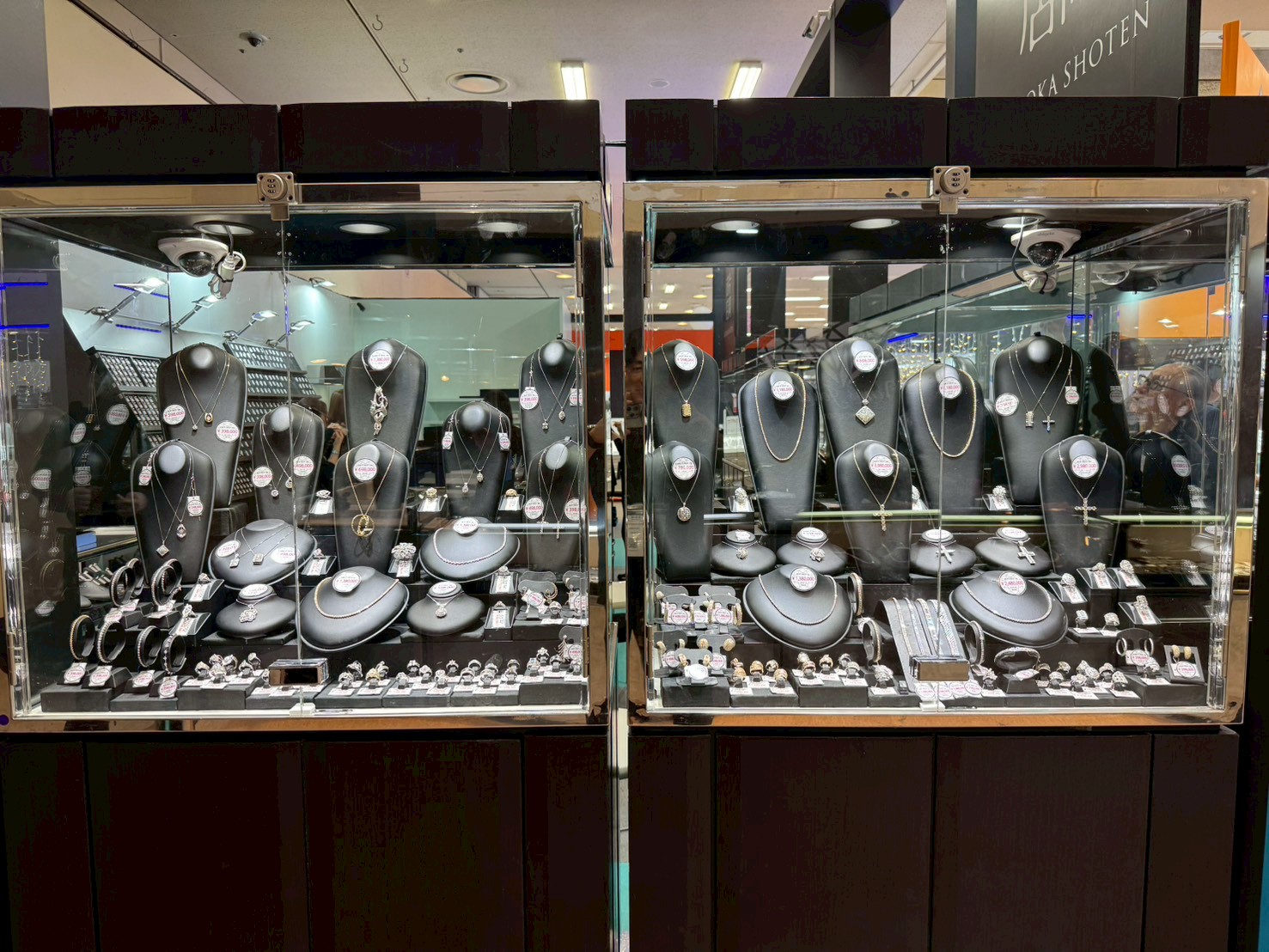
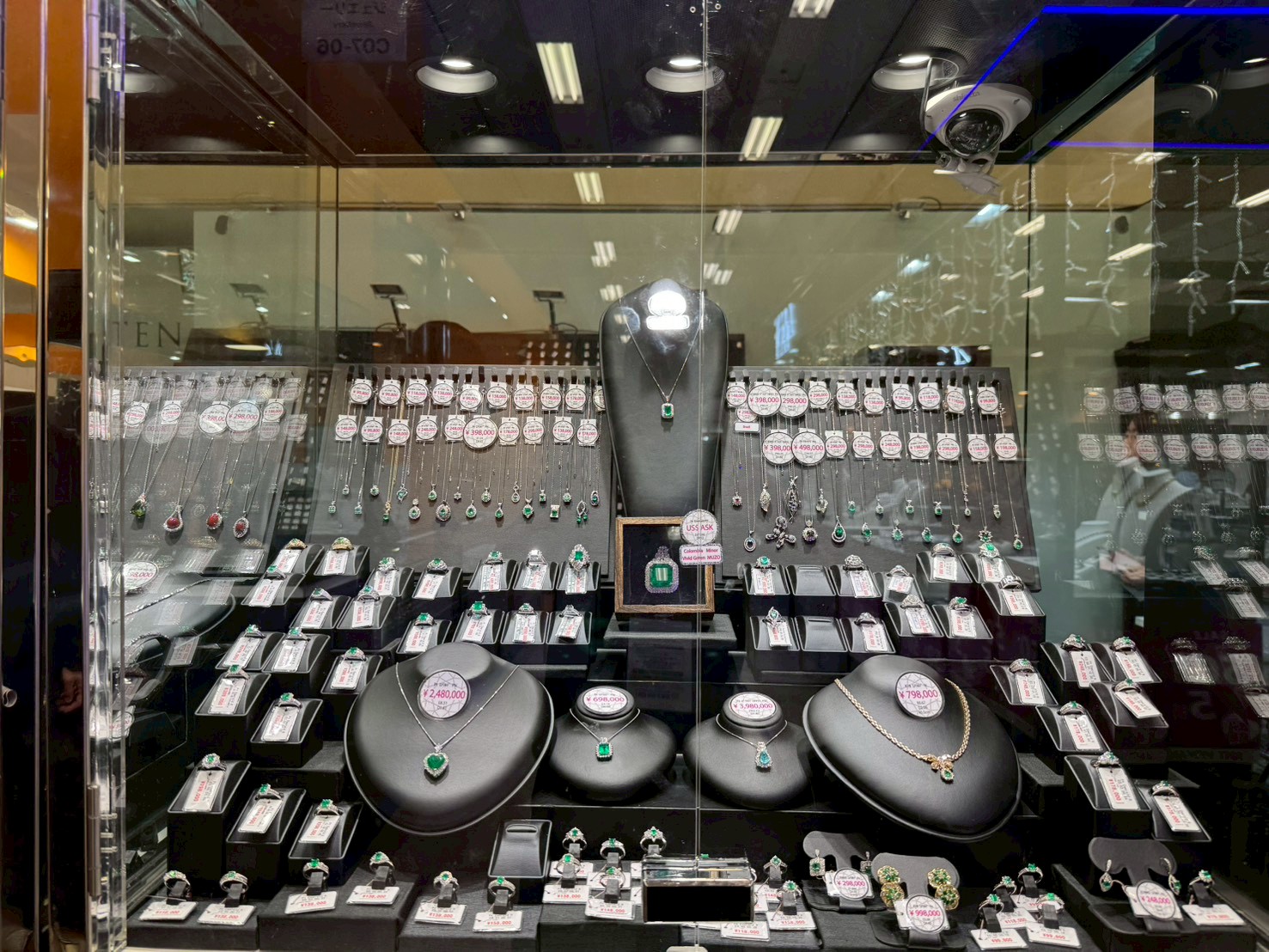
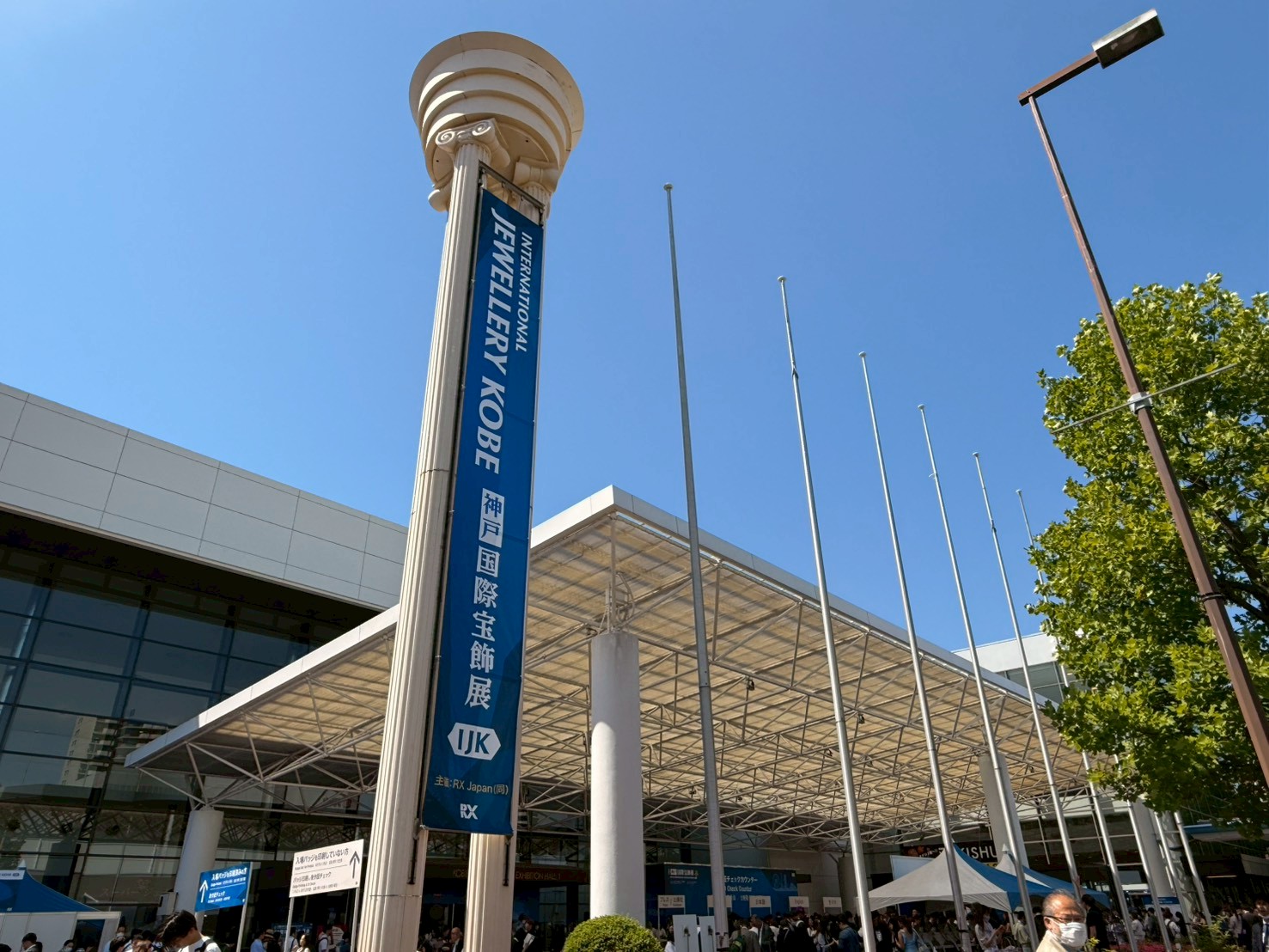
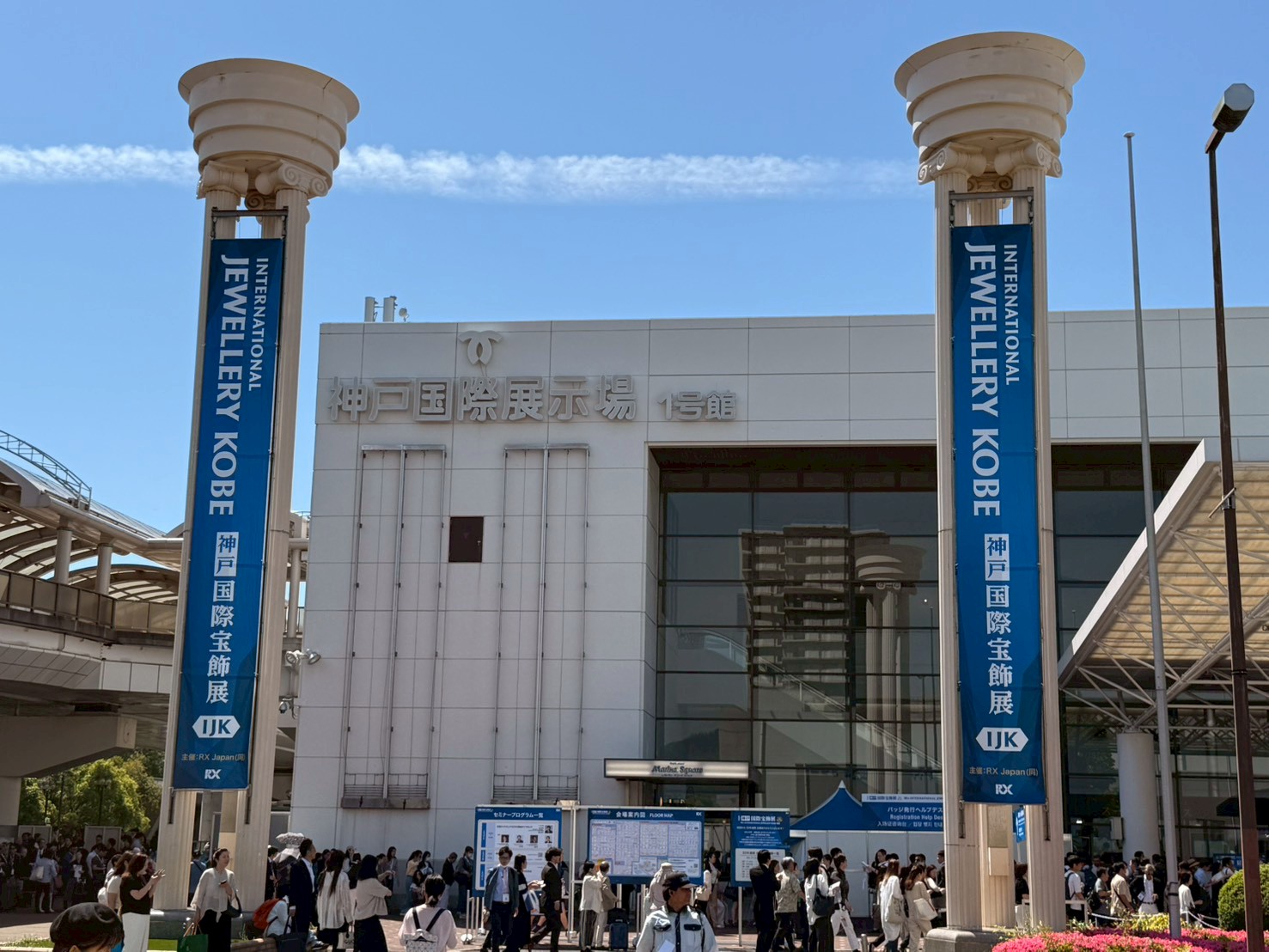
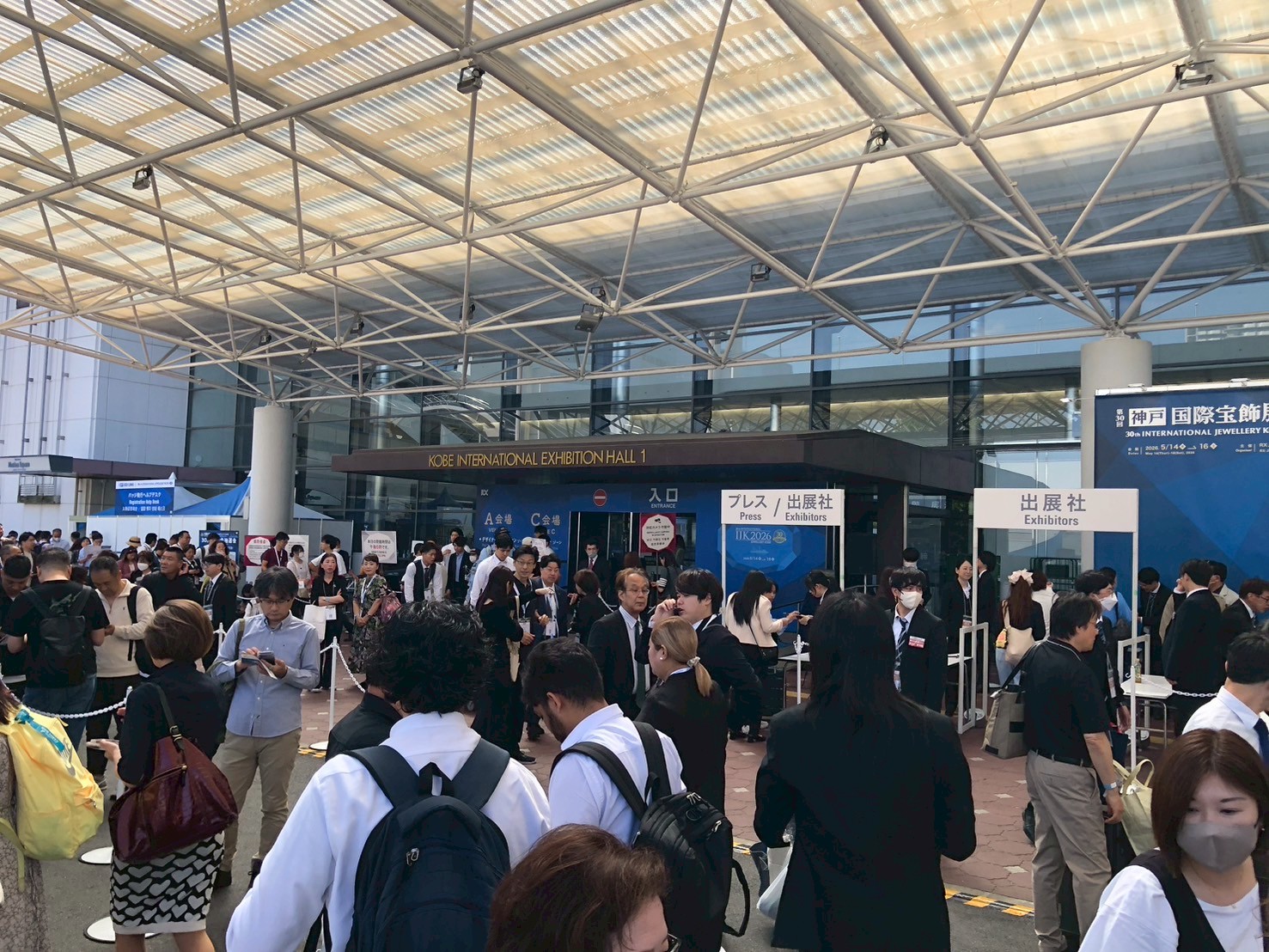
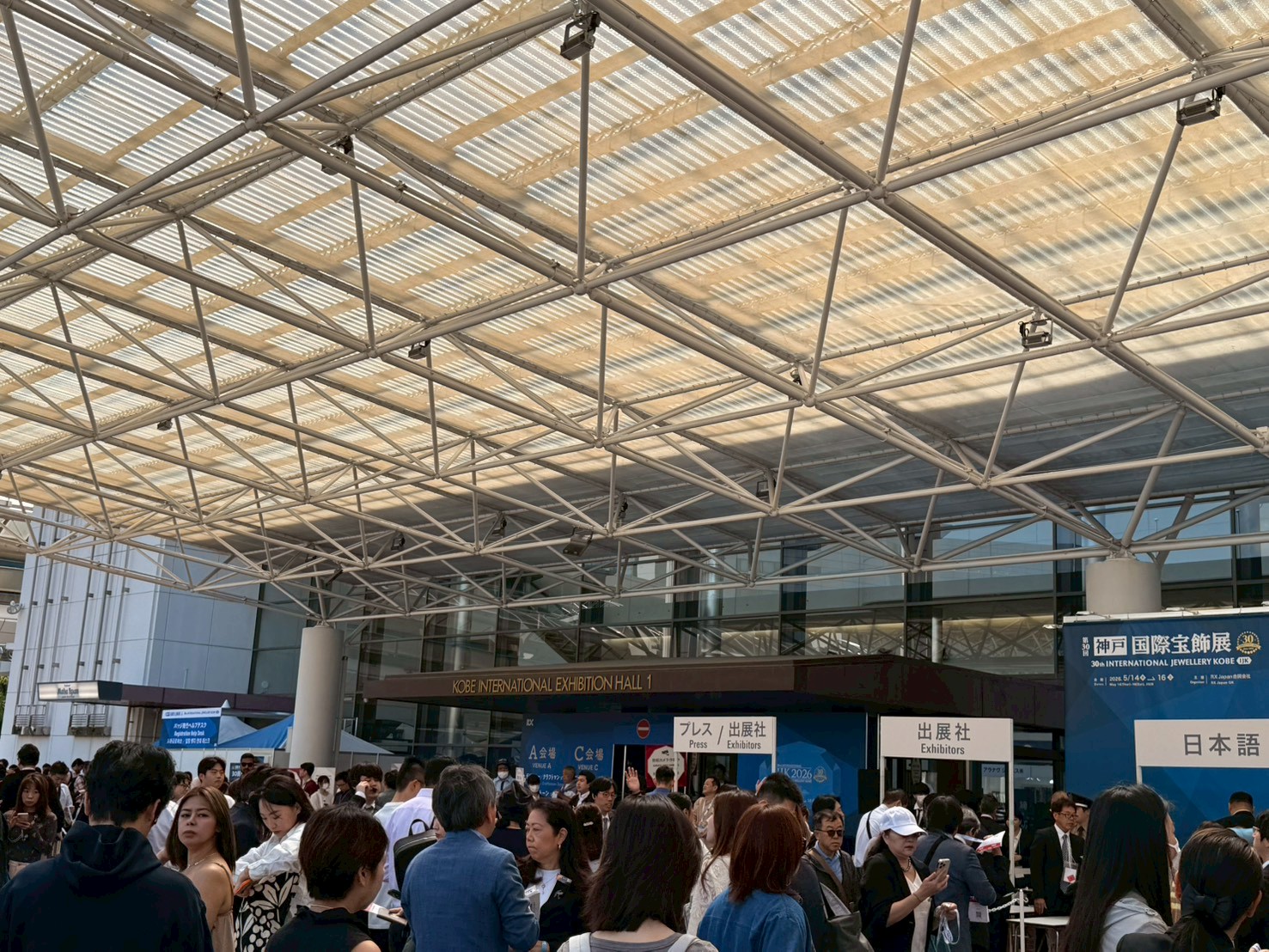
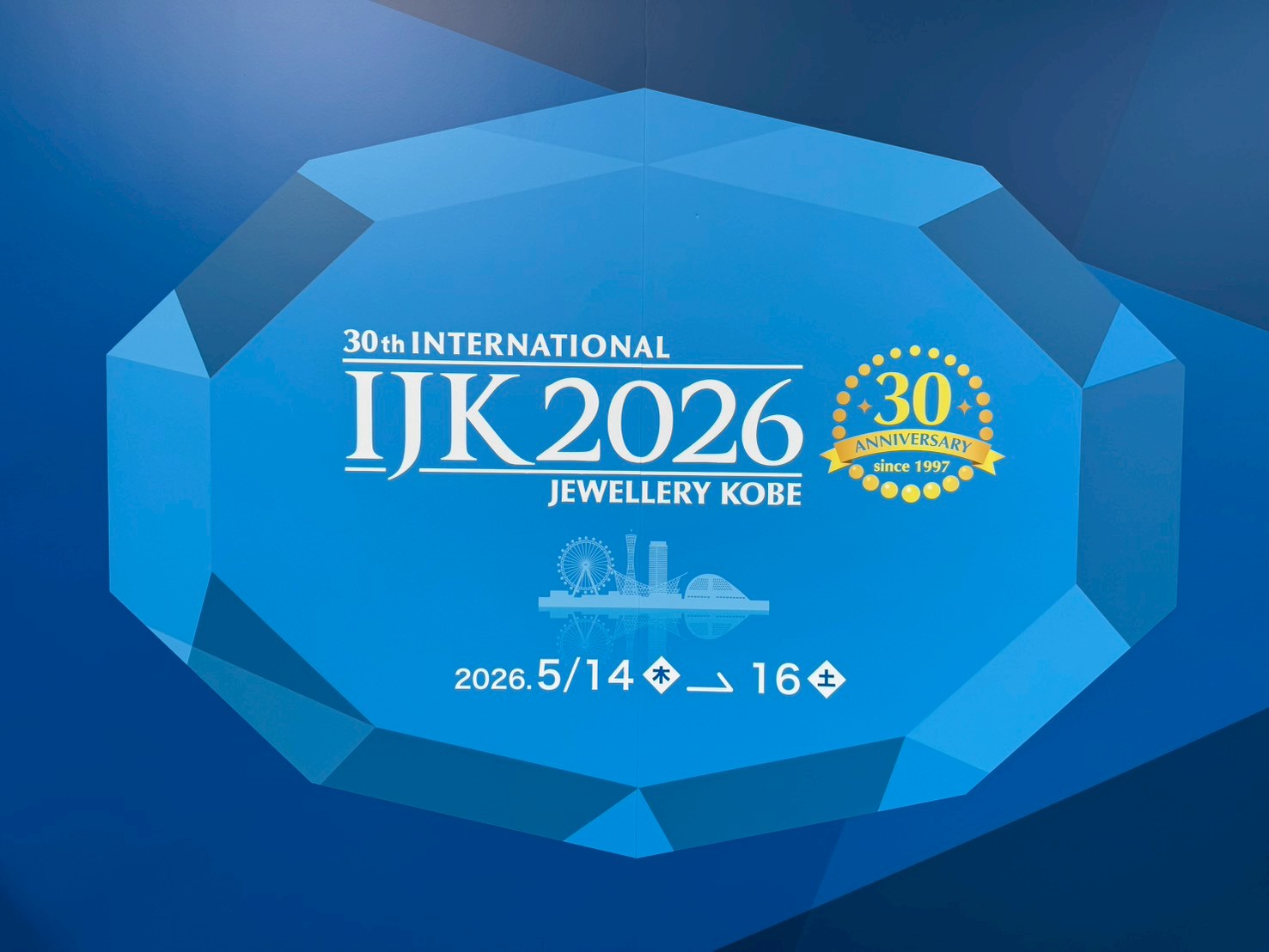
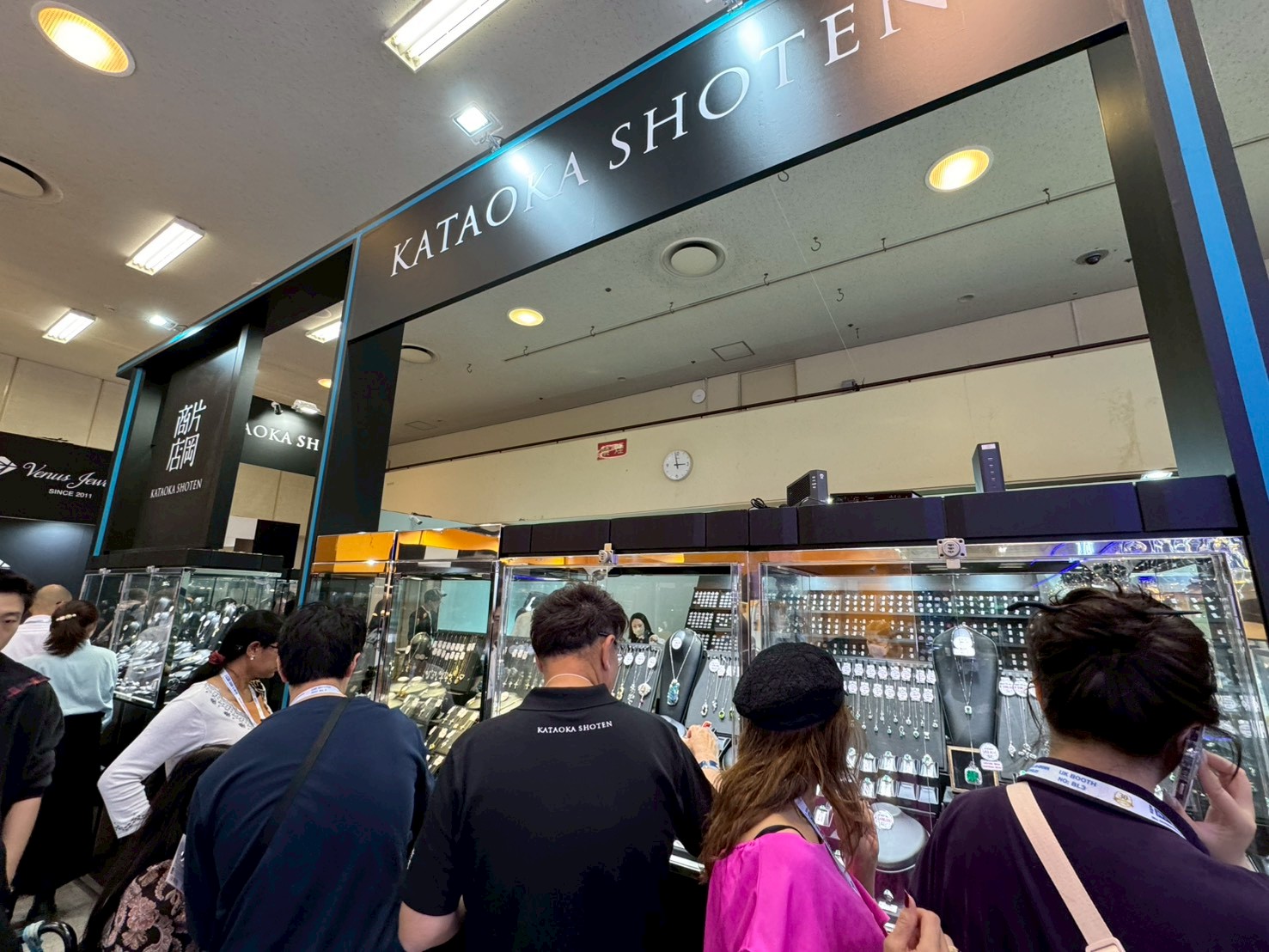
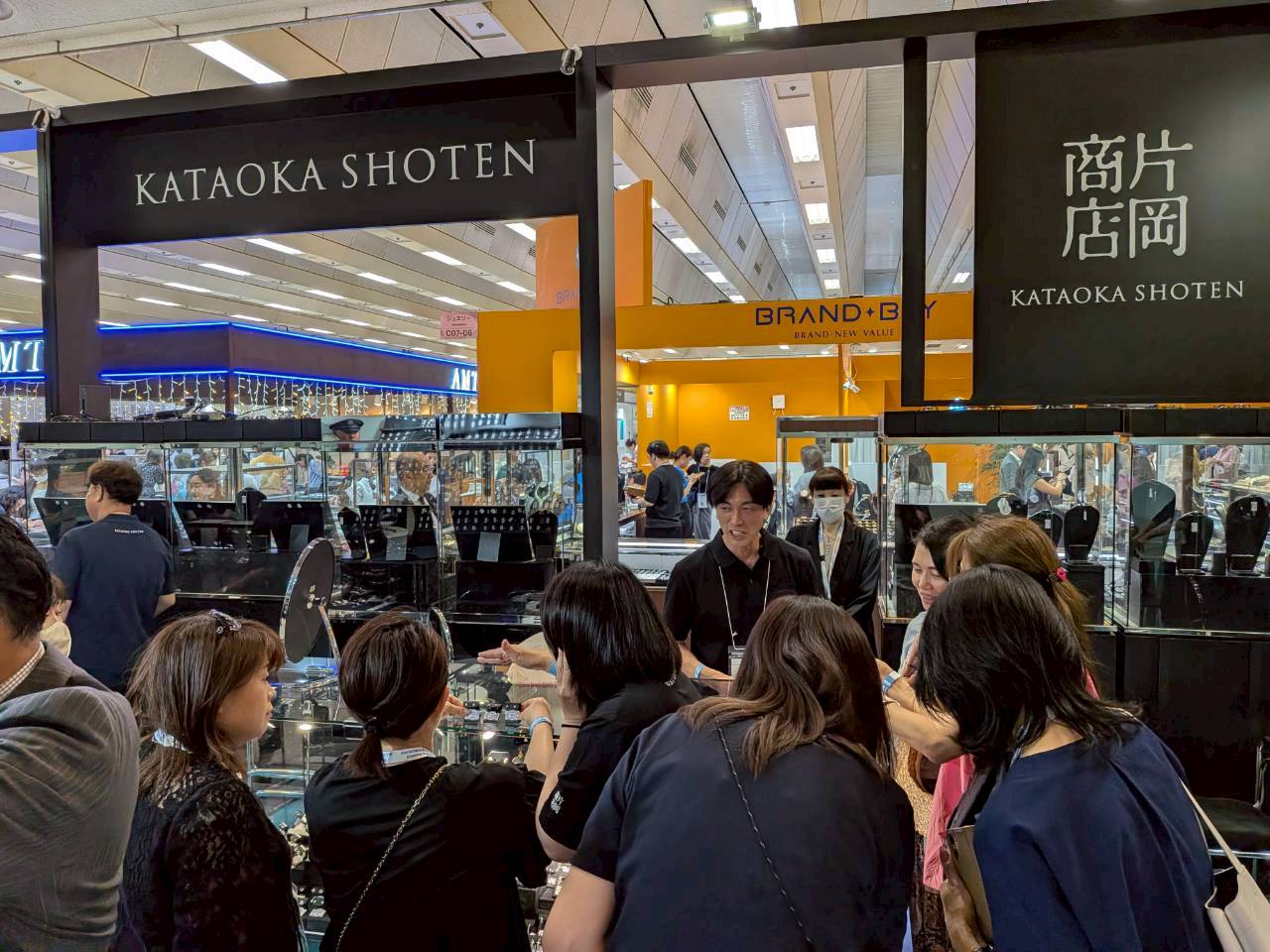
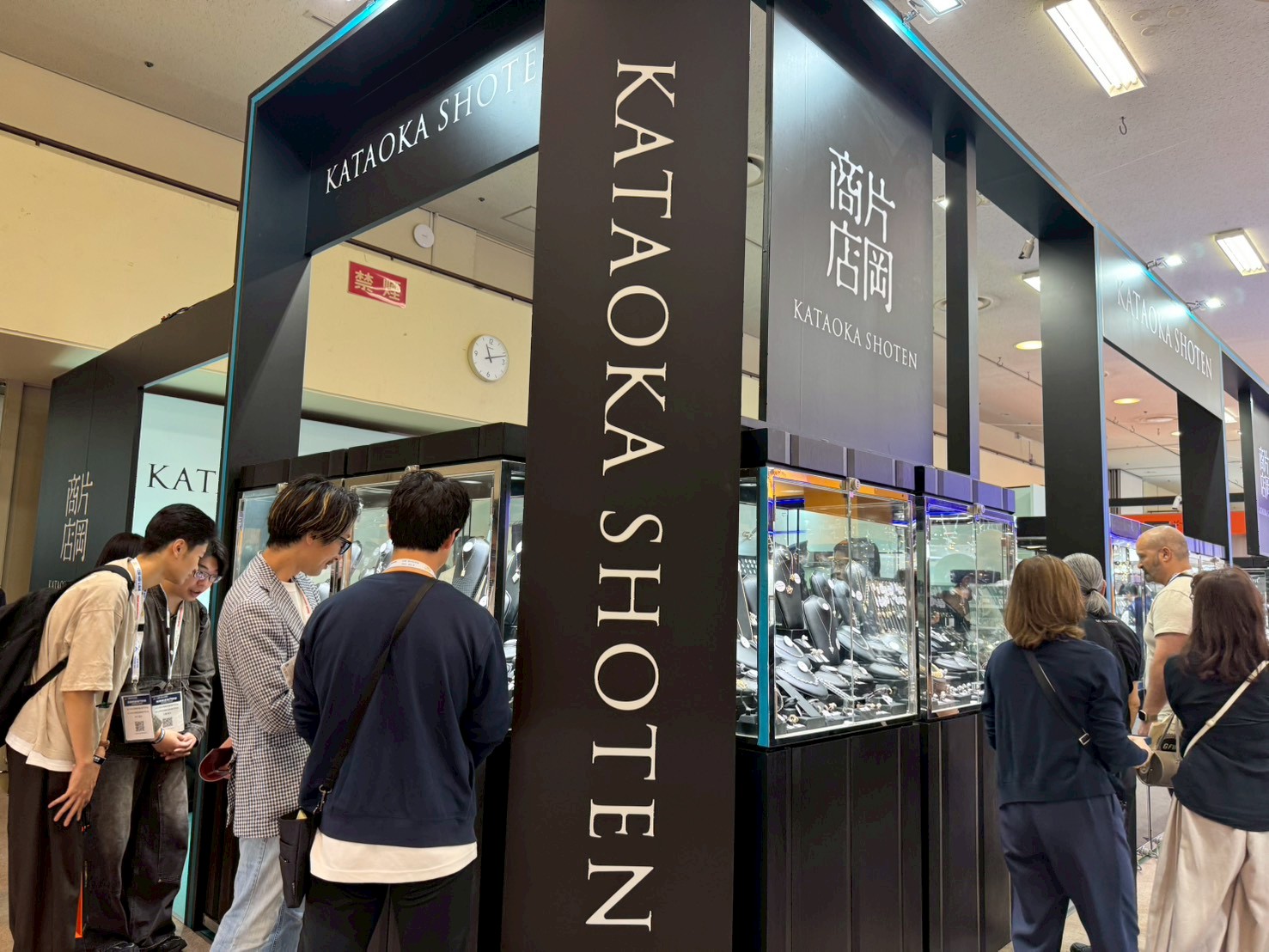
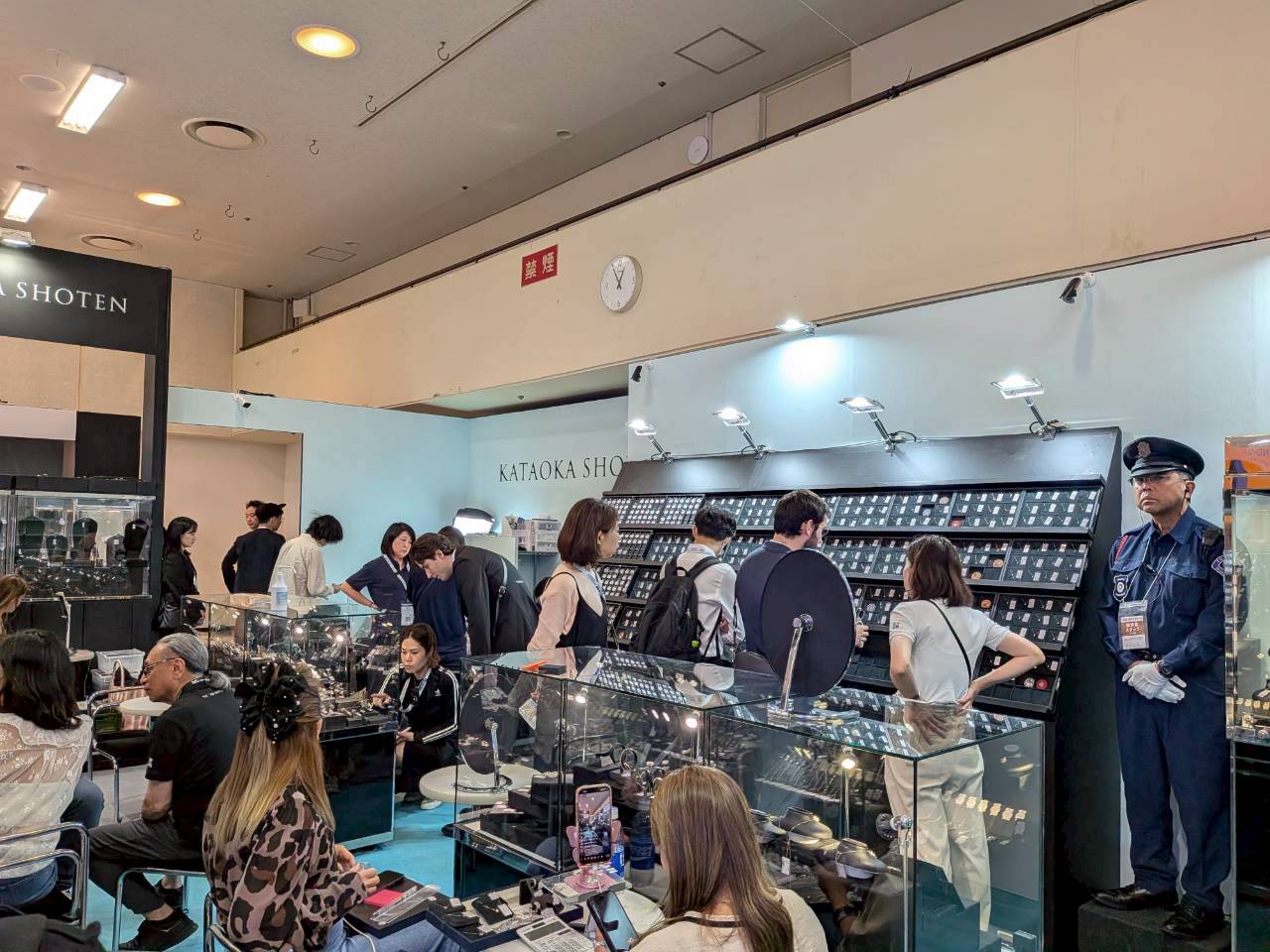
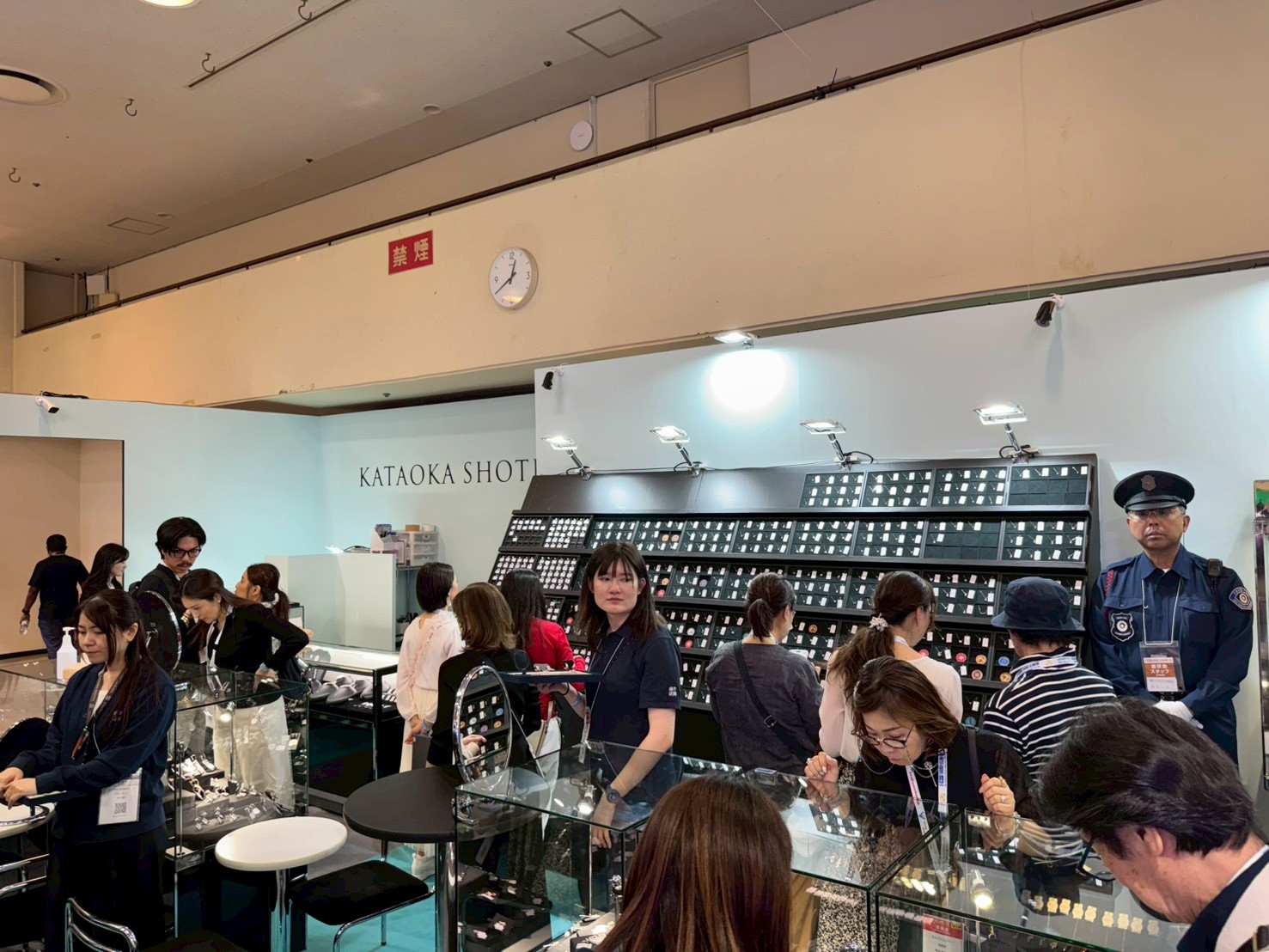
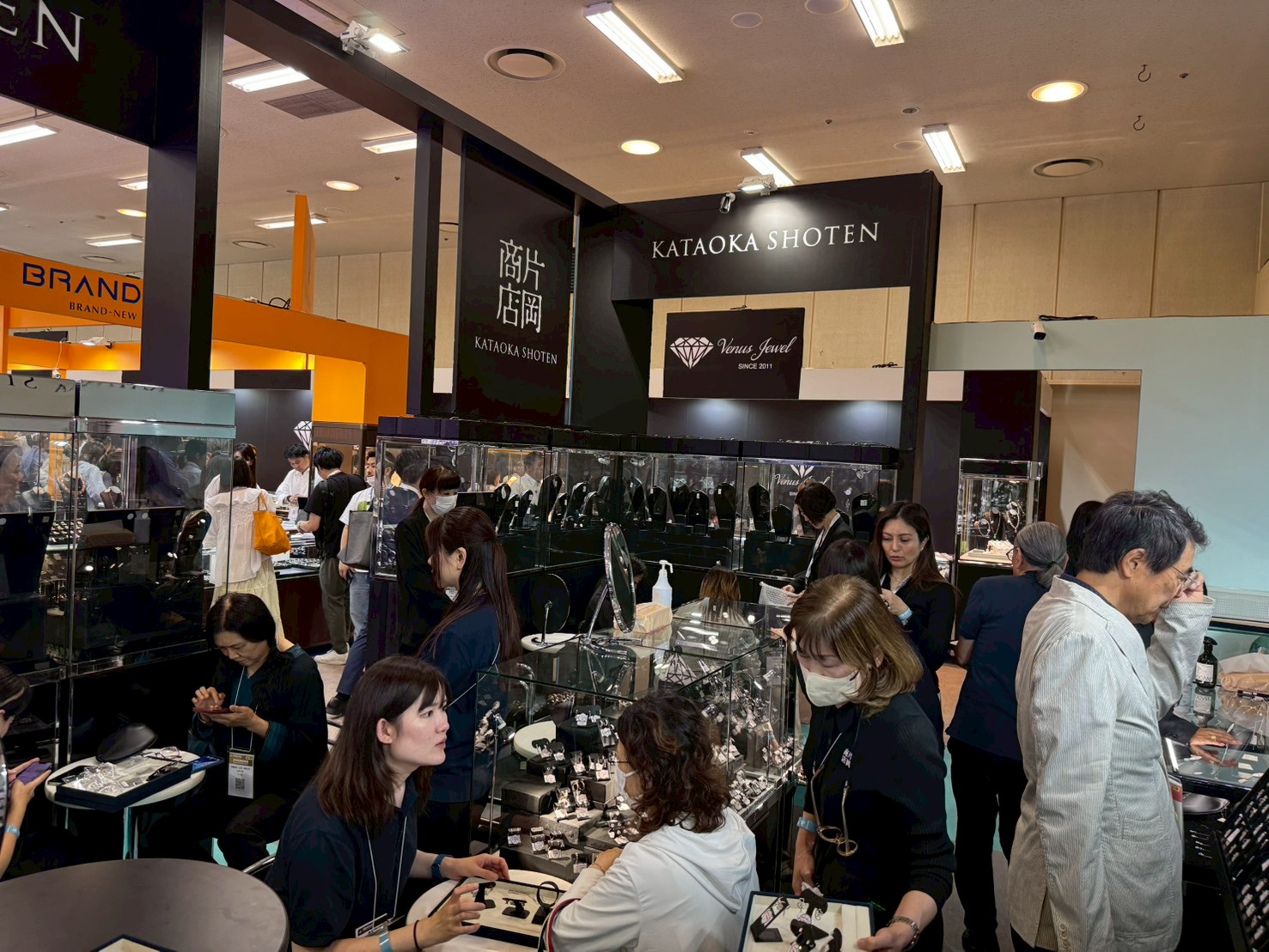
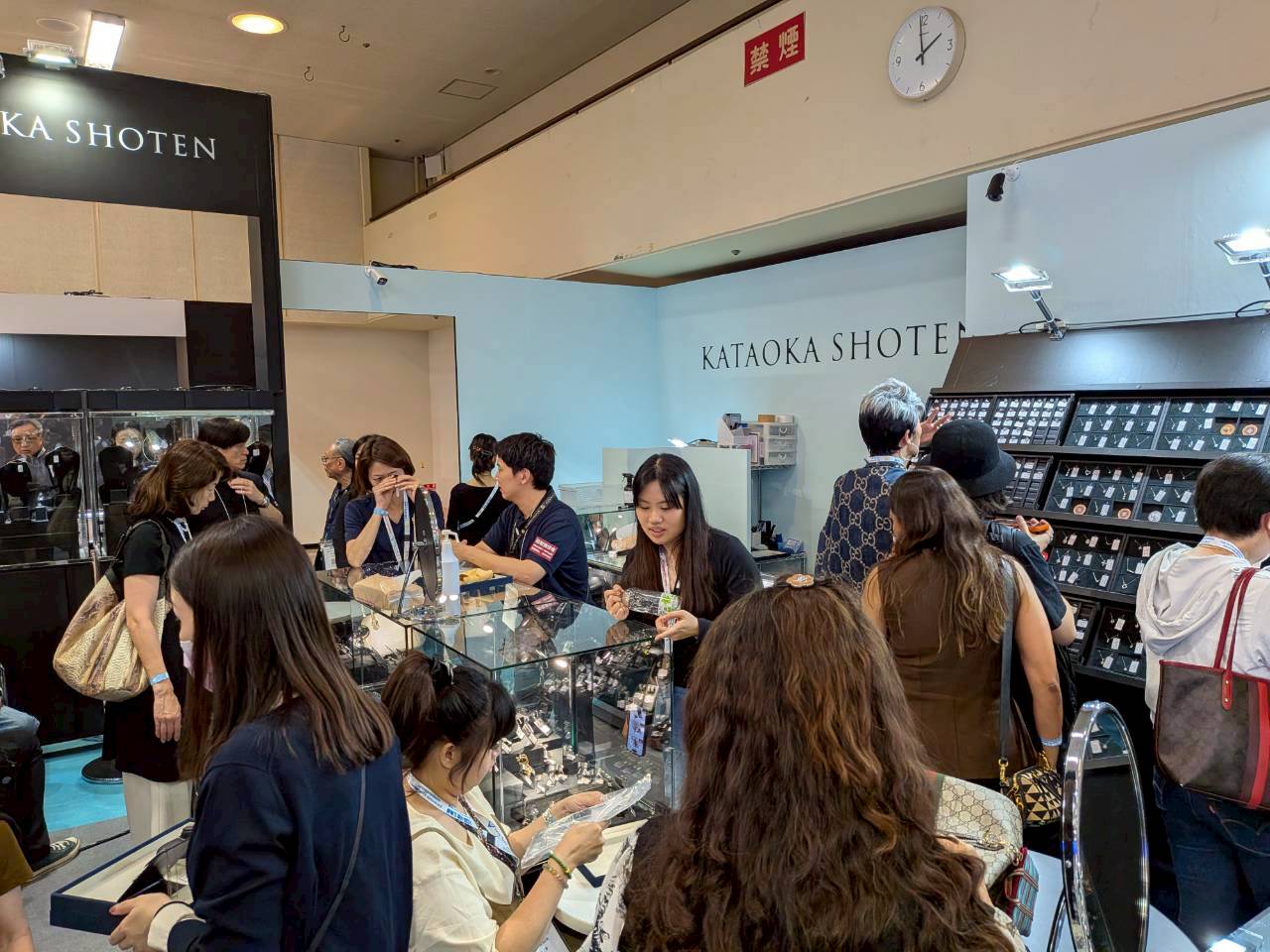
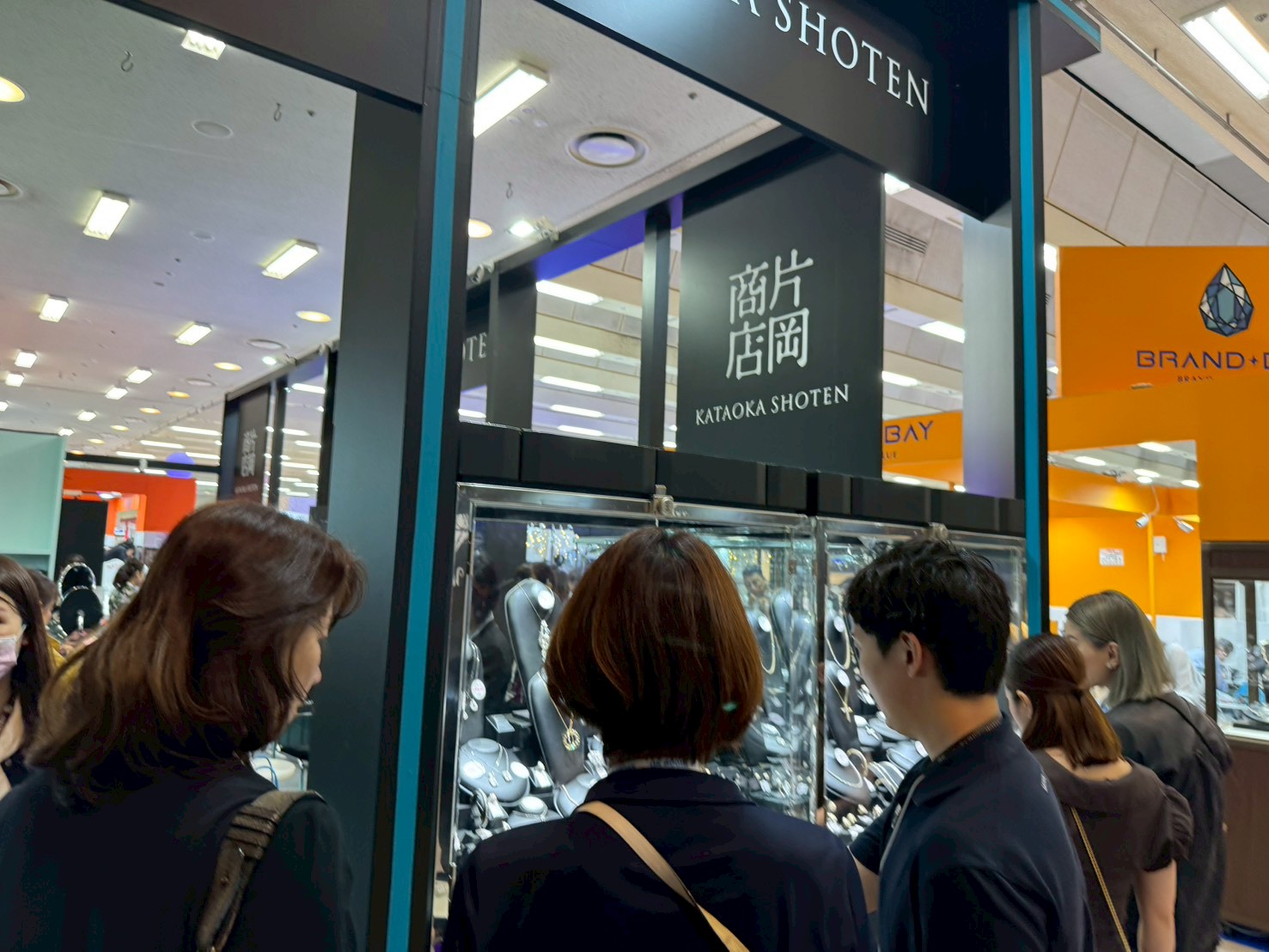
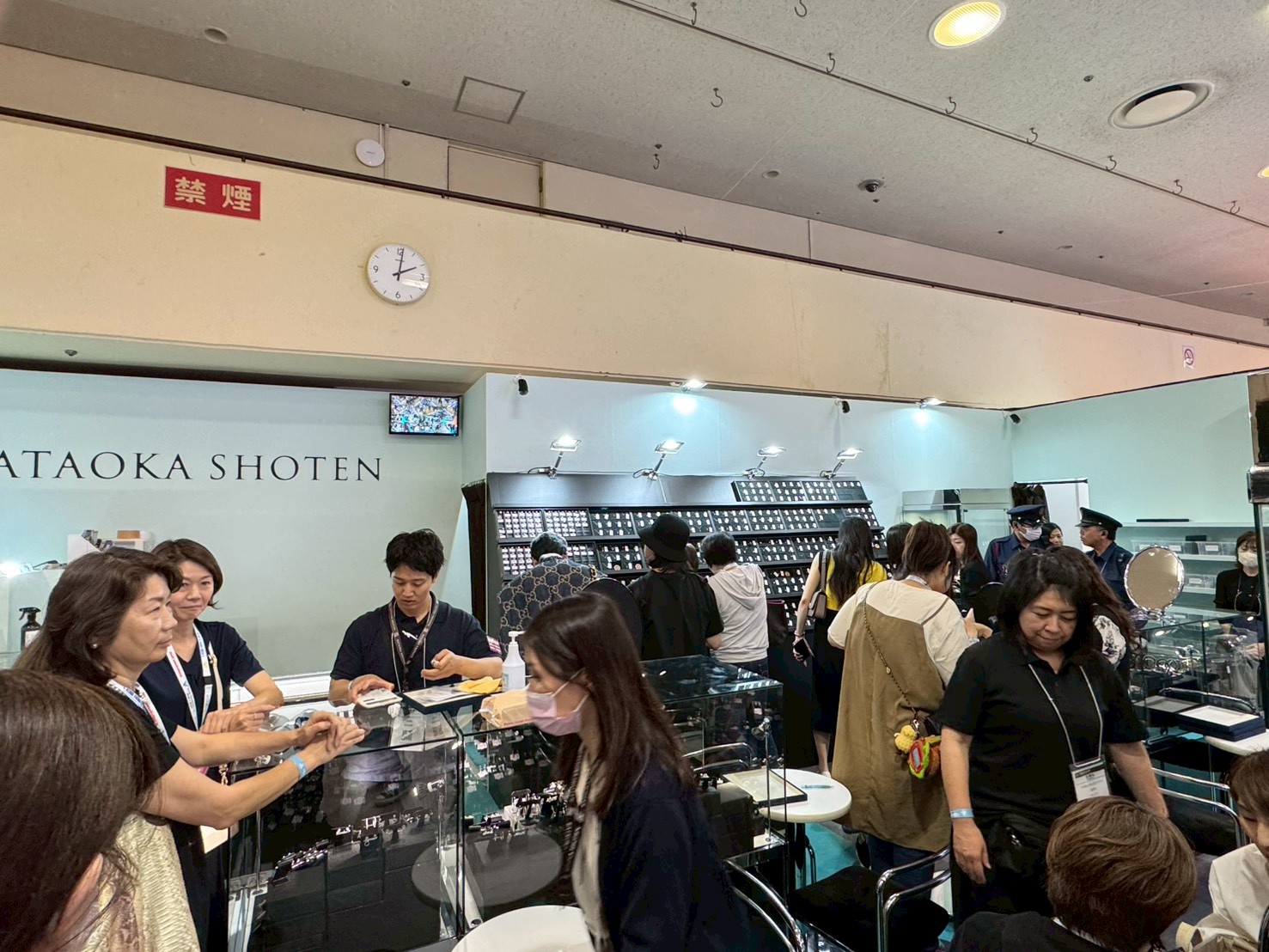
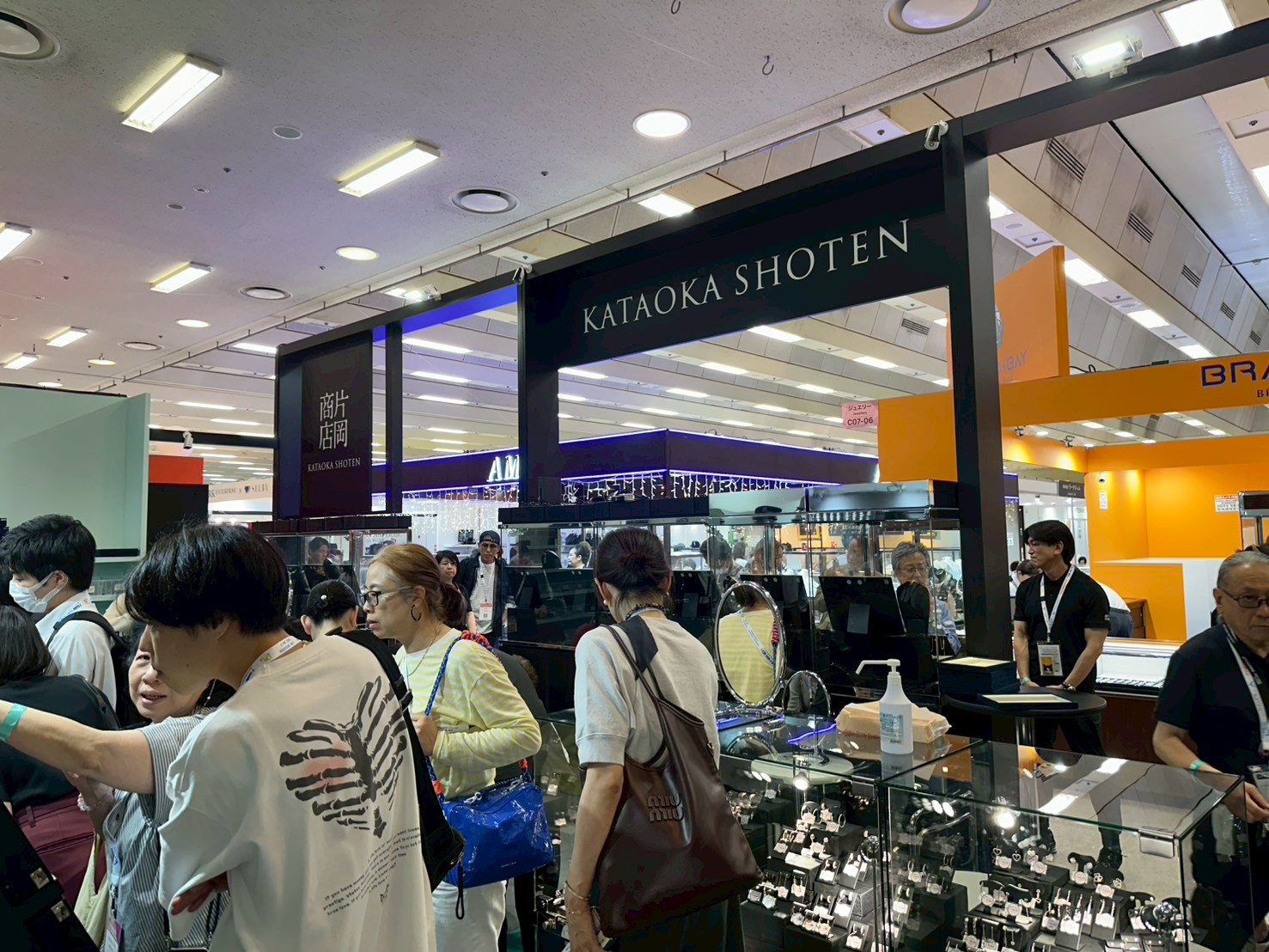
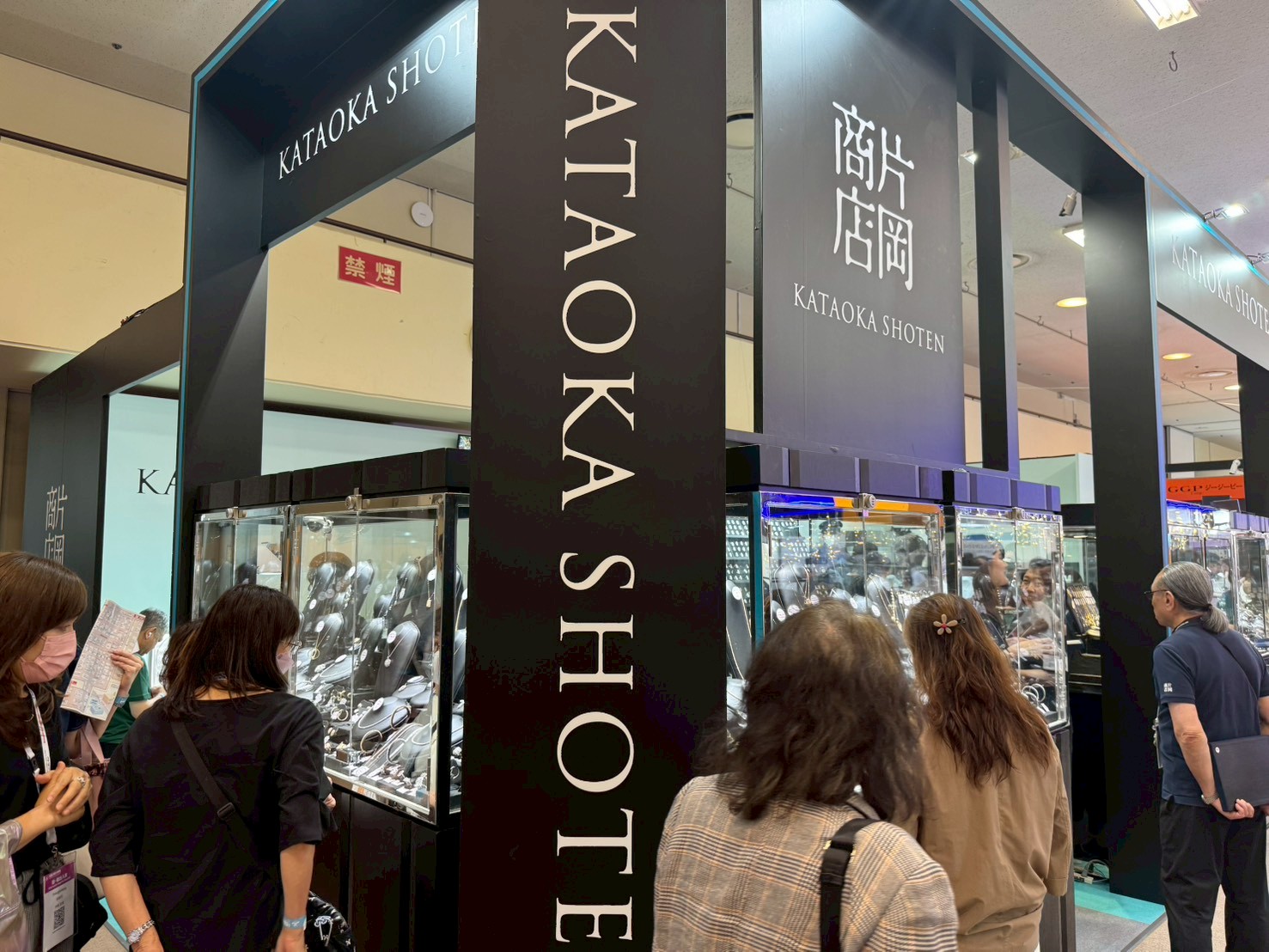
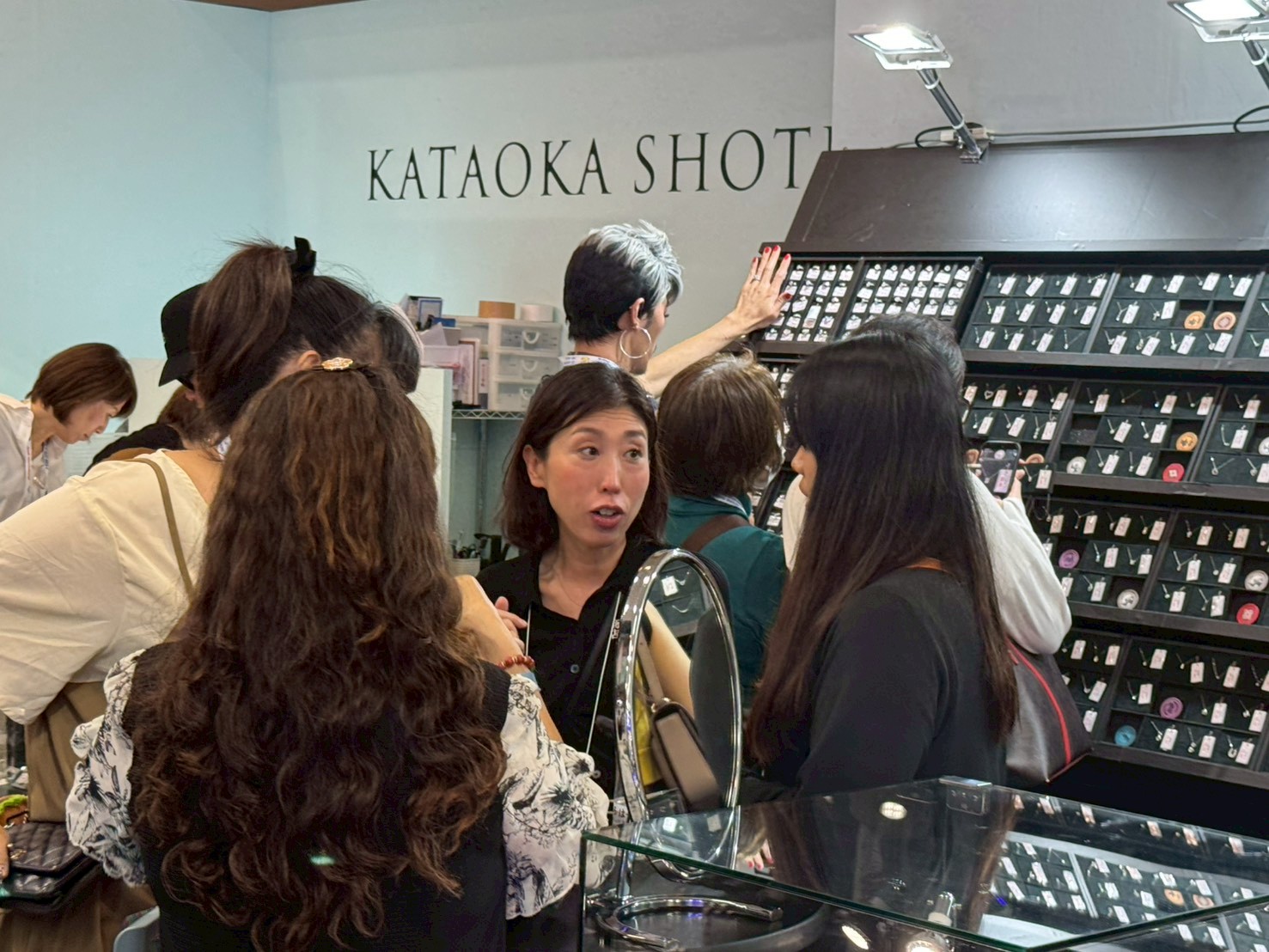
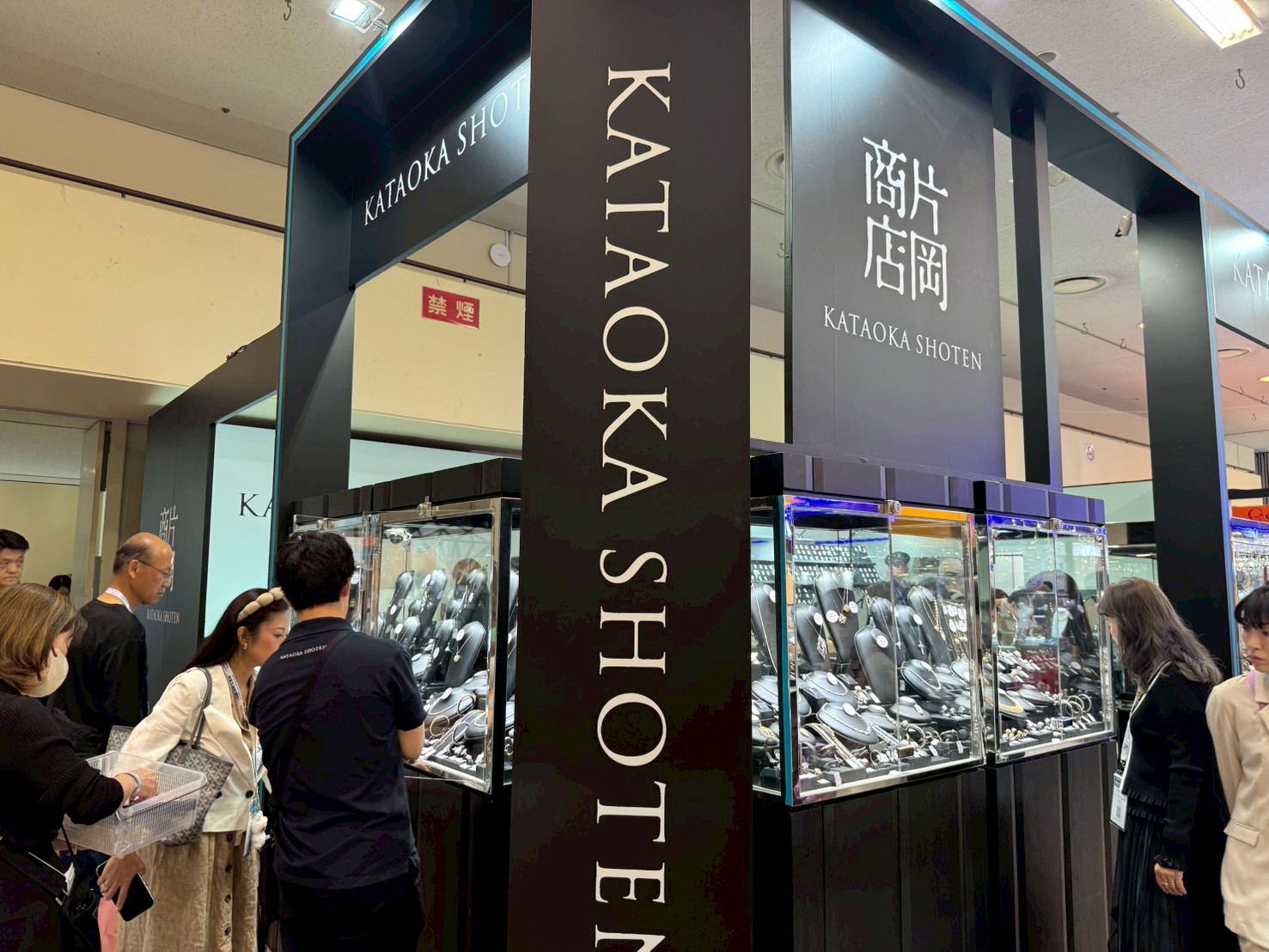
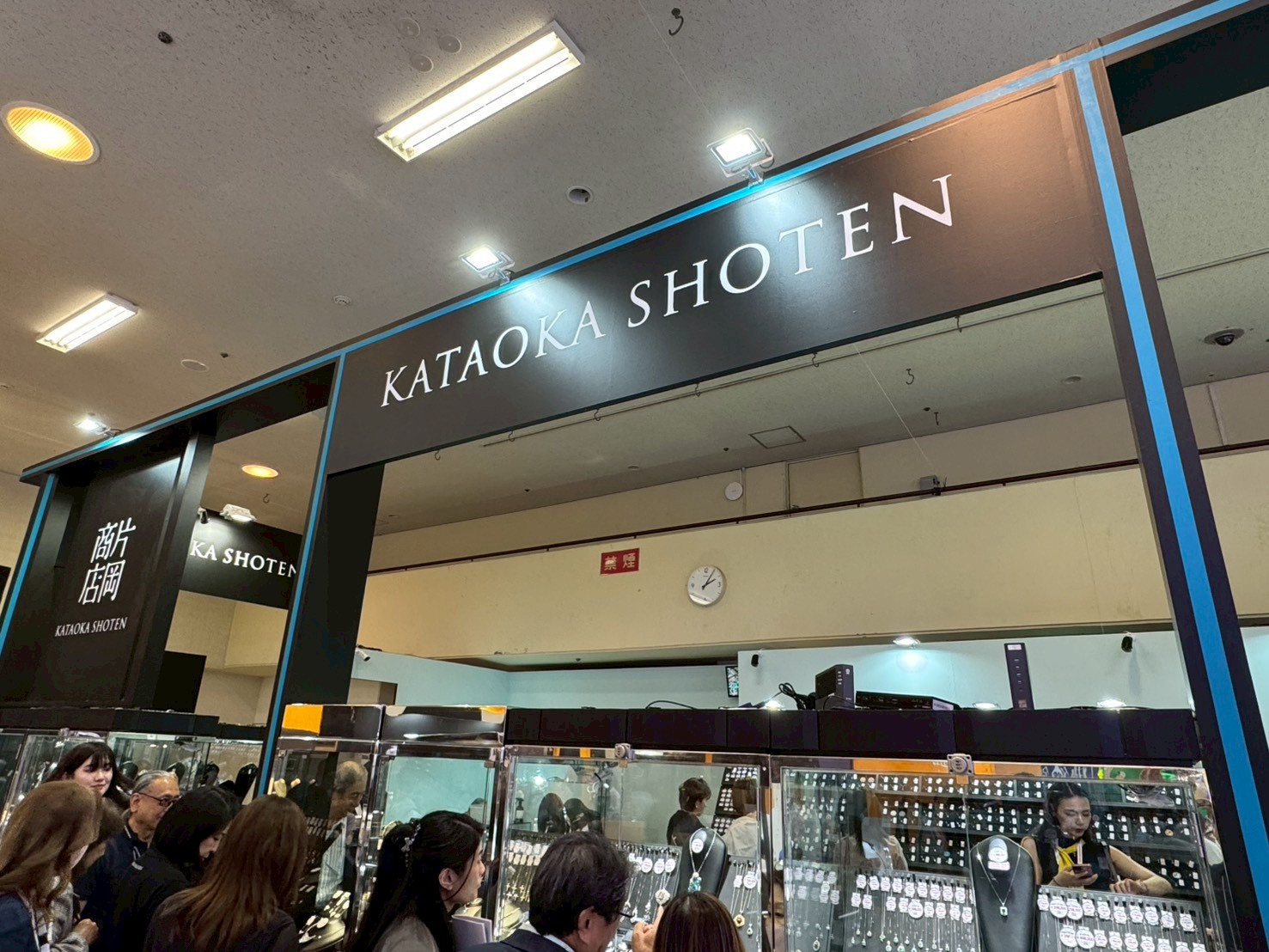
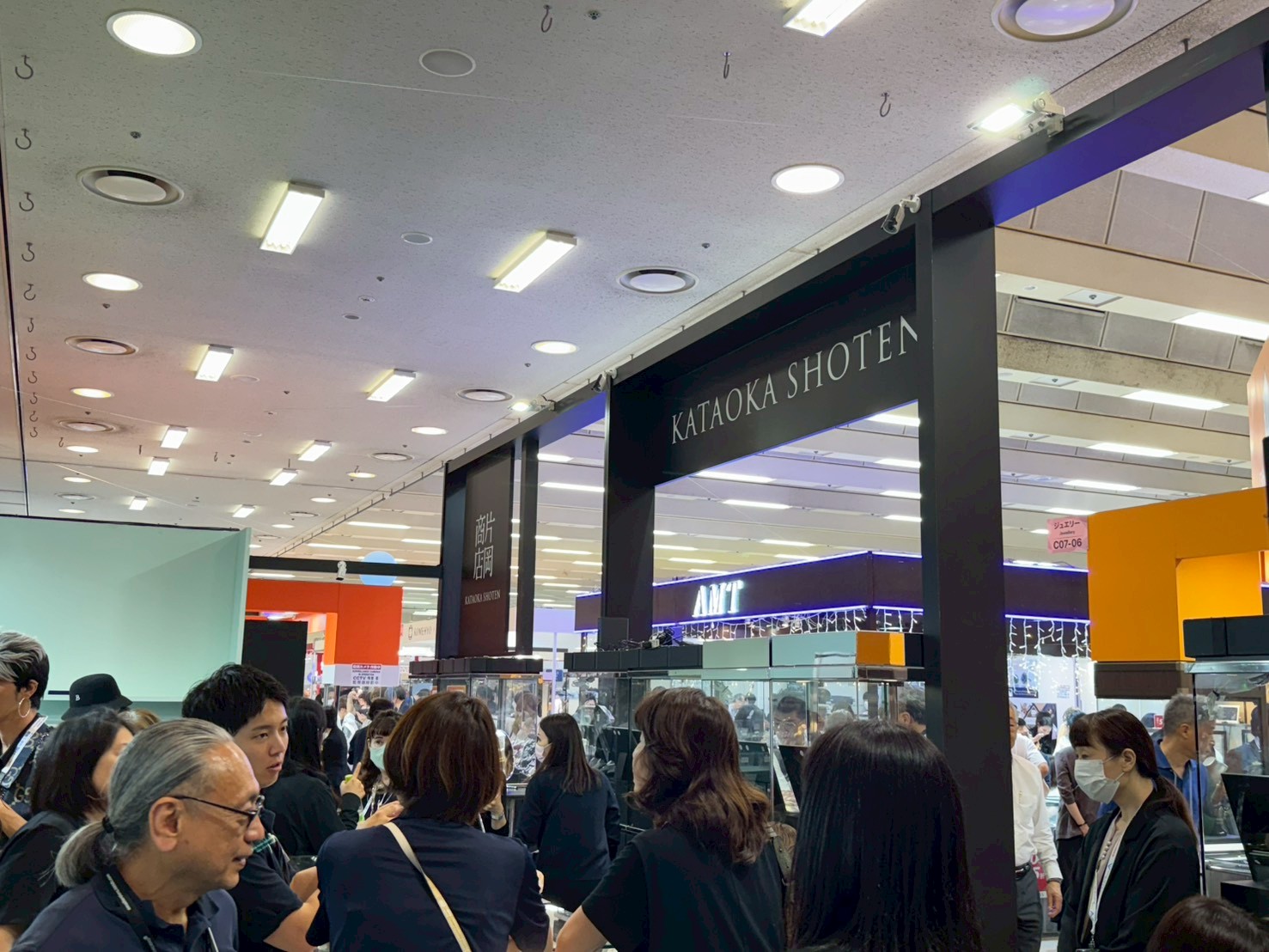
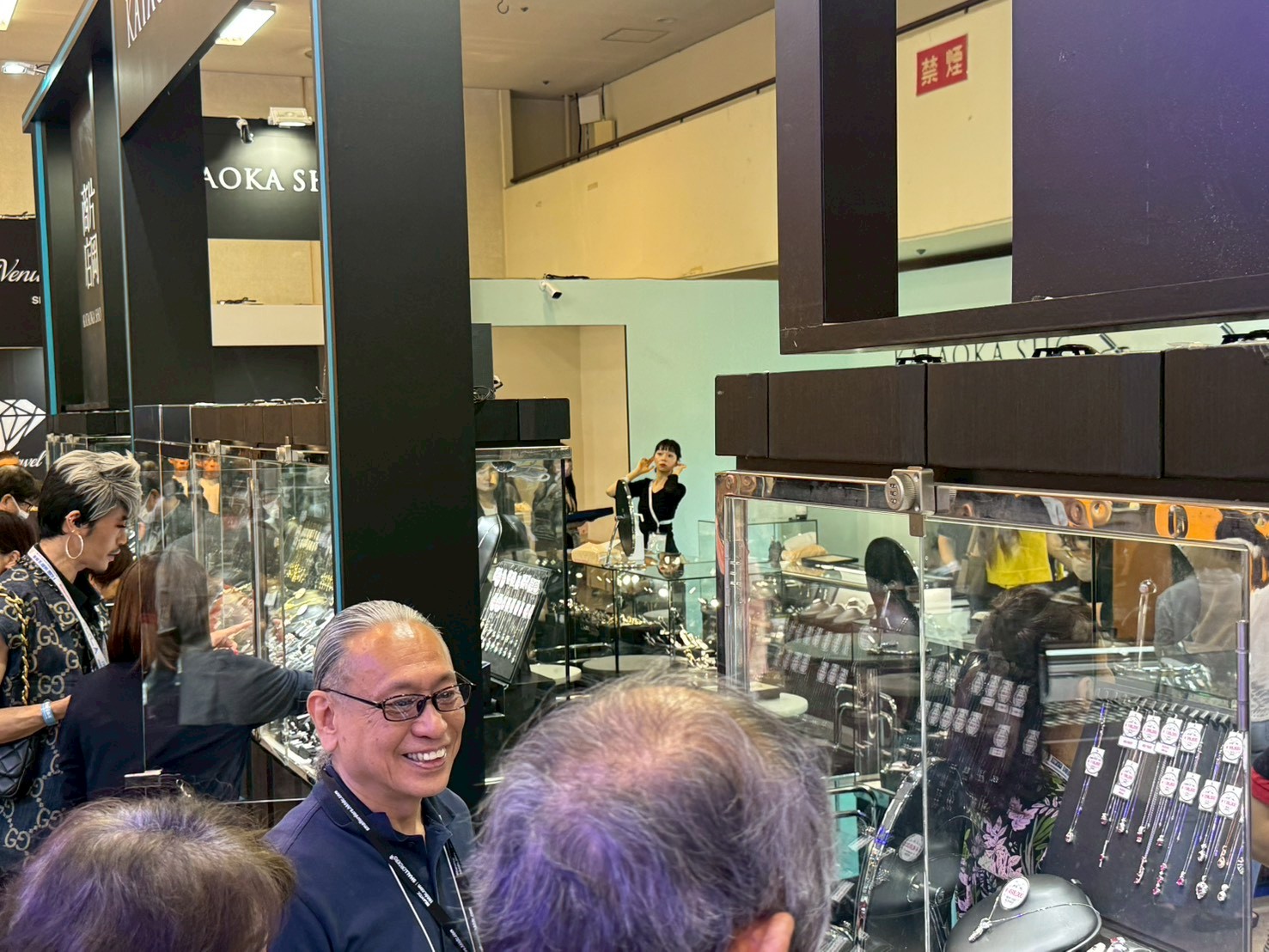
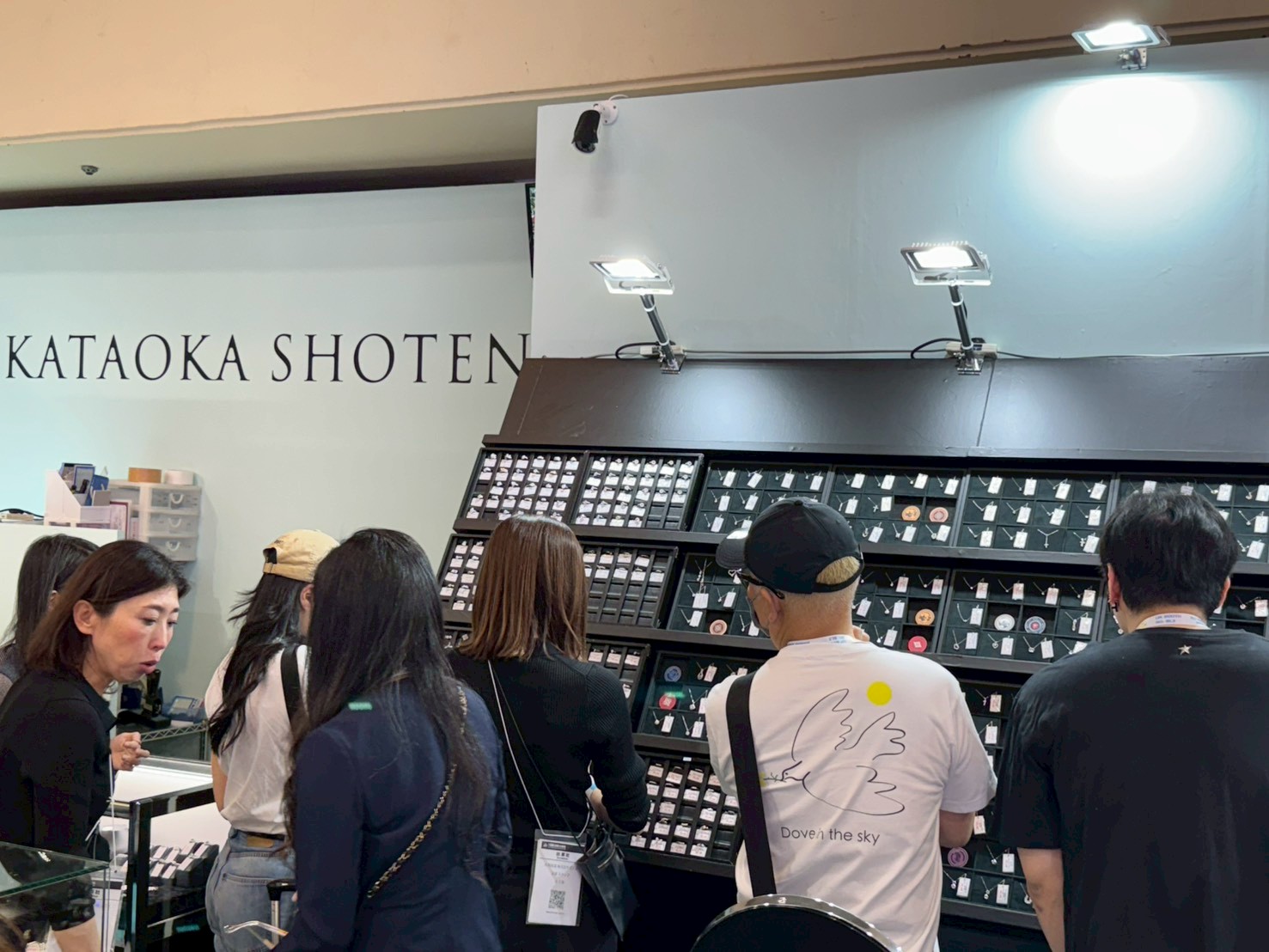
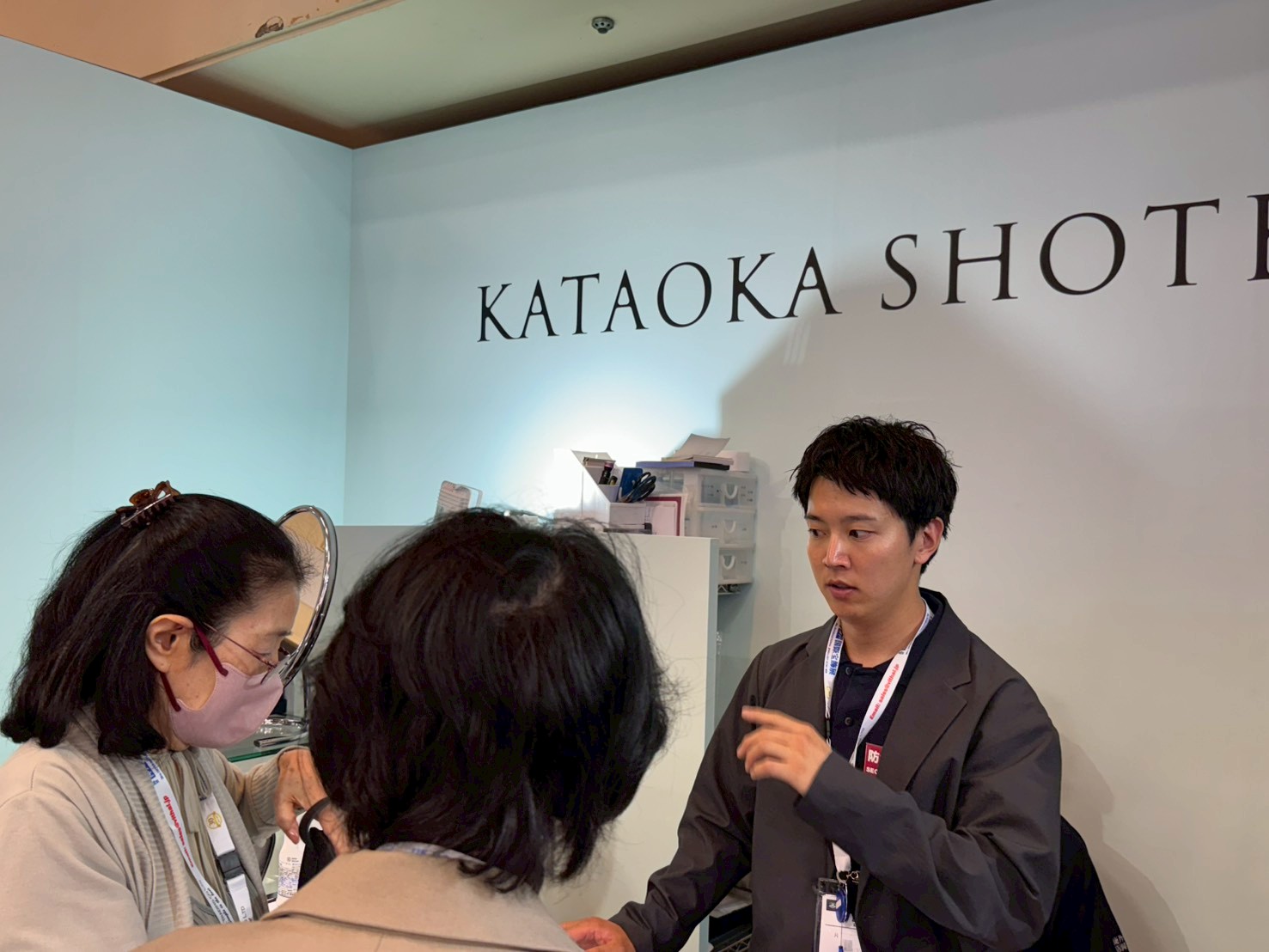
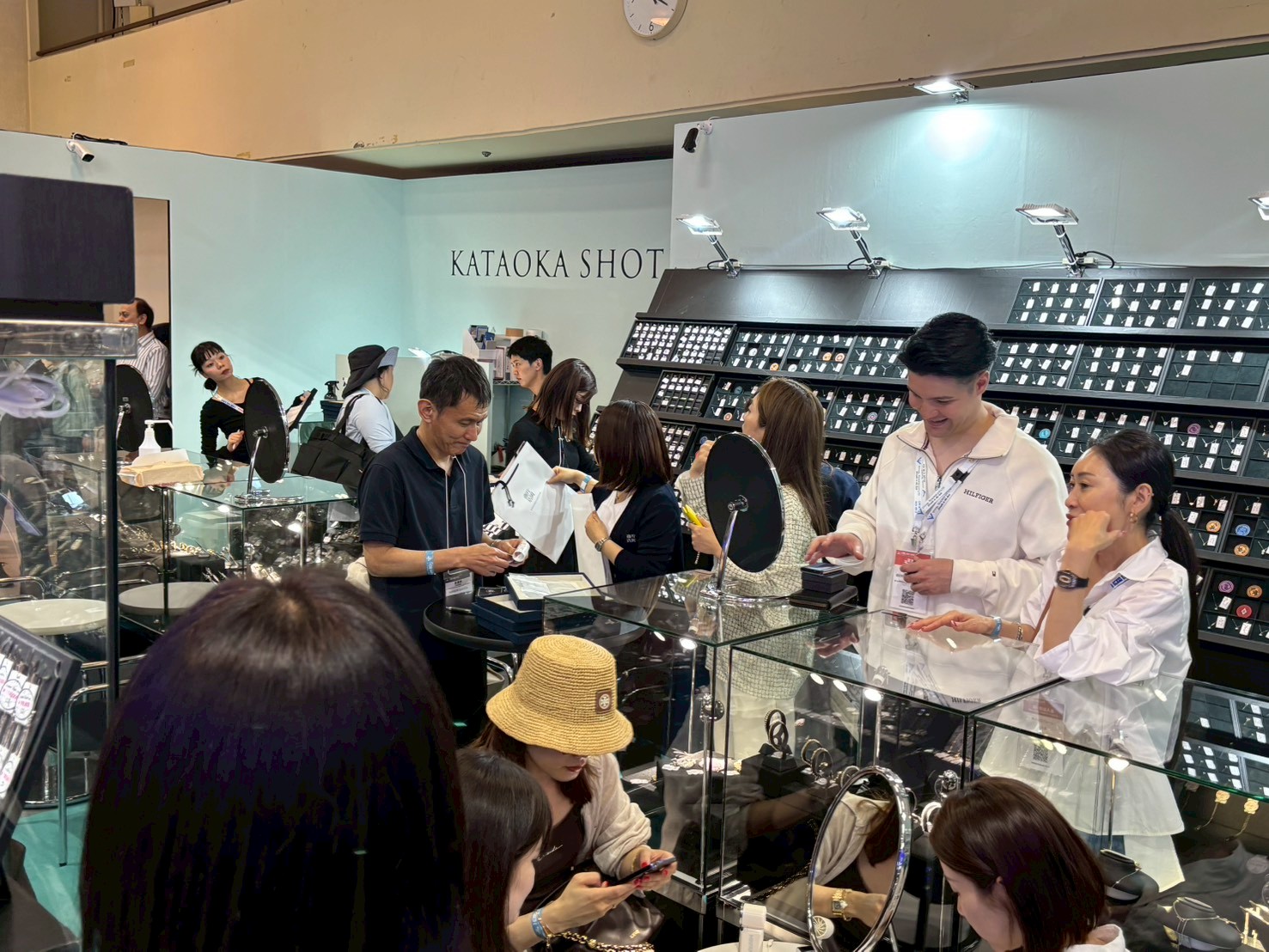
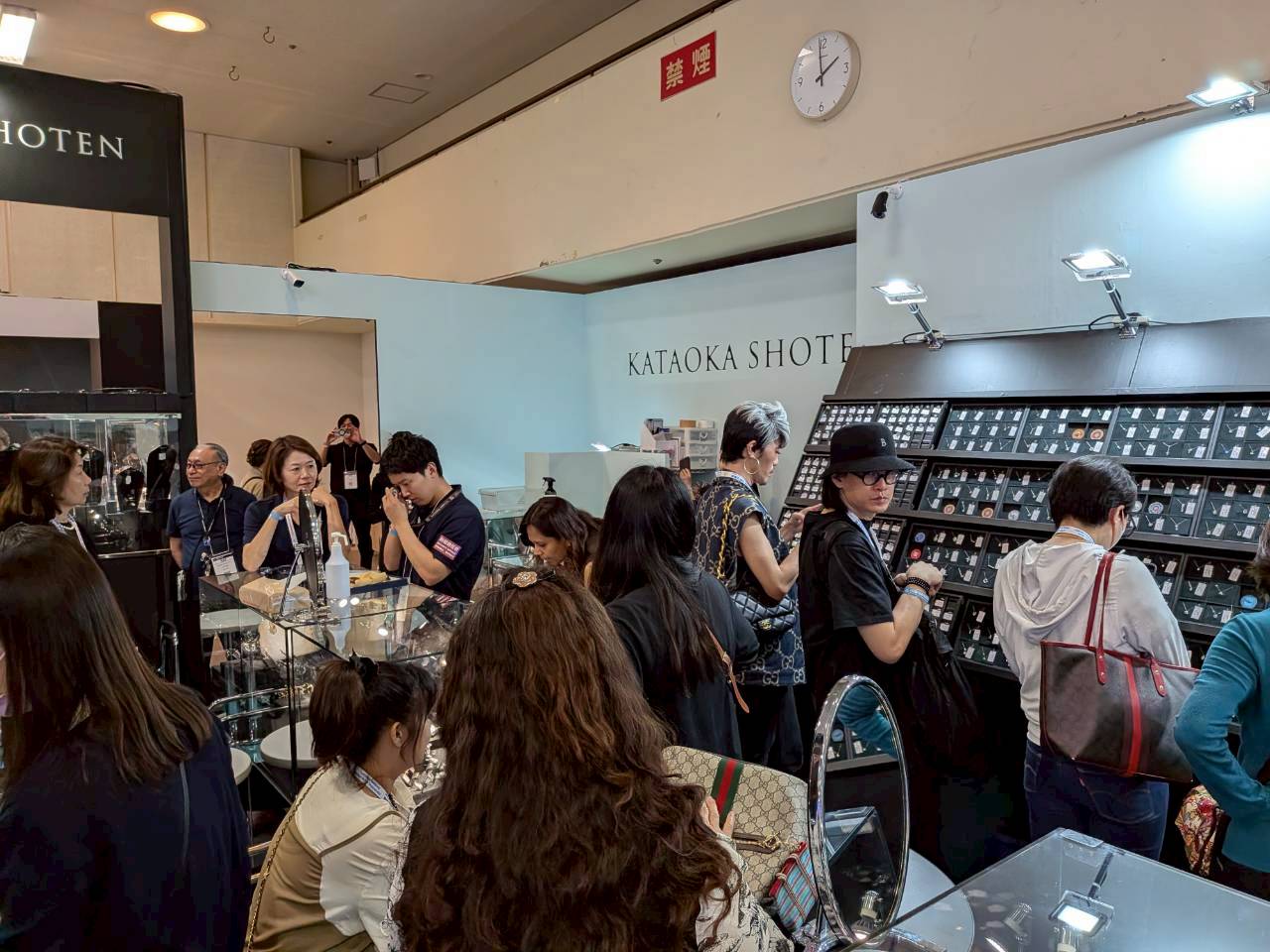
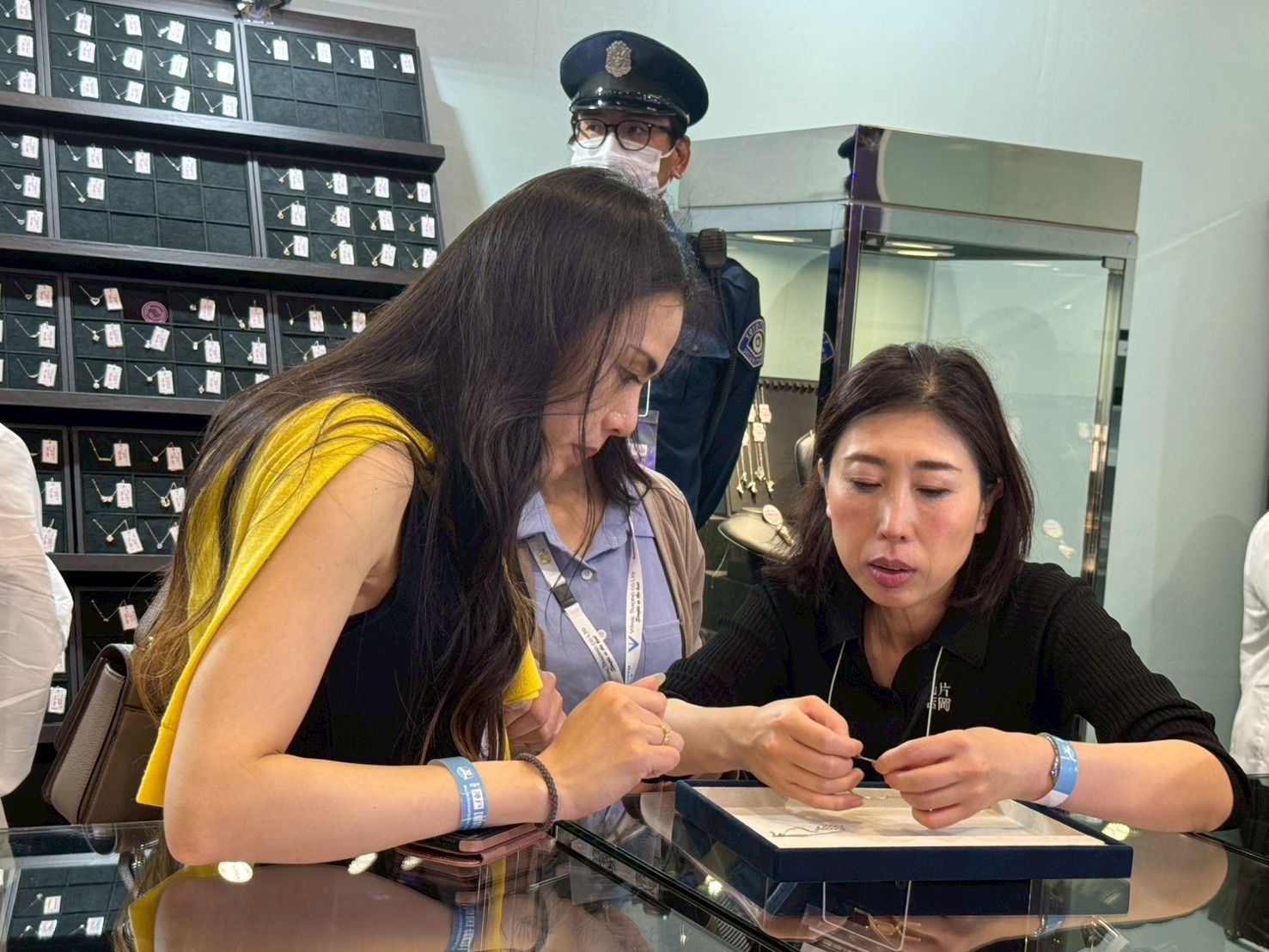
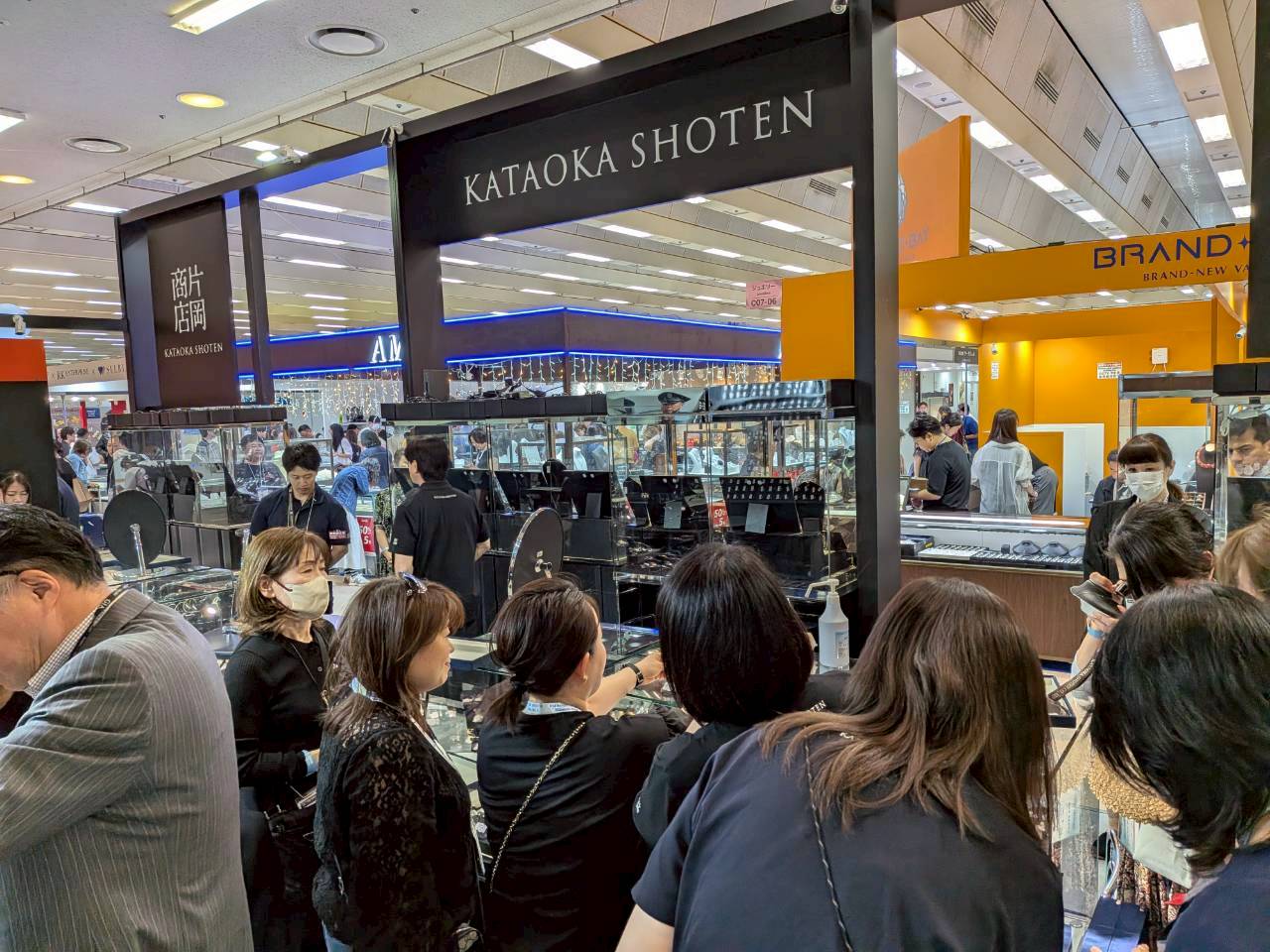
We exhibited at the 30th Kobe International Jewelry Exhibition (IJK 2026), held at the Kobe International Exhibition Hall from May 14 to 16, 2026.
The current global situation is exerting complex and multifaceted effects on the jewelry industry. In particular, the rise in geopolitical risks, ongoing inflation, currency fluctuations, and soaring resource prices are reshaping the very structure of the jewelry industry. It seems to be a time to closely monitor how these developments are influencing the jewelry industry as it enters a new phase, and to consider the changes that lie ahead.
In recent years, geopolitical risks have affected not only our industry but a wide range of sectors, increasing uncertainty across the global economy. There has been a growing shift of investment capital into safe haven assets, driving up precious metal prices, particularly gold, and keeping gold at record-high levels. Concerns over inflation and political instability have led to a surge in global demand for gold as a safe haven asset. As a result, the cost of raw materials for jewelry has risen sharply, making price increases for finished products unavoidable.
Rising raw material costs are reshaping the market structure. Gold prices rose significantly in 2025, remaining around 20,000 yen per gram and driving up overall jewelry prices. These rising costs are squeezing corporate profitability while also altering consumer purchasing behavior. As prices have risen, demand for lower‑priced products has declined, while interest in mid‑ to high‑priced items with stronger asset value has increased. It appears that demand patterns may become increasingly polarized in the future.
While affluent consumers are increasing their investment in high‑priced products as a hedge against inflation and for asset preservation, general consumers are becoming more cautious in their purchasing due to rising prices. Jewelry demand is increasingly polarizing between high‑priced items valued as assets and lower‑priced items purchased primarily for accessory. Although firm demand for high priced, investment oriented jewelry is a positive sign, the contraction in casual jewelry sales caused by surging raw material costs is exerting significant pressure on the industry.
The surge in raw material costs is prompting shifts in many corporate strategies. To cope with rising raw material costs, an increasing number of companies are adopting designs that reduce gold usage and are actively incorporating alternative materials. In addition, the expansion of online sales and the growing reuse market are clearly visible, and the distribution structure of the jewelry industry is diversifying beyond traditional physical stores. This shift is expected to accelerate even further. The industry appears poised for significant change as companies respond to the weaker yen and rising import costs.
While general demand for jewelry is slowing, the industry continues to expand, supported by higher unit prices driven by rising costs. As long as gold and platinum prices continue to surge, jewelry is likely to strengthen its dual role as both an adornment and an investment, further solidifying its position as a form of asset. Furthermore, as digitalization advances, consumer markets are becoming increasingly international, and intensifying competition is likely to drive further market expansion.
Consumer values are also shifting, particularly among younger generations. The belief that products must be completely new has been fading over time, and we are now in an era where unique pieces, vintage items, and sustainability are increasingly valued. With growing awareness of environmental issues, choosing reused products is increasingly being accepted as a smart form of consumption. The concept of sustainable luxury, which has been gaining traction especially in Europe and the United States, is likely to spread further across the globe.
As shifting consumer values drive rapid growth in the reuse market, the line between new and pre‑owned products is becoming increasingly blurred, and the structure of the industry itself is beginning to change. Japan’s market for reused jewelry continues to expand, supported by strong recognition and high demand from overseas. While the value of brand‑new jewelry as adornment or luxury remains important, the market has shifted toward an era in which the asset value and rarity of reused pieces are increasingly emphasized. Japan’s market for reused jewelry remains supported by solid global demand, and continued interest from affluent consumers in Asia suggests further growth in the future.
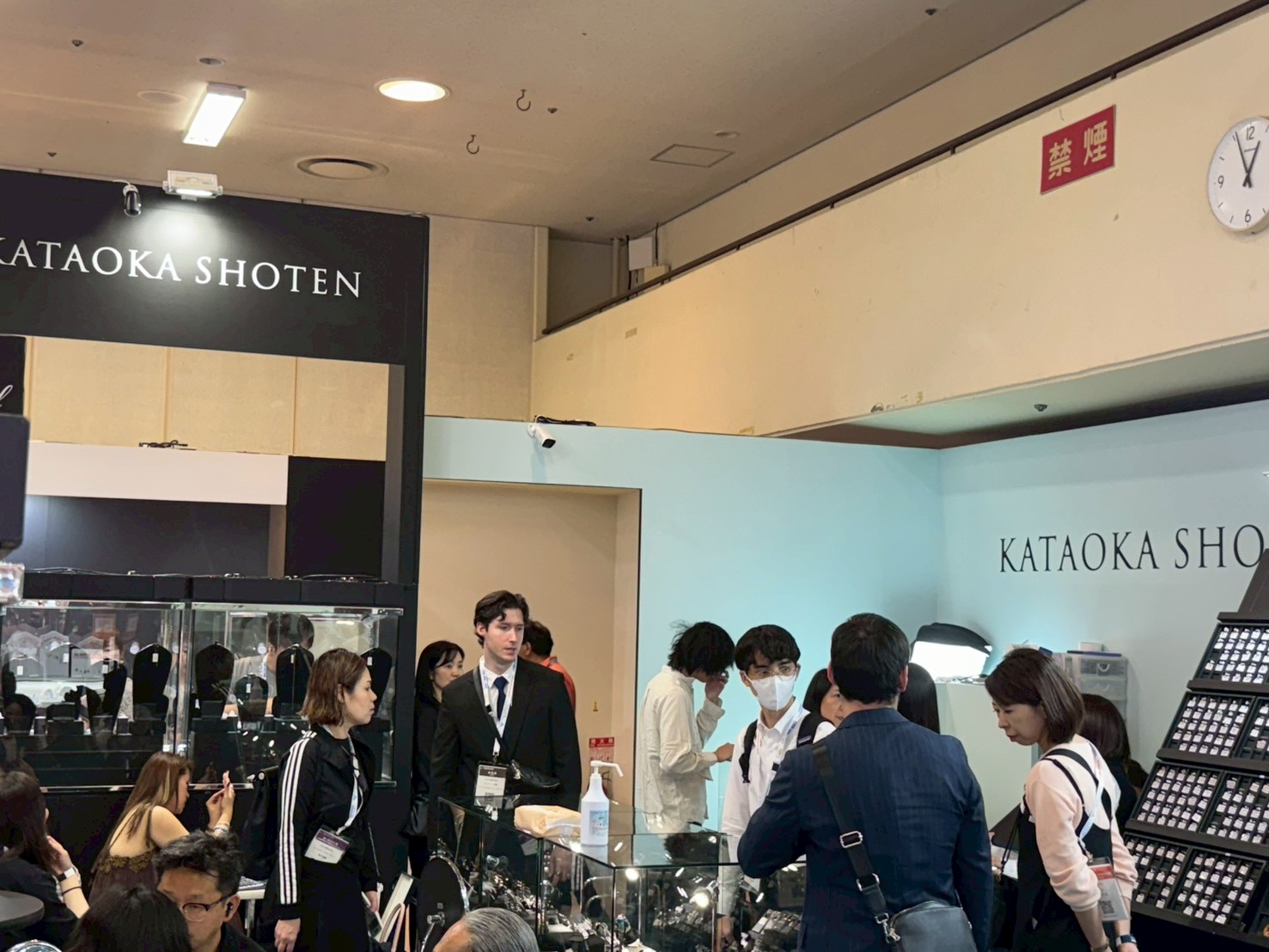
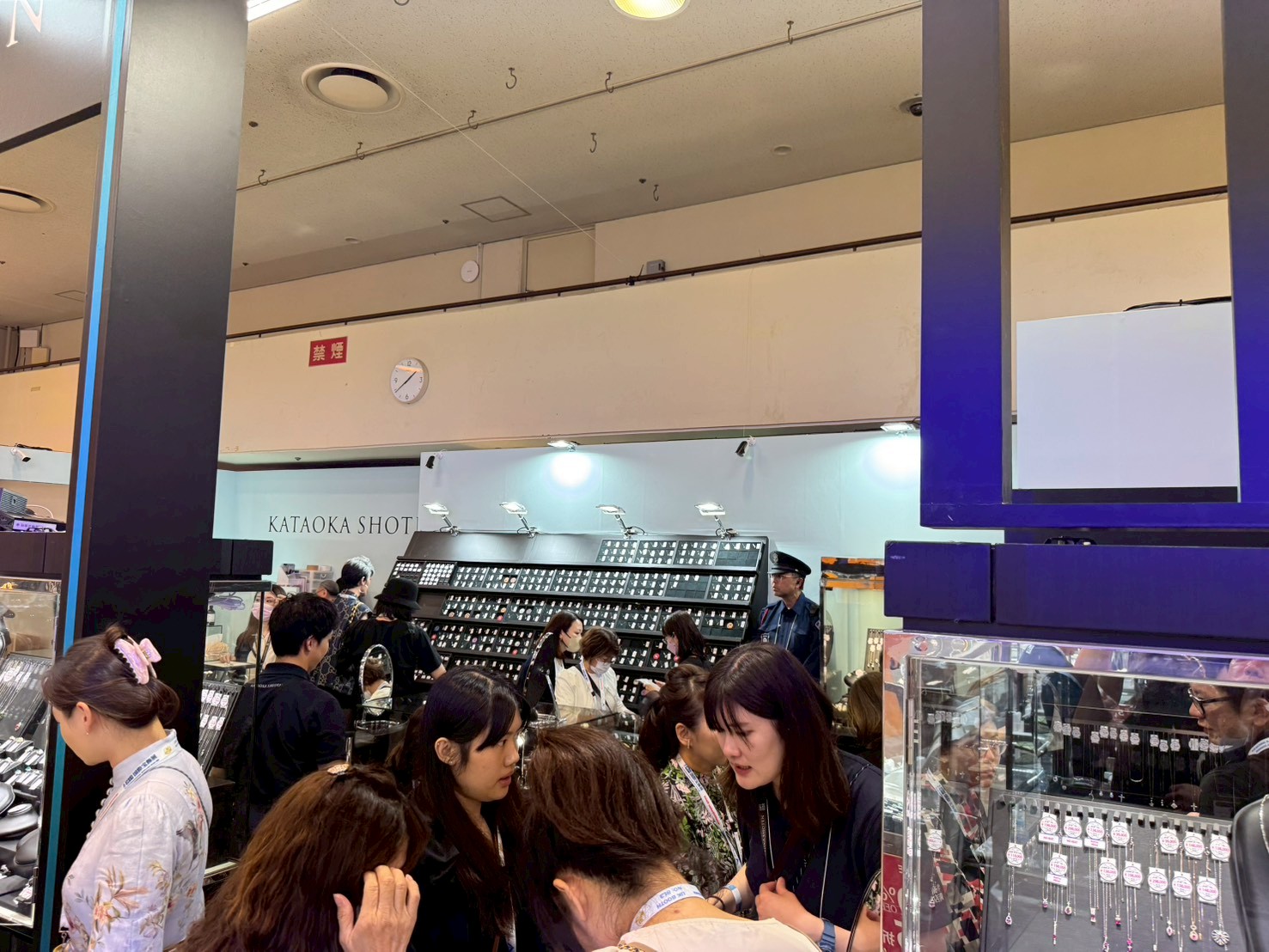
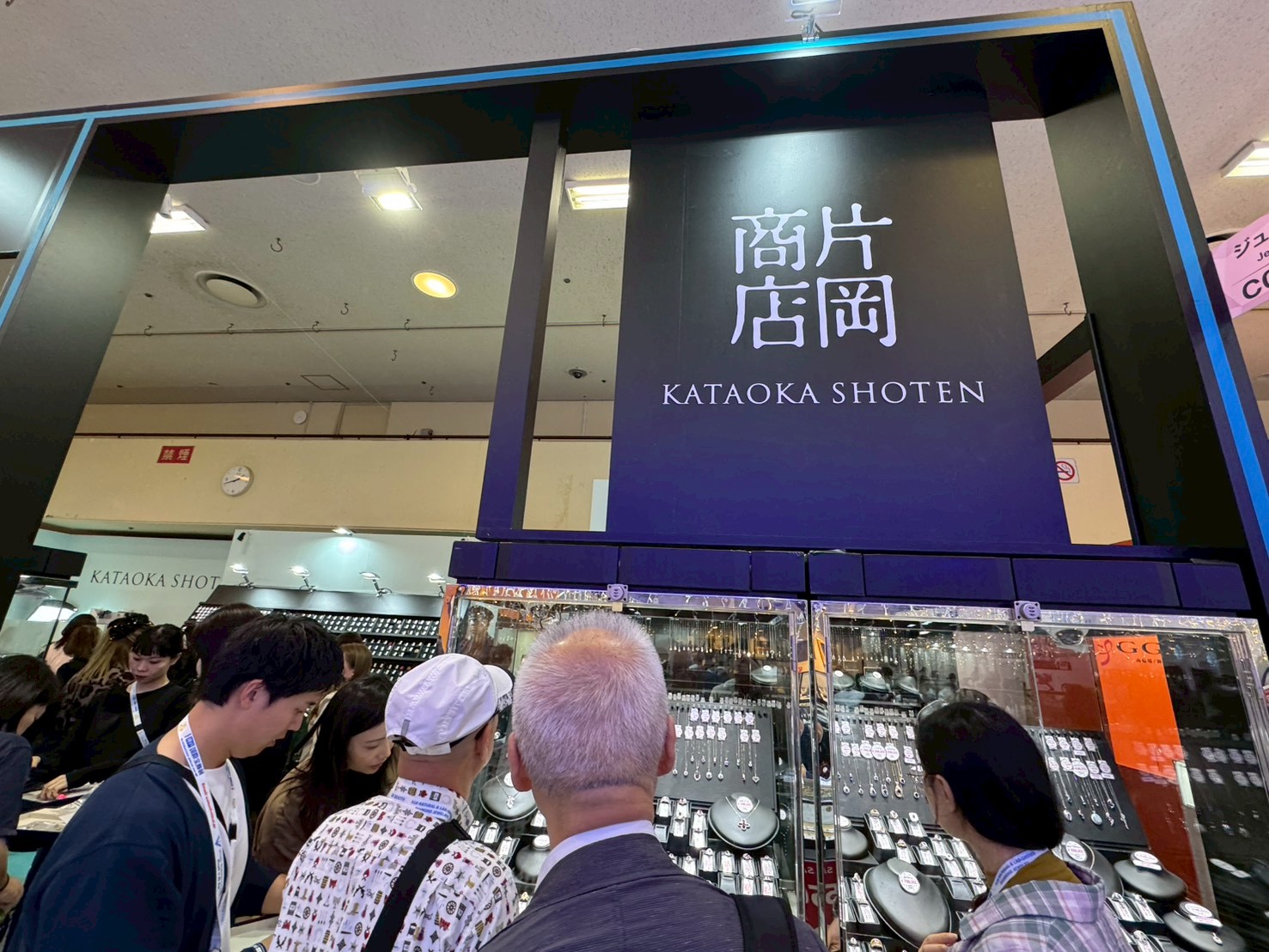
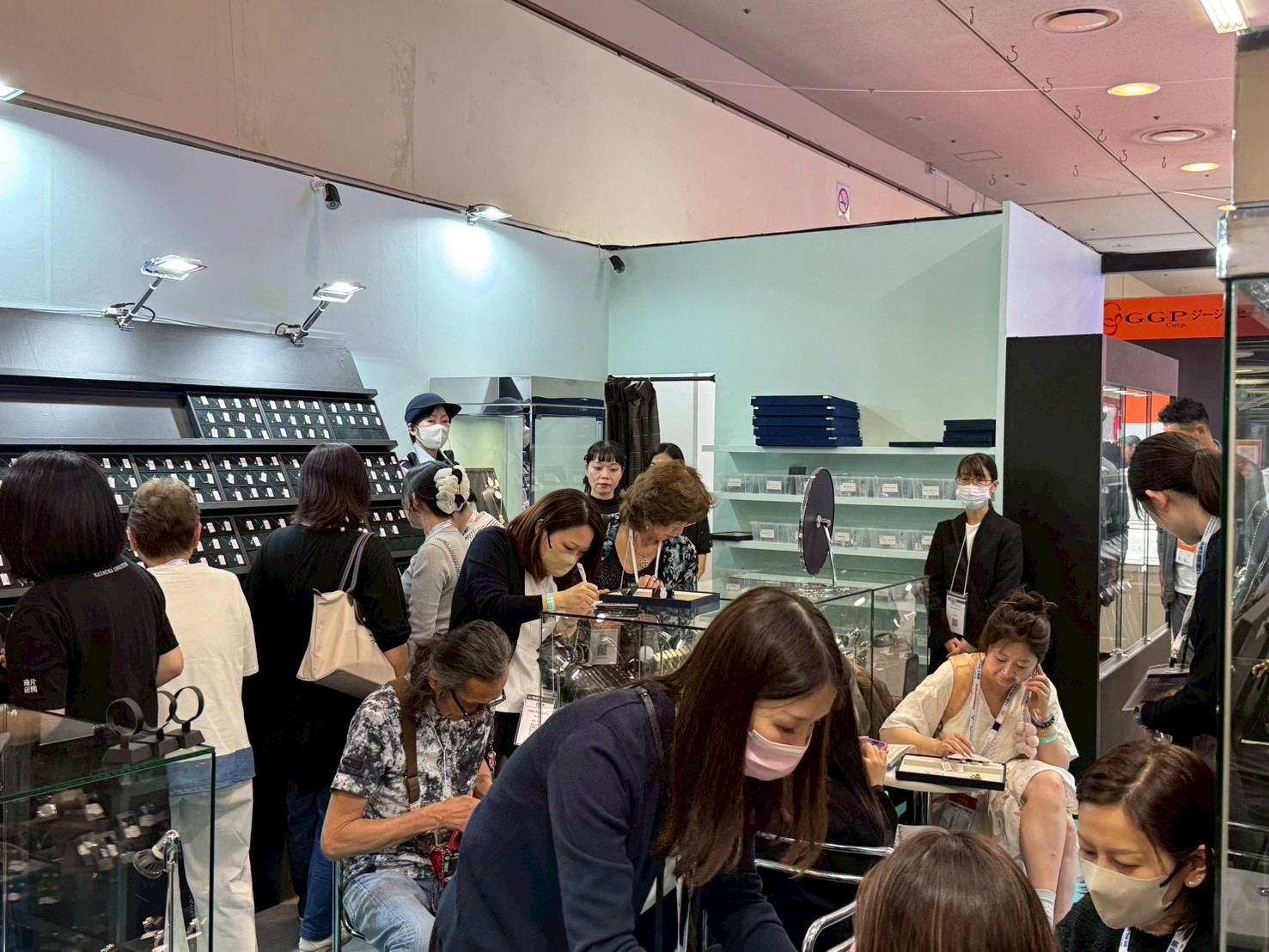
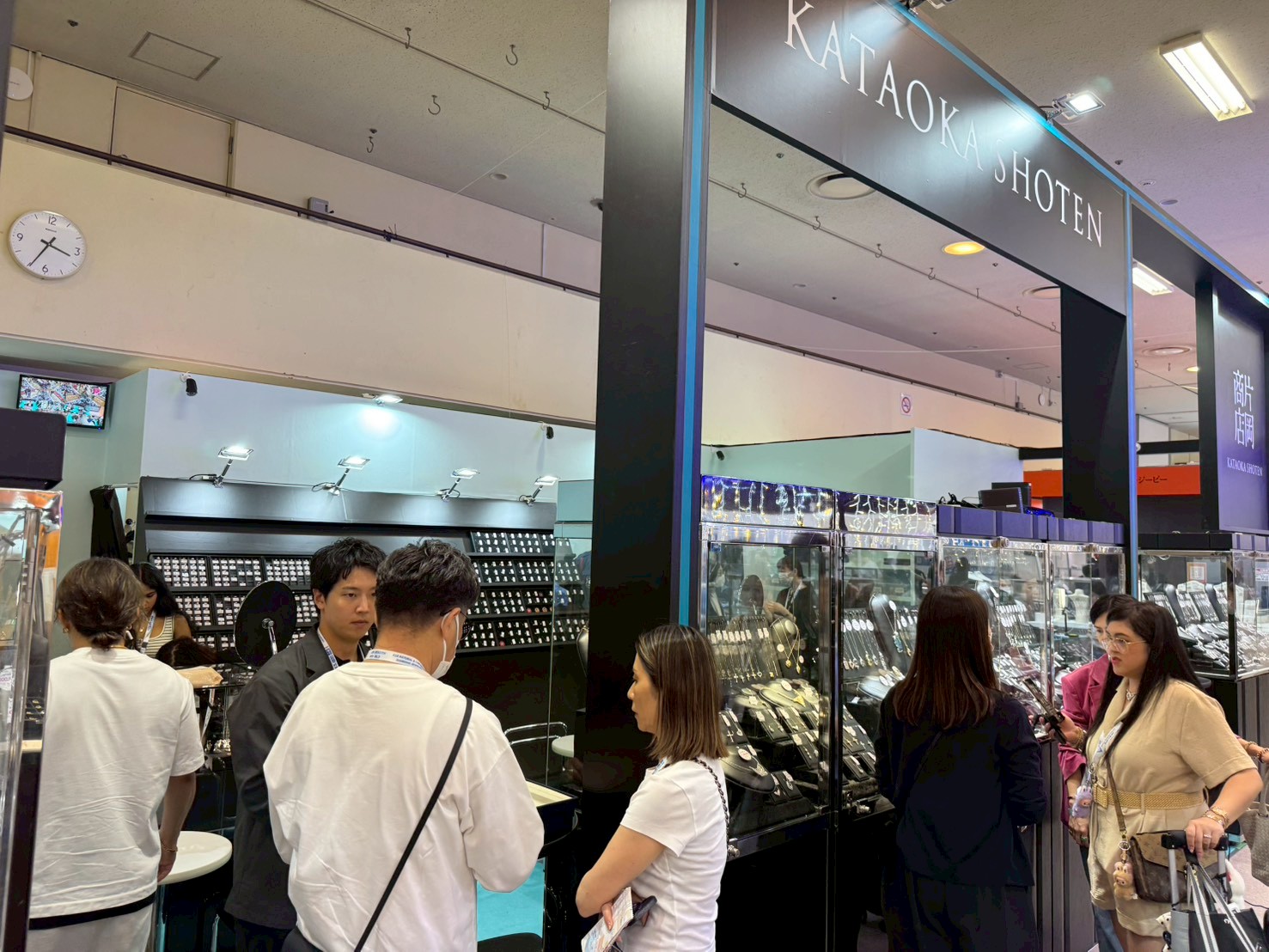
Against this backdrop in the jewelry industry, the Kobe jewelry show held this time conveyed an atmosphere that strongly reflected the current market conditions. Although the first day saw a reasonable number of visitors, the event as a whole over the three days lacked the usual level of activity compared with previous years. In particular, the number of Japanese buyers was noticeably low, and it appears to be declining year by year. In the current retail environment, the reality is that merchandise purchased at today’s inflated prices is proving difficult to sell.
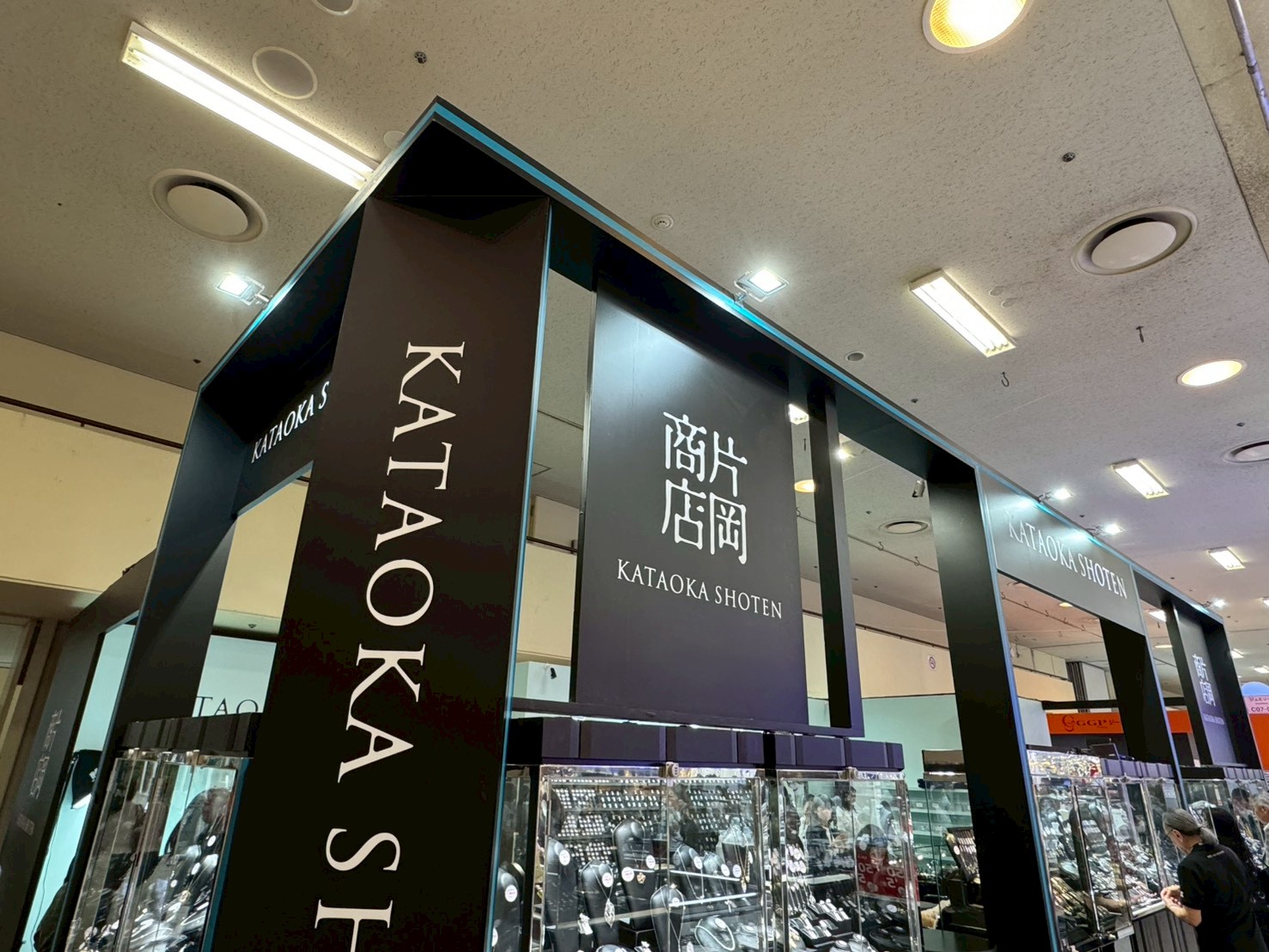
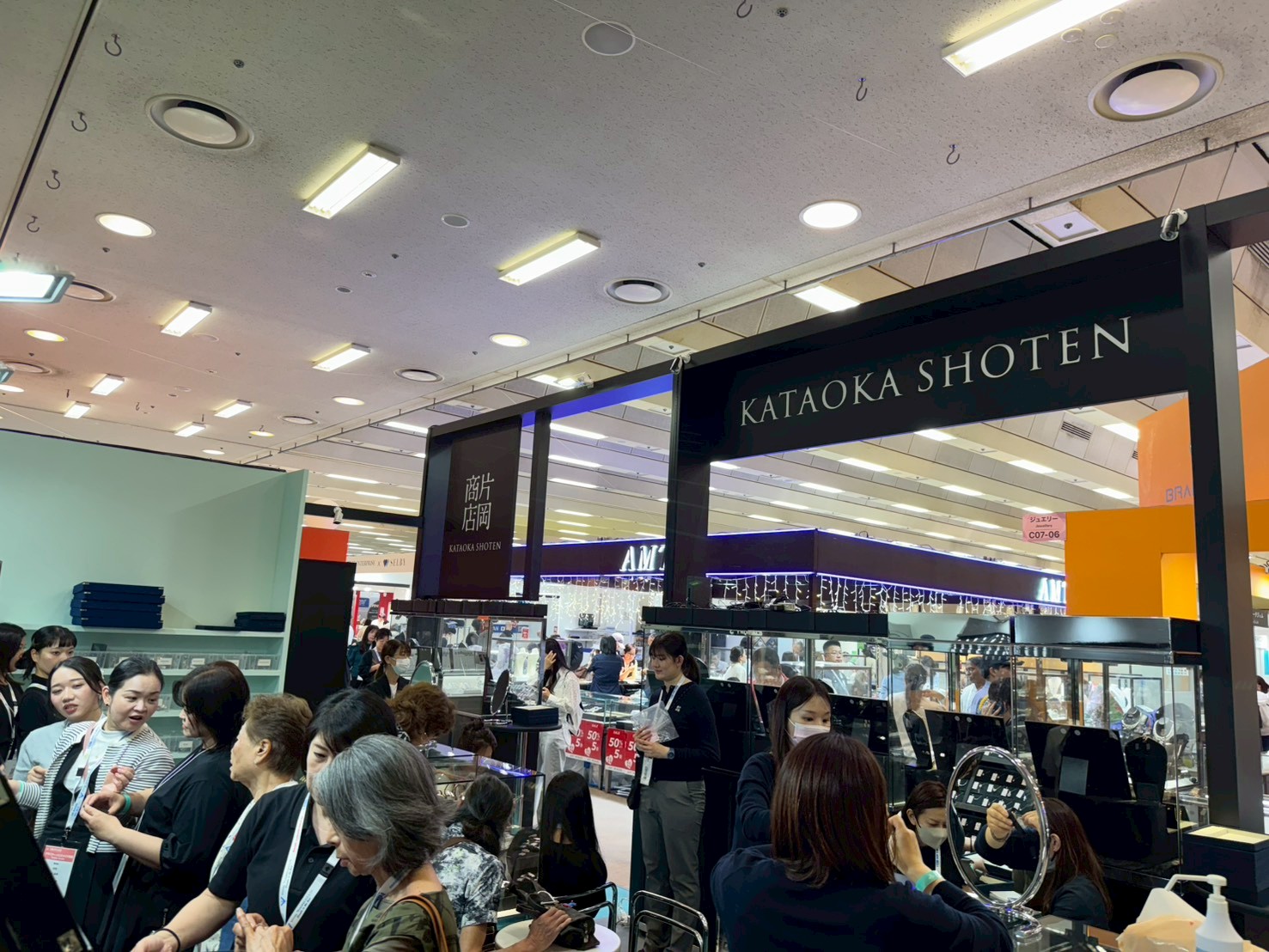
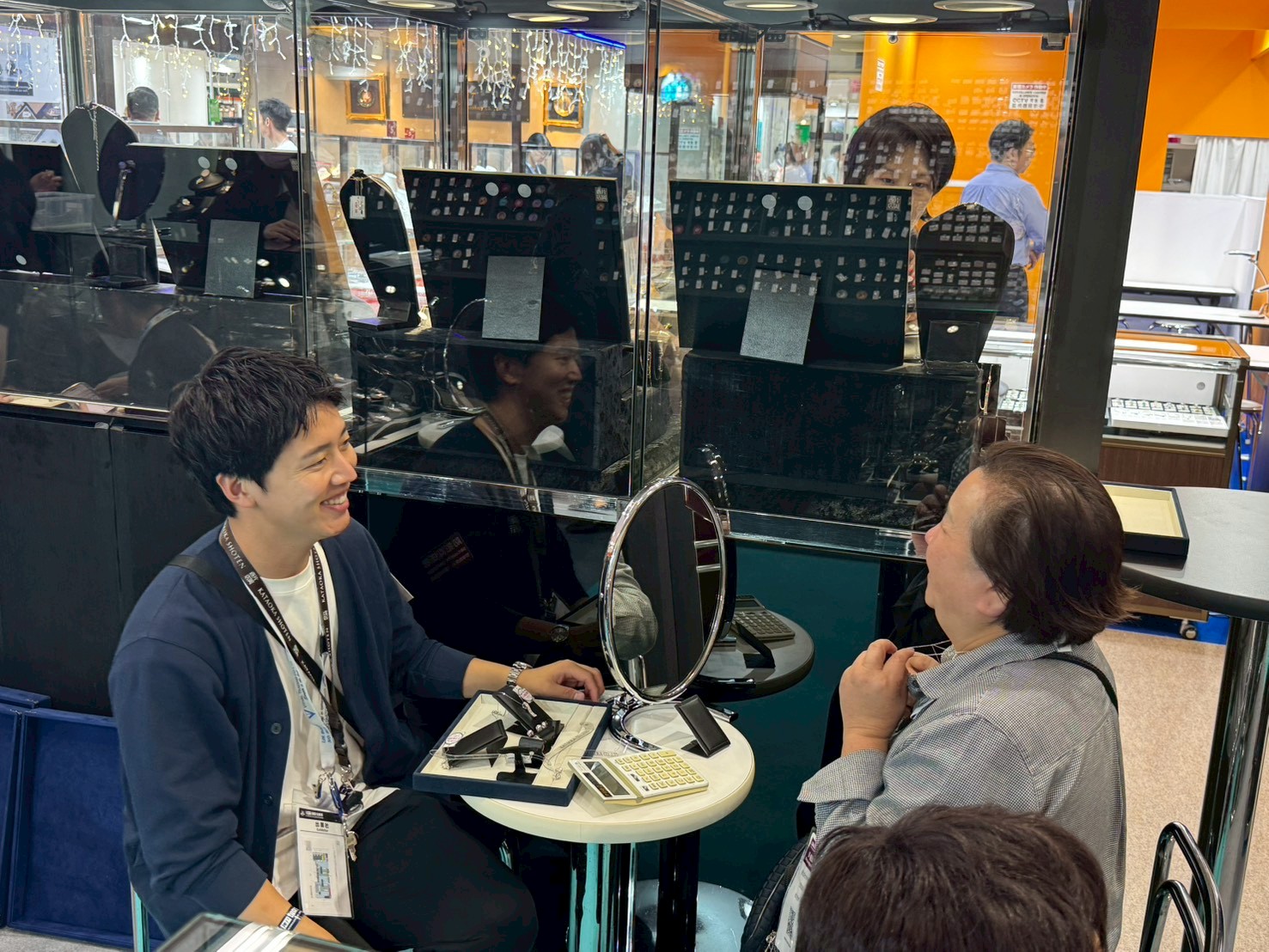
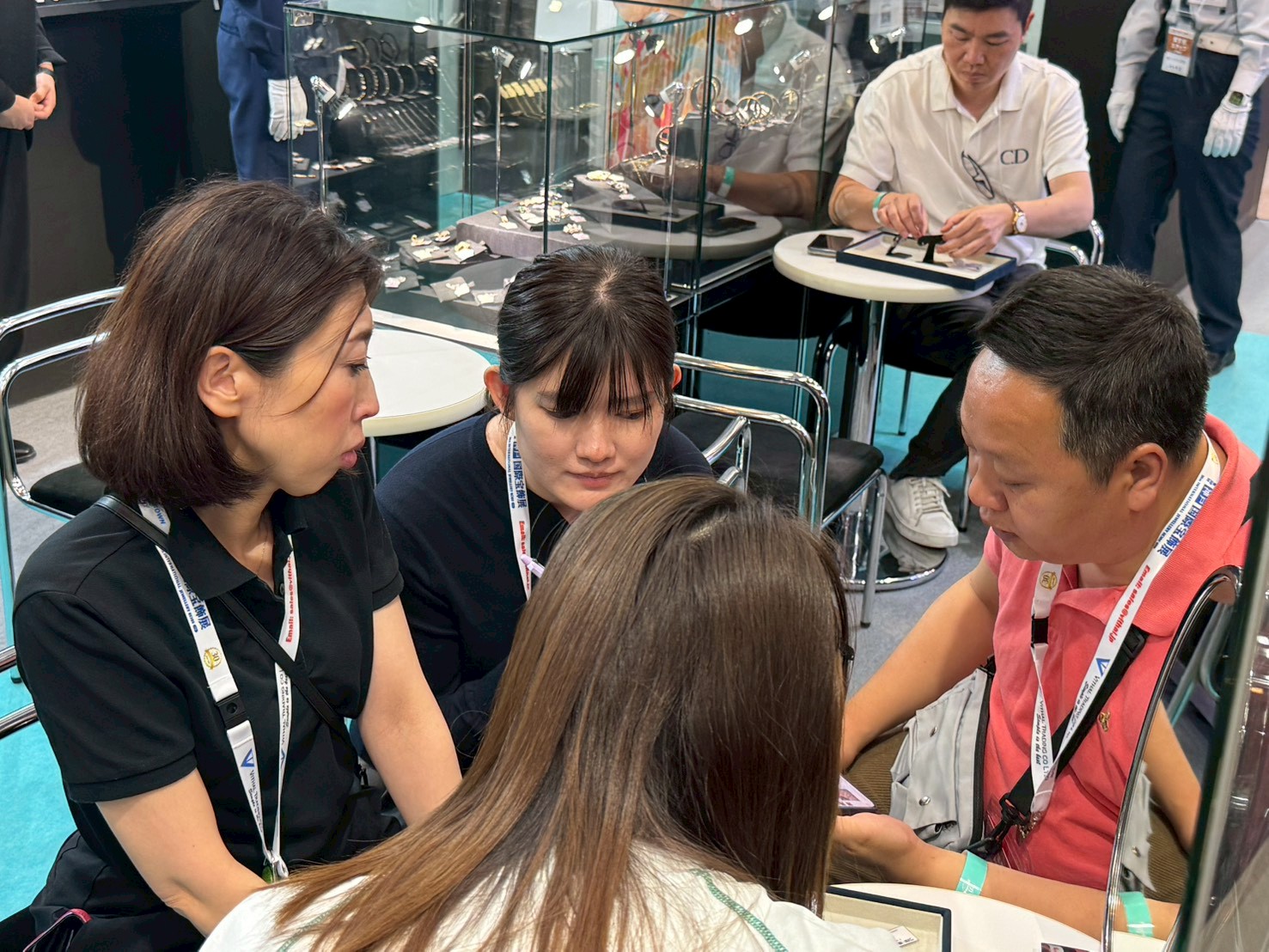
In contrast, the live‑commerce event held on the day before the jewelry show appears to have performed quite well. Many of the exhibiting companies had anticipated this situation in advance and shifted their efforts toward the live‑commerce event instead. Although live commerce now feels somewhat saturated, there still appears to be solid demand for Japanese jewelry. Sales through social media and other online channels are becoming a larger market than physical stores, reflecting a clear shift in the times.
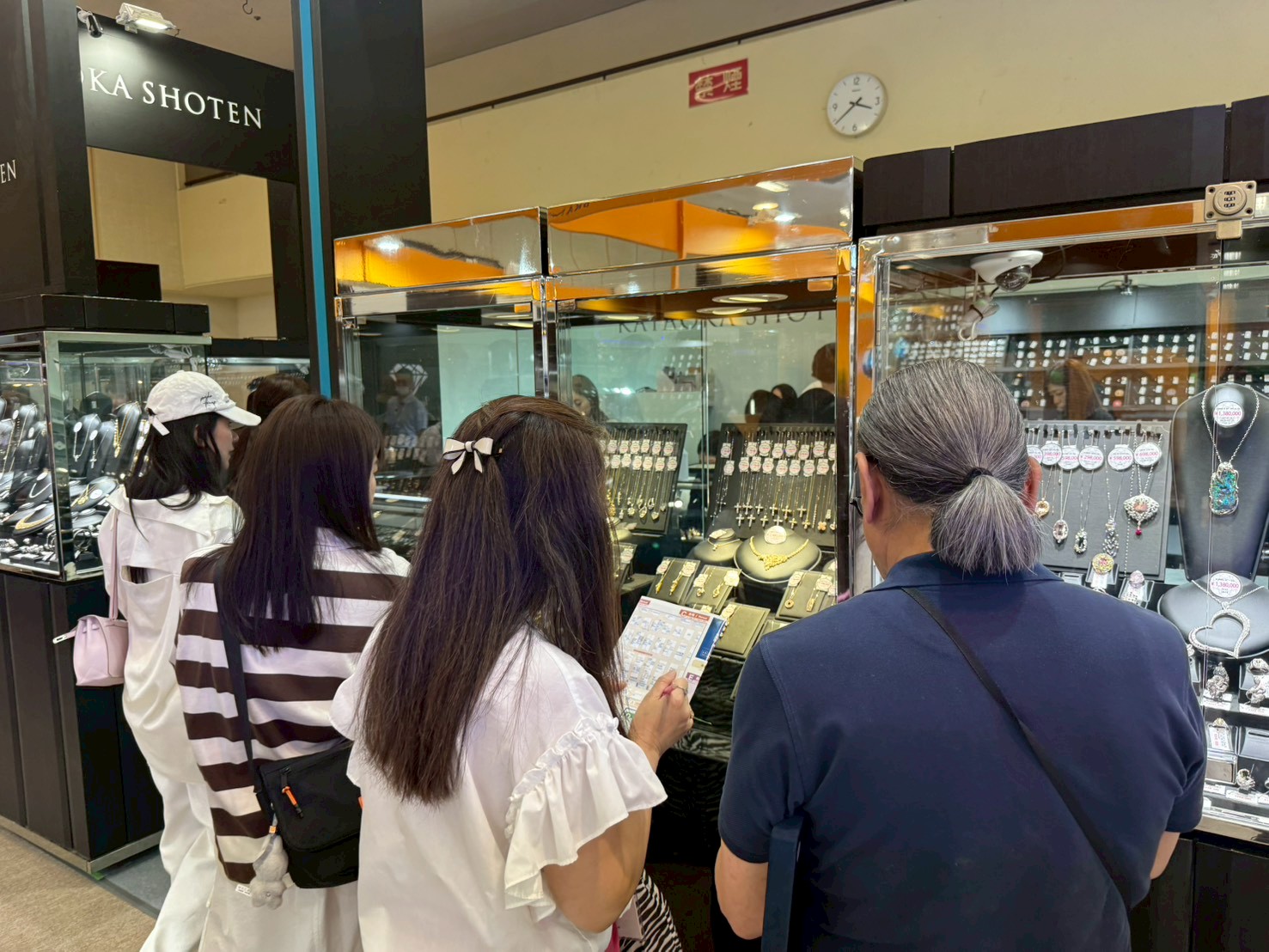
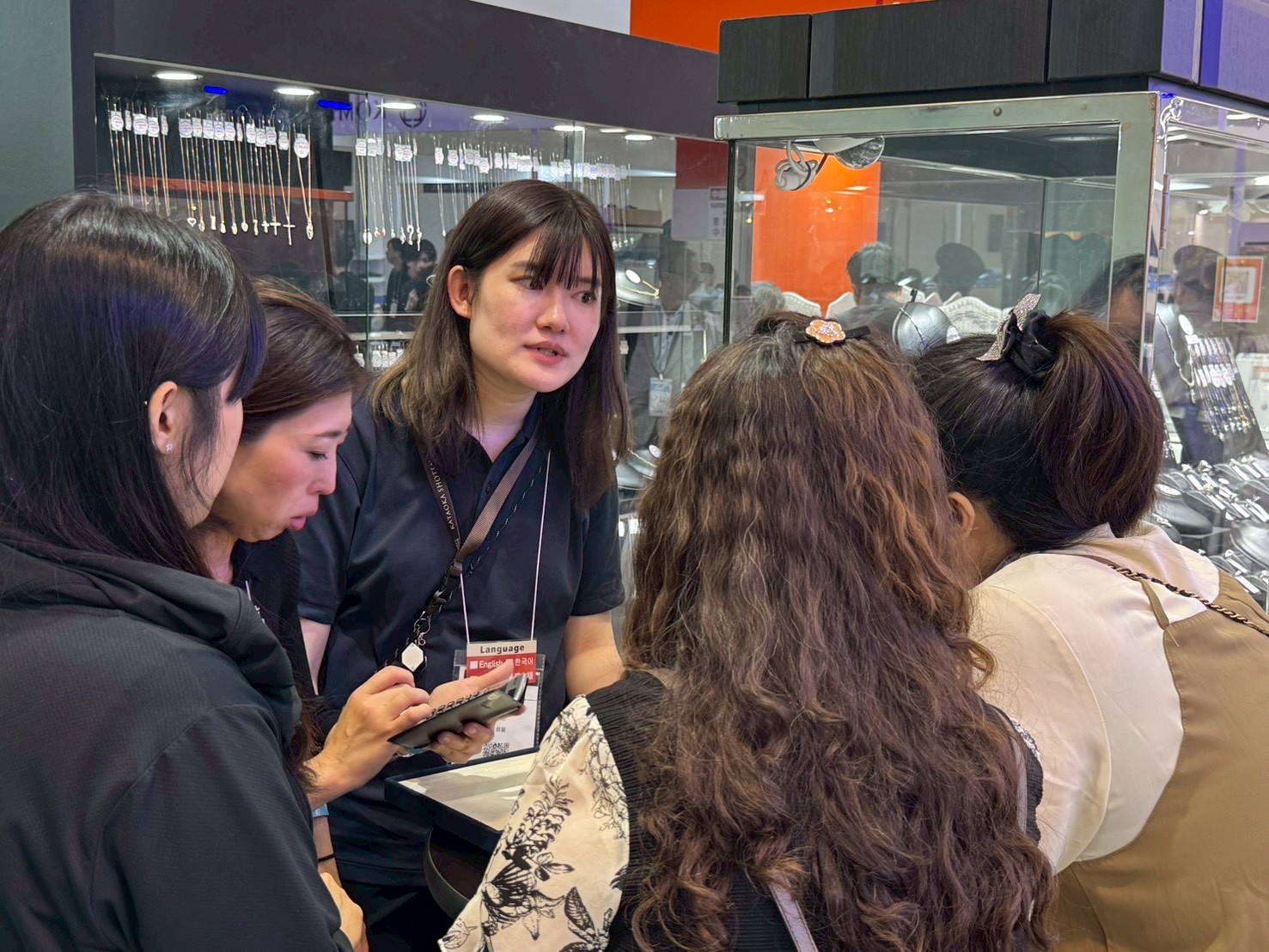
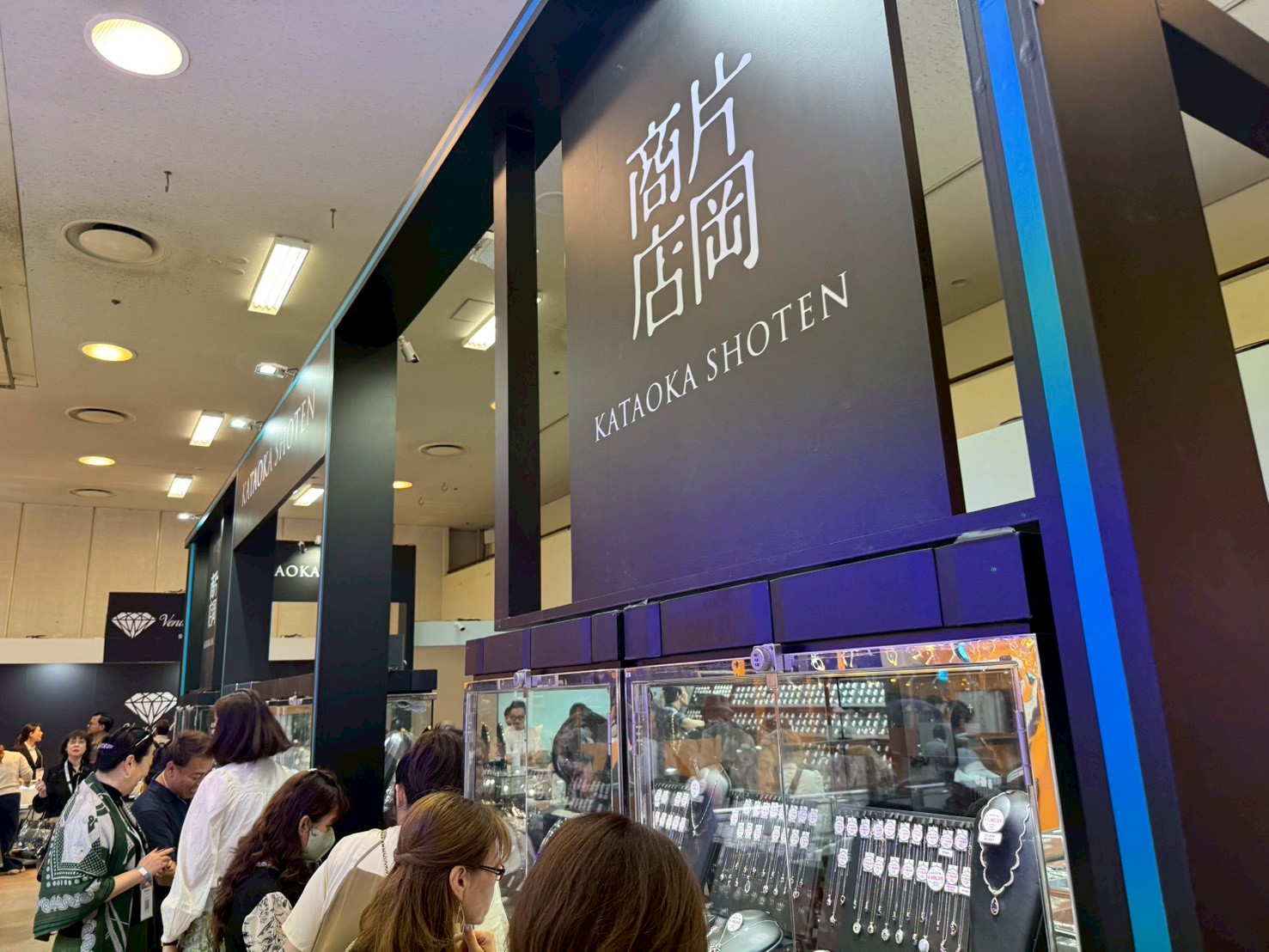
Previously, the market price for jewelry fluctuated in a vertical structure, influenced by both wholesale and retail pricing. However, pricing is now largely shaped by horizontal trading between dealers, and even amid soaring prices, transactions are carried out without being affected by traditional vertical market trends. Judging from this jewelry show, many exhibitors were visited by professional buyers who specialize in market pricing, and it seemed that a large number of companies generated significant sales through dealer‑to‑dealer transactions.
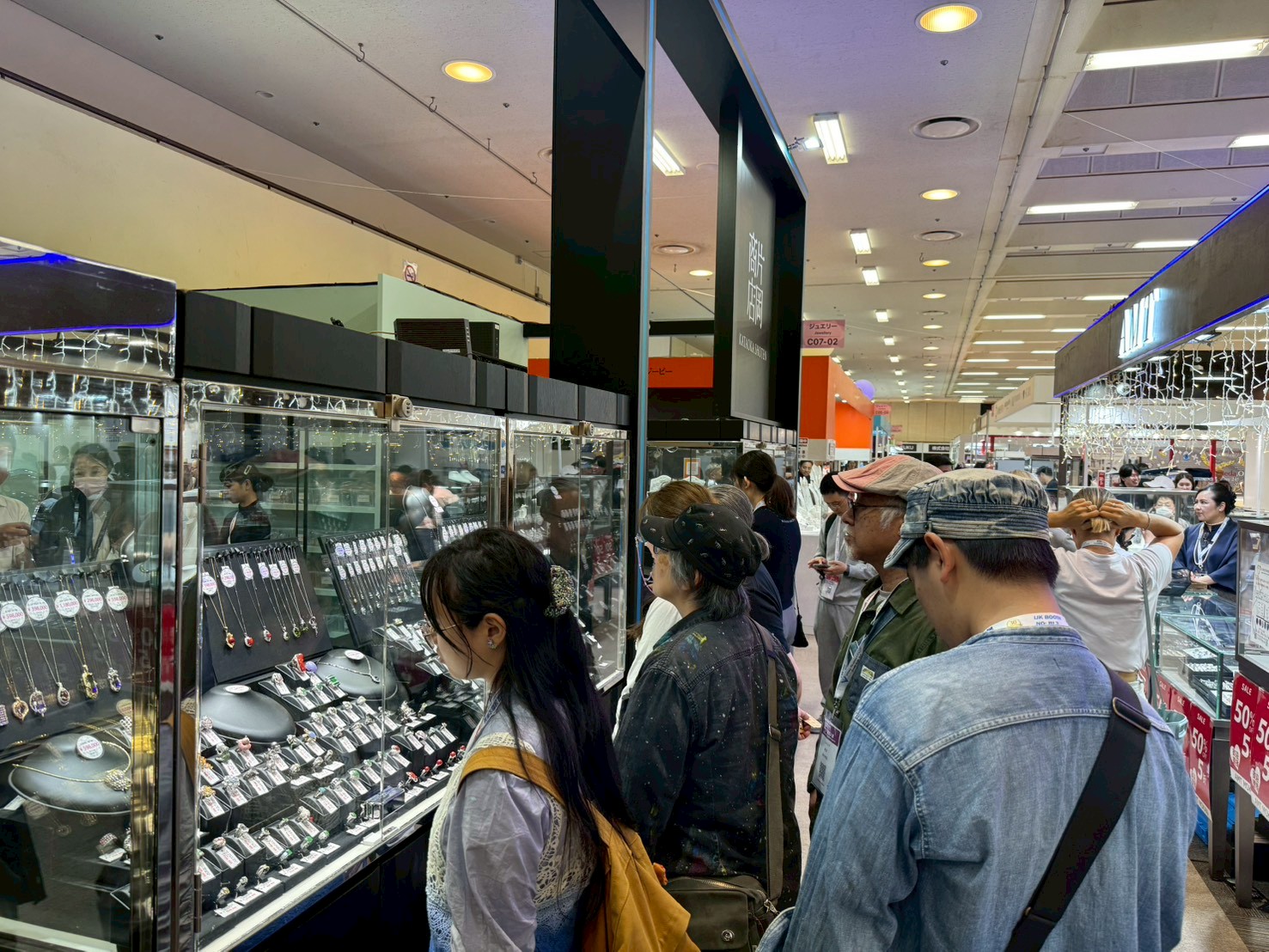
By exhibiting at this jewelry show, I strongly felt that the jewelry industry has entered a new phase, taking on a different form than before. Given the current situation in which past assumptions no longer hold, we now find ourselves needing to adapt to a future that will continue to undergo further change. We will continue to do our best to ensure that you will want to visit our booth at future shows as well. To everyone who stopped by this time, thank you very much. We sincerely appreciate your support, and we look forward to seeing you again at the next jewelry show.