 user1
user1 
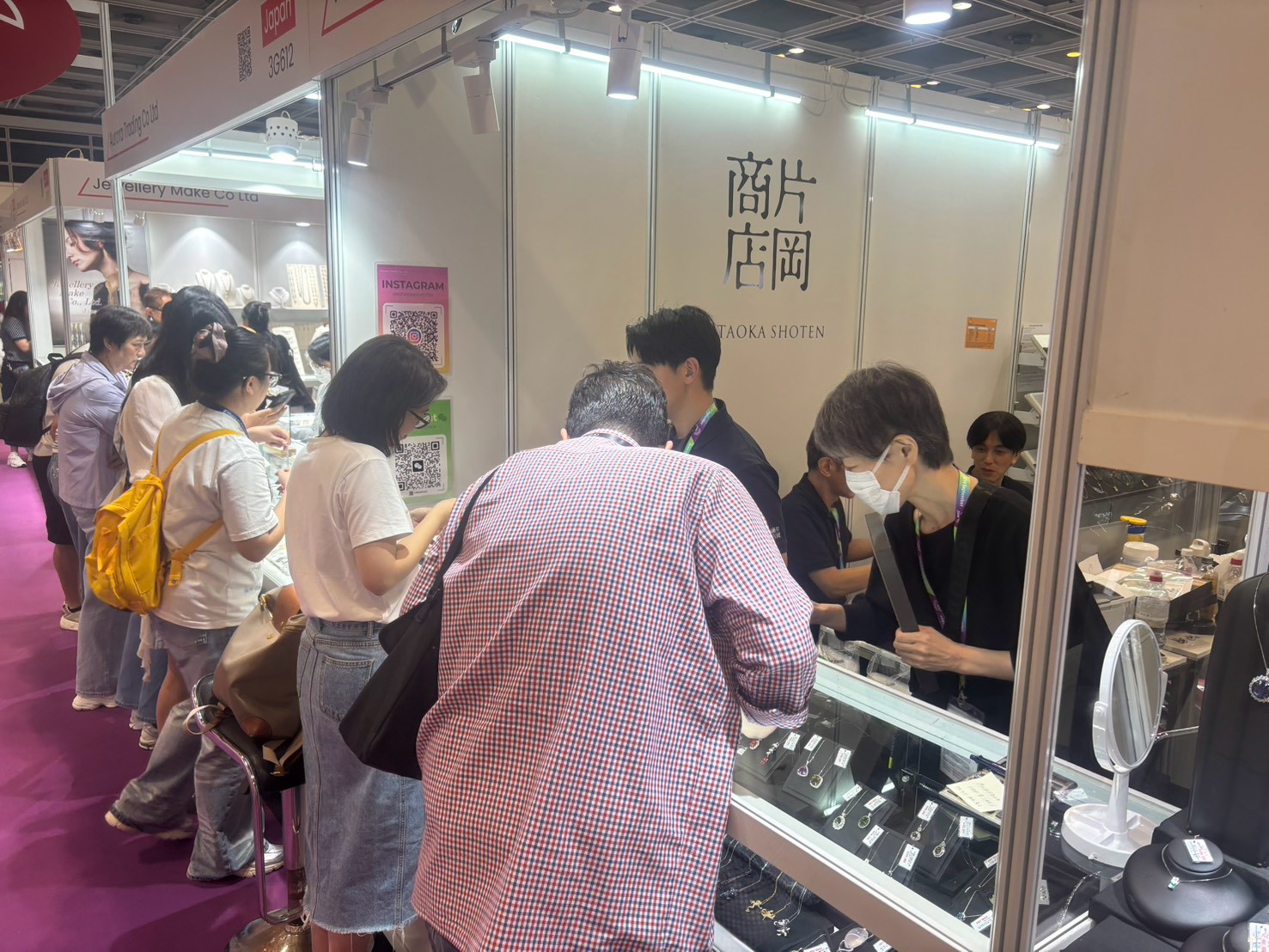
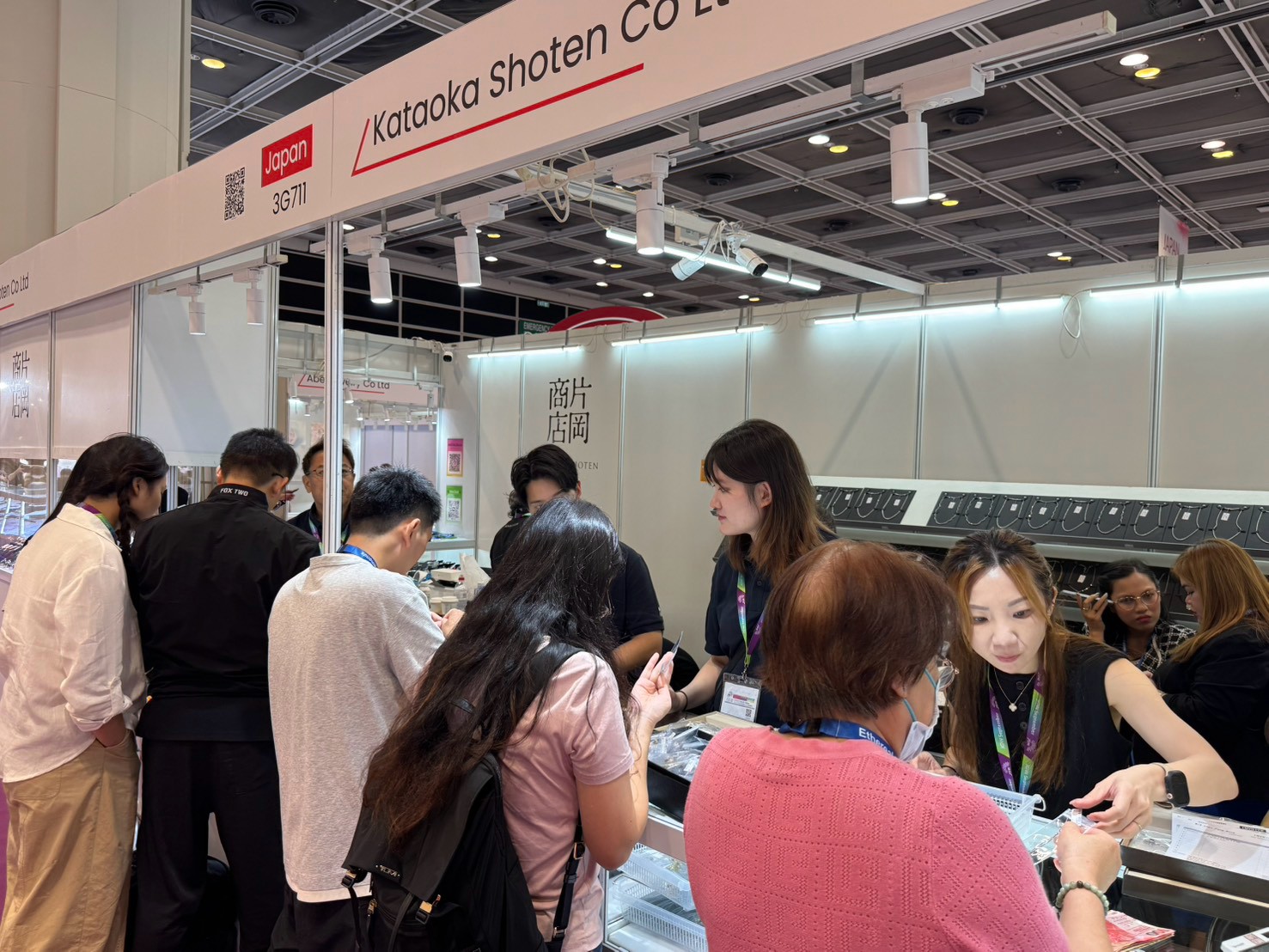
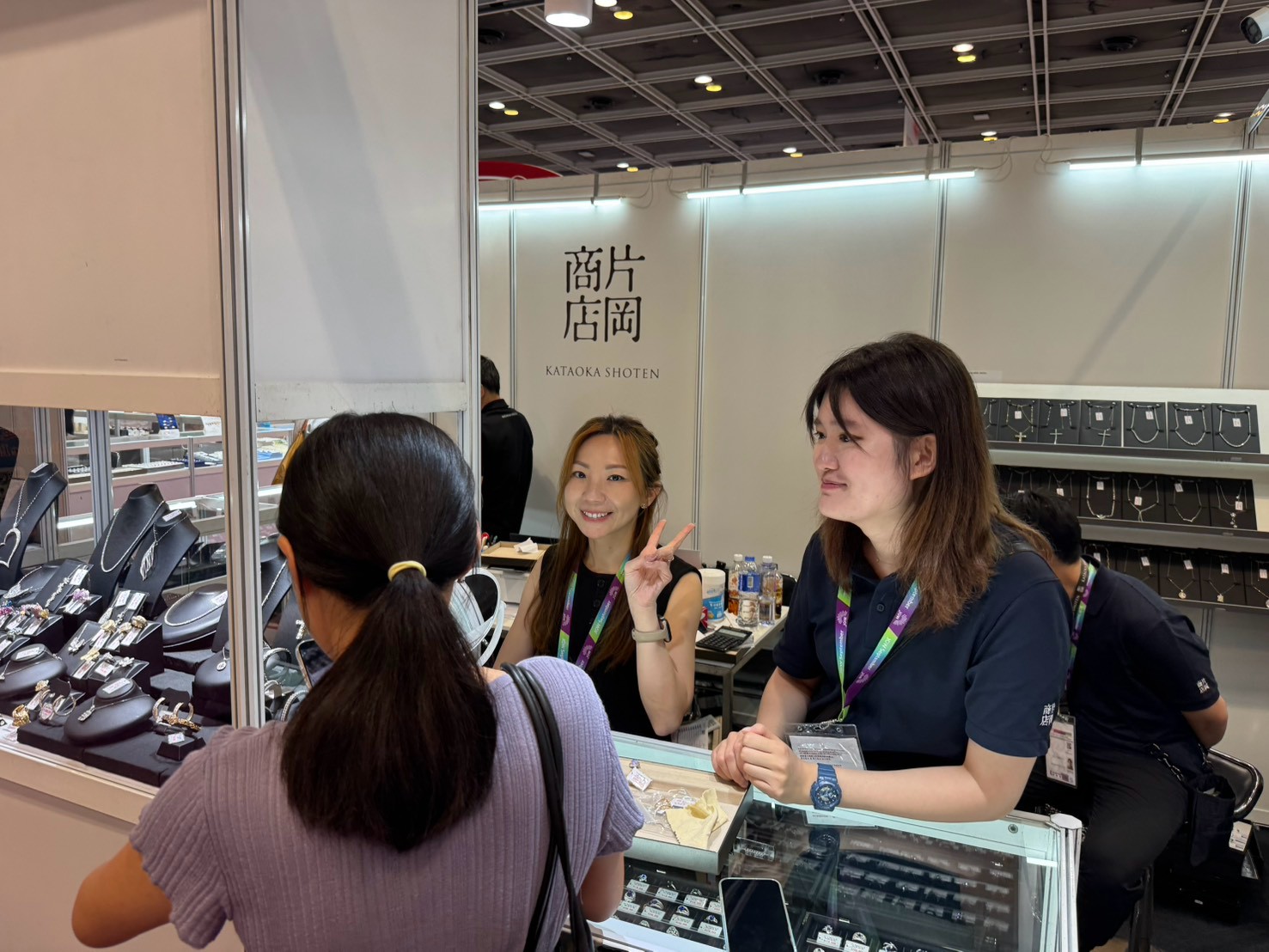
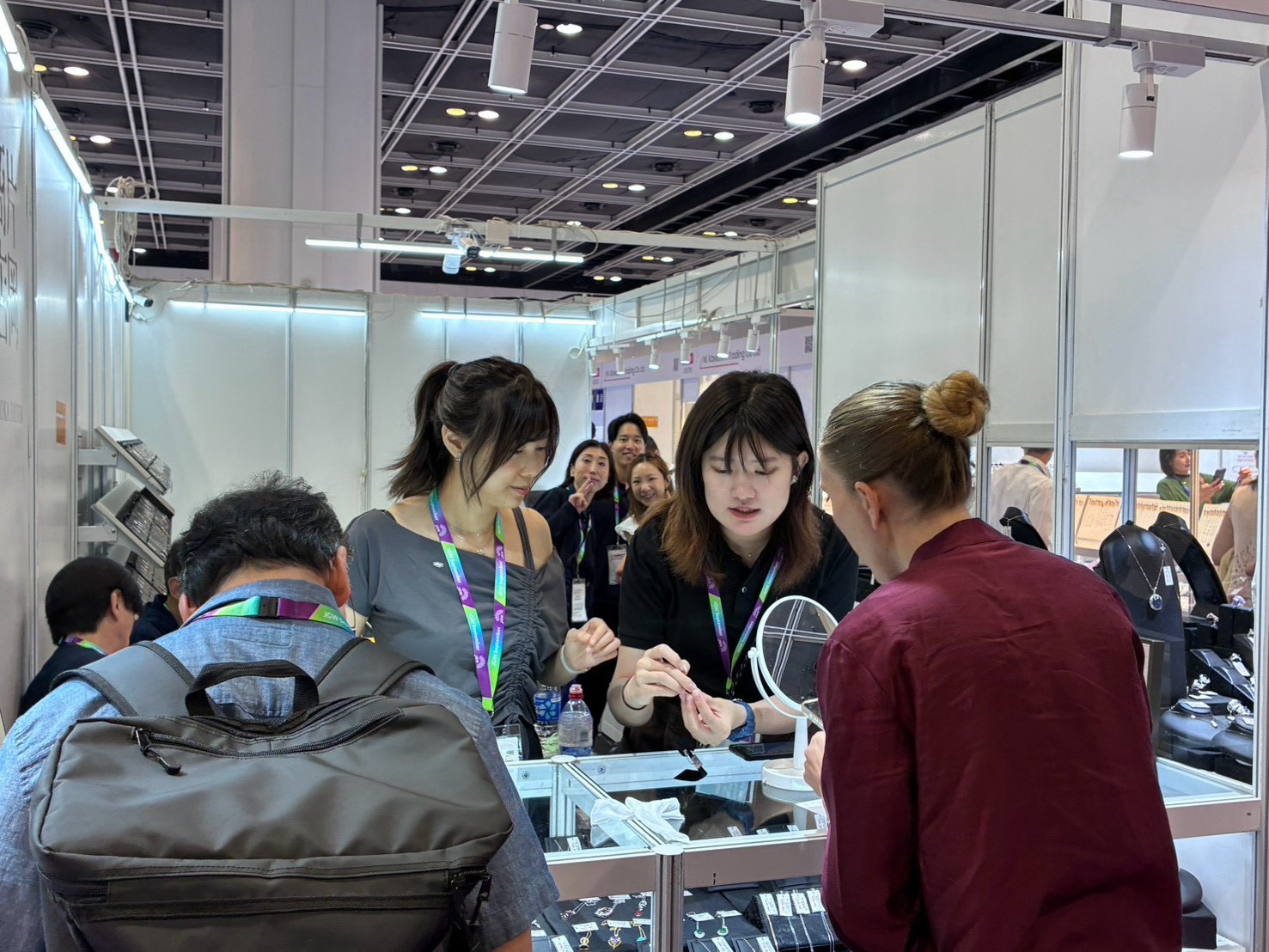
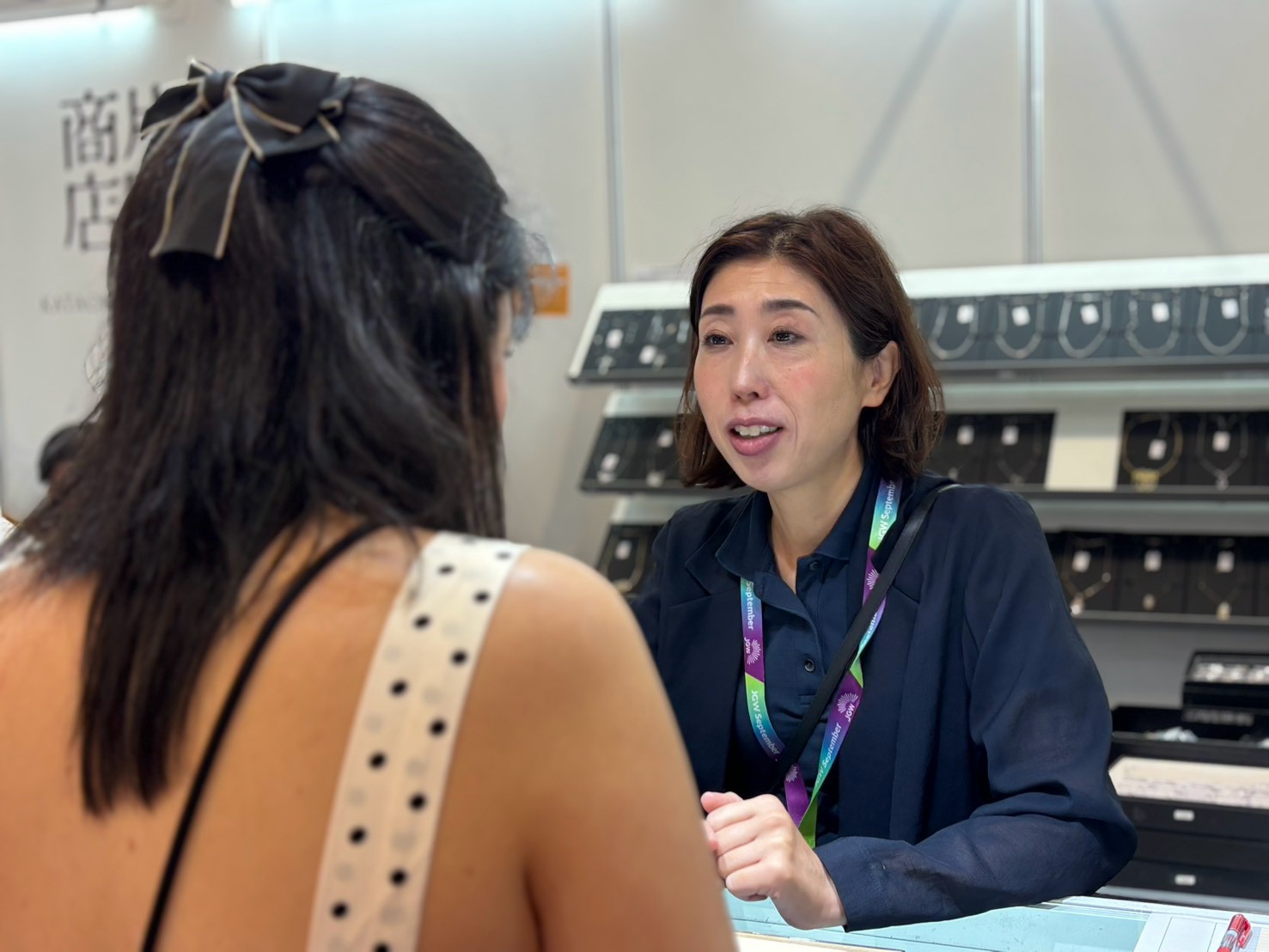
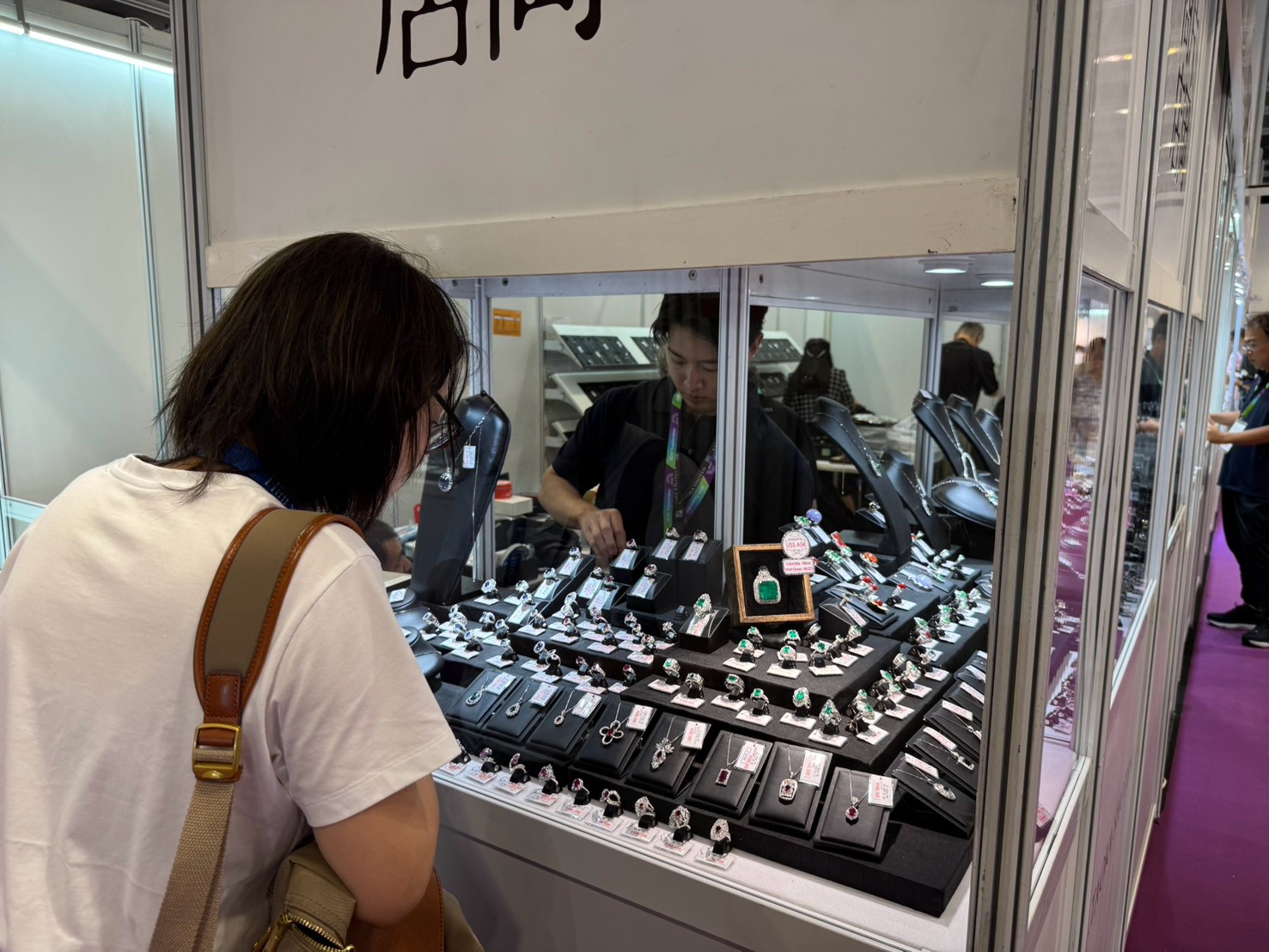
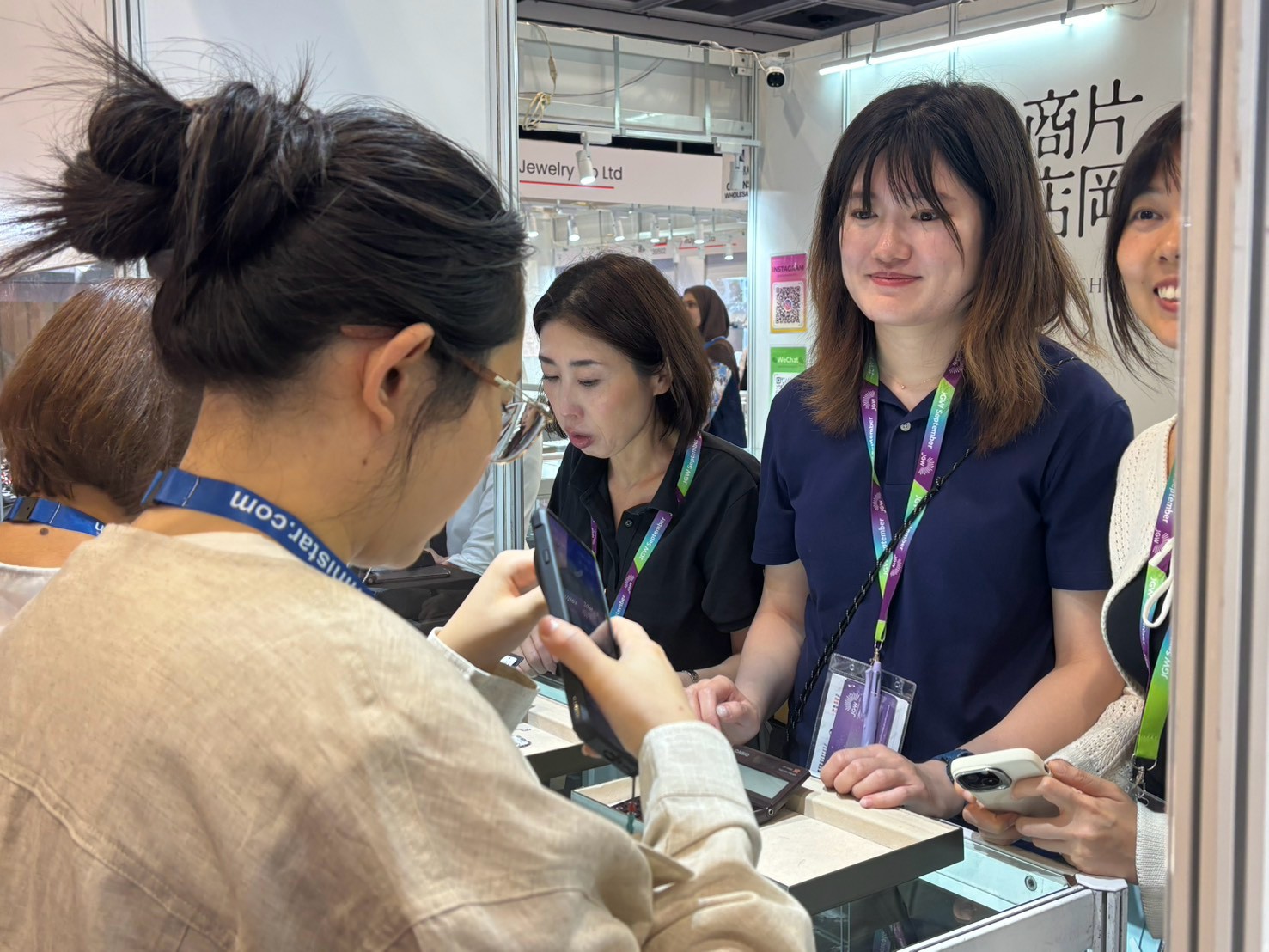
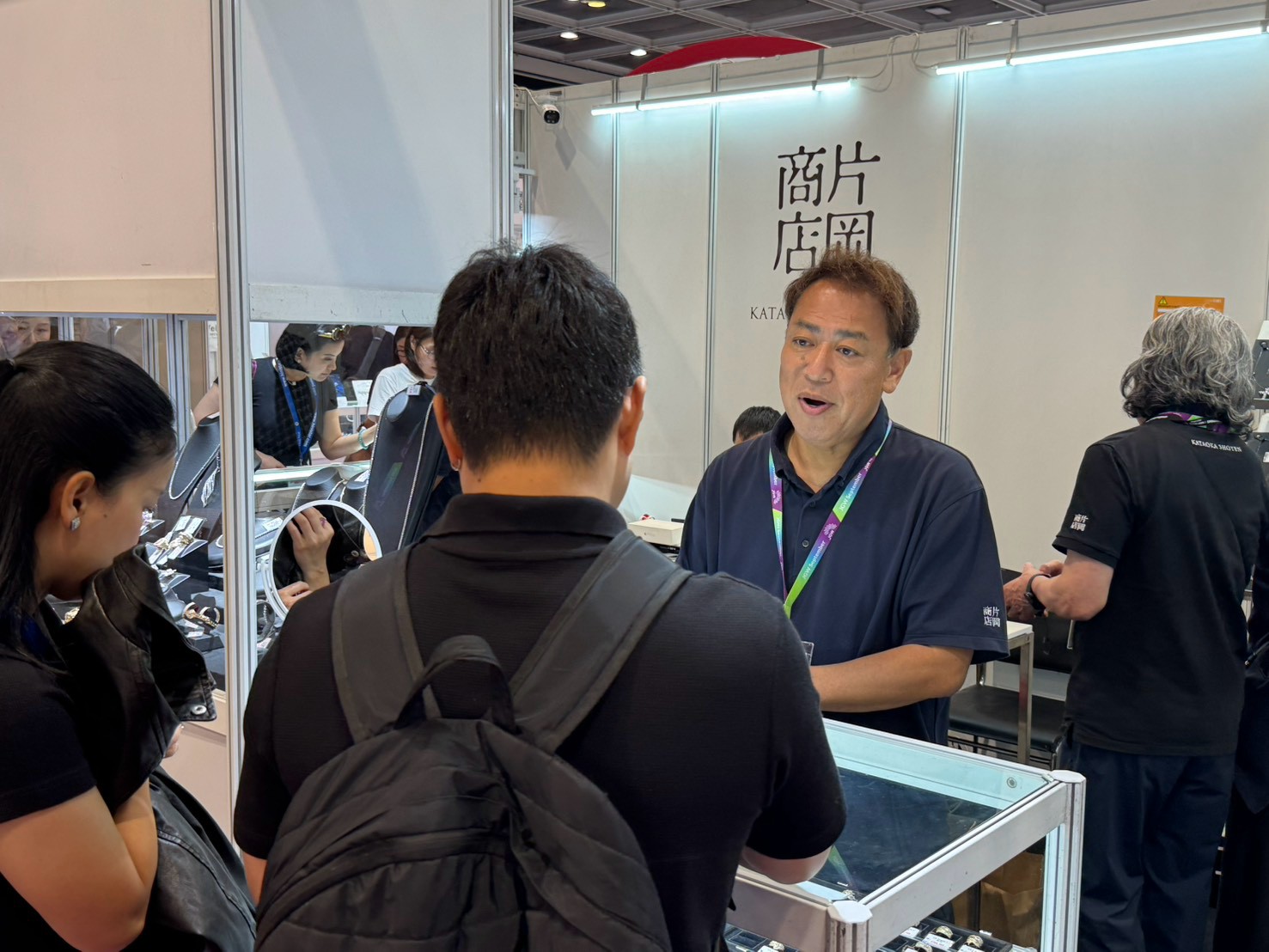
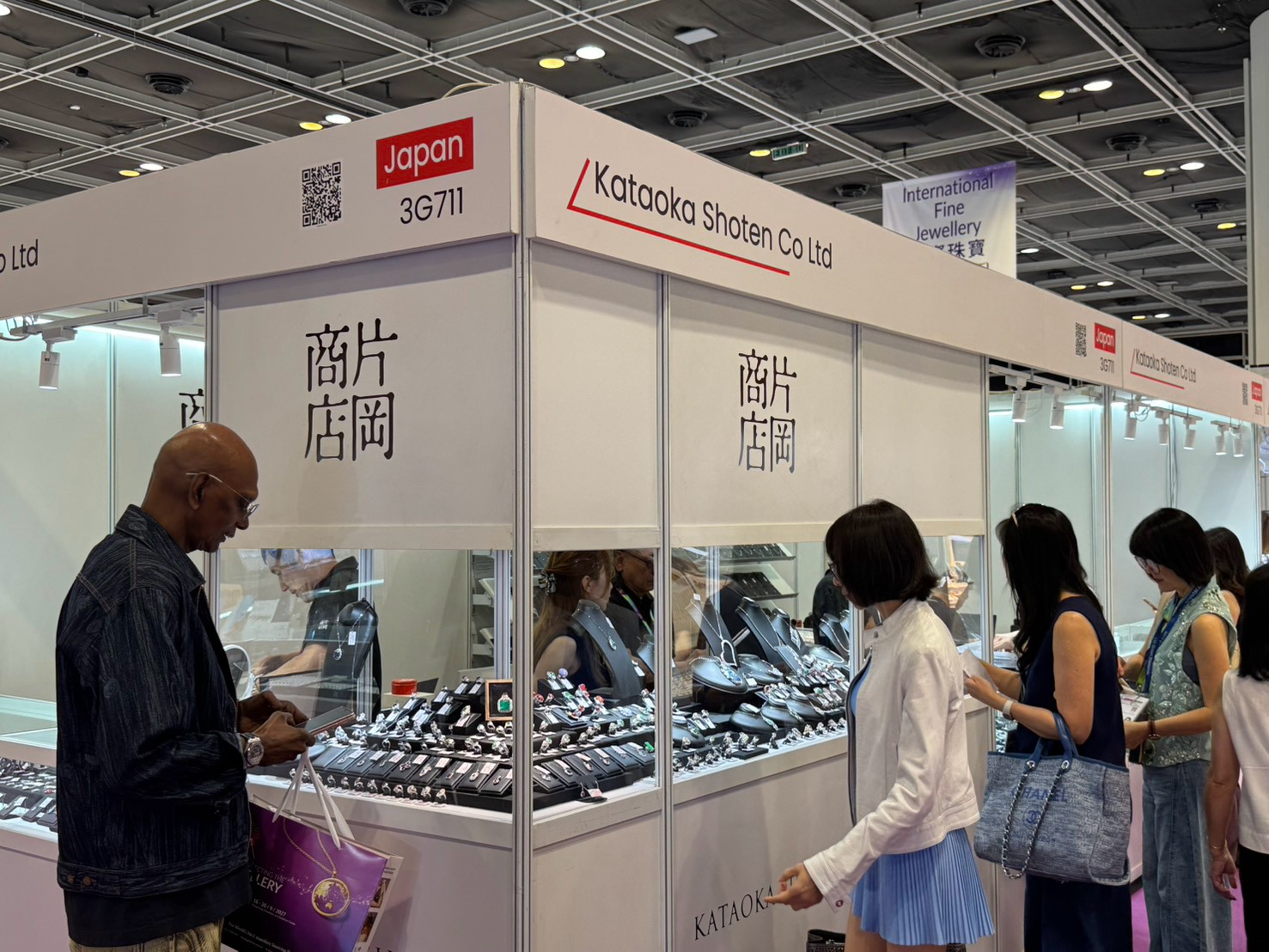
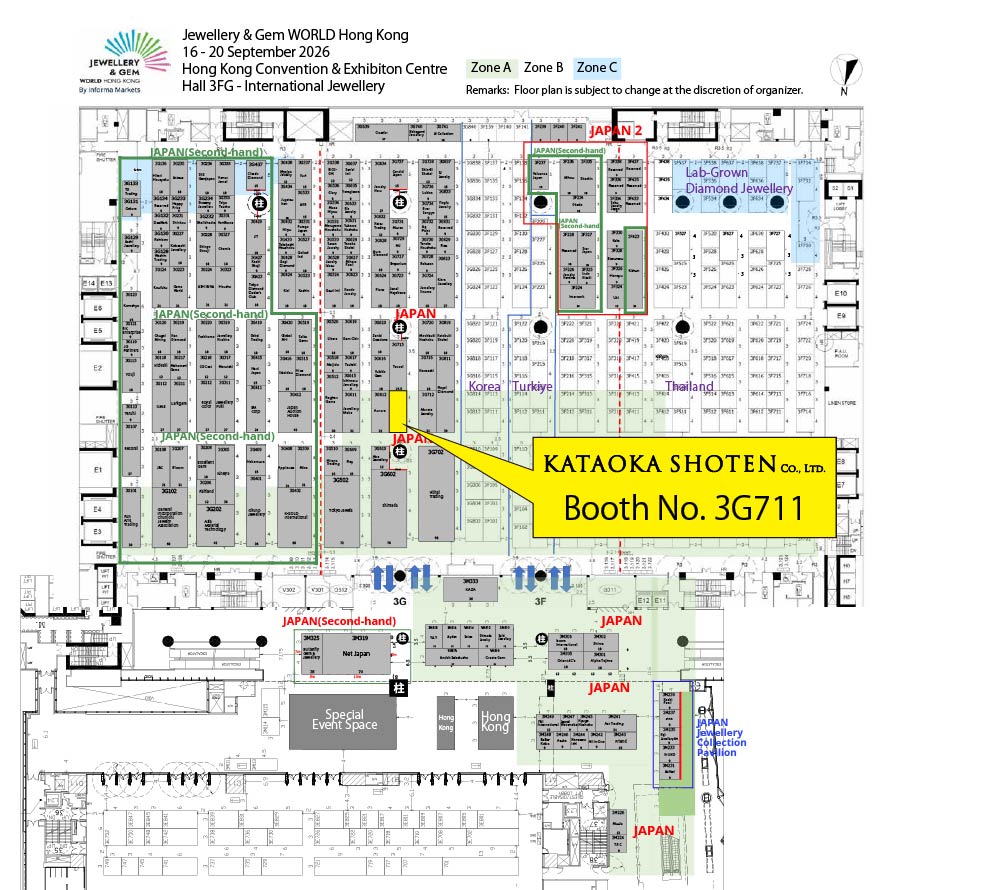
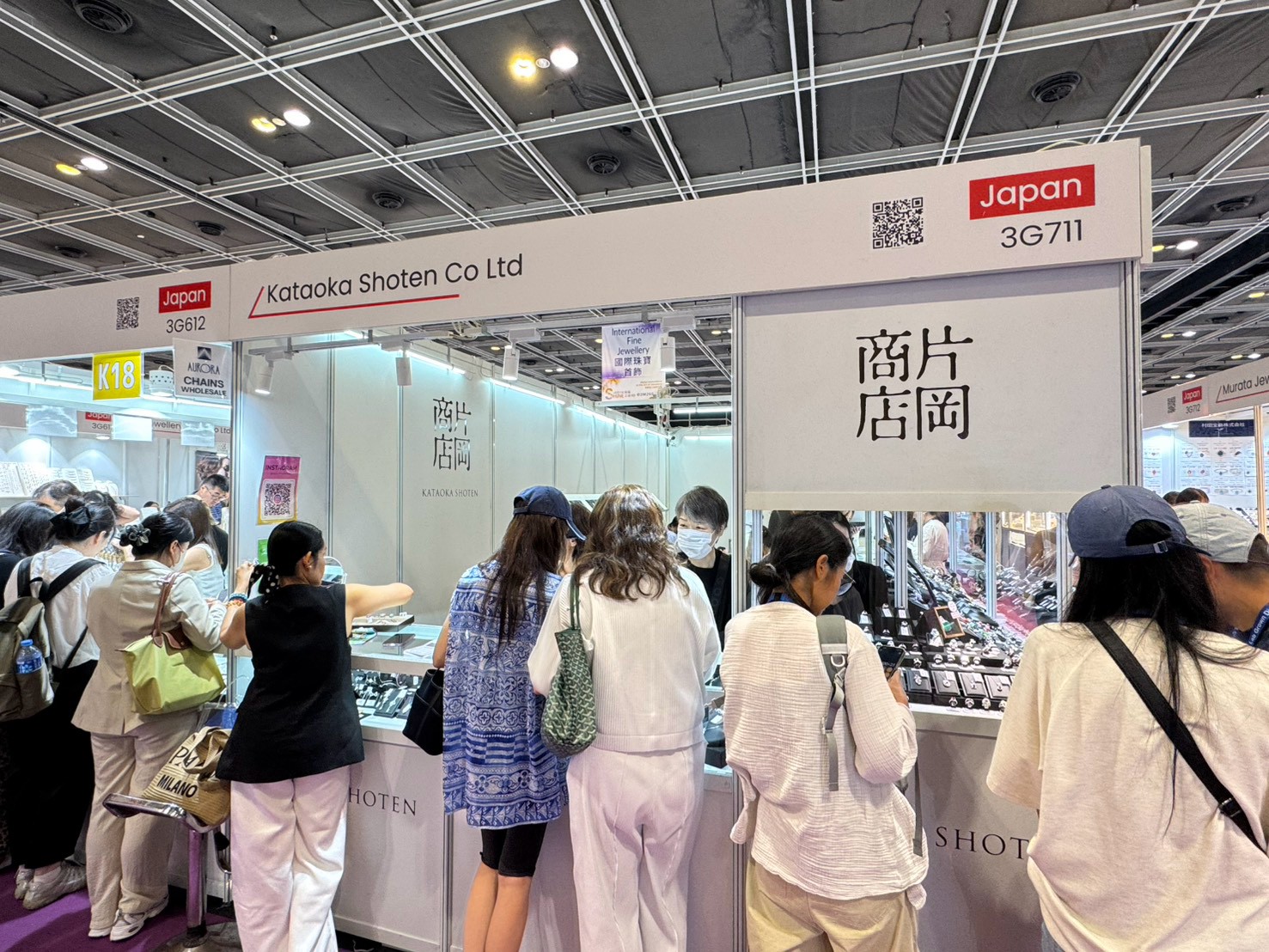
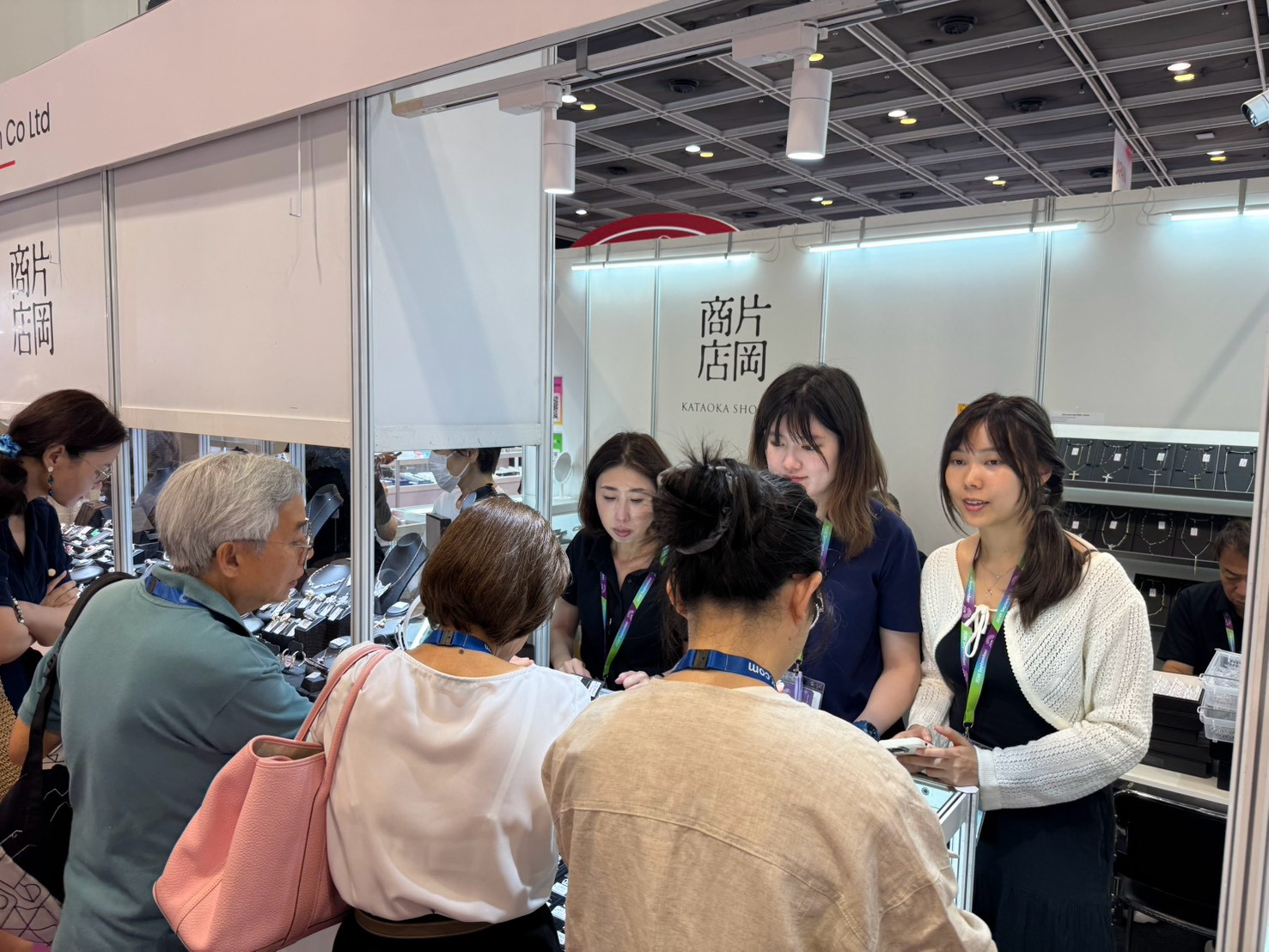
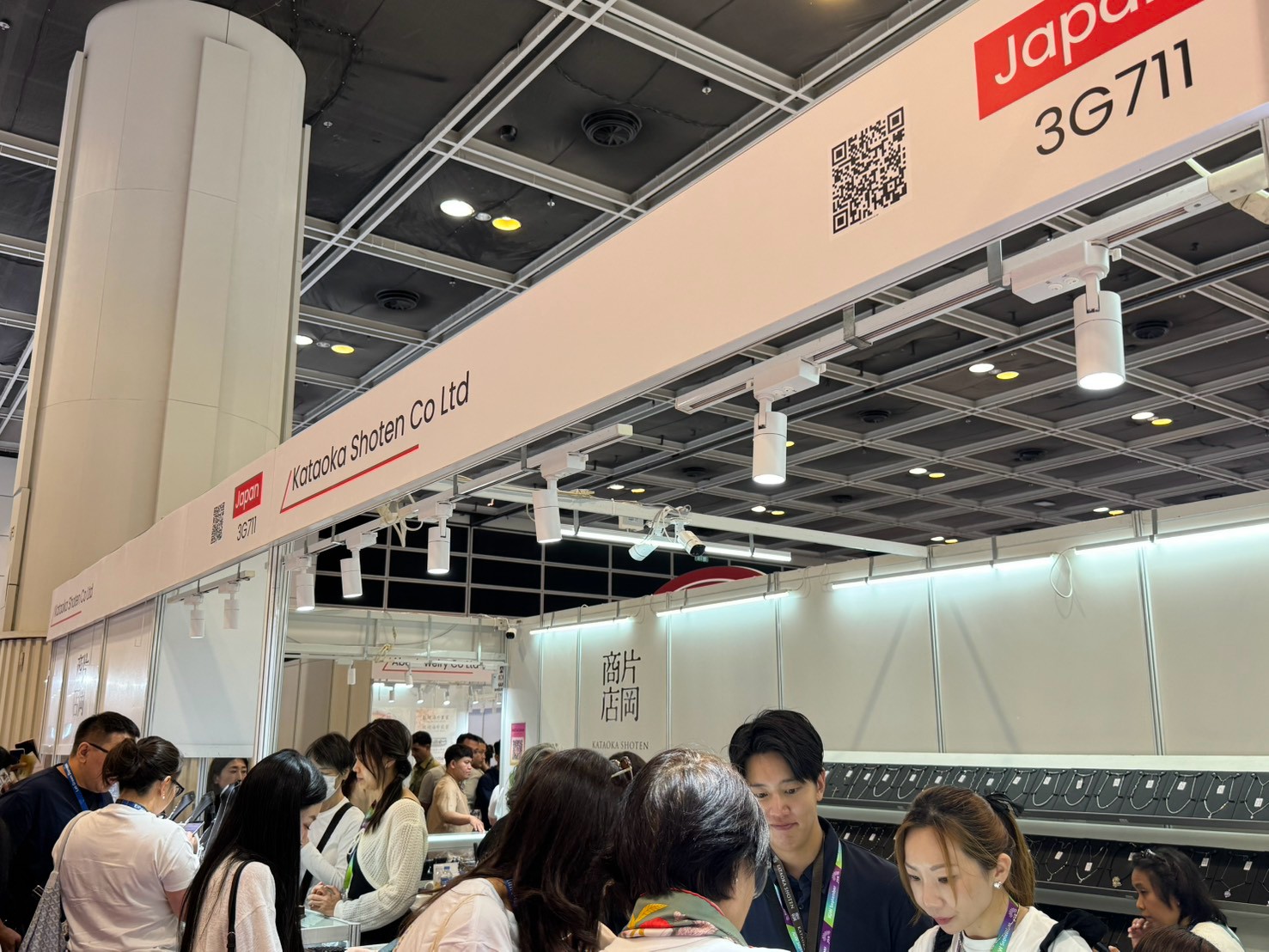
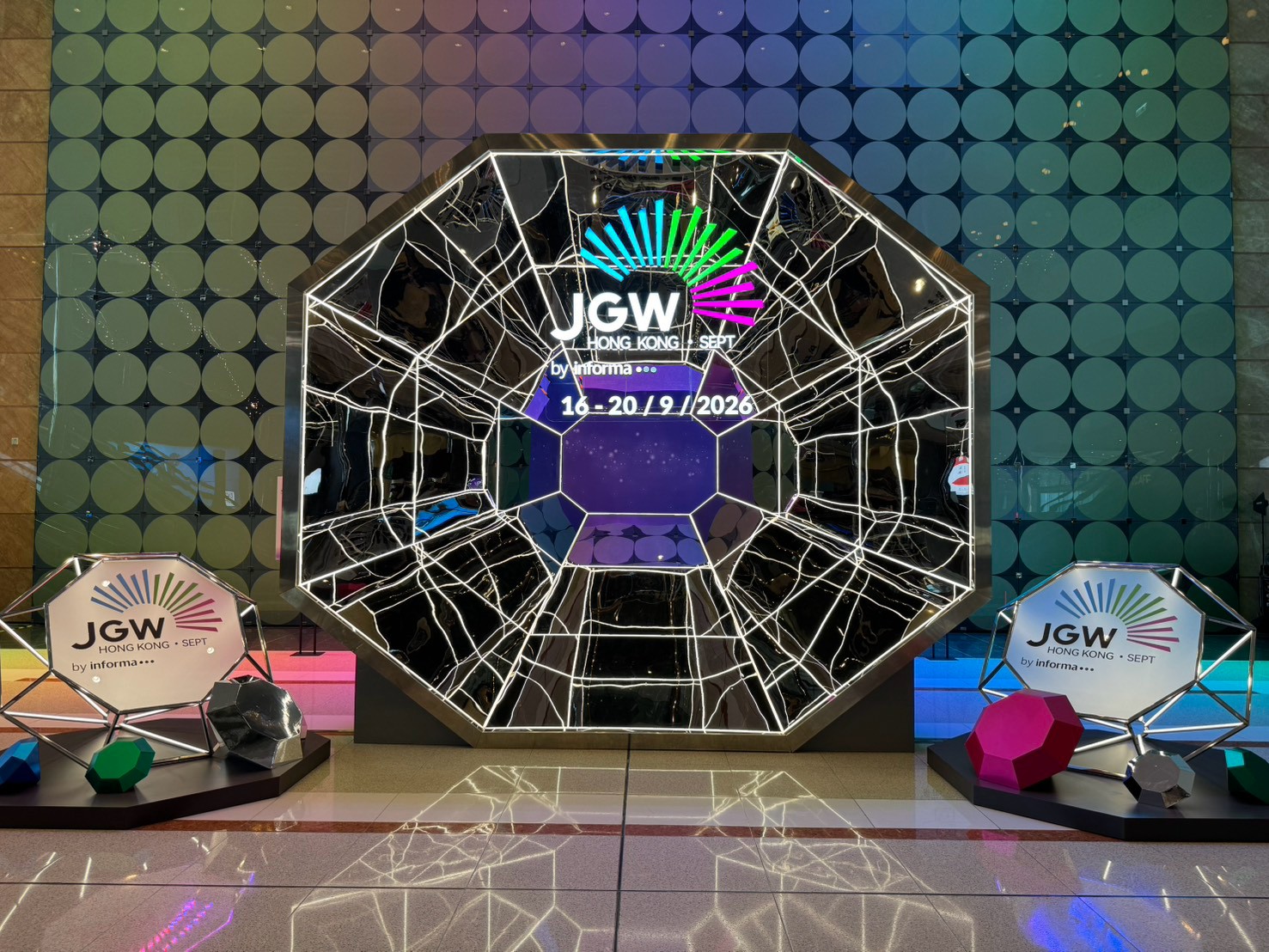
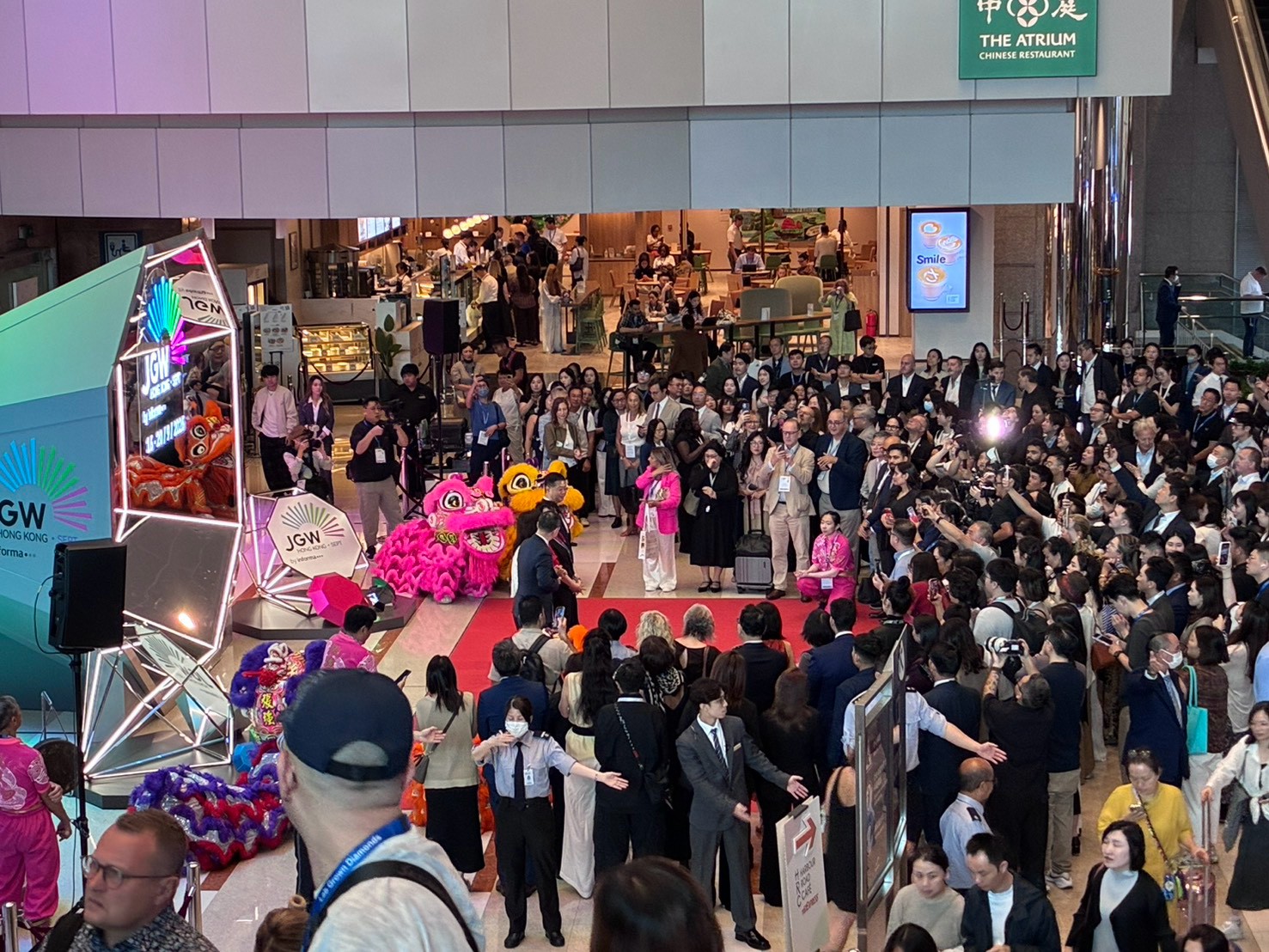
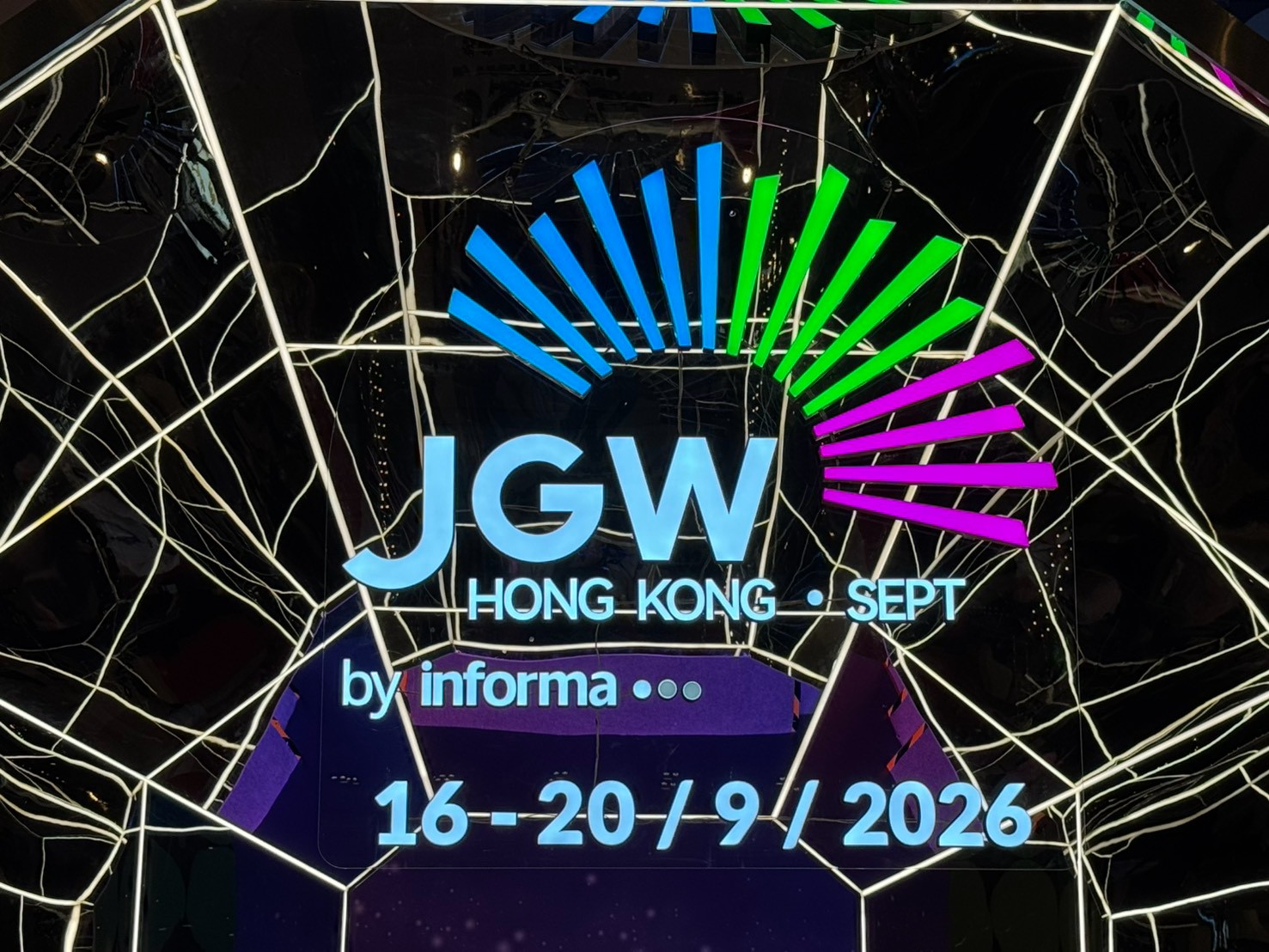
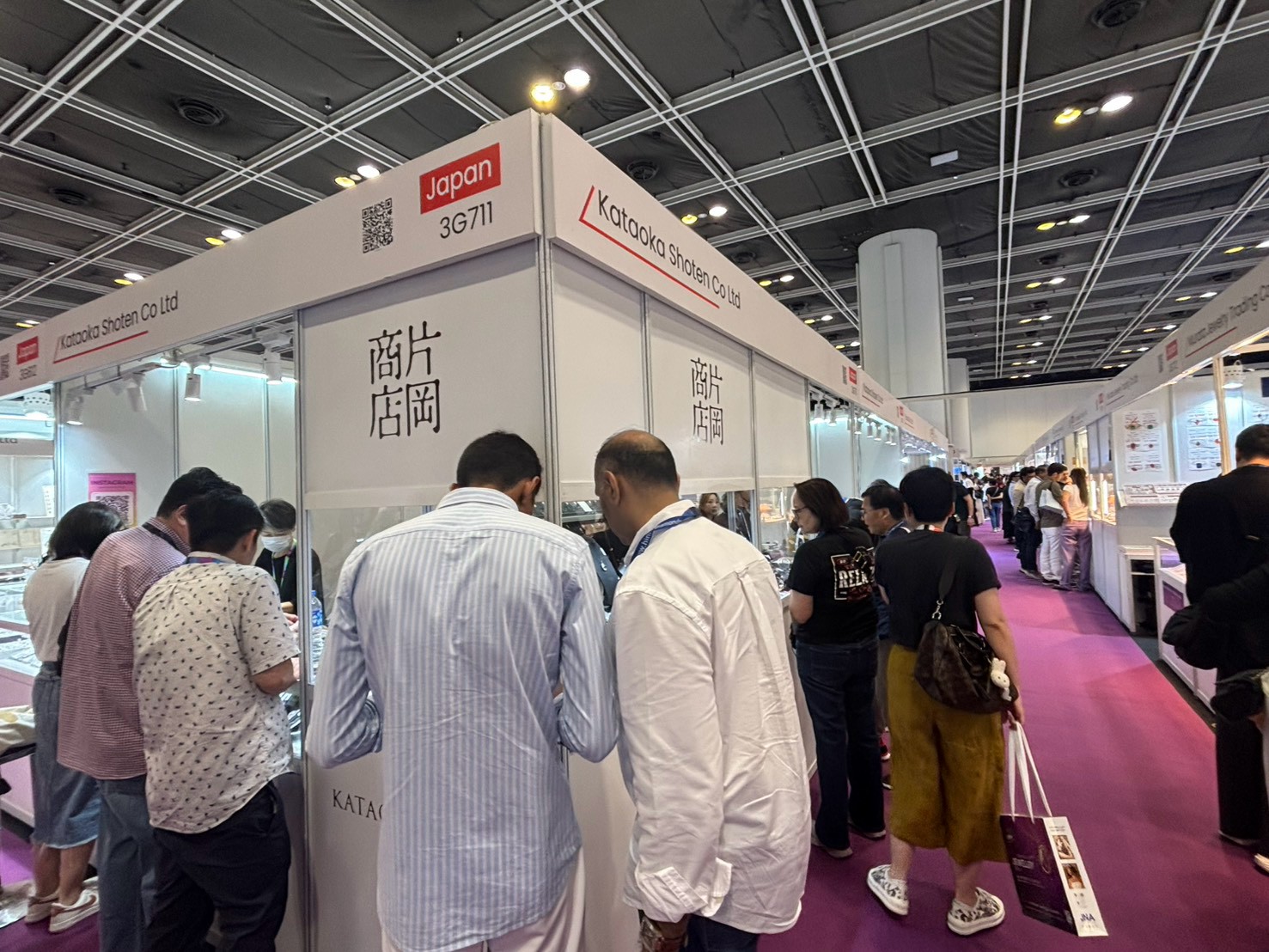
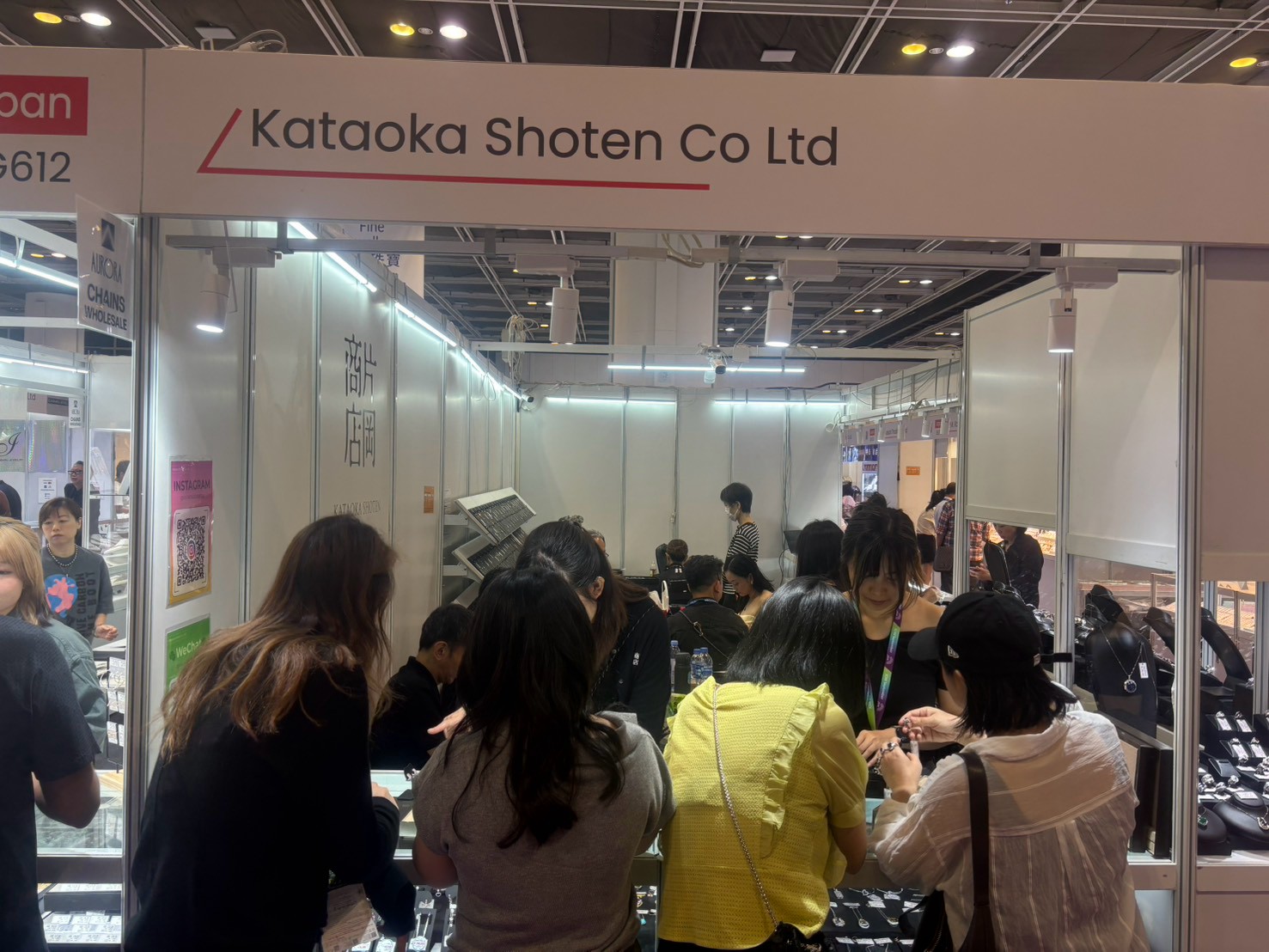
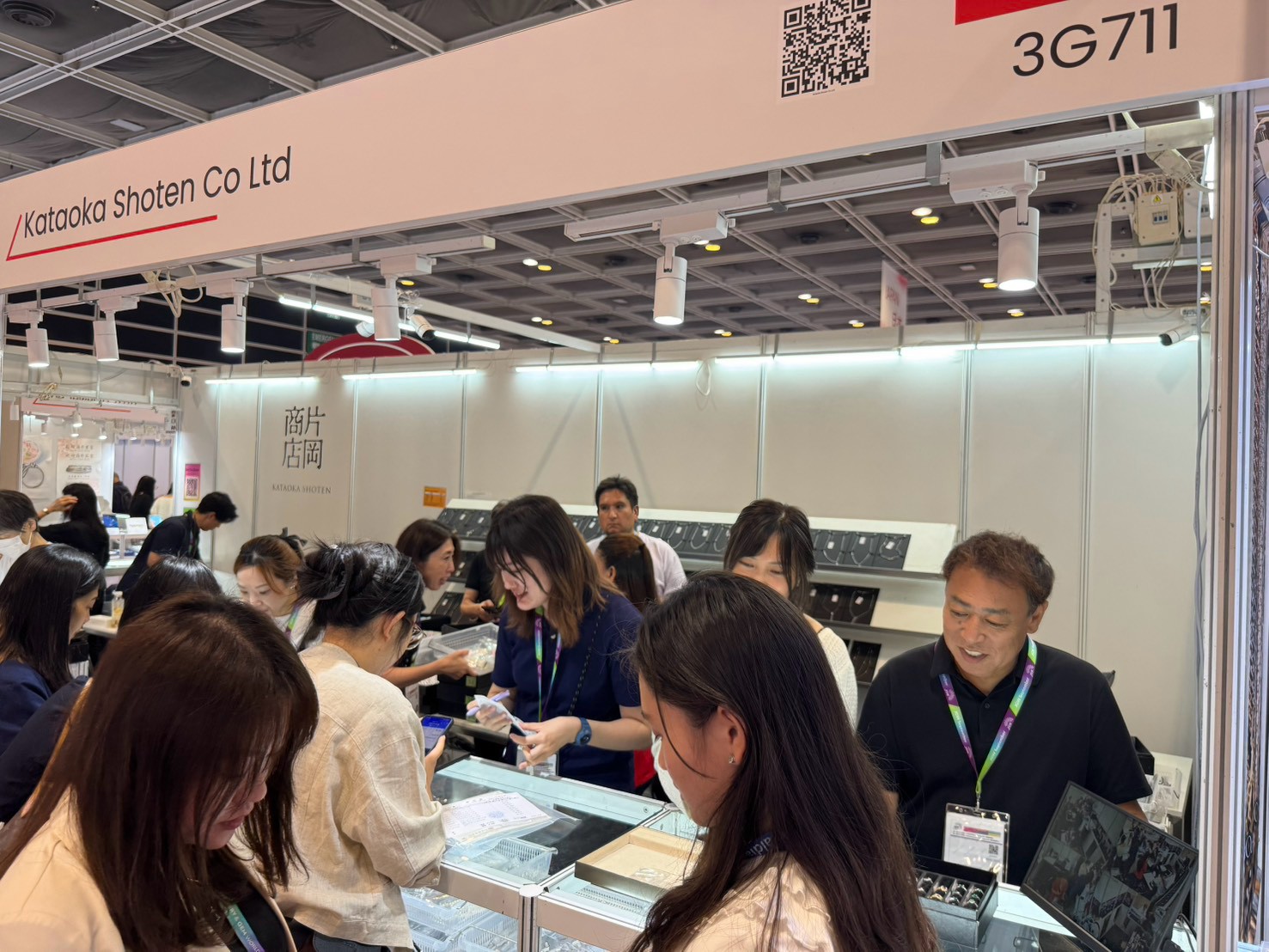
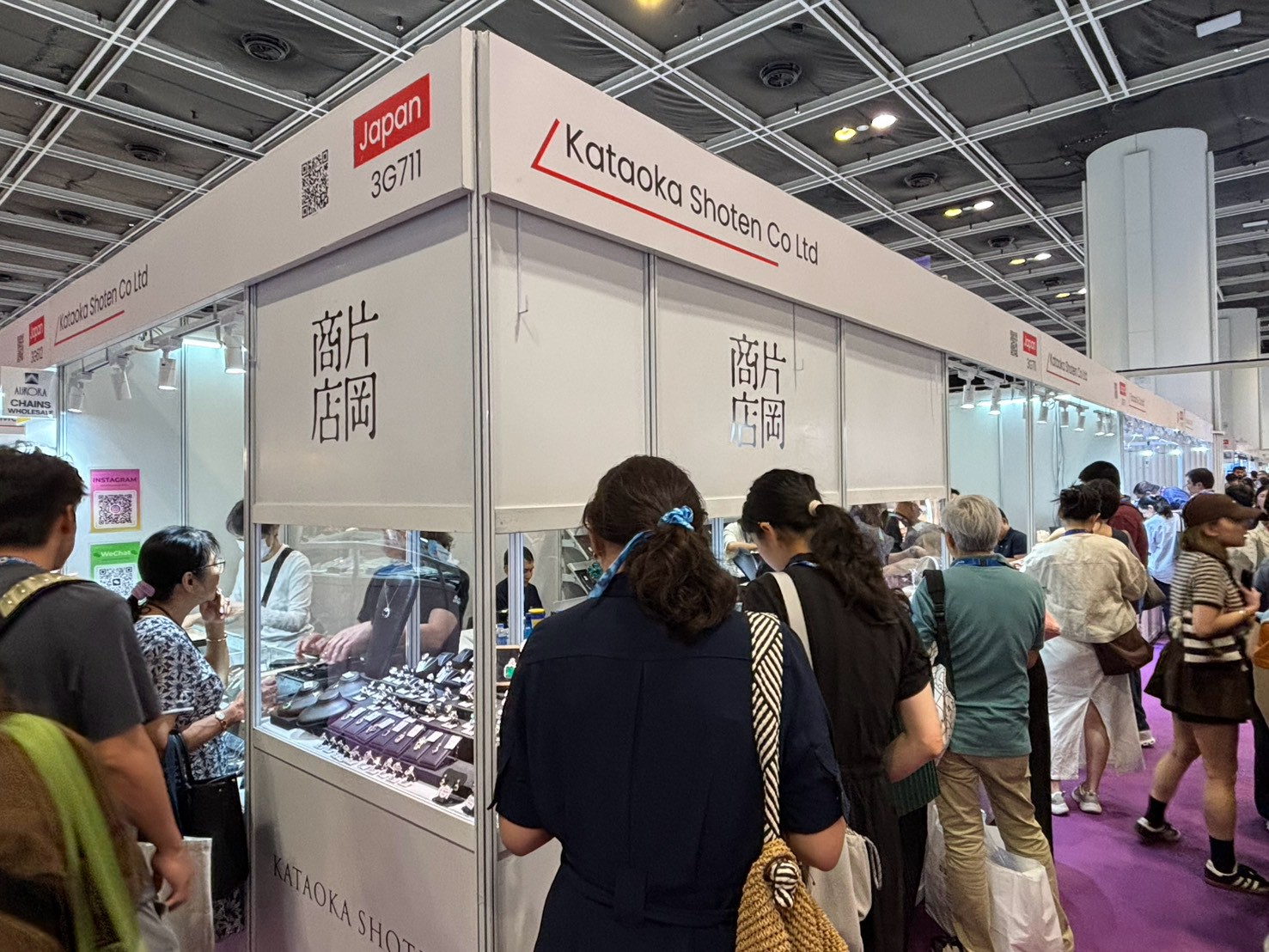
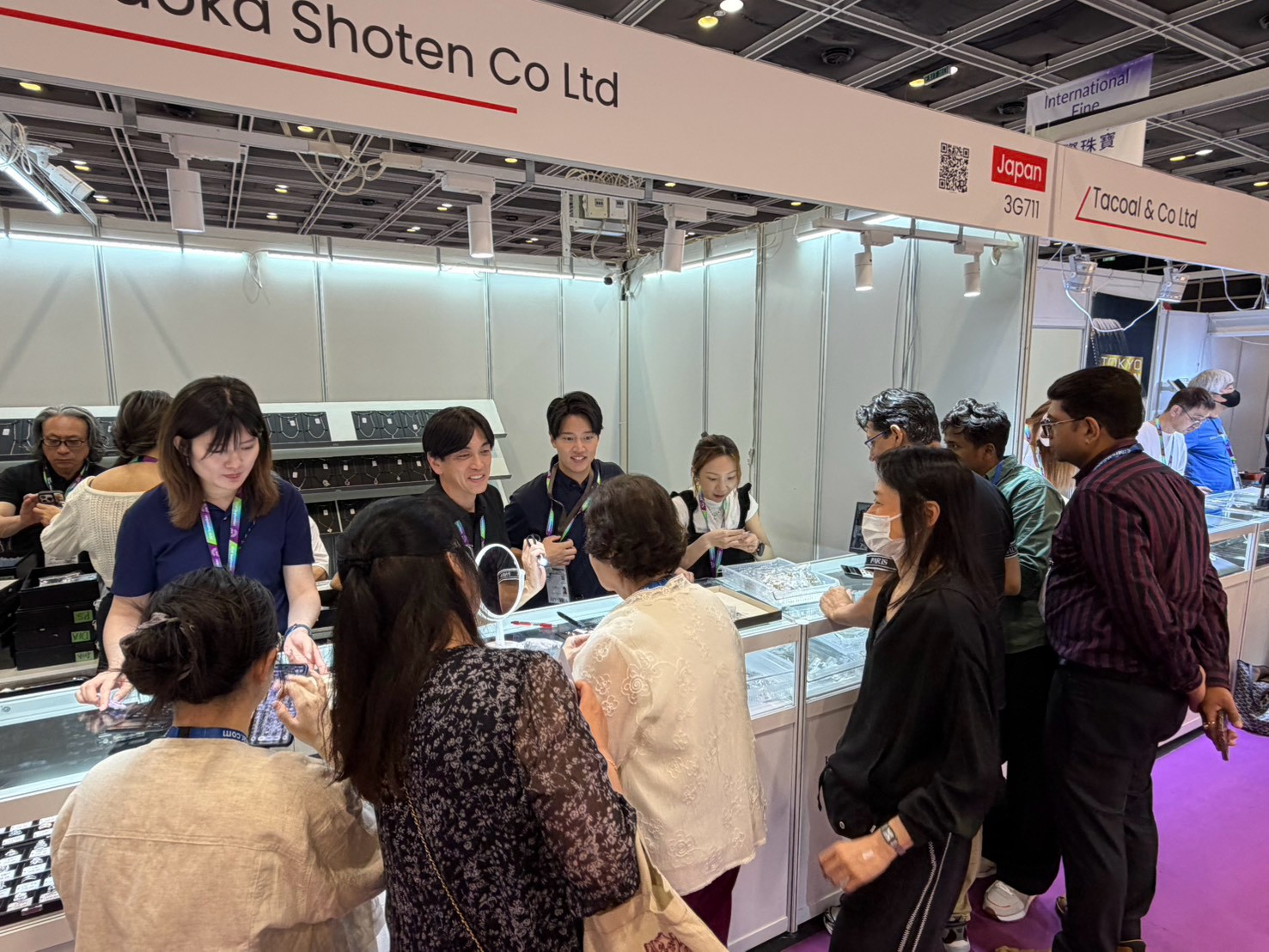
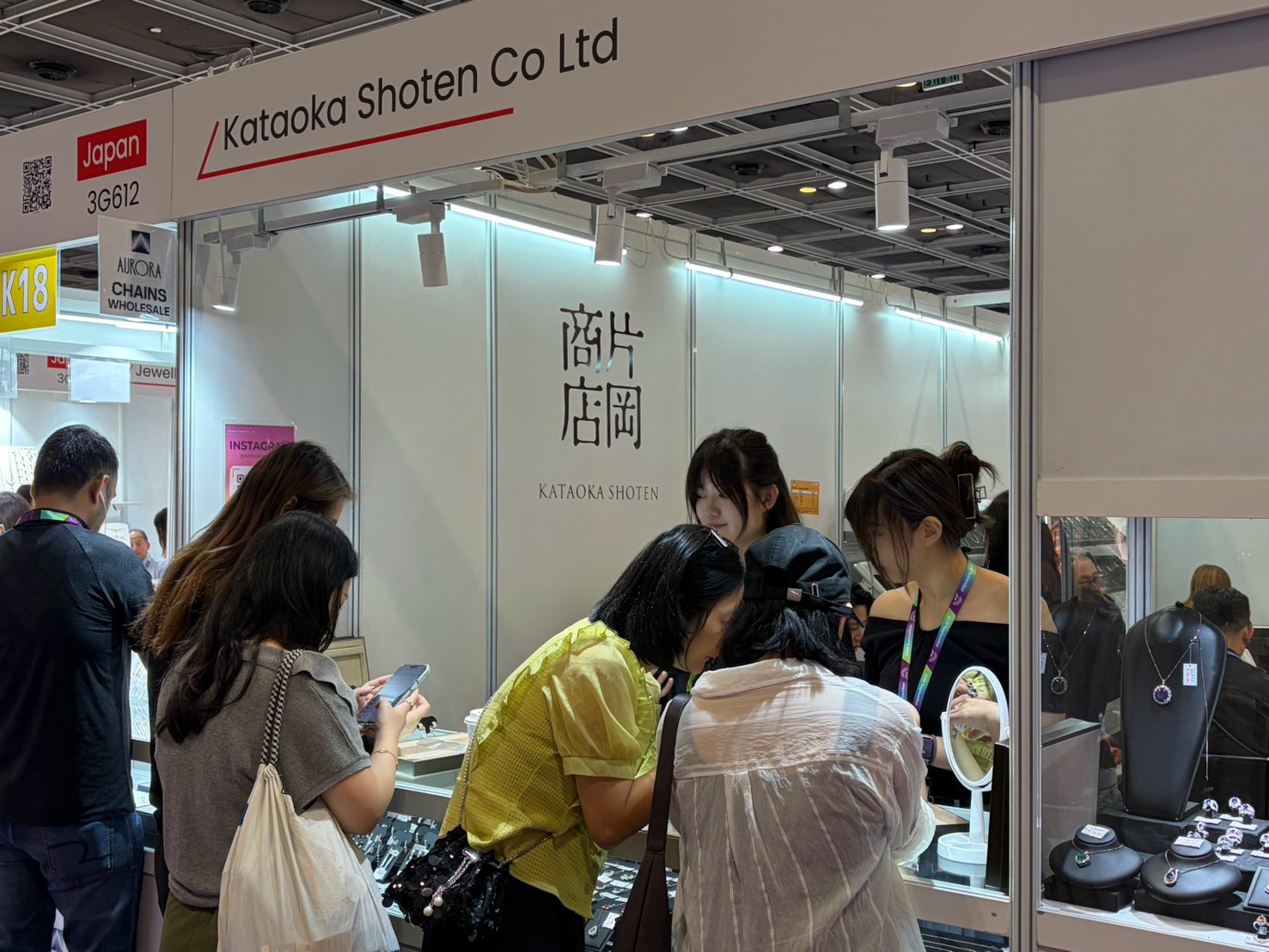
We exhibited at JGW September 2026, which was held at the Hong Kong Convention & Exhibition Centre for five days from September 16 to 20, 2026.
At the beginning of the year, the historic surge in gold prices provided strong tailwinds for the entire industry, leading to a boom in the bullion, jewelry, and reuse sectors. Now, more than half a year later, the notion that high gold prices signal a booming industry no longer holds. Instead, the persistently elevated and highly volatile price of gold bullion has shifted from a source of potential profit to a source of risk.
The global economy has grown increasingly unstable due to the strengthening of U.S. tariff policies, the prolonged nature of geopolitical risks, the volatility of energy prices, and the continued high‑interest‑rate environment. While the U.S. stock market continues to climb, driven primarily by AI‑related investments, early signs of a slowdown are beginning to appear in the labor market. As expectations of a shift in monetary policy intersect with evolving inflation trends, the foreign exchange market has become increasingly prone to pronounced volatility. In Japan, the depreciation of the yen and rising prices are progressing simultaneously, and as monetary policy normalization moves forward, the increase in long‑term interest rates has begun to affect companies through higher operating costs.
Under these circumstances, the trend in gold bullion prices is having the greatest impact on our industry. In early 2026, the rise in gold bullion prices provided a clear tailwind for the entire industry. Companies holding bullion inventories saw their unrealized profits grow, and an influx of material into the buyback market increased overall liquidity. However, subsequent price movements diverged from a simple upward trend, evolving into an unstable market marked by sharp fluctuations. Uncertainty surrounding price fluctuations has become a management risk, making it increasingly difficult for companies to operate based on market trends.
While the weak yen serves as a tailwind for overseas sales, rising bullion prices in Japan have driven up product costs and caused inventory values to swell. During a bull market, simply holding inventory generated profits. However, when price fluctuations become as pronounced as they are now, carrying large inventories becomes a business risk in itself. Going forward, rather than simply chasing sales volume, we will likely need to place even greater emphasis on inventory turnover, gross profit margins, cash flow, and other key metrics.
Structural changes are becoming increasingly evident in the retail sector as well. The rise in gold bullion prices has made it difficult to sell products within conventional price ranges, forcing them to respond by adjusting product weights or compressing margins. Once prices rise above a certain level, consumer purchasing behavior becomes significantly more restrained, and purchases are unlikely to occur unless the product offers asset value or clear appeal as a consumer good. We have reached a point where new breakthrough measures are needed.
Global trends in gold demand also support this shift. In the first quarter of 2026, gold demand reached a record high in value terms, while quantity‑based demand for jewelry fell significantly compared with the same period last year. In particular, major consumer markets such as China and India have recorded double‑digit declines, creating a situation in which price increases directly translate into weaker demand.
In China, the prolonged correction in the real estate market has weakened the wealth effect, and personal consumption remains subdued. The decline in retail sales indicates weak consumer sentiment and is affecting the entire luxury goods market. Moreover, the diamond market is undergoing structural changes driven by the rise of lab‑grown diamonds, and natural diamond prices are currently in a correction phase. It appears that the polarization between the scarcity of natural resources and mass-produced, man-made substitutes will continue to intensify in the future.
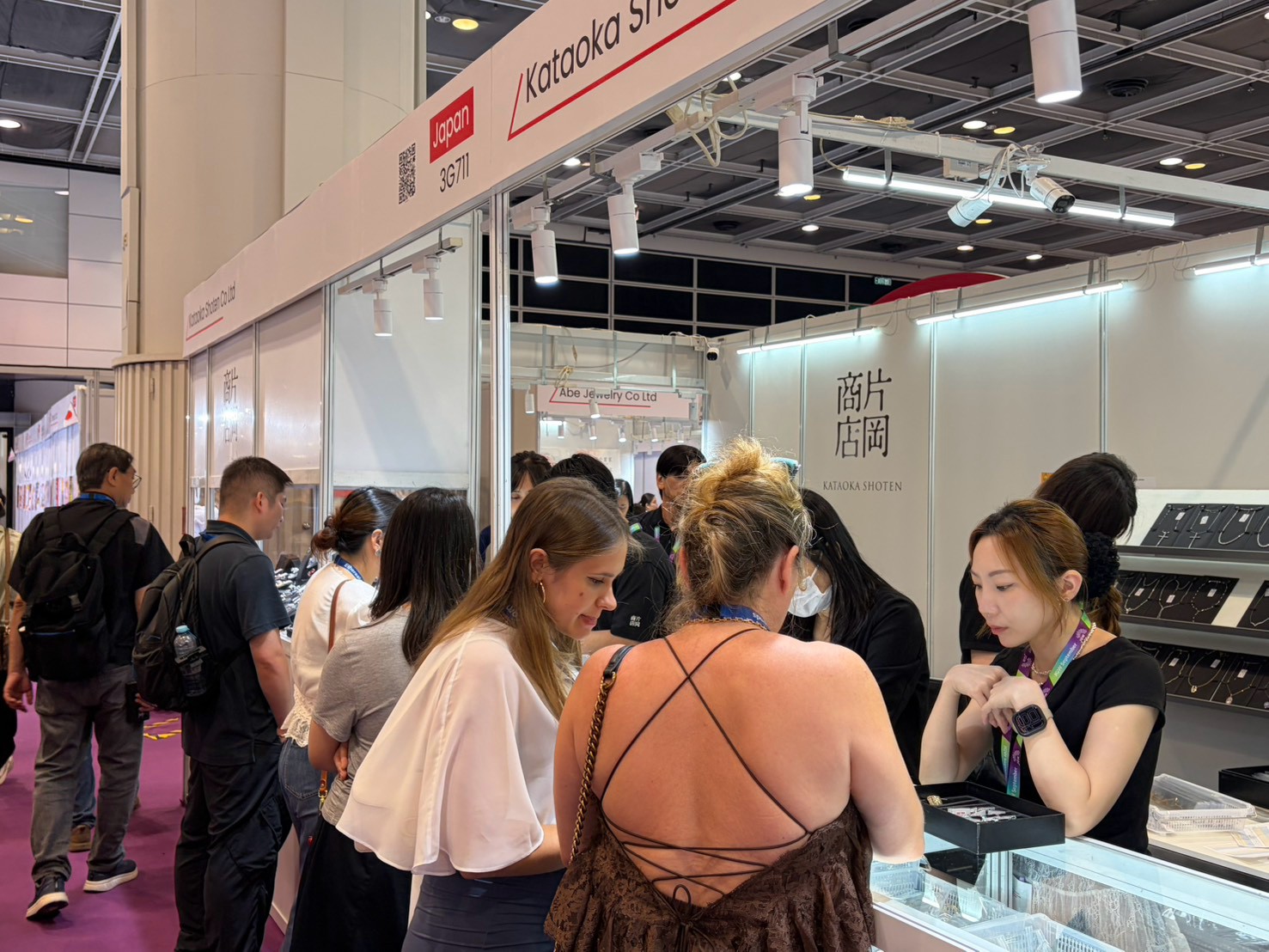
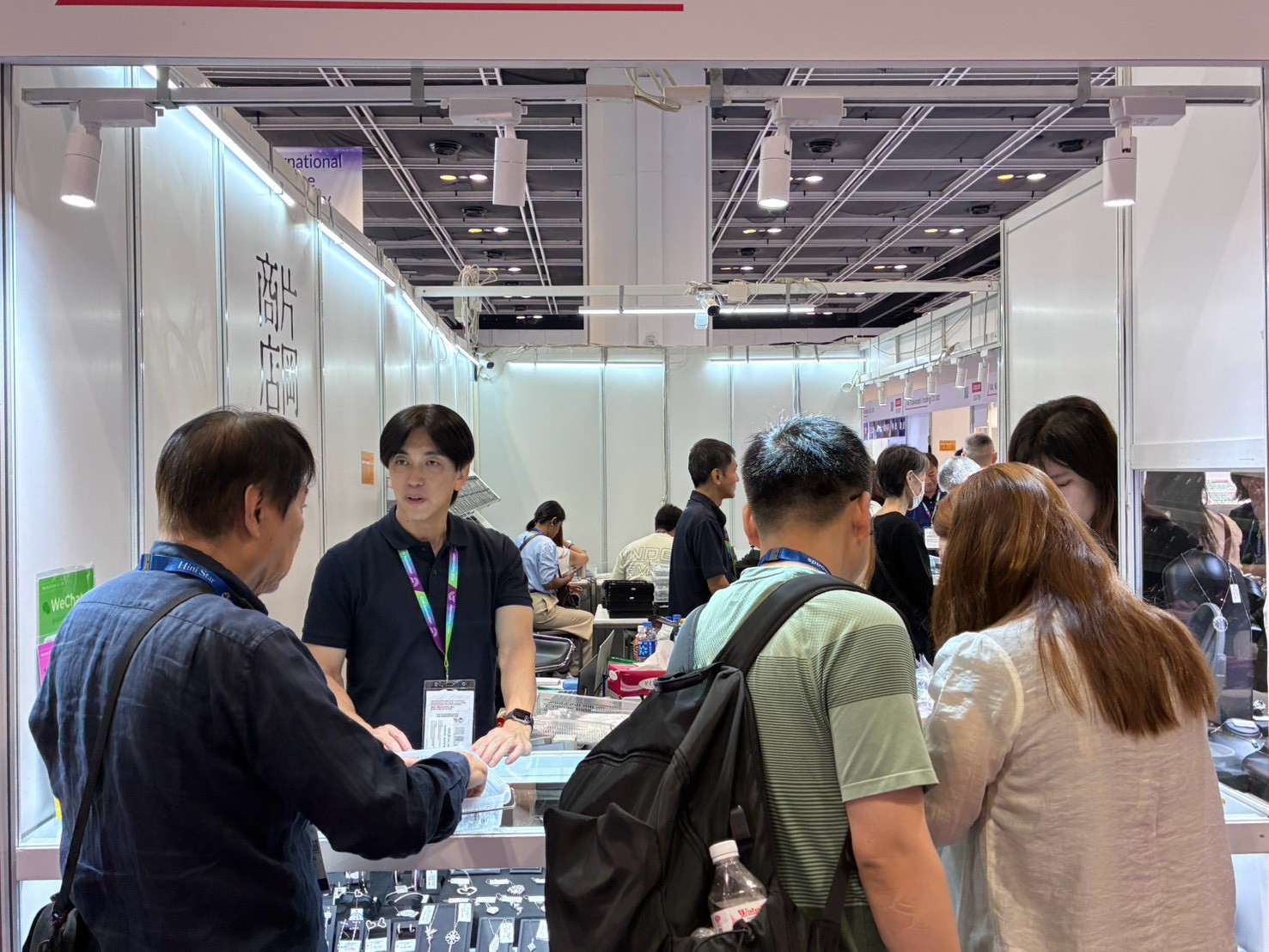
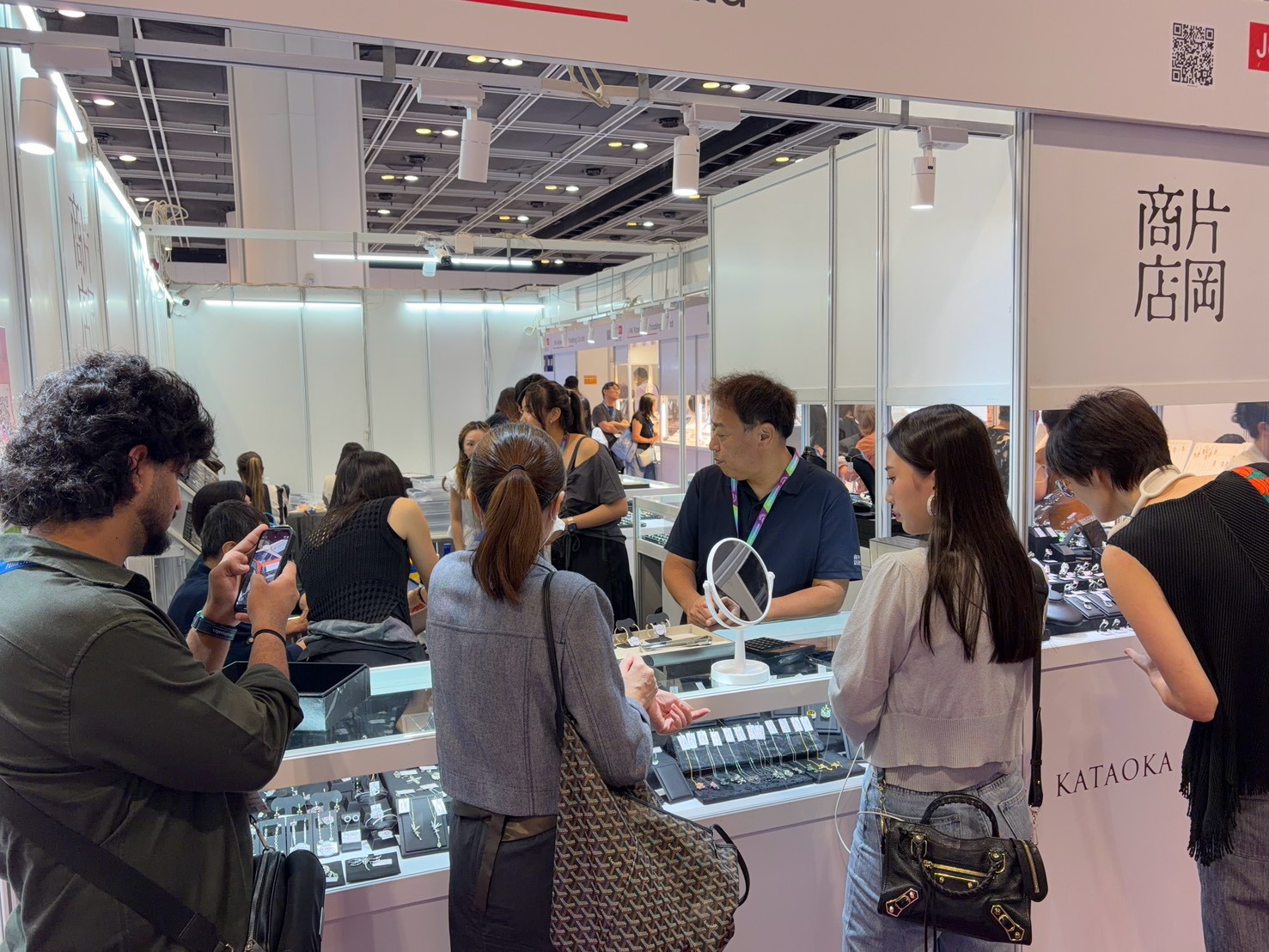
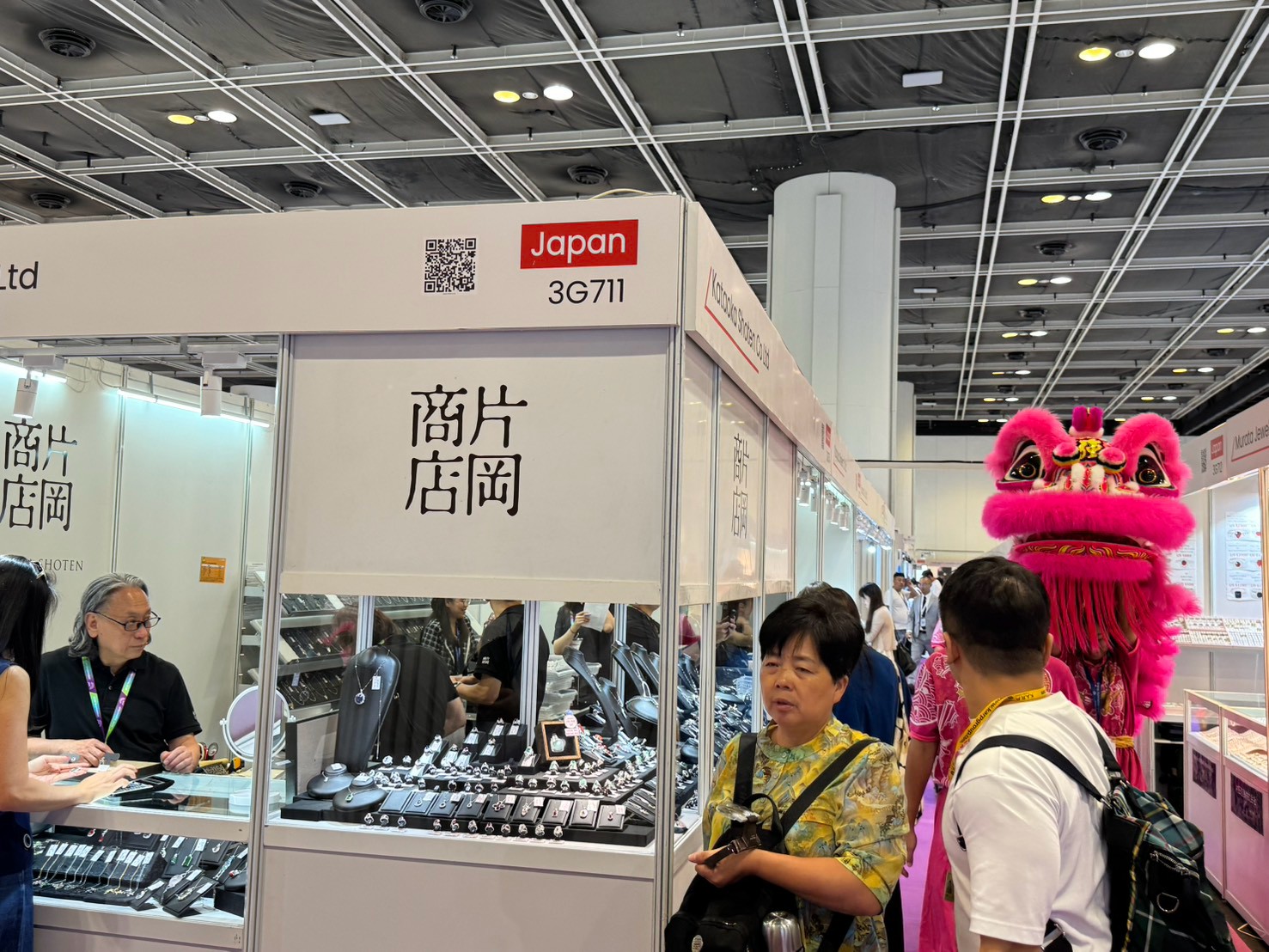
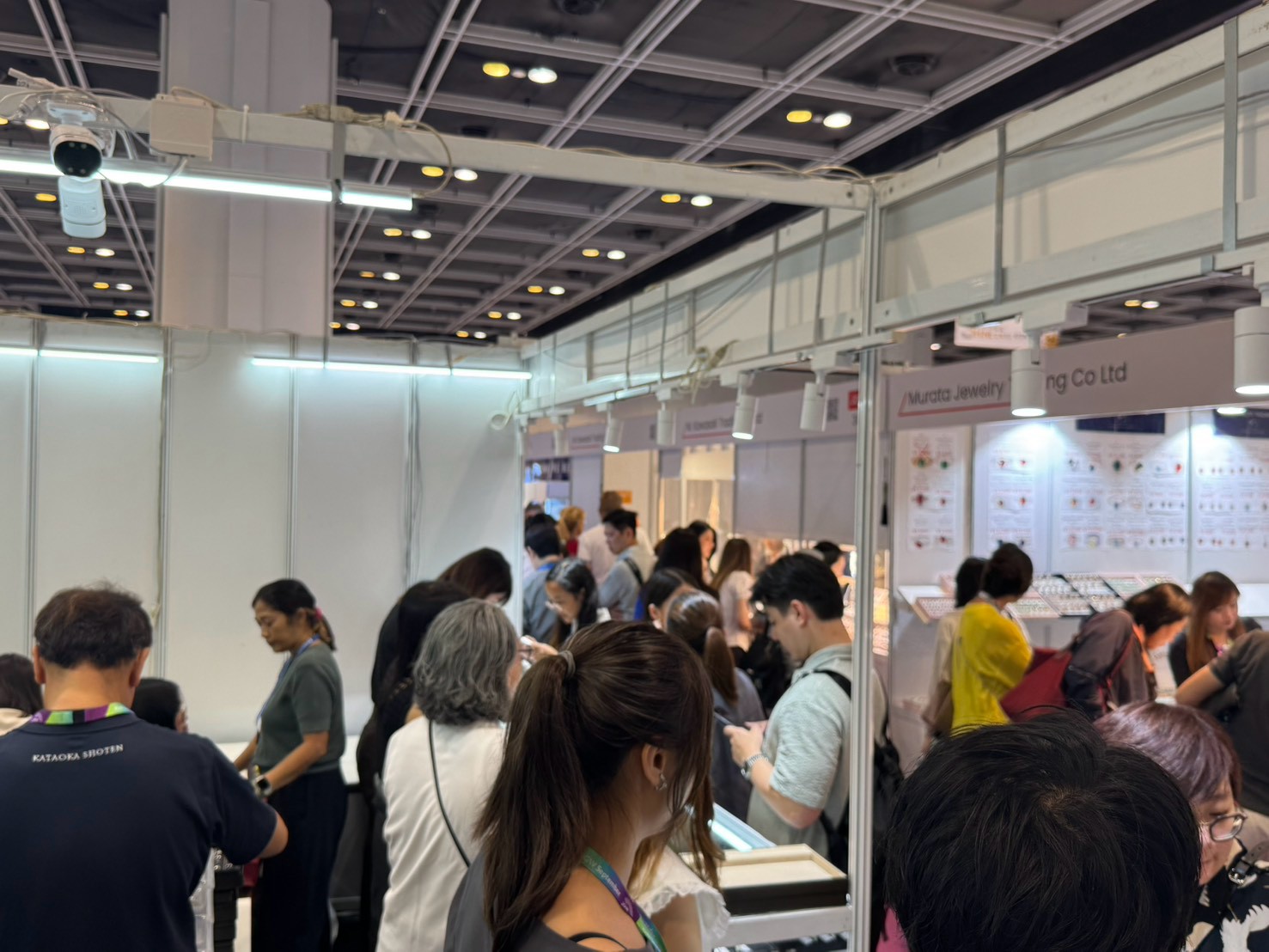
Convened amid these global market conditions, the jewelry show revealed not a uniformly active market but a more pronounced divergence in demand across product categories, price points, and buyer segments.
The rise in gold prices has pushed up product unit prices themselves, and it appeared that buyers were sourcing more cautiously than before. On the other hand, there continued to be steady demand for products that offered an appropriate balance of quality, price, and scarcity, indicating that the market had not reached a point where sales were entirely stagnant.
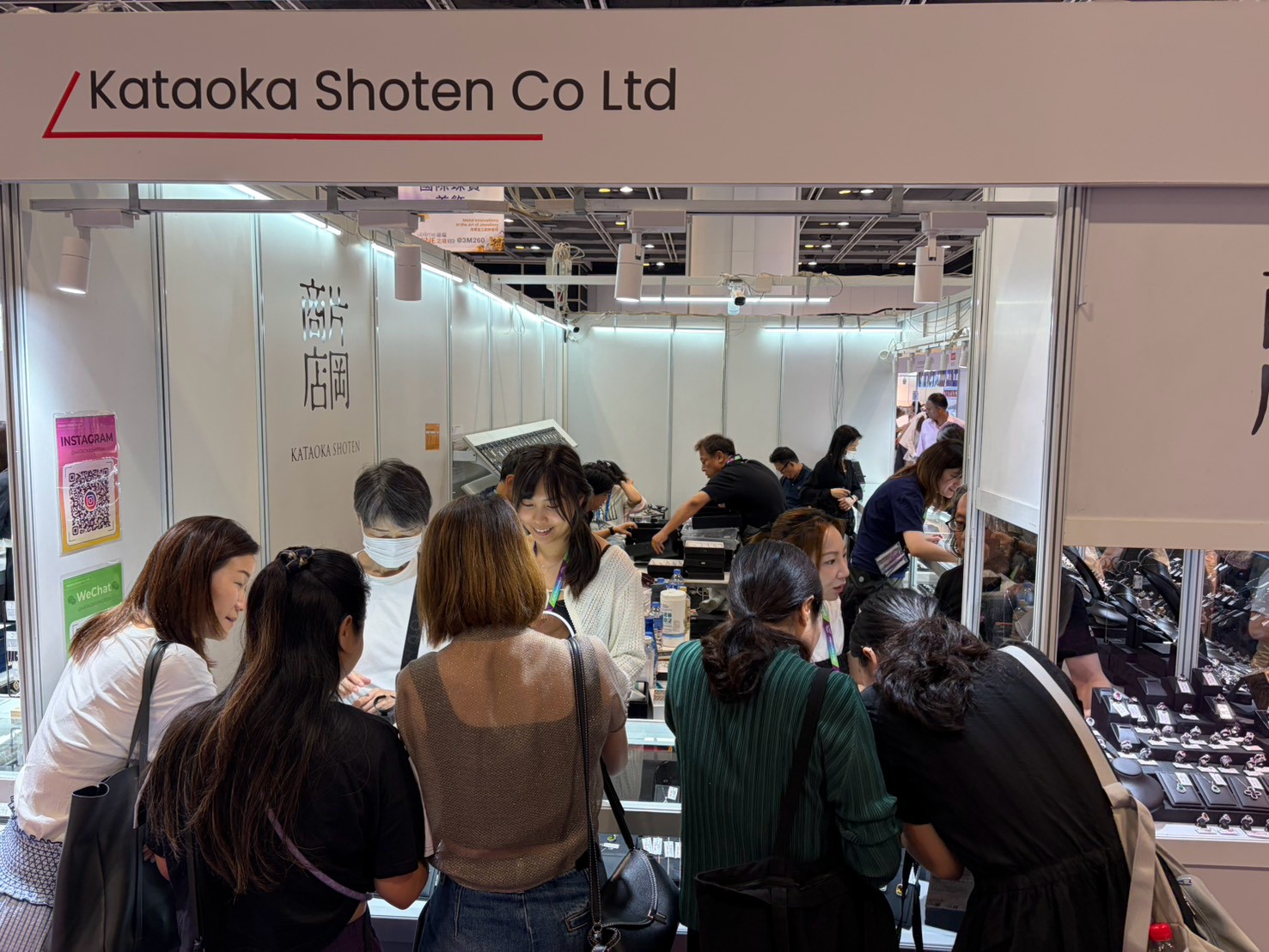
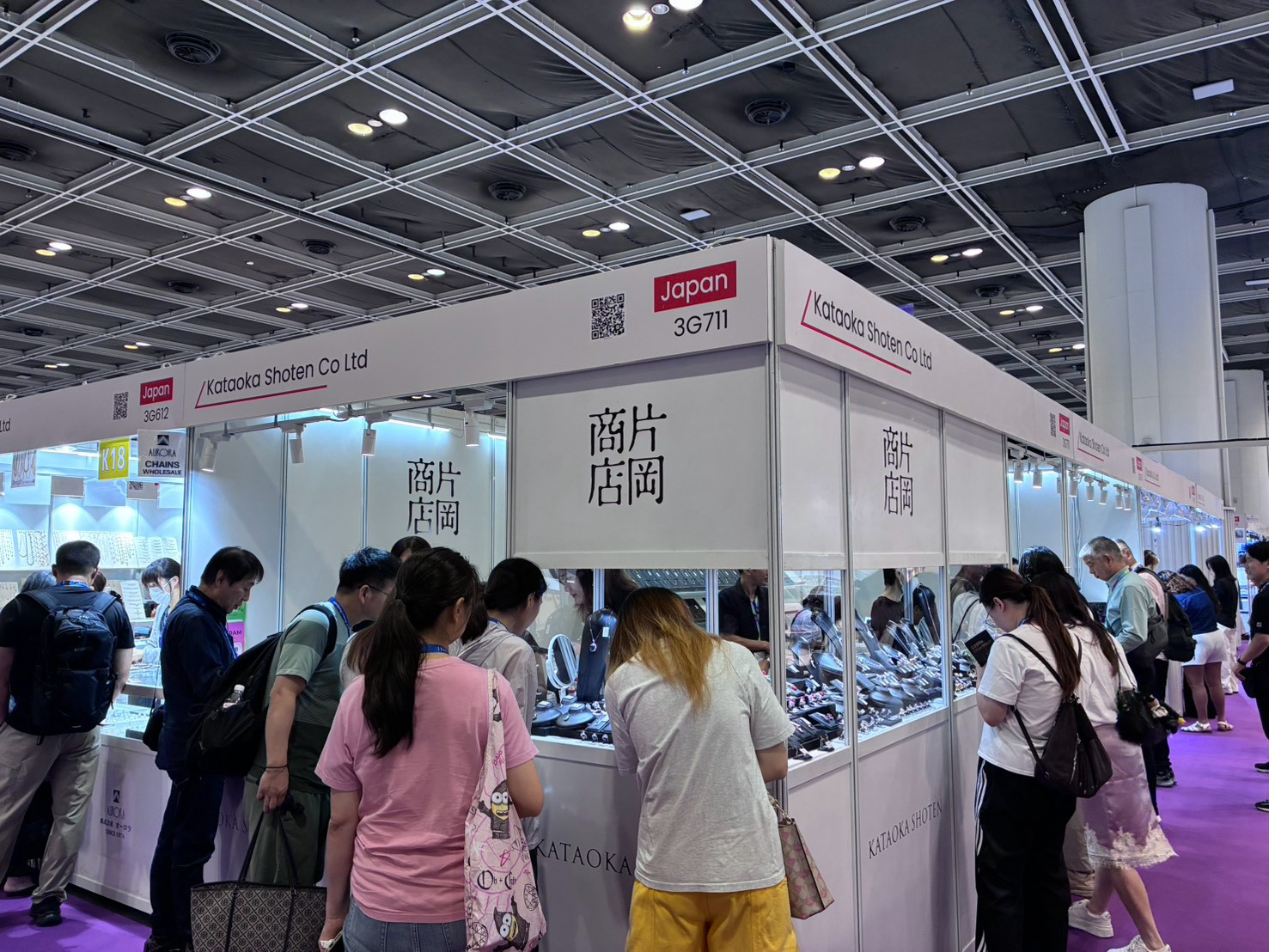
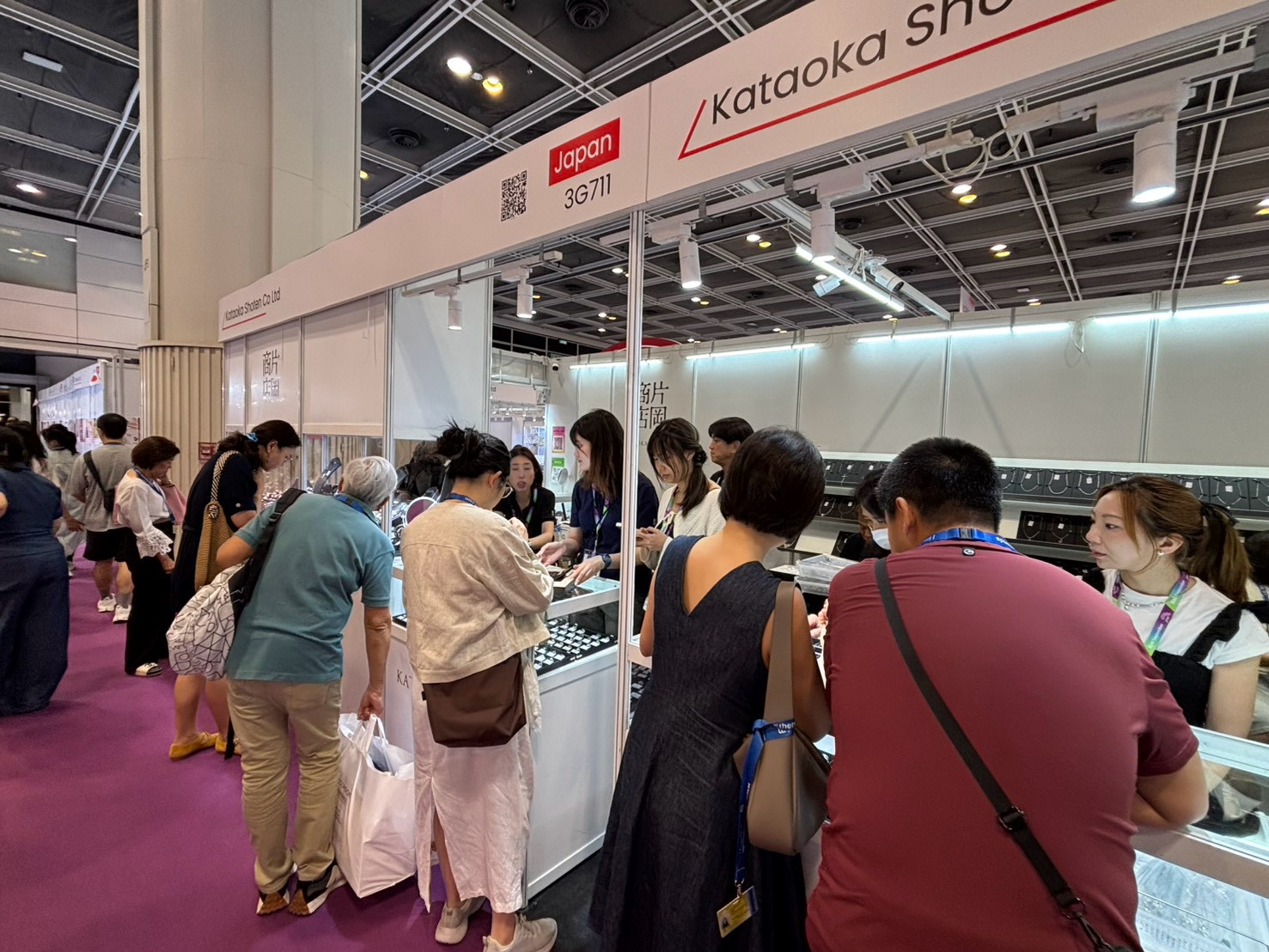
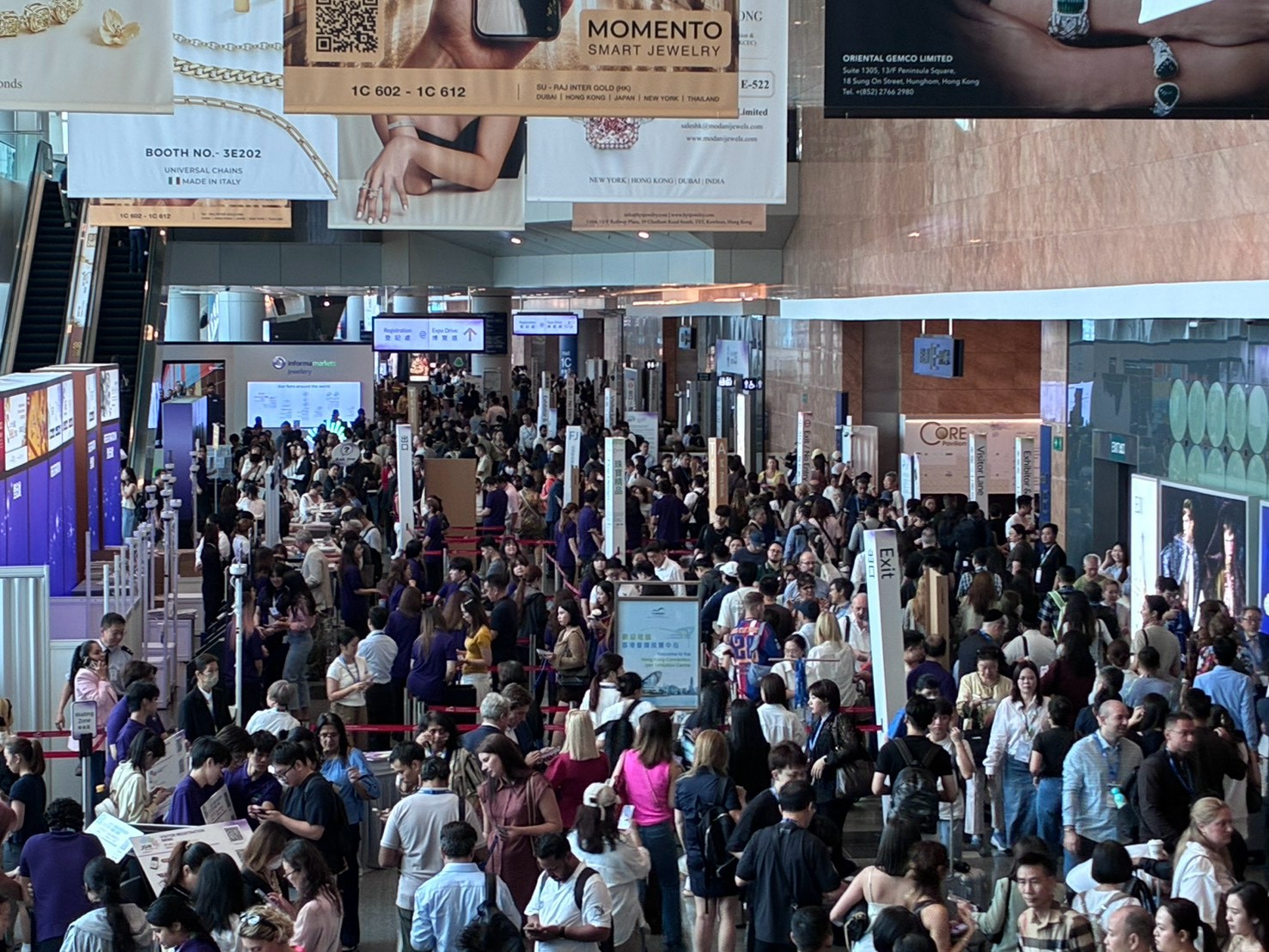
It seems that China’s regulations have been tightening, and the number of Chinese buyers has been decreasing. Instead, the number of buyers from other Asian countries increased, and the venue appeared to be lively throughout the event. Live commerce also appeared to remain highly active, with many streamers participating just as in previous years. However, many exhibitors noted that despite the apparent crowds, their sales figures were not rising as expected, suggesting that the situation was not one they could celebrate wholeheartedly. The cause may lie in the products themselves.
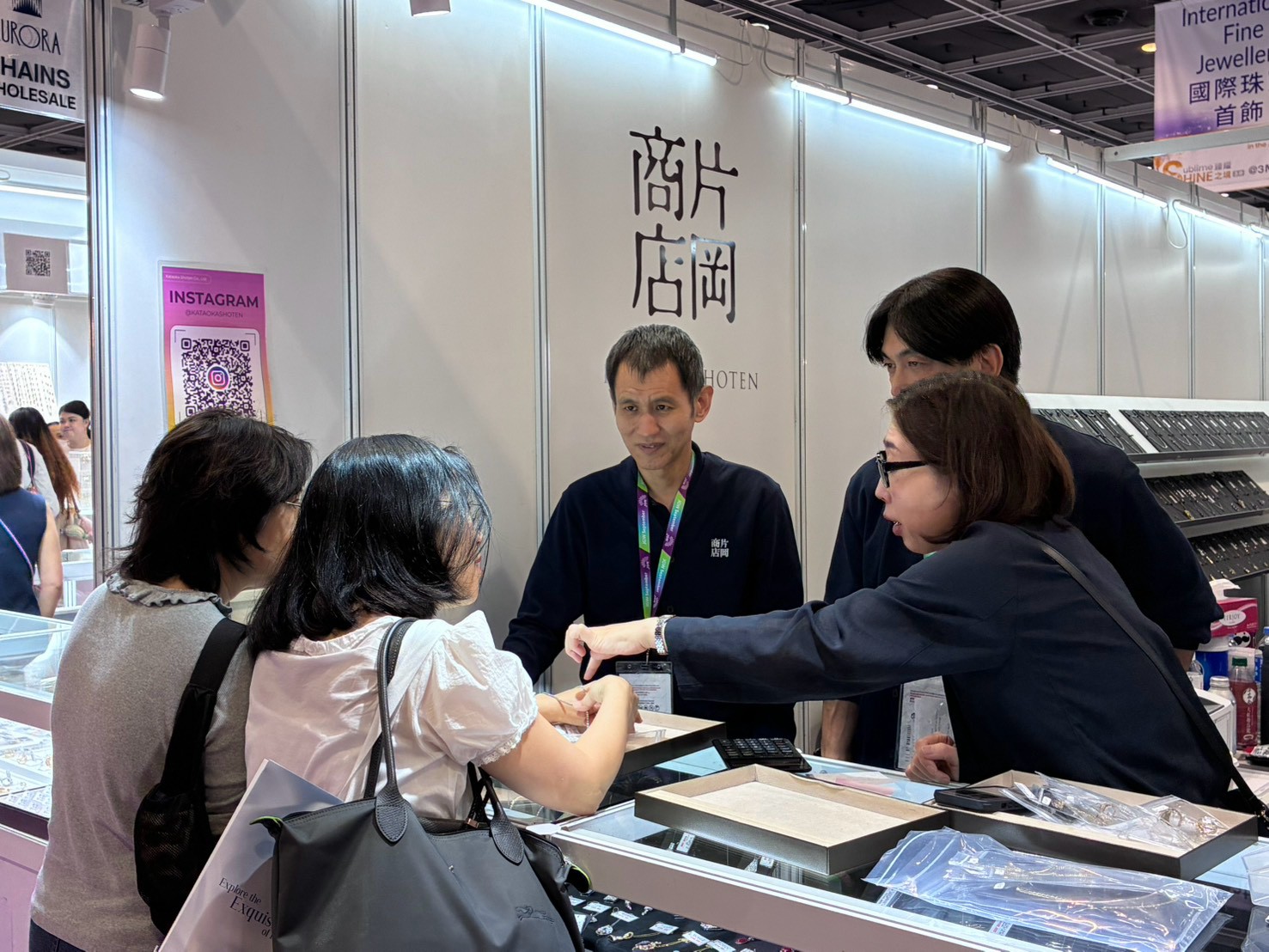
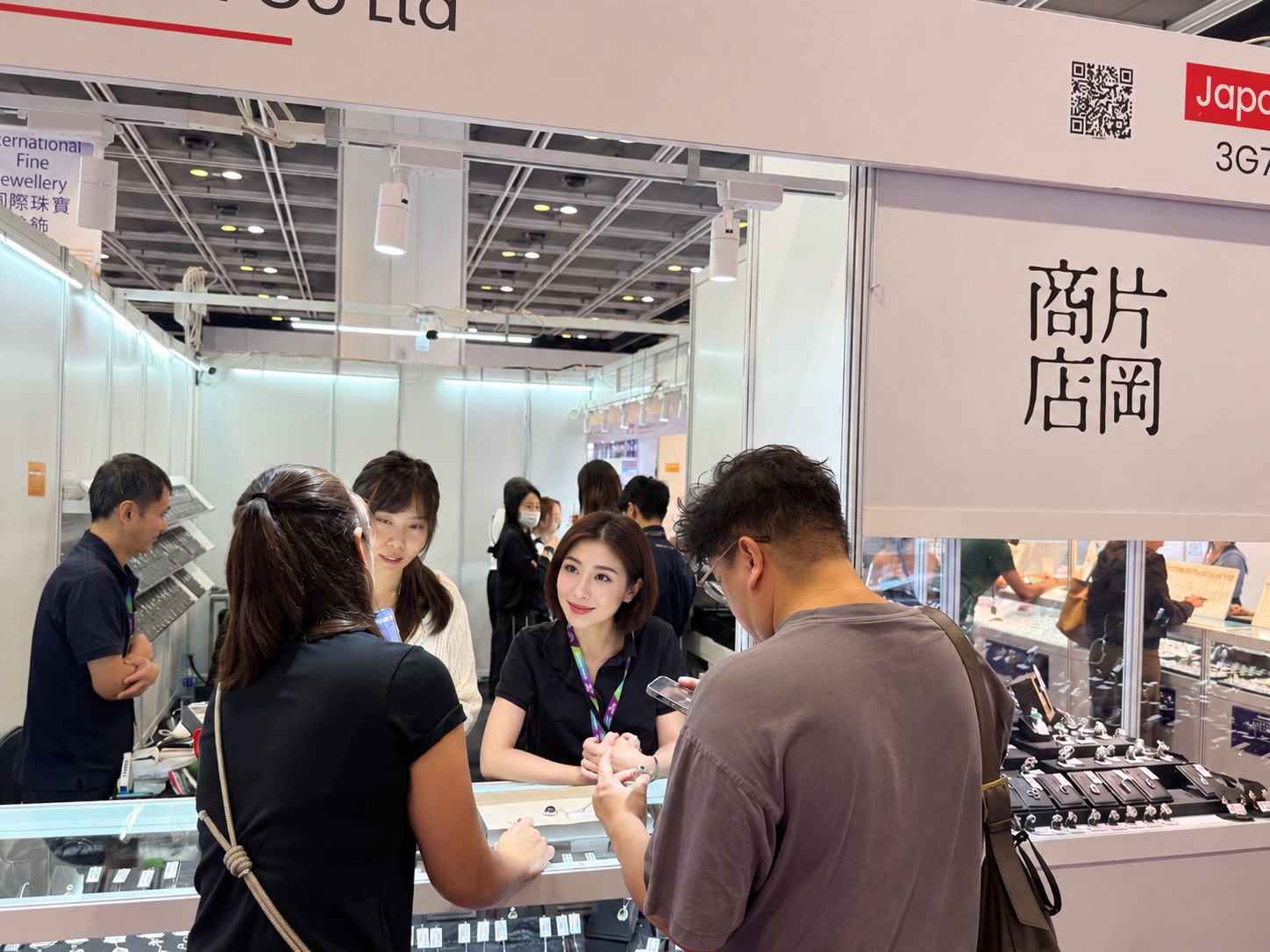
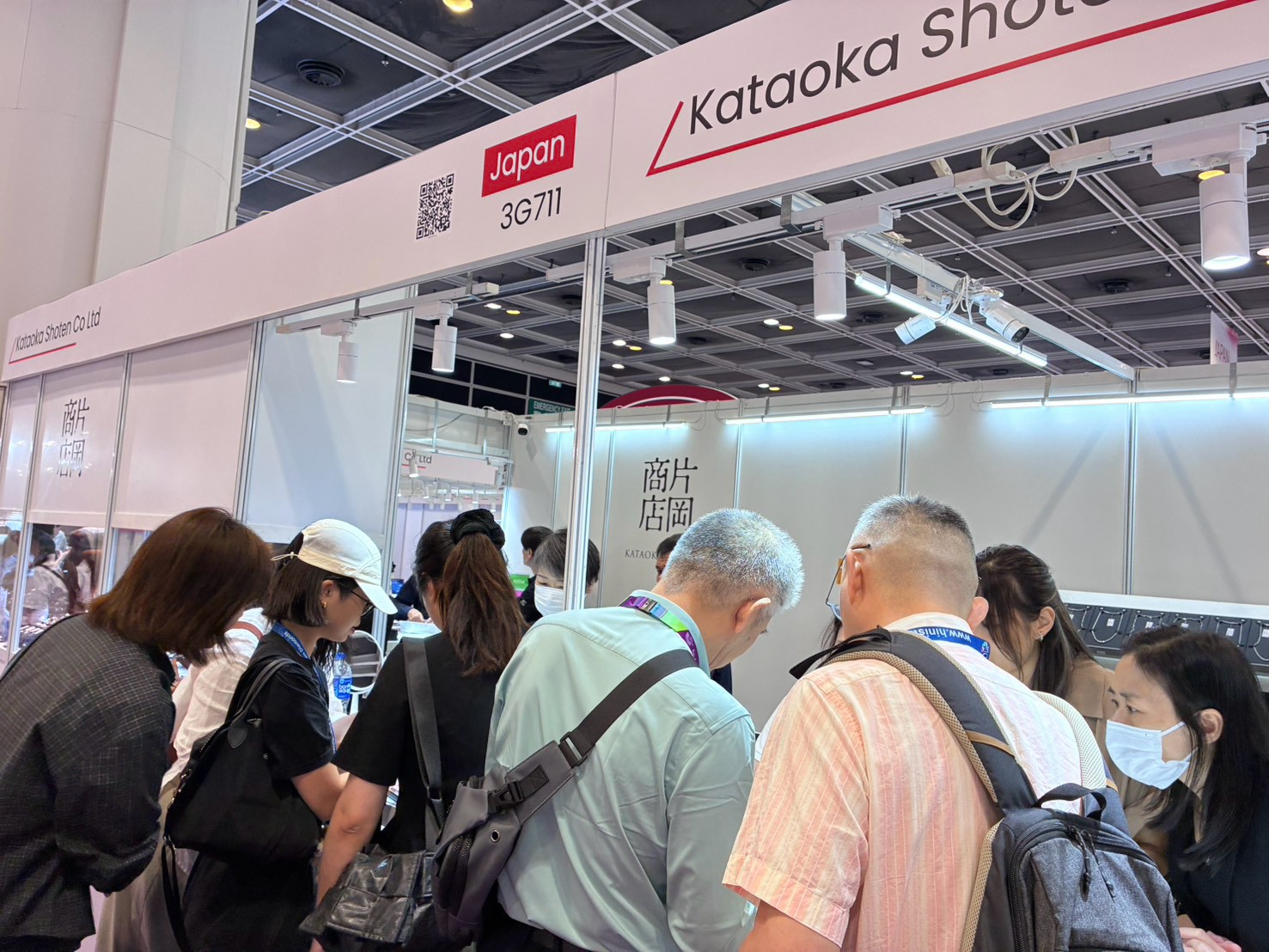
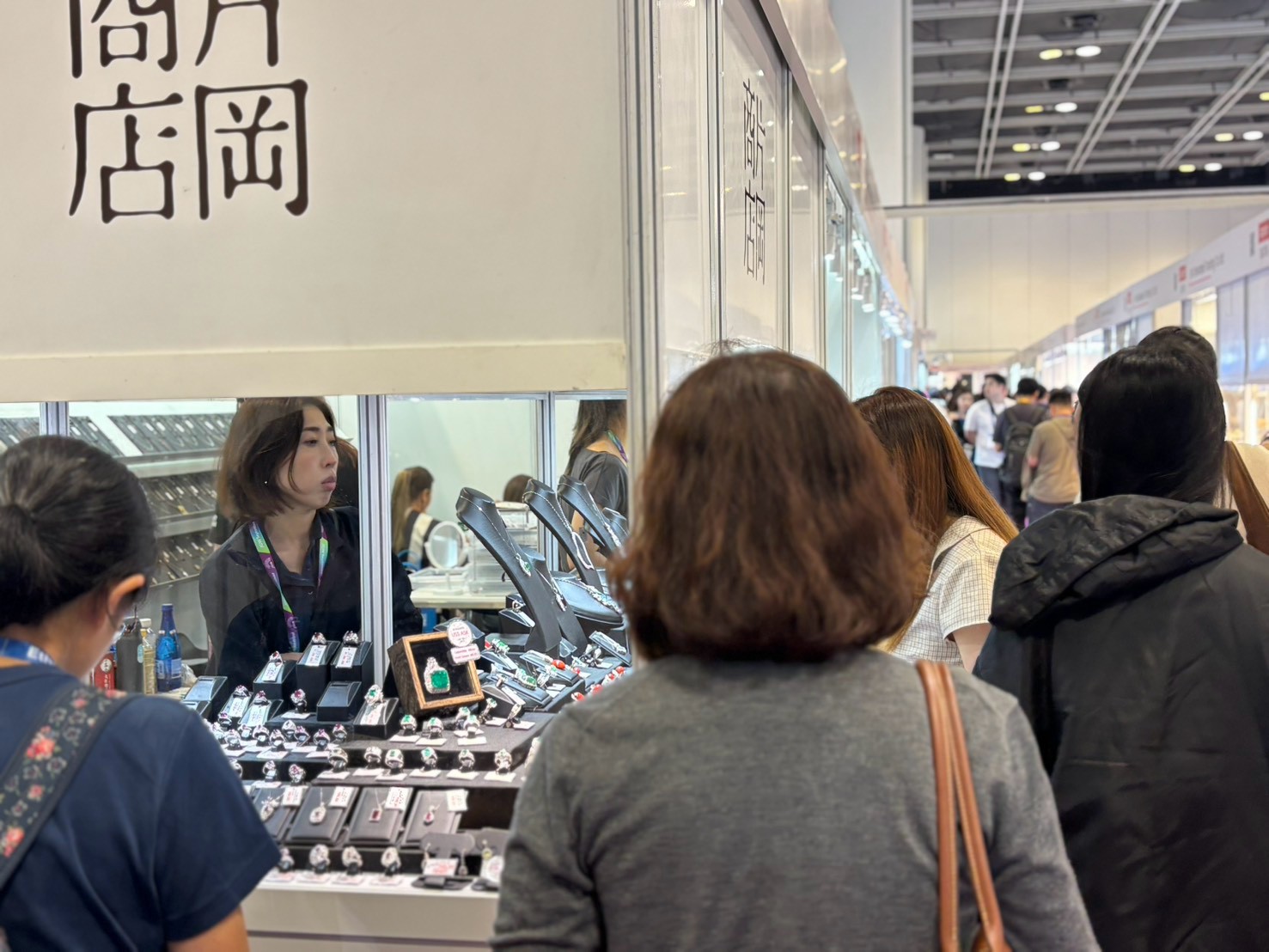
At the beginning of the year, the rise in gold prices itself boosted the entire industry. However, it seems that the market is no longer a straightforward one in which everyone benefits simply because gold prices rise. I have a strong impression that the industry is entering a phase in which profits must be generated not by relying on market movements, but through the core strengths of the jewelry business, such as the ability to evaluate products, make purchasing decisions, and execute effective sales. It is likely no longer a period in which anything will sell simply because it is inexpensive.
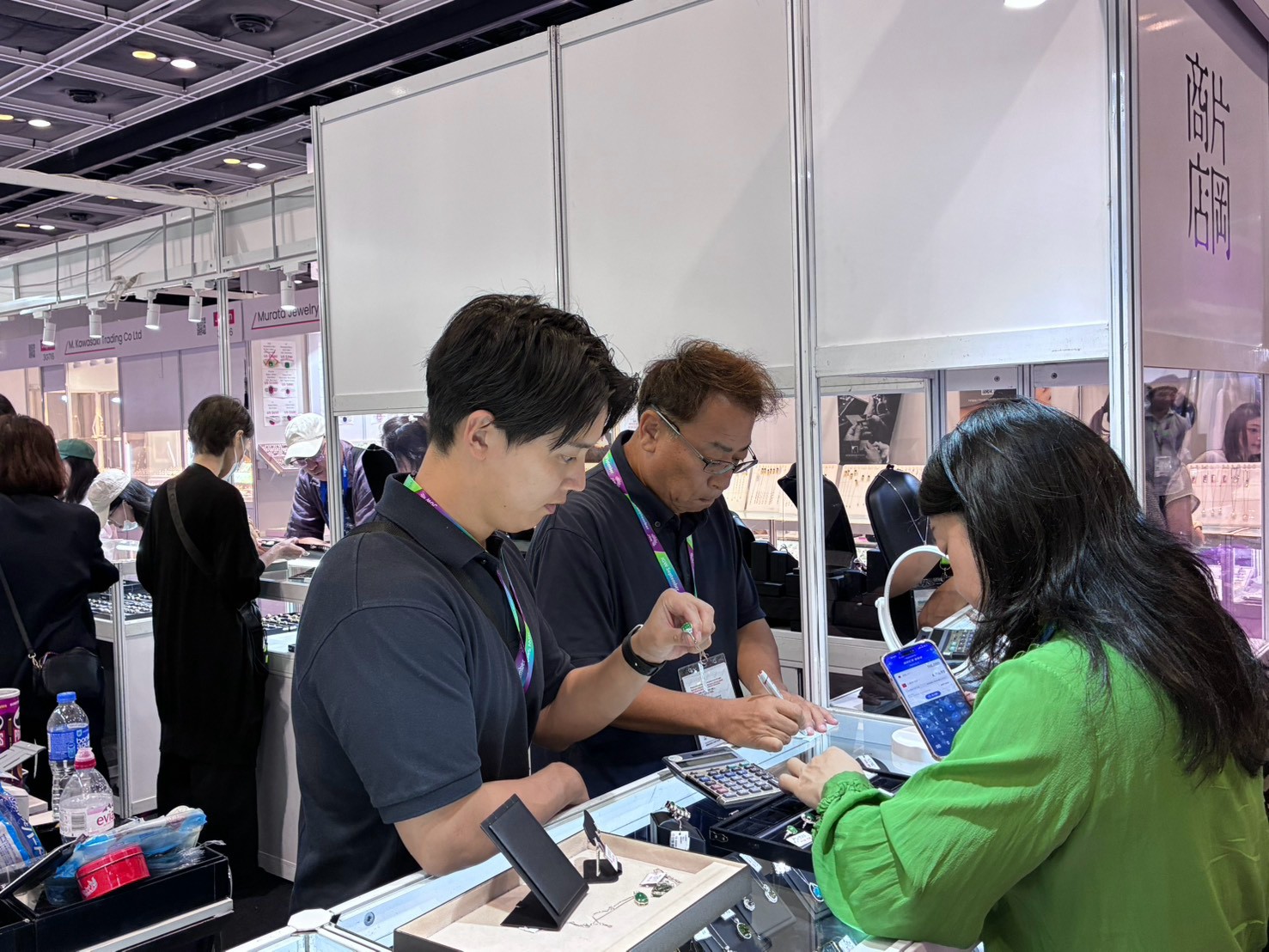
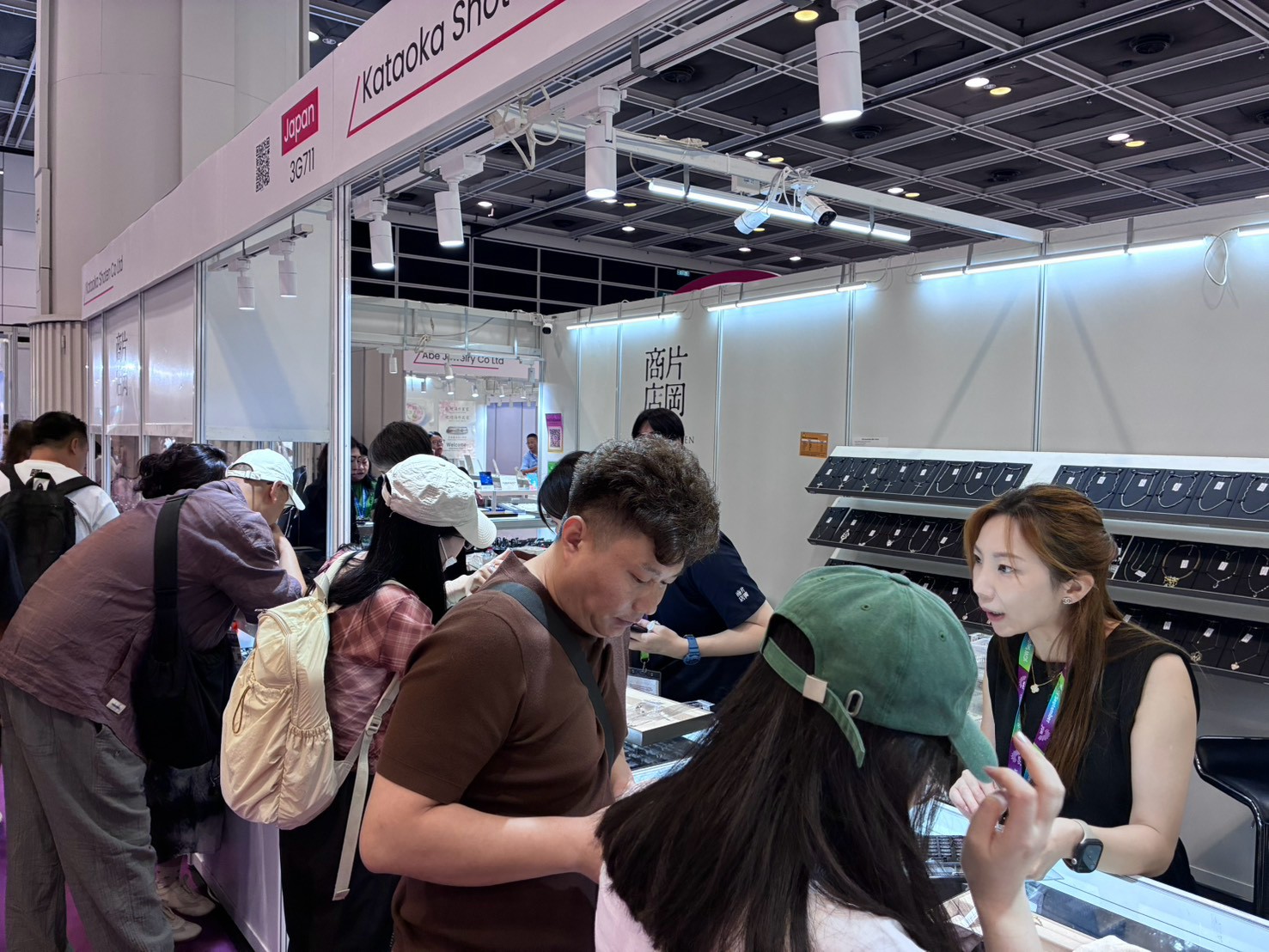
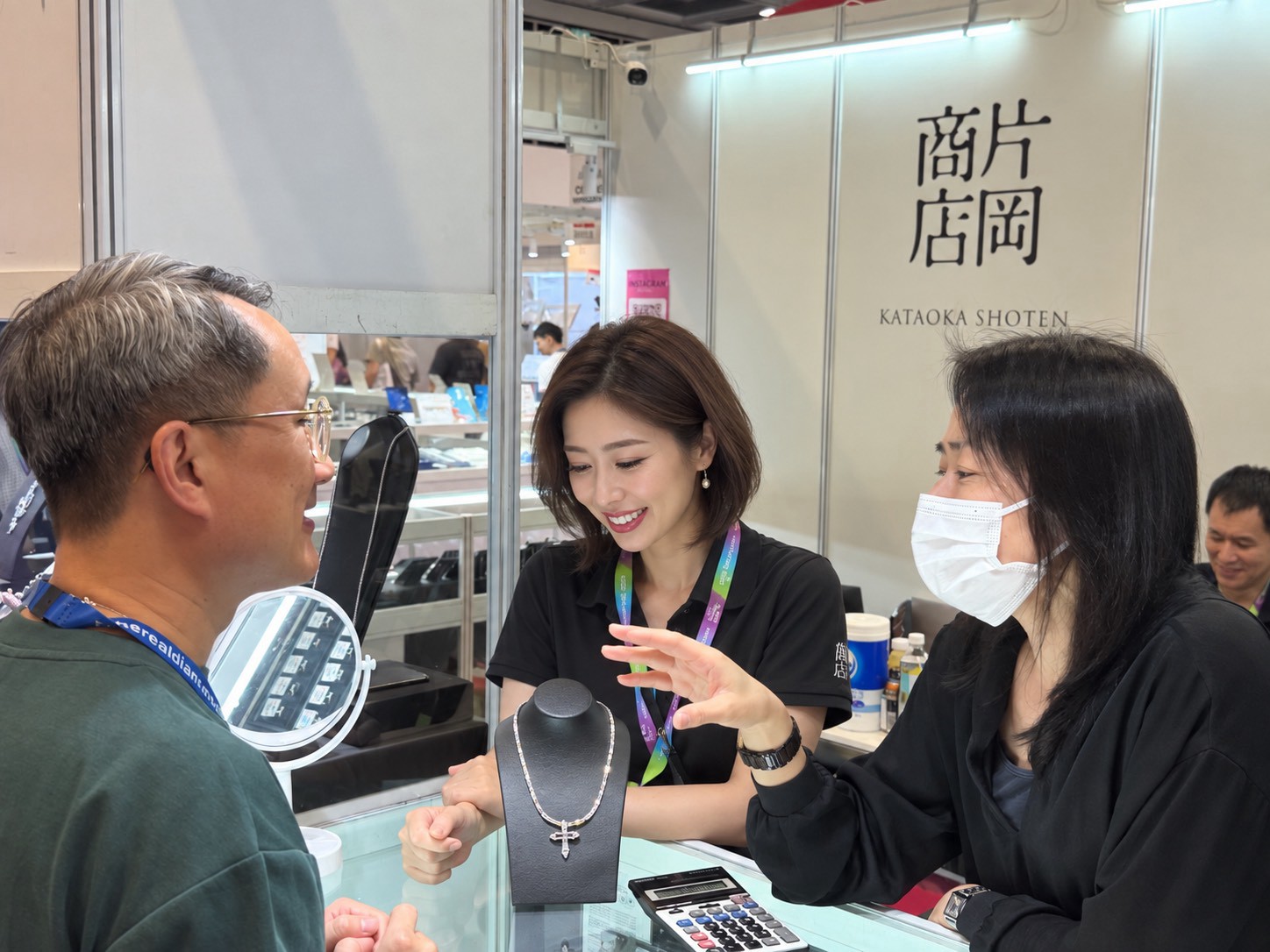
At this jewelry show, I strongly felt that the current situation in Hong Kong has changed significantly compared with previous years. The lineup of buyers, the types of products in demand, and even the price ranges of the merchandise had all changed dramatically. With momentum shifting toward the jewelry show held in Bangkok prior to the Hong Kong event, it appears that the jewelry business in Hong Kong is poised to undergo further changes, requiring companies to adapt quickly to the evolving environment.
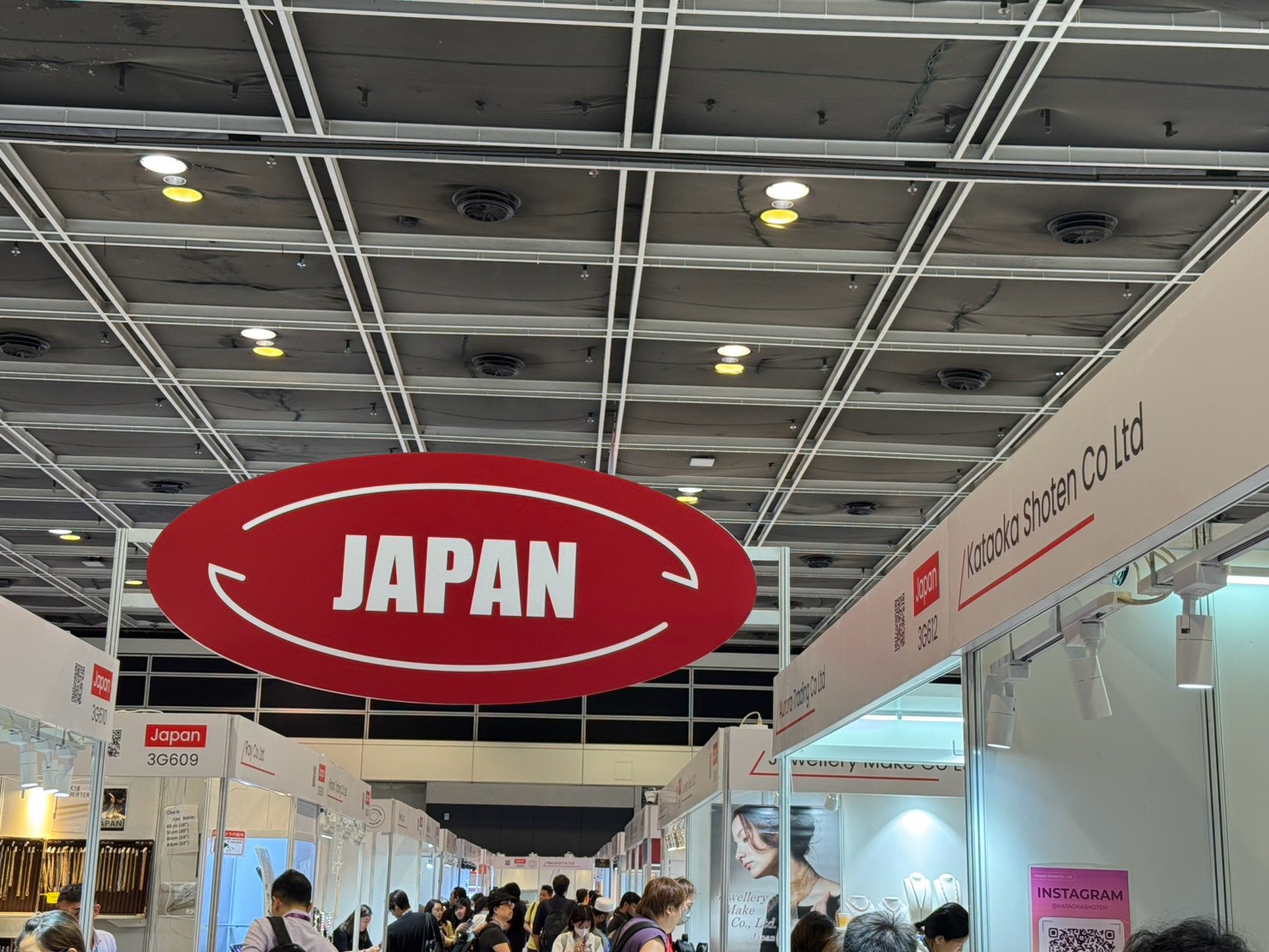
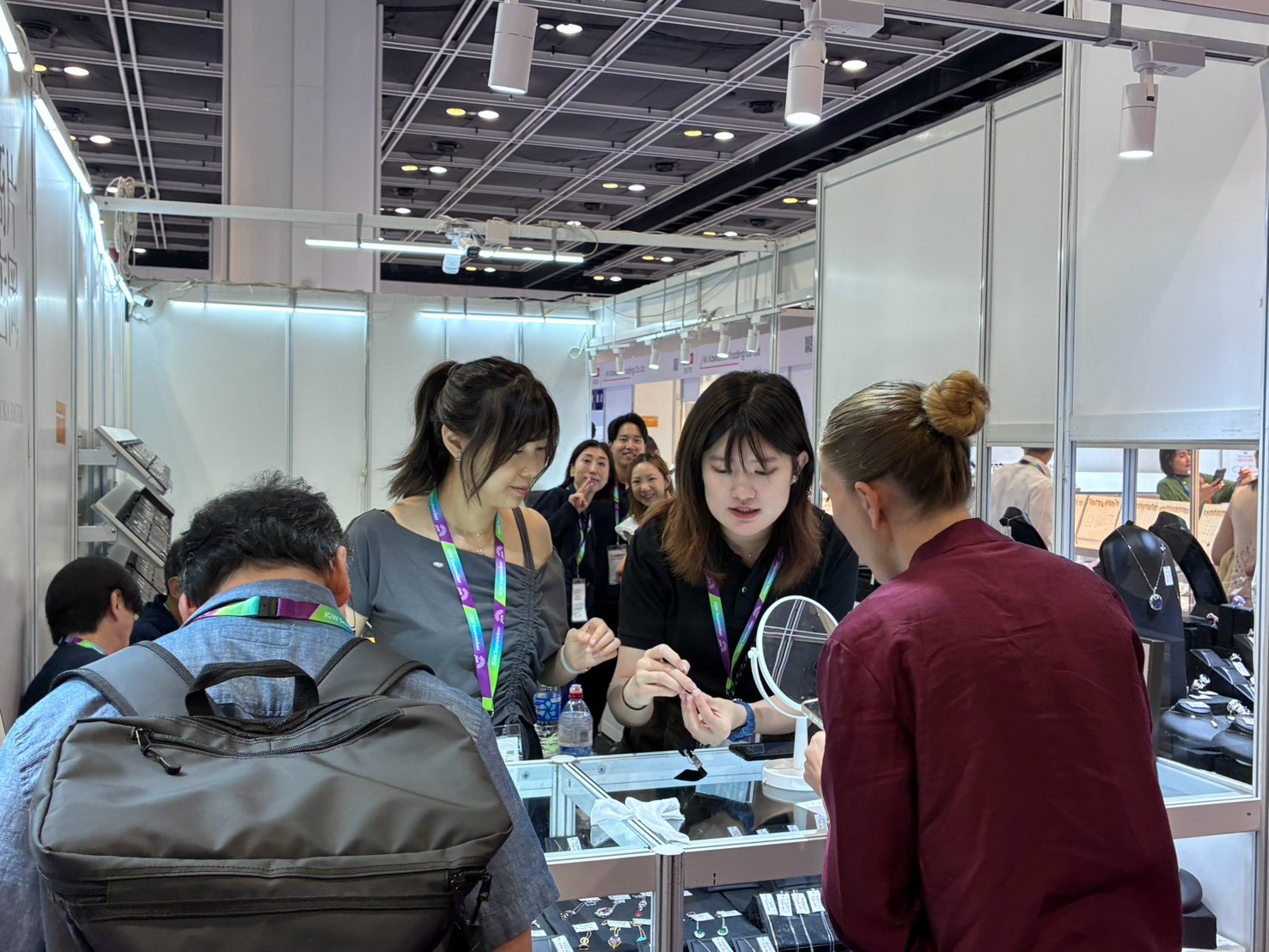
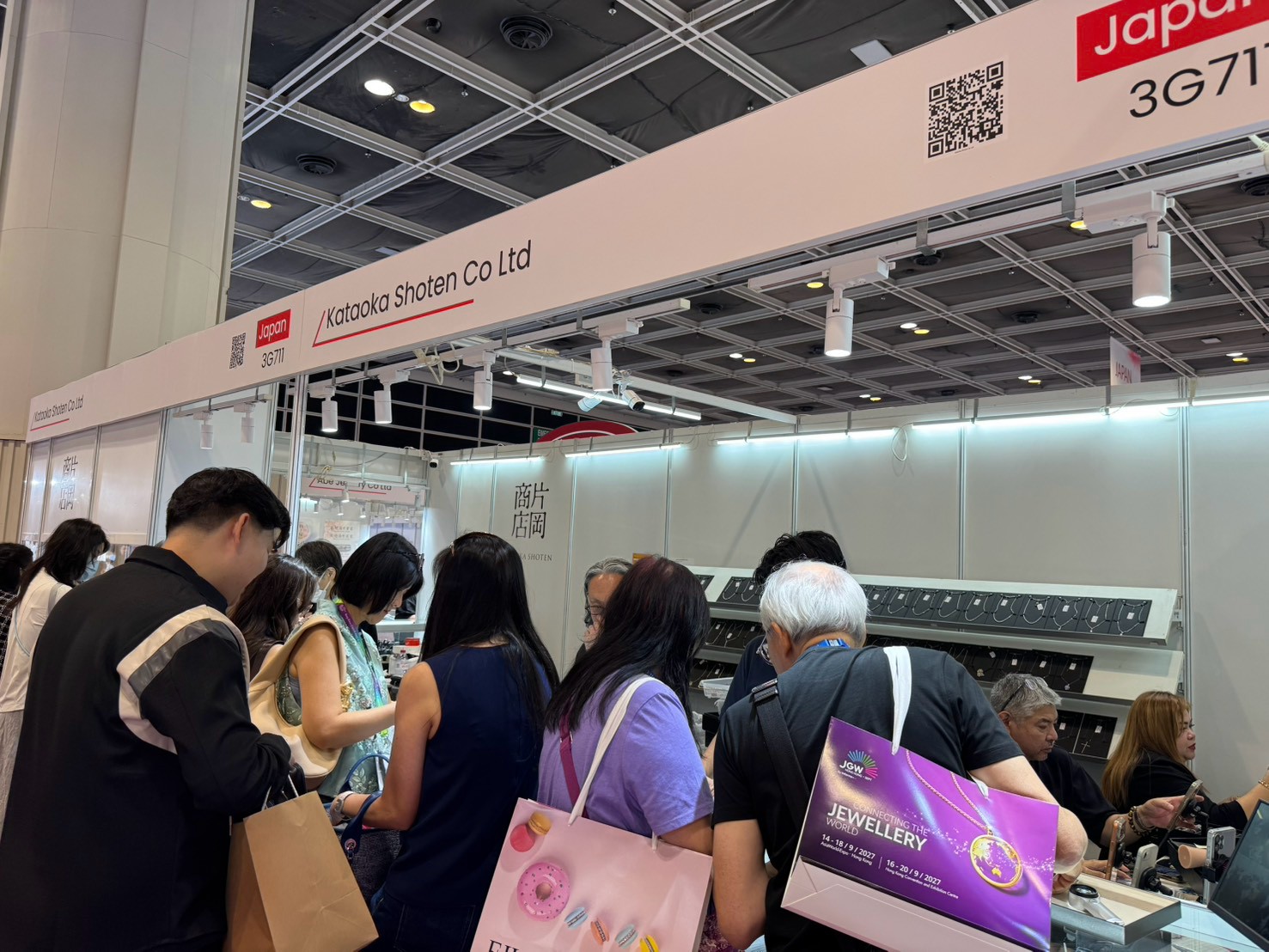
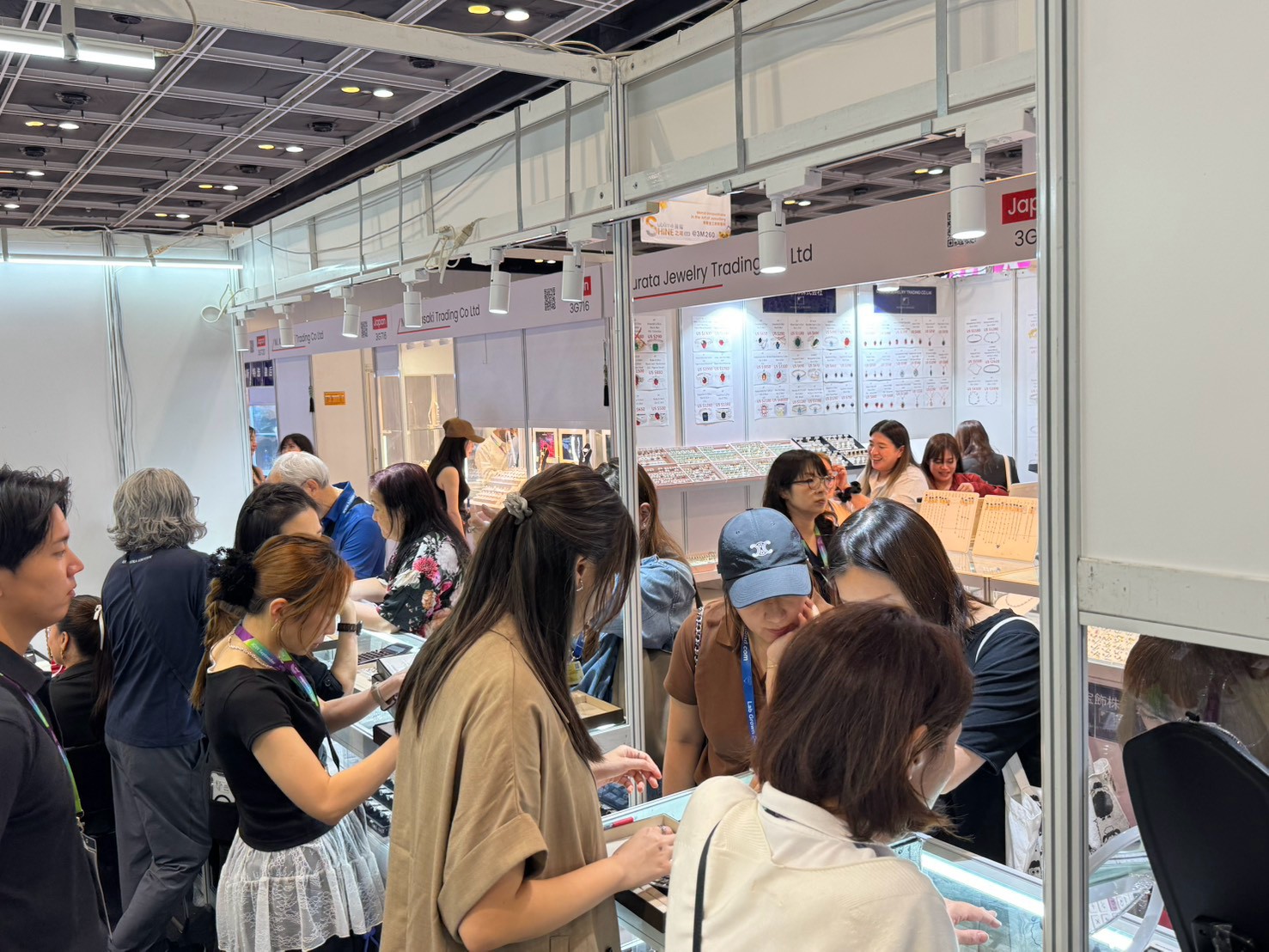
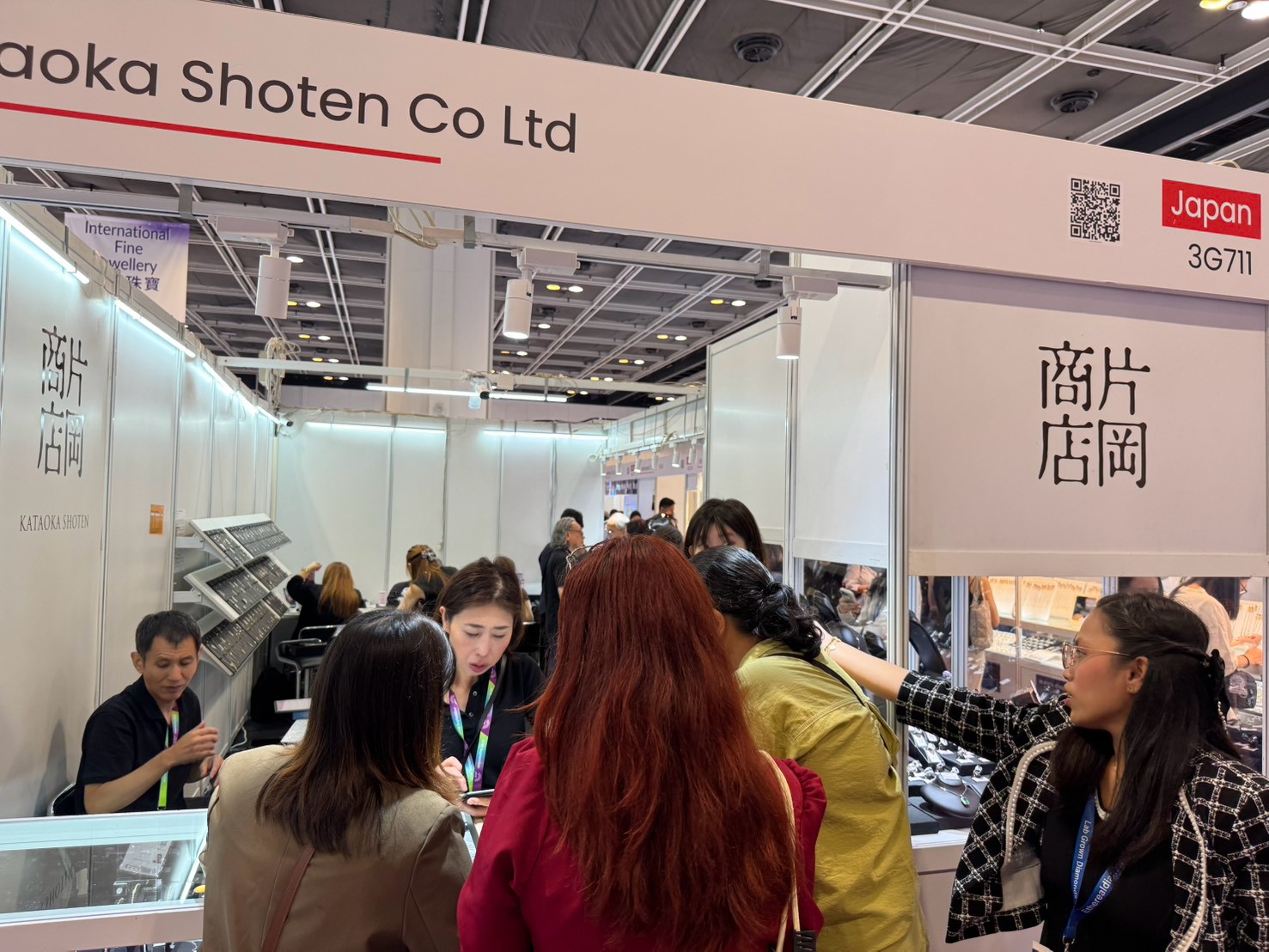
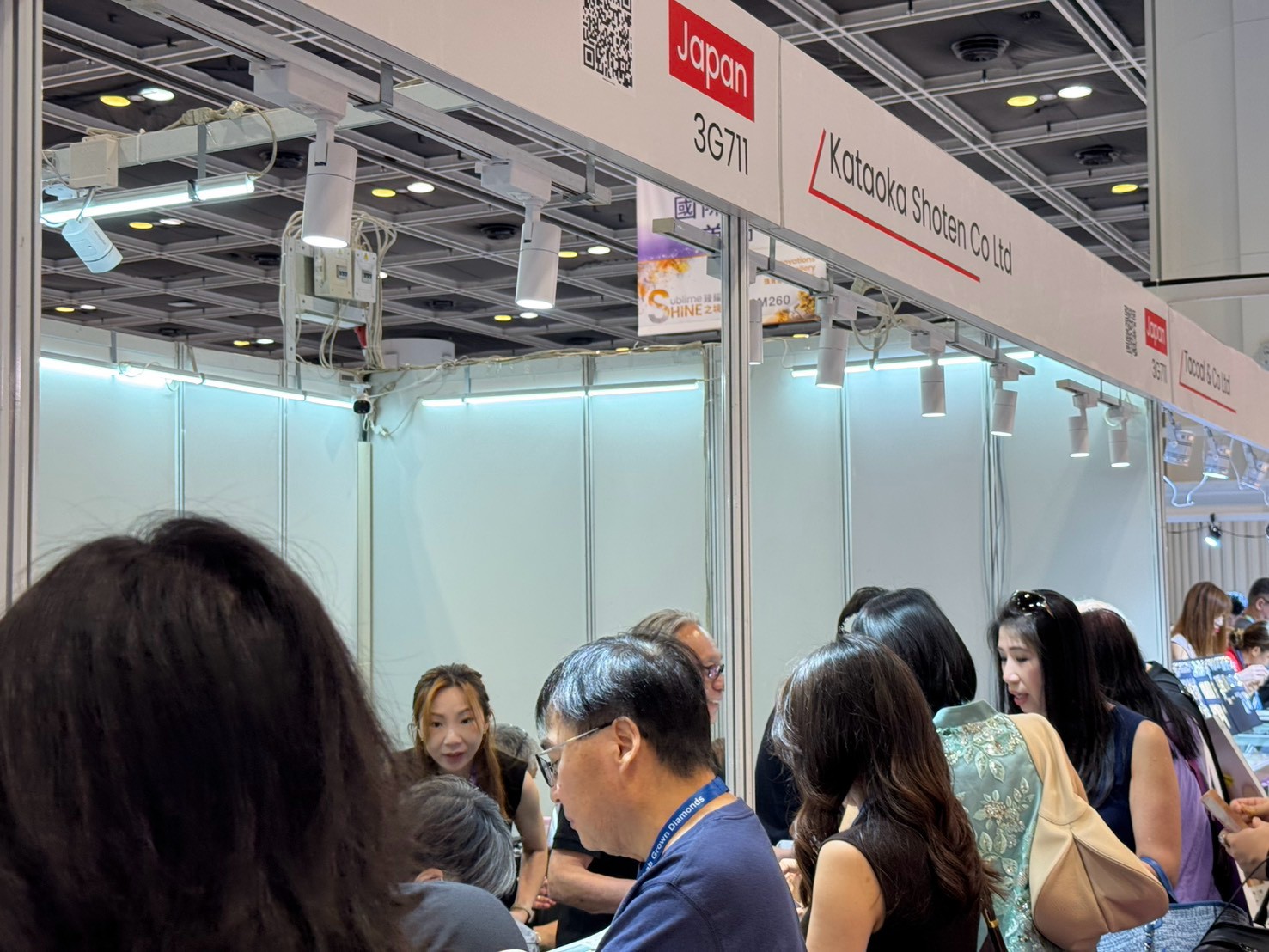
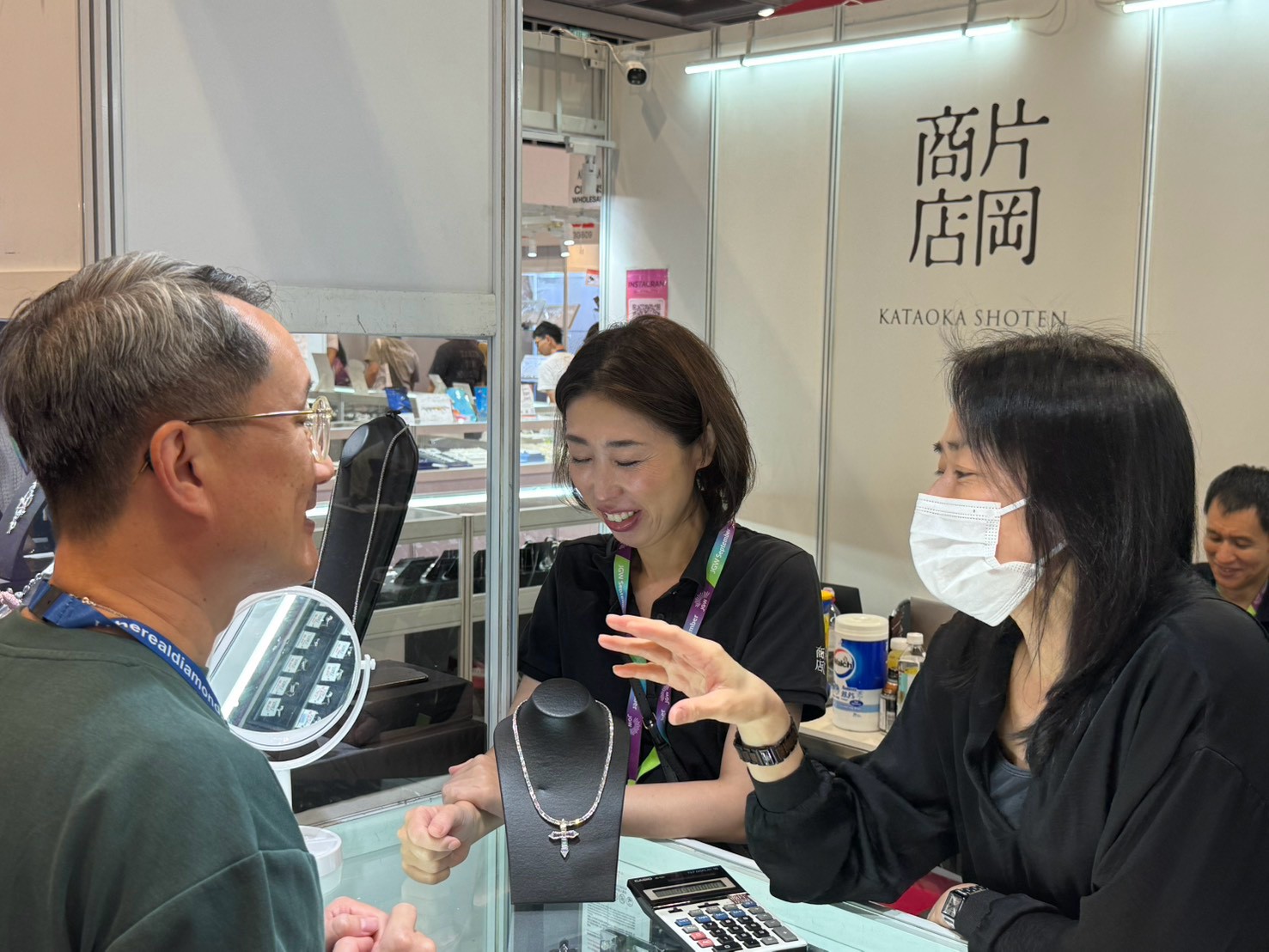
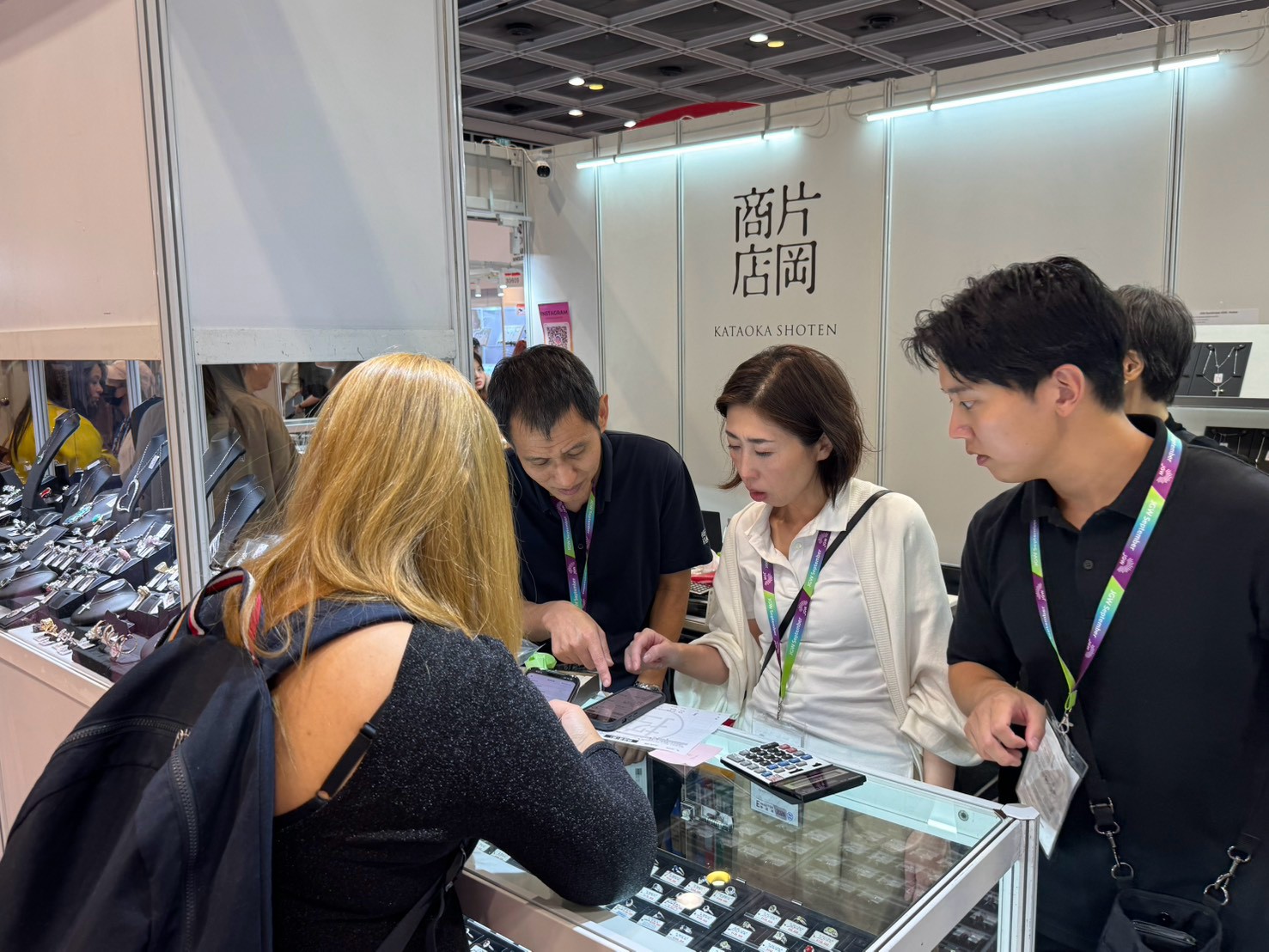
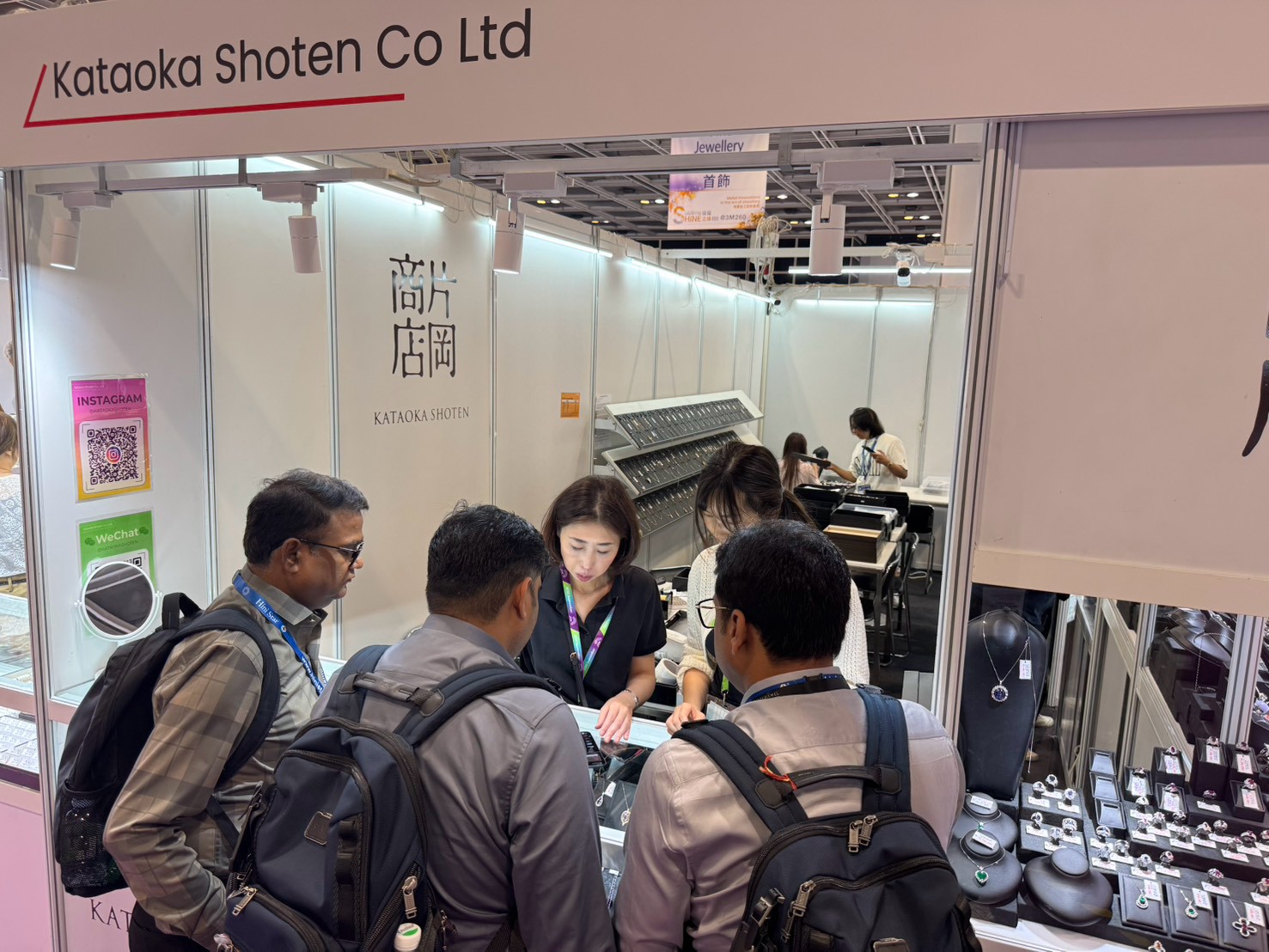
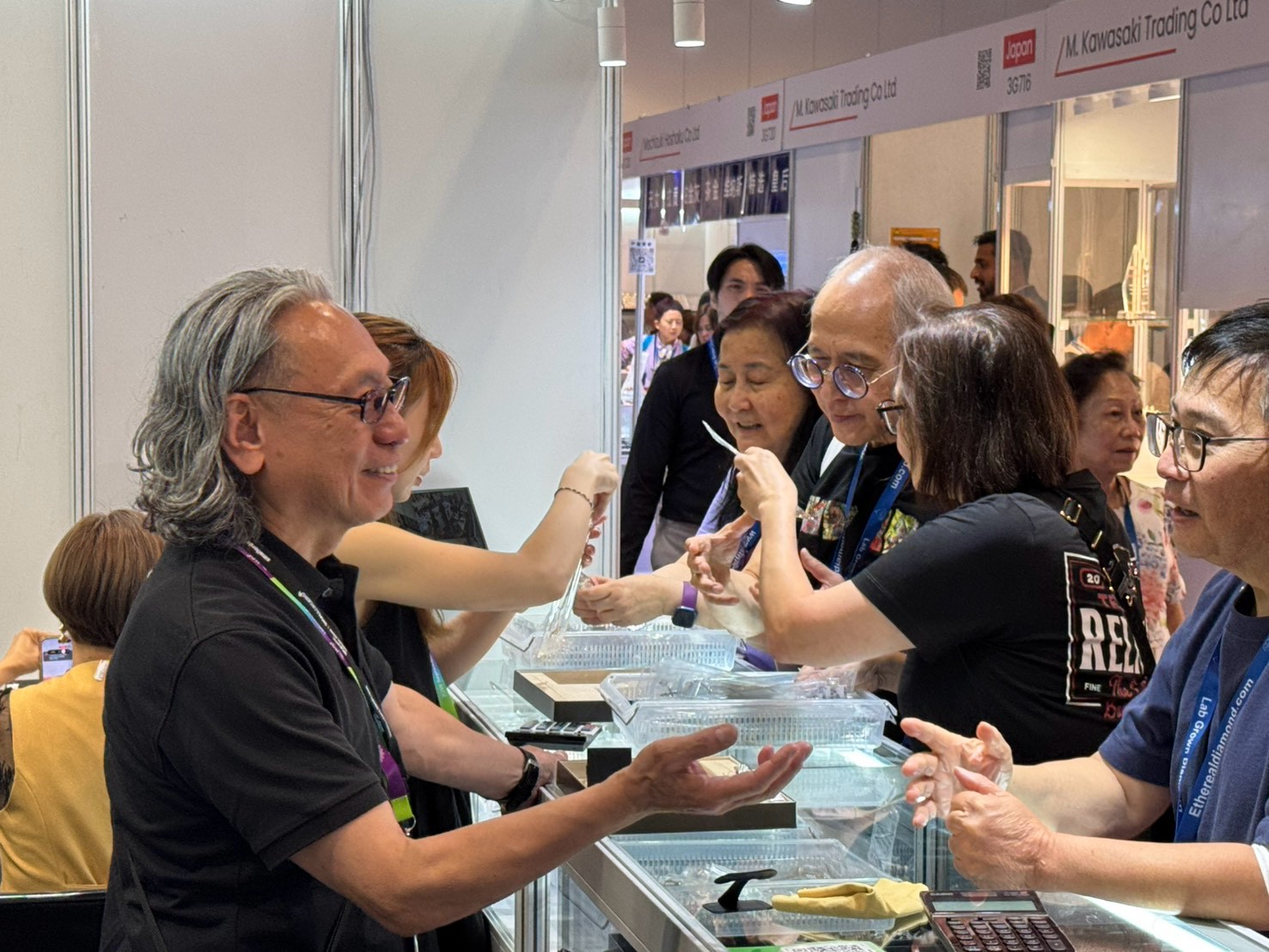
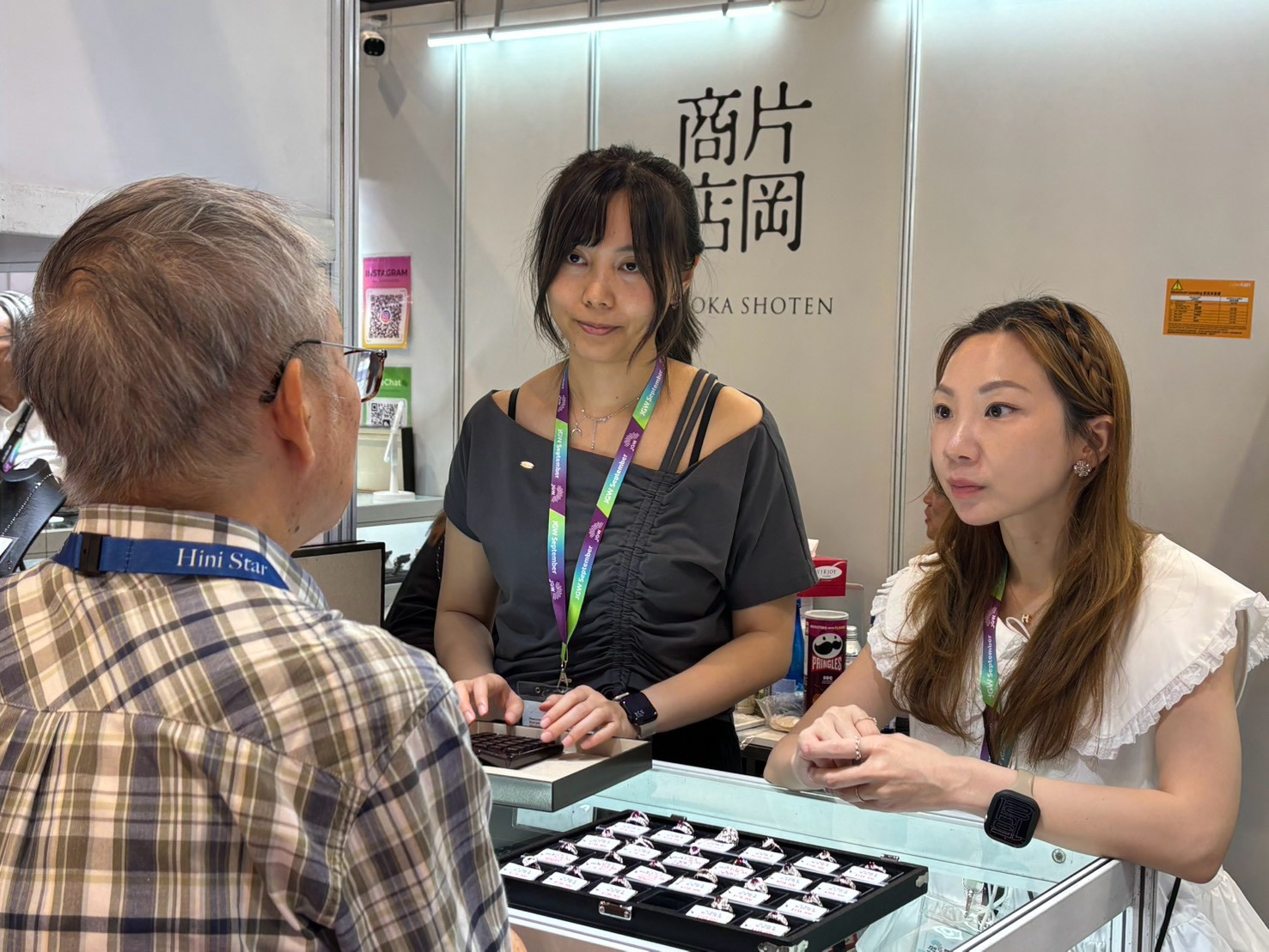
Despite the extremely challenging market conditions, we were grateful to welcome many buyers to our booth. We will continue to make every effort to meet your needs. It would be our pleasure to see you again at the next jewelry show. Thank you very much for your continued support.