 user1
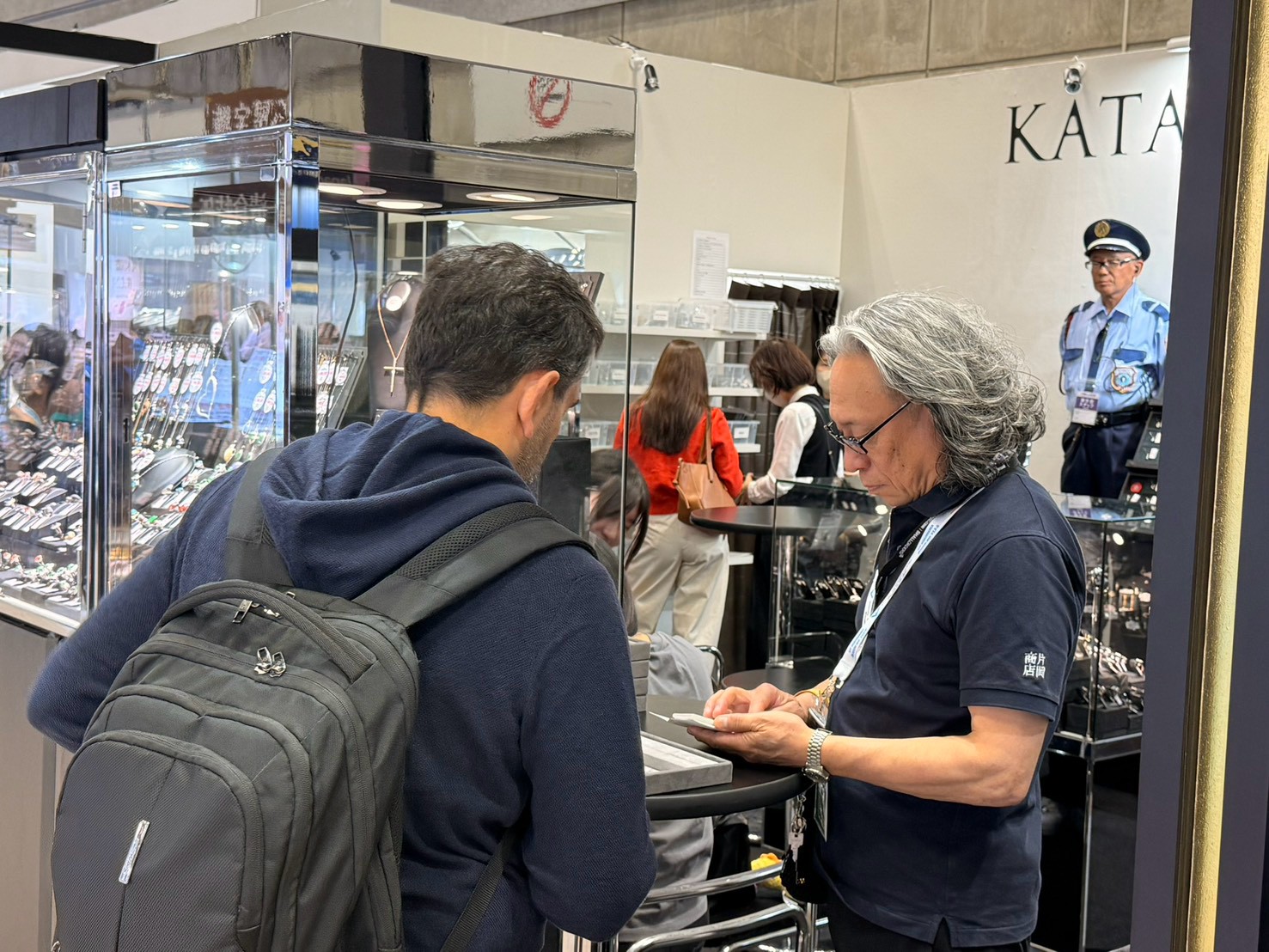
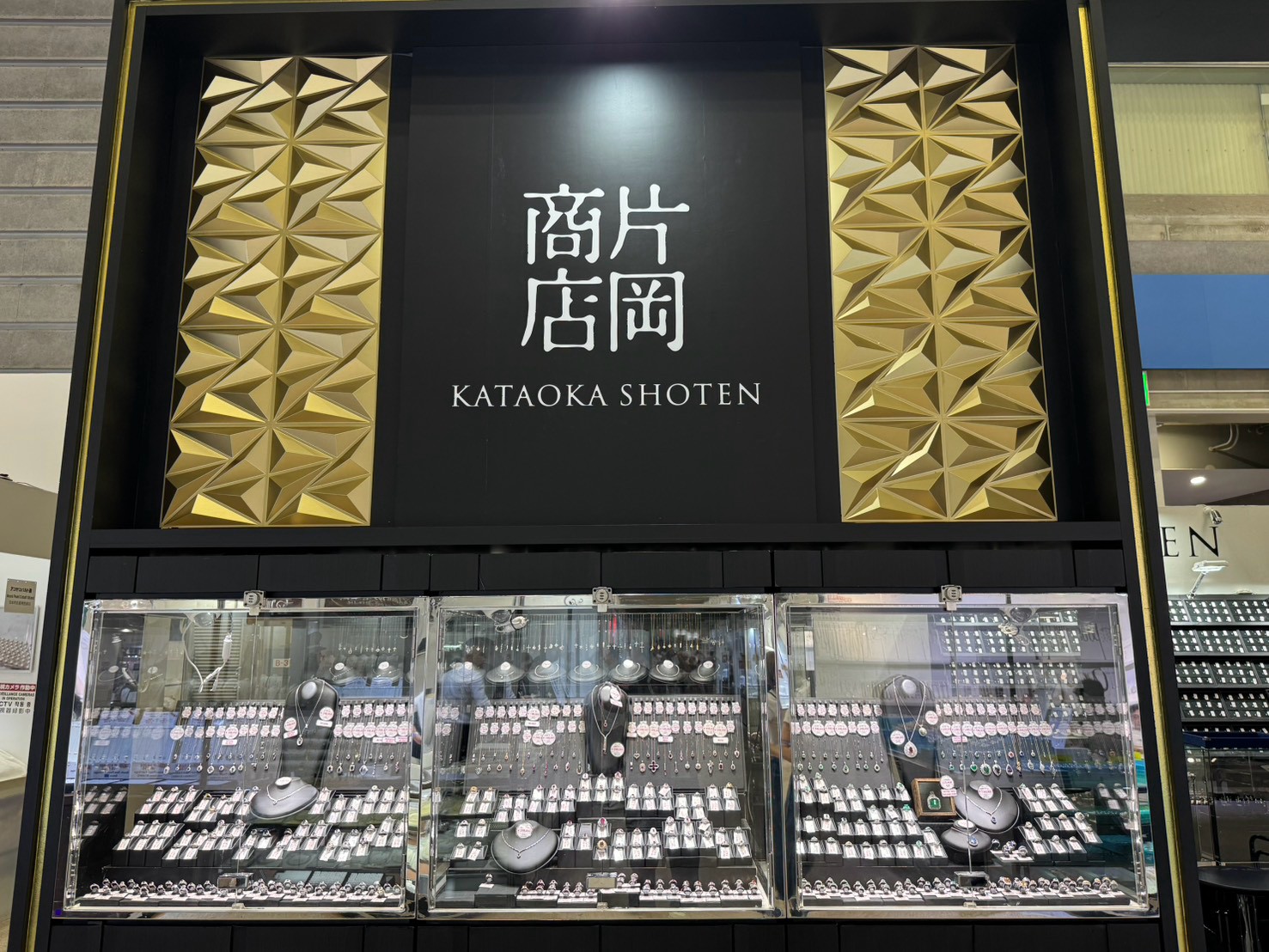
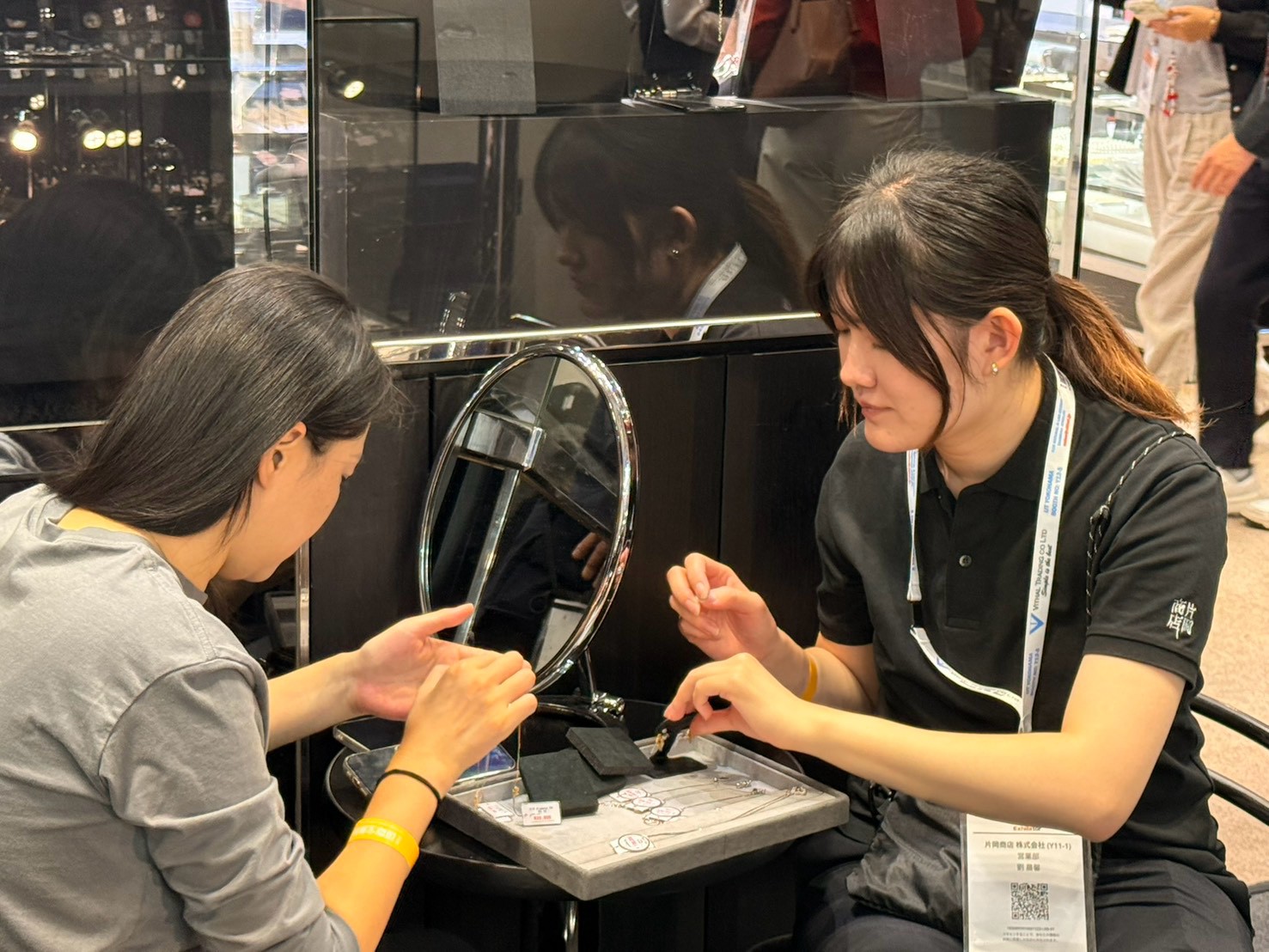
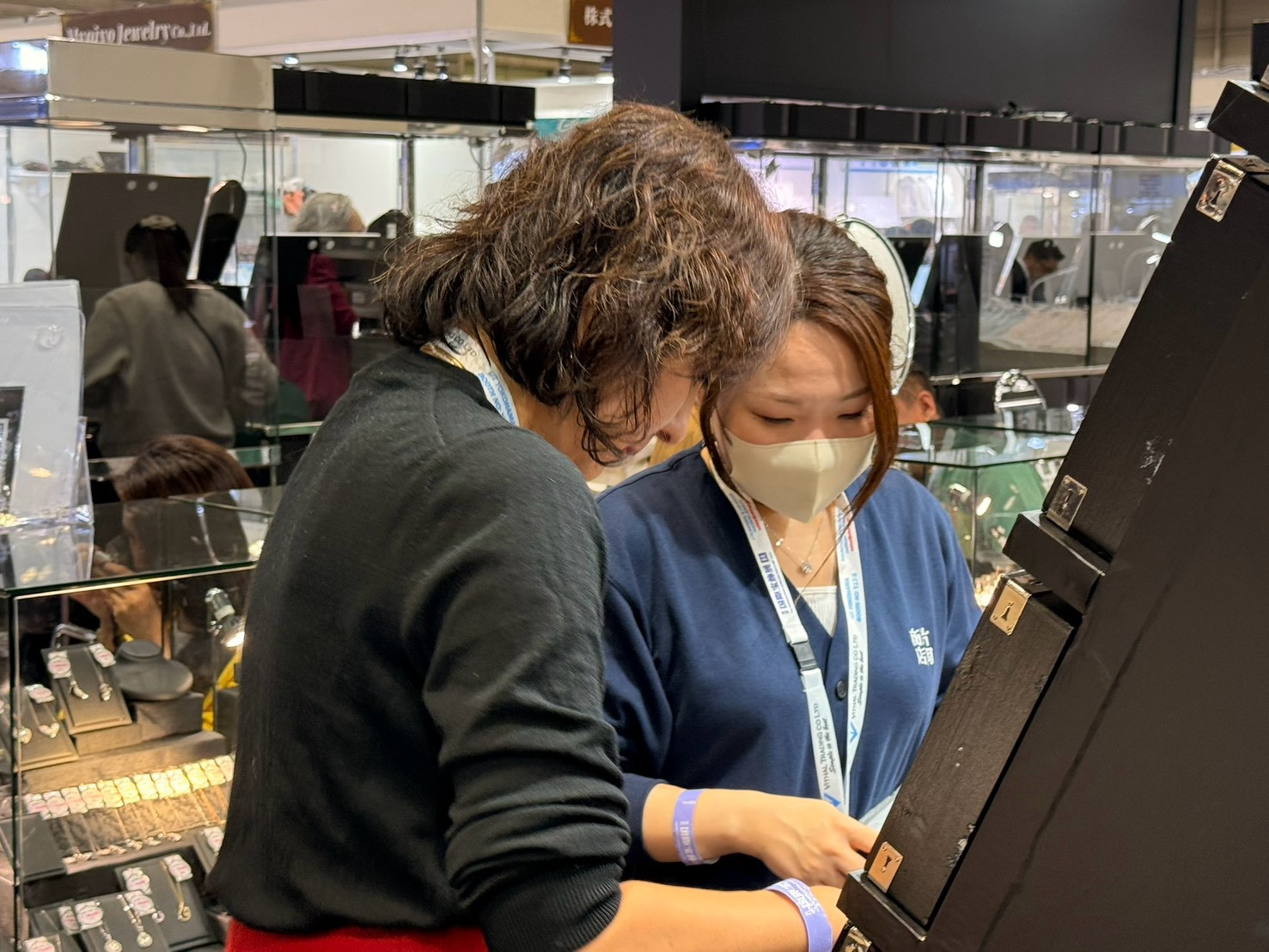
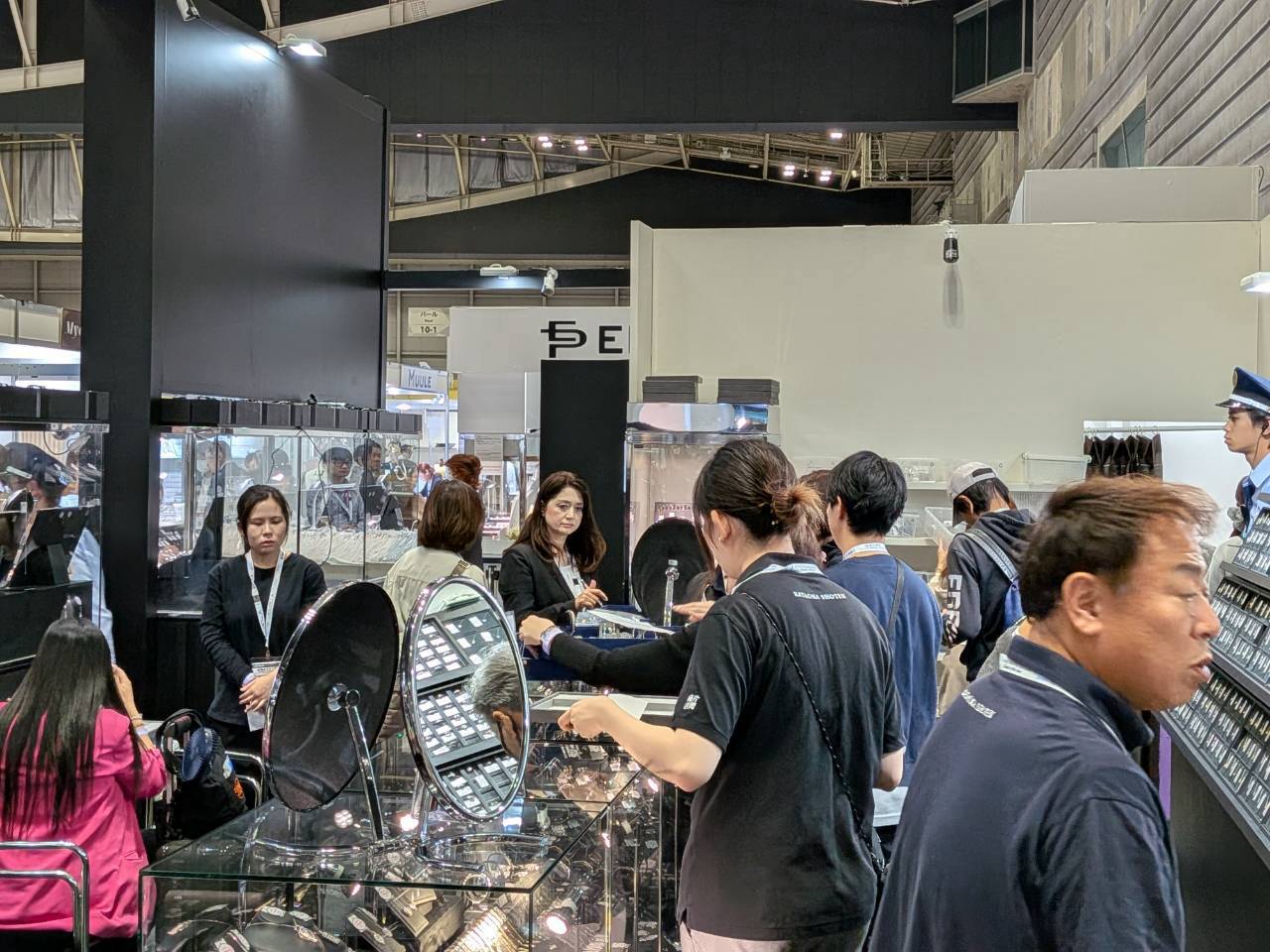
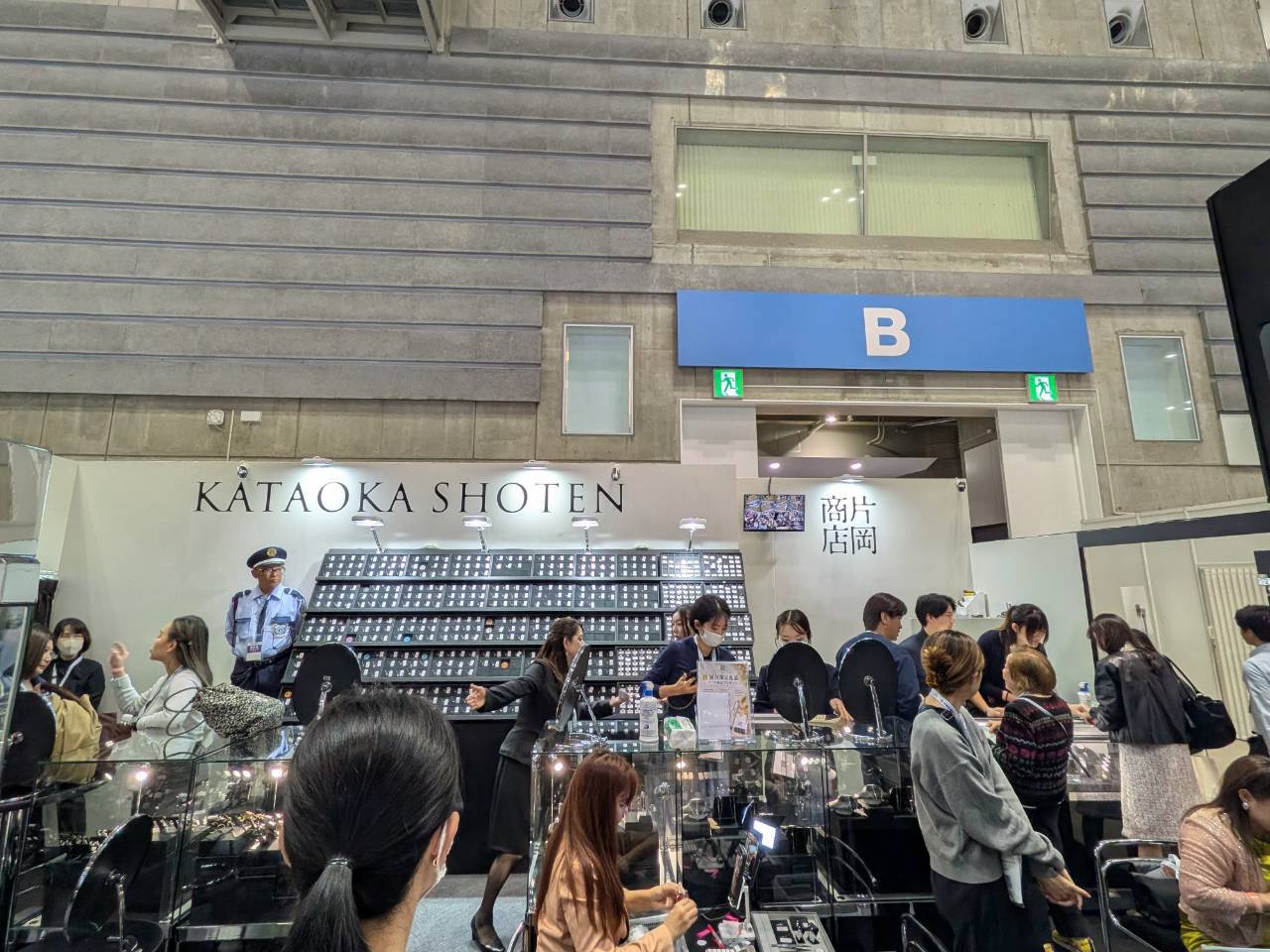
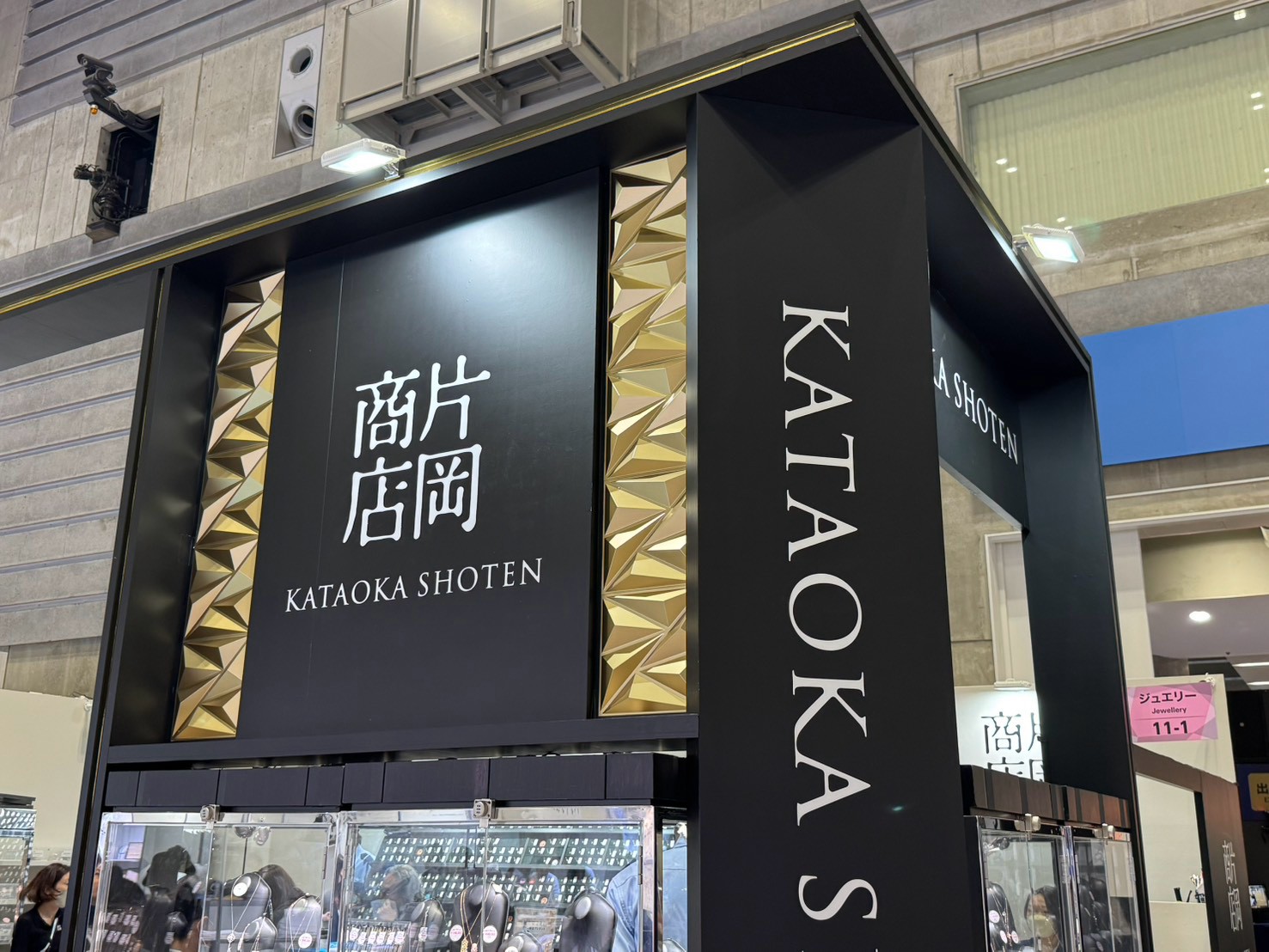
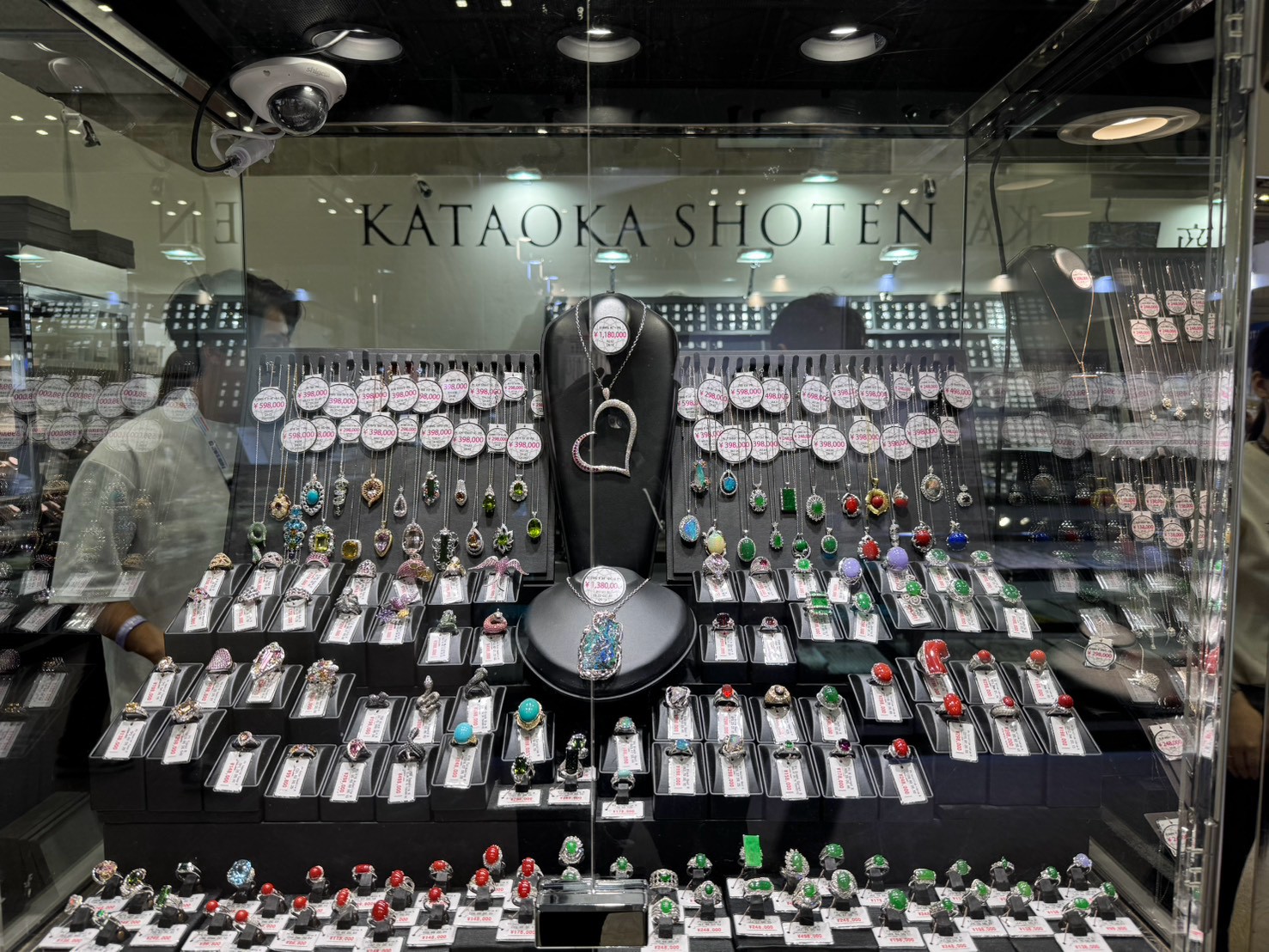
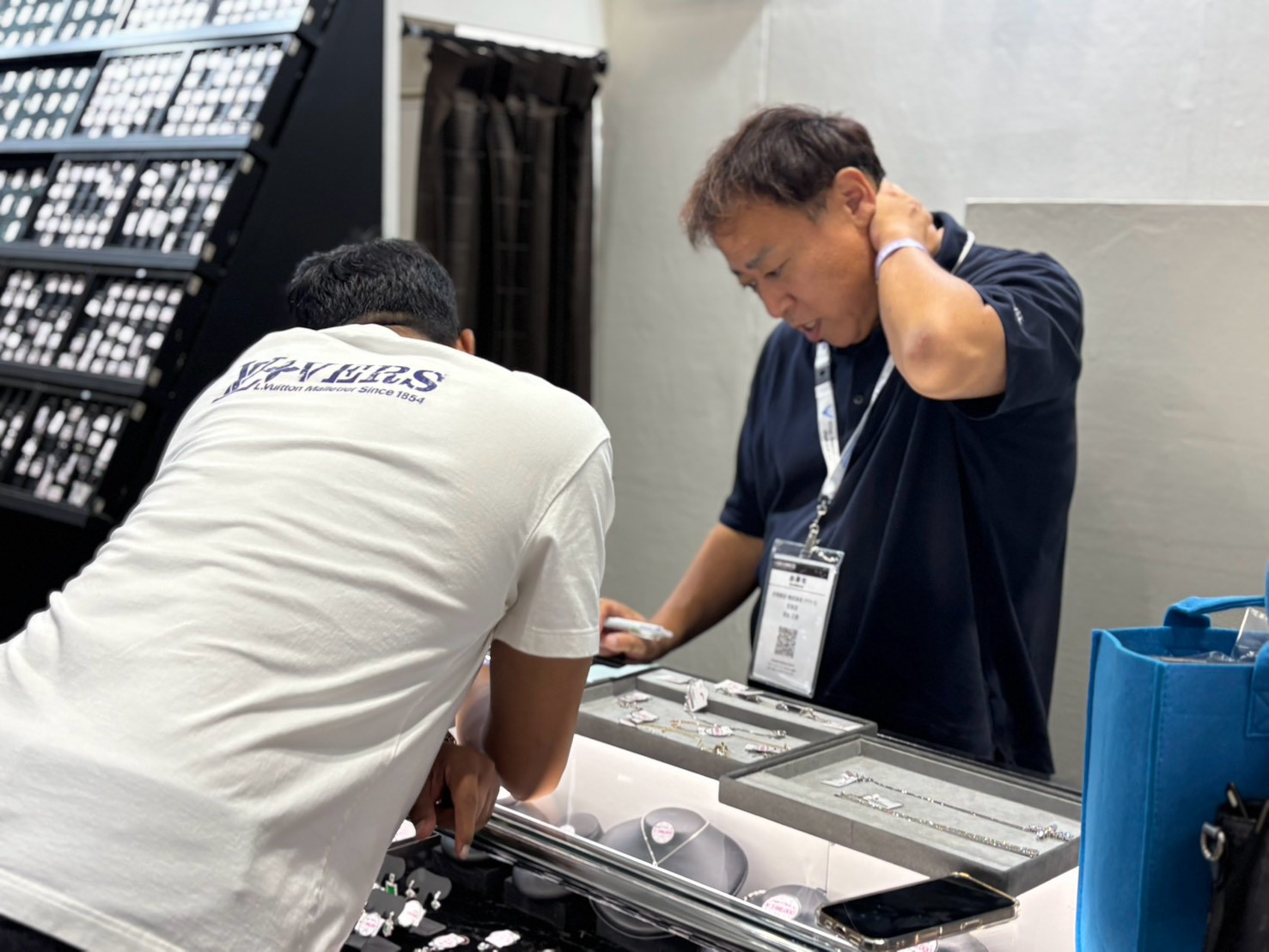
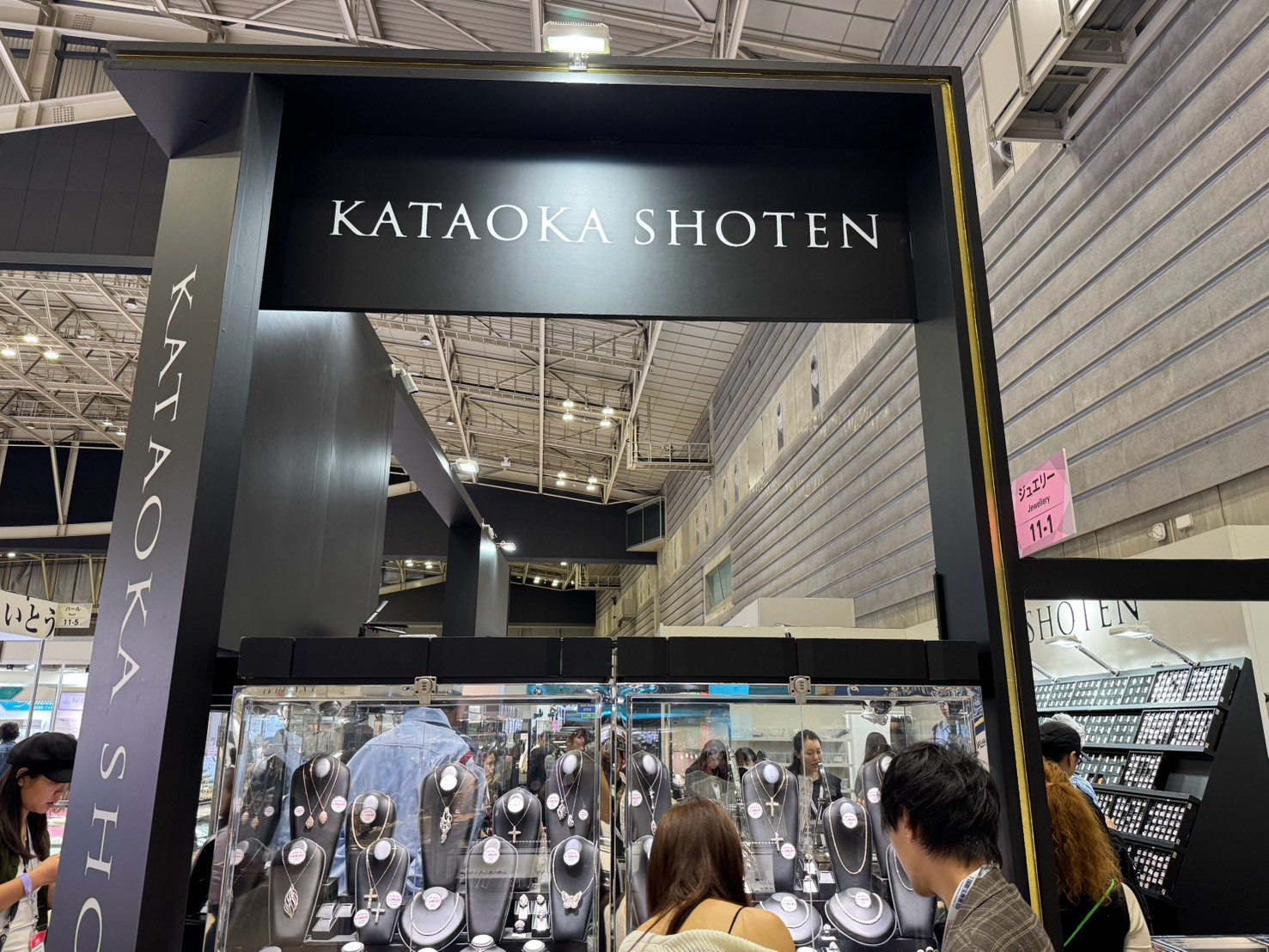
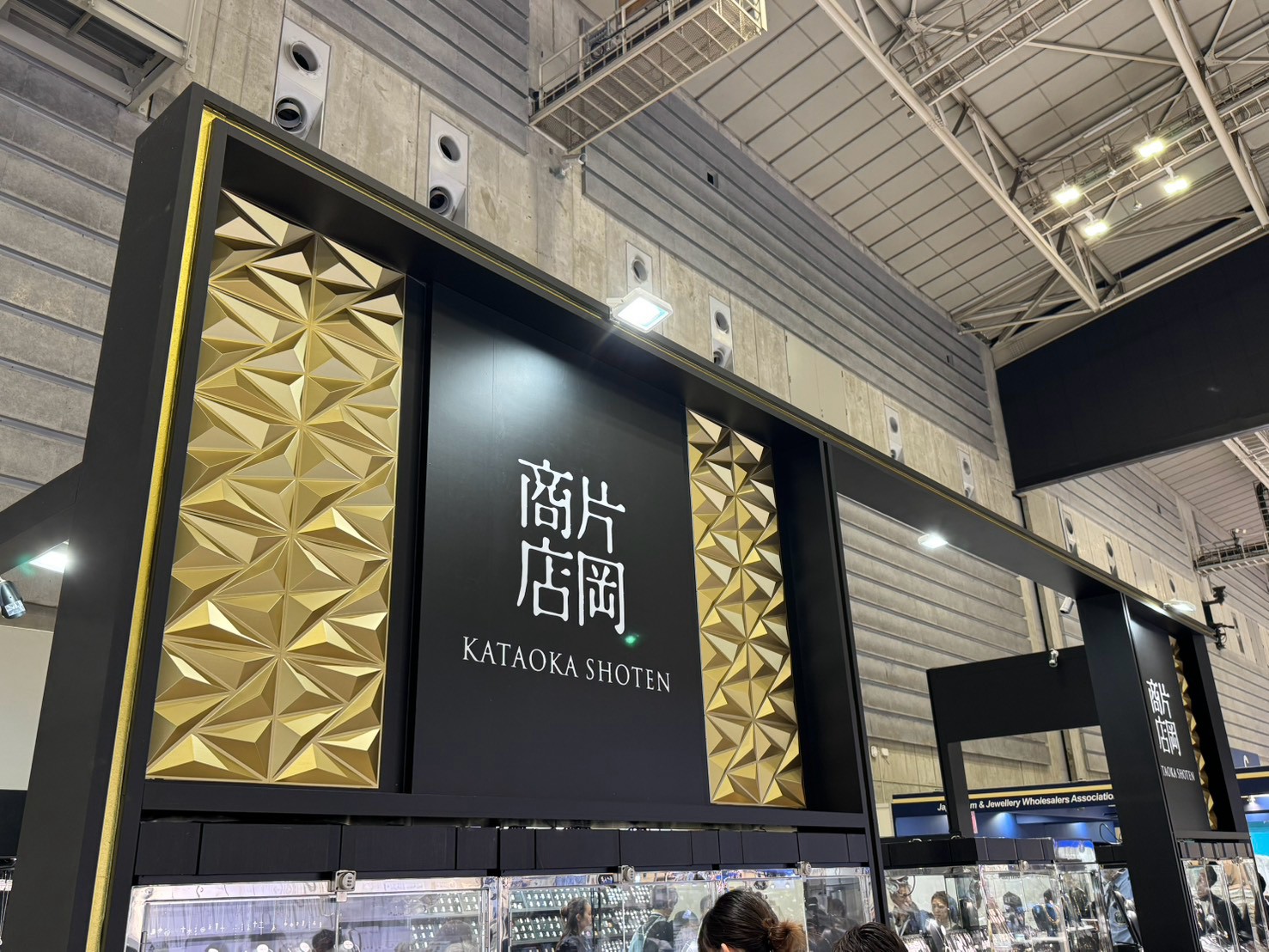
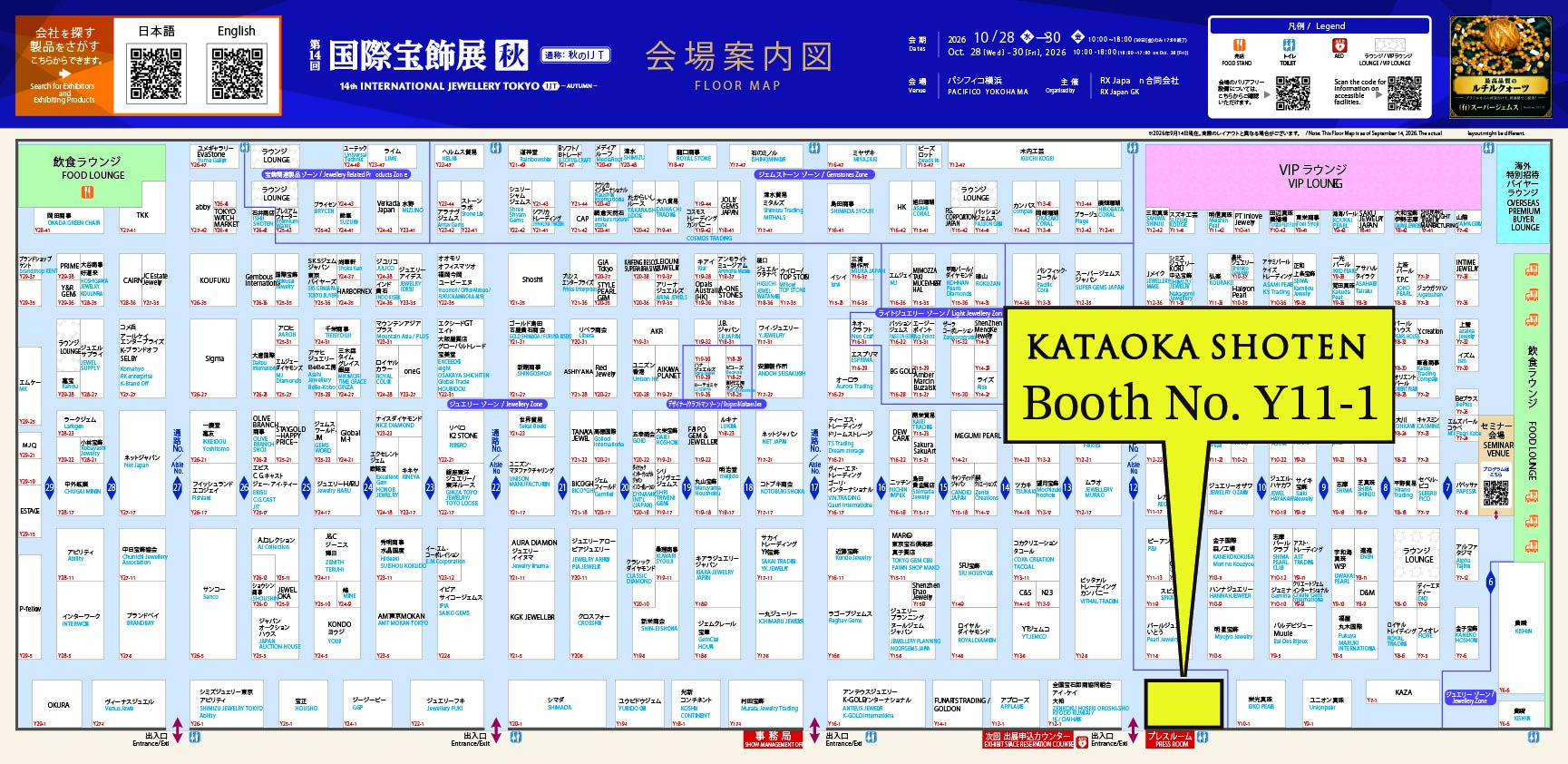
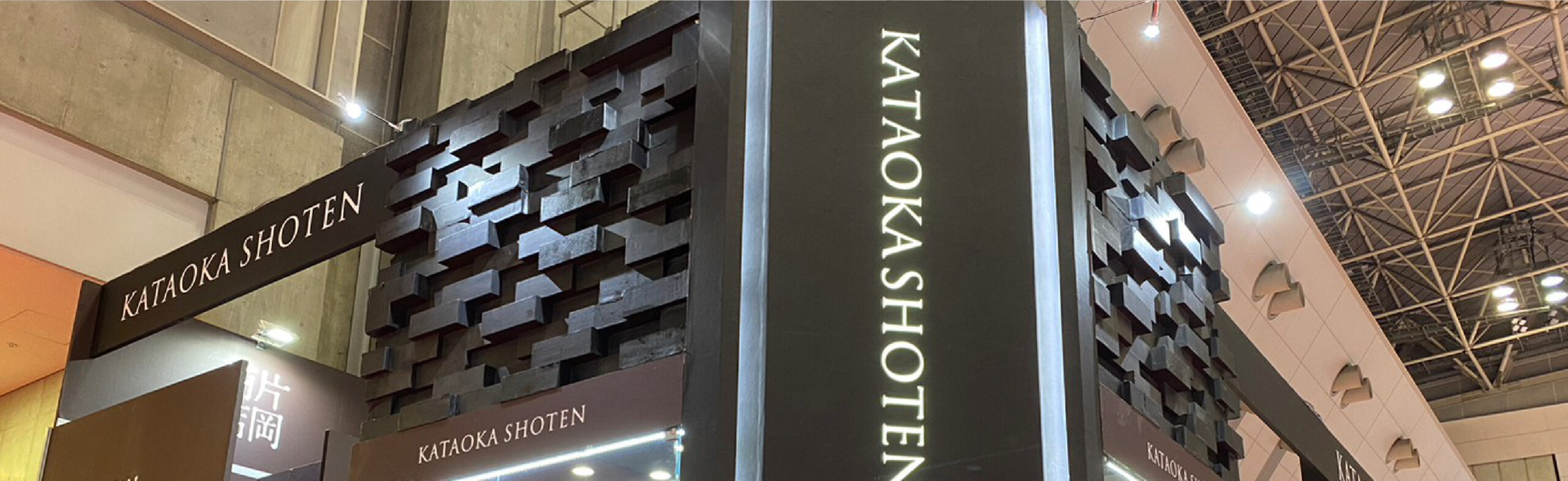
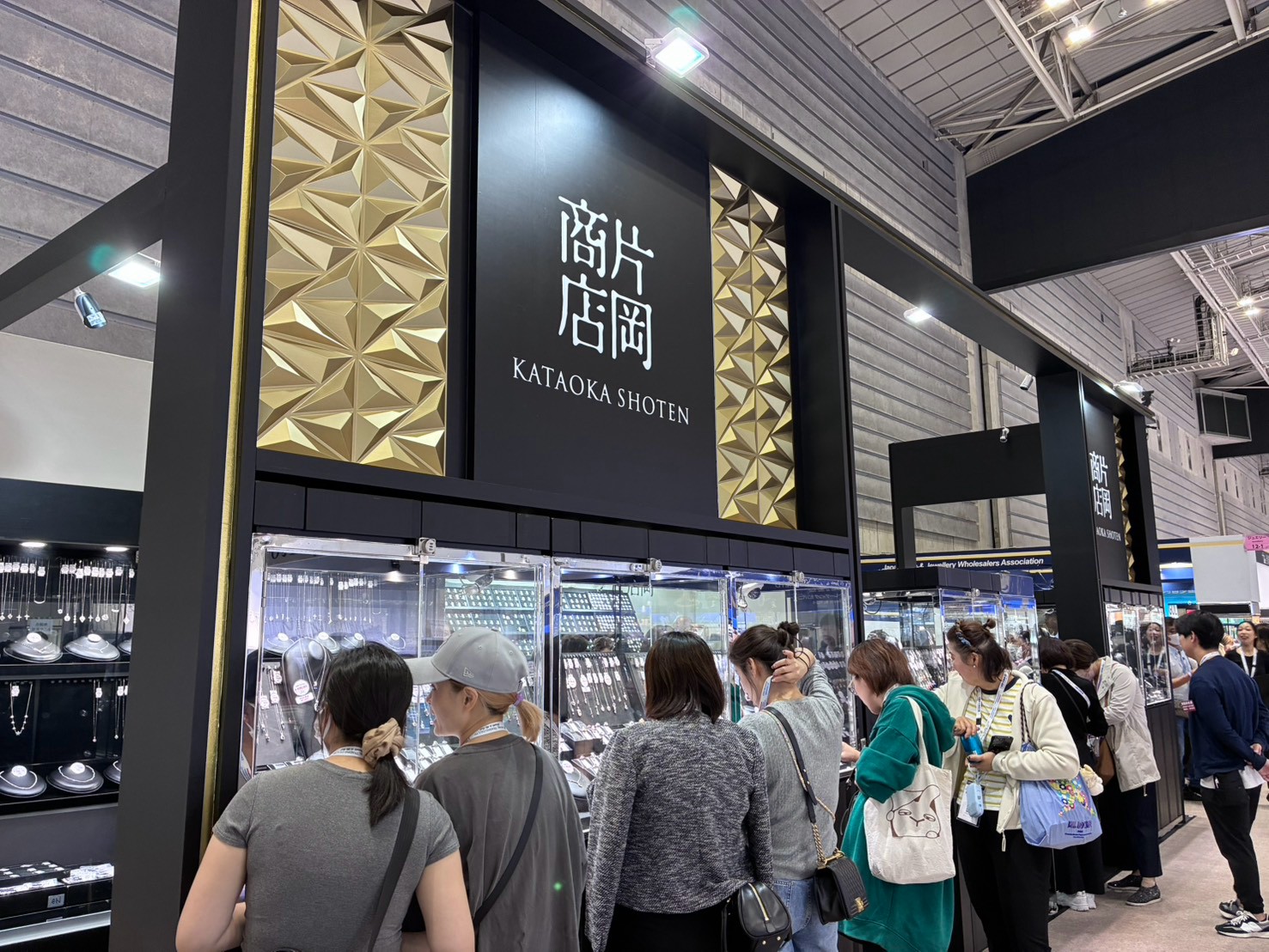
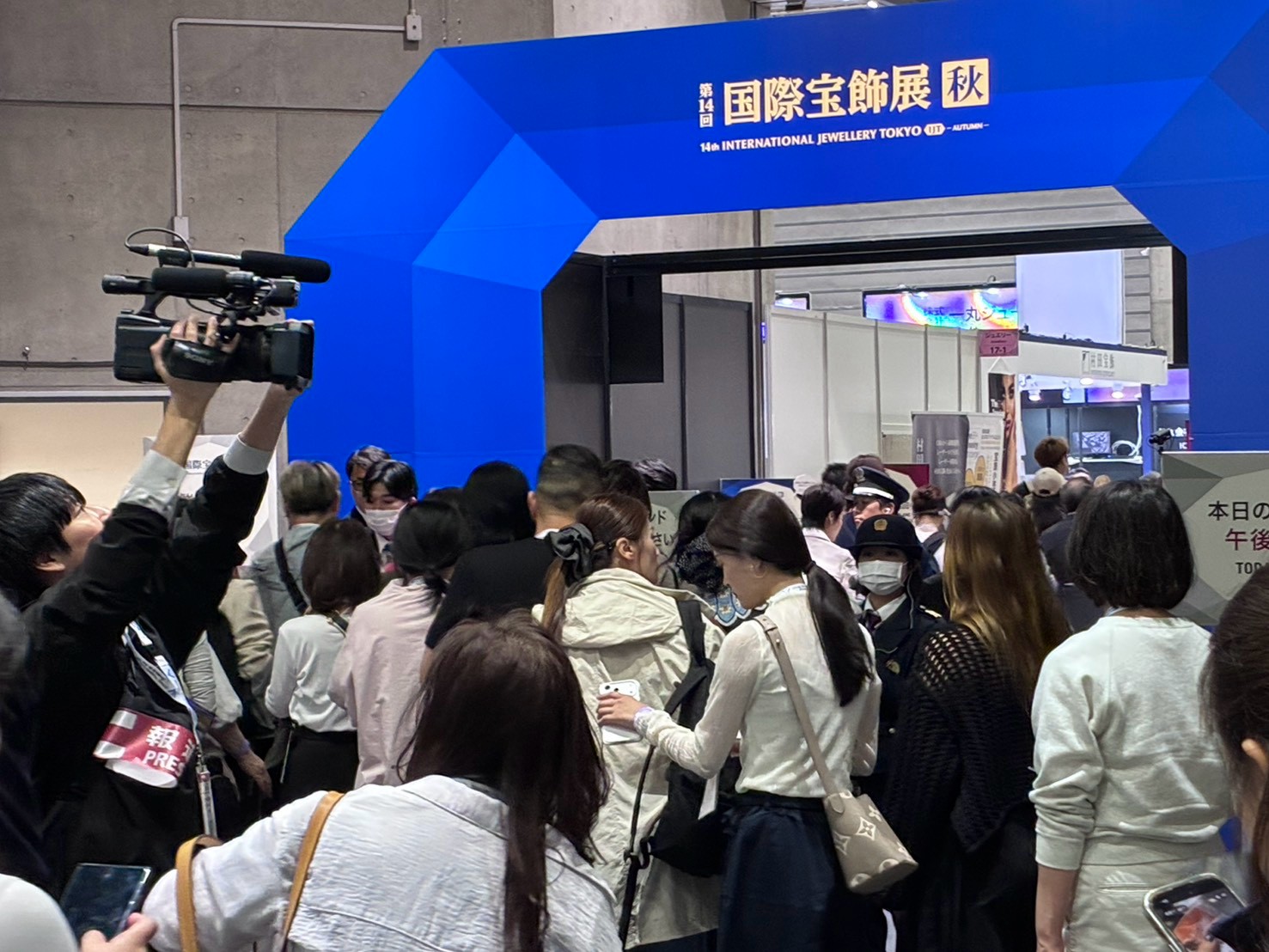
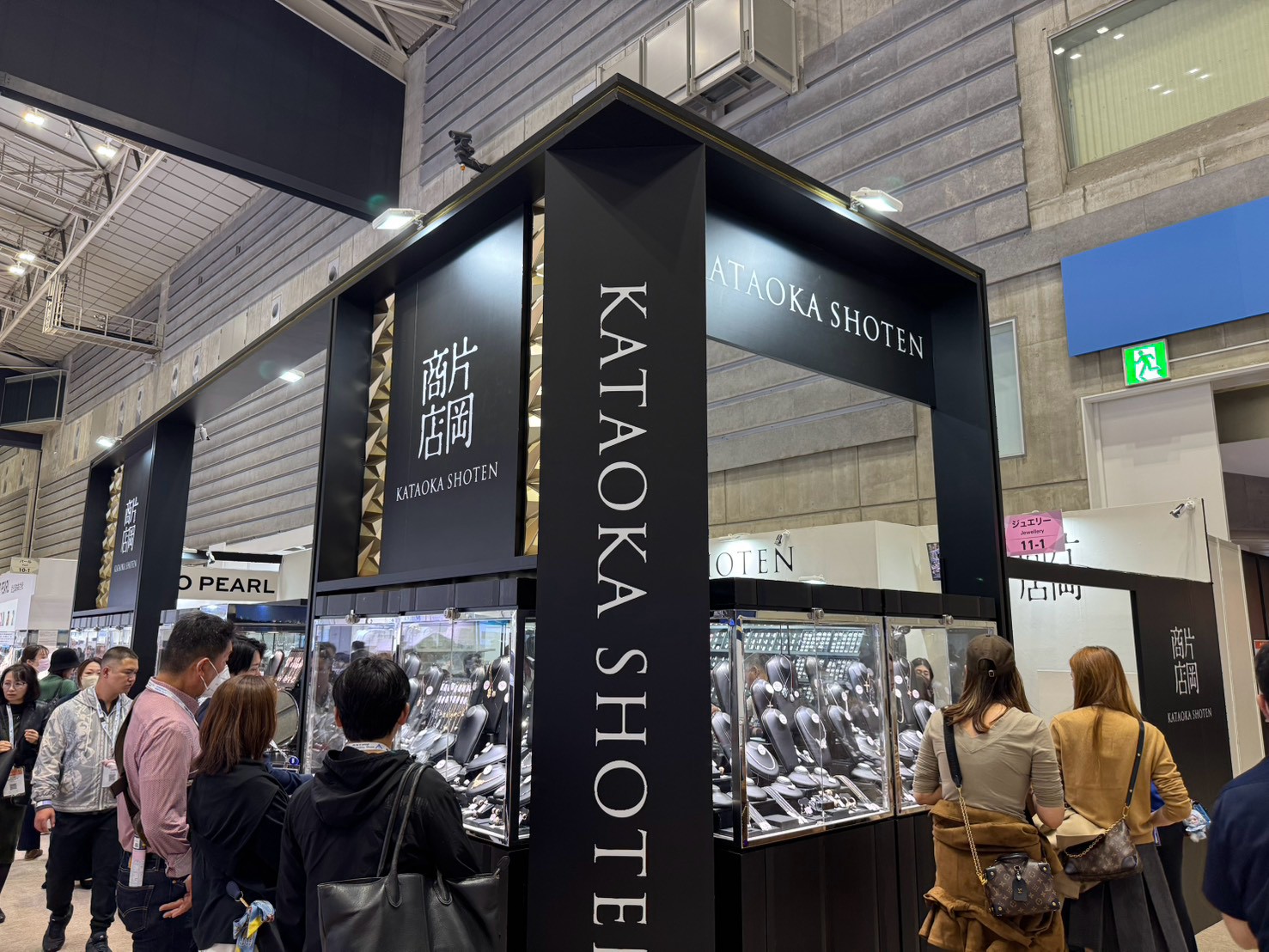
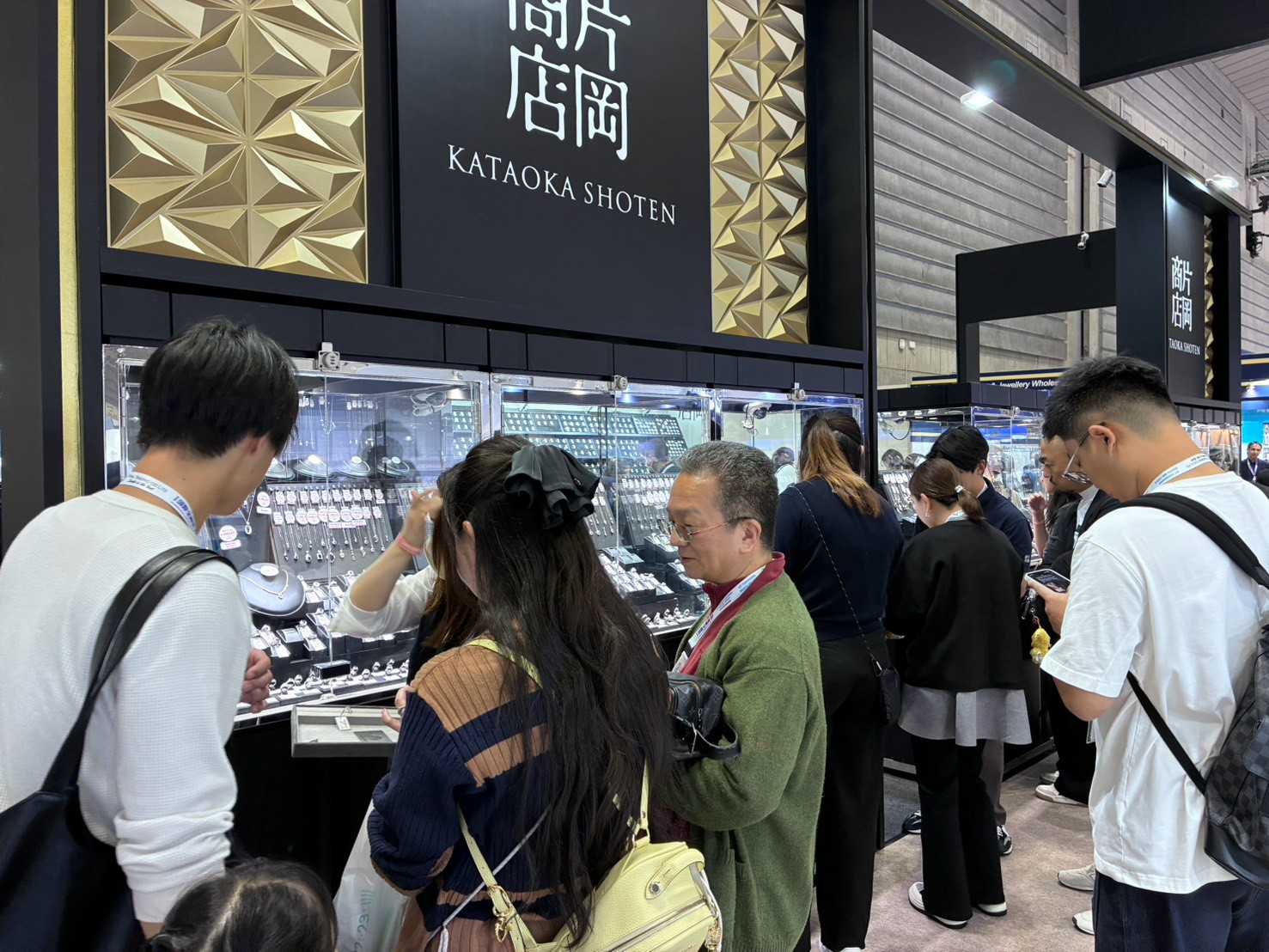
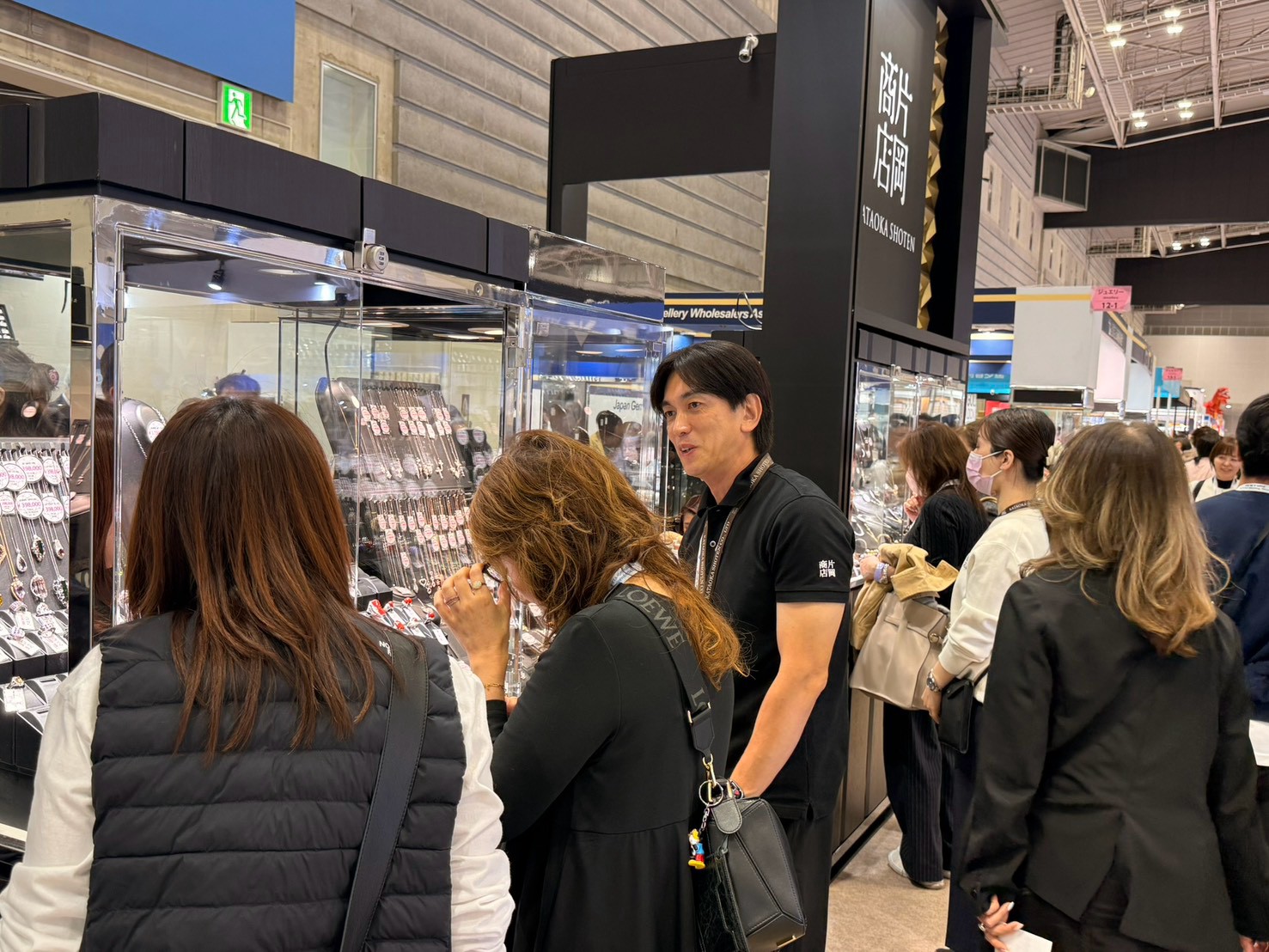
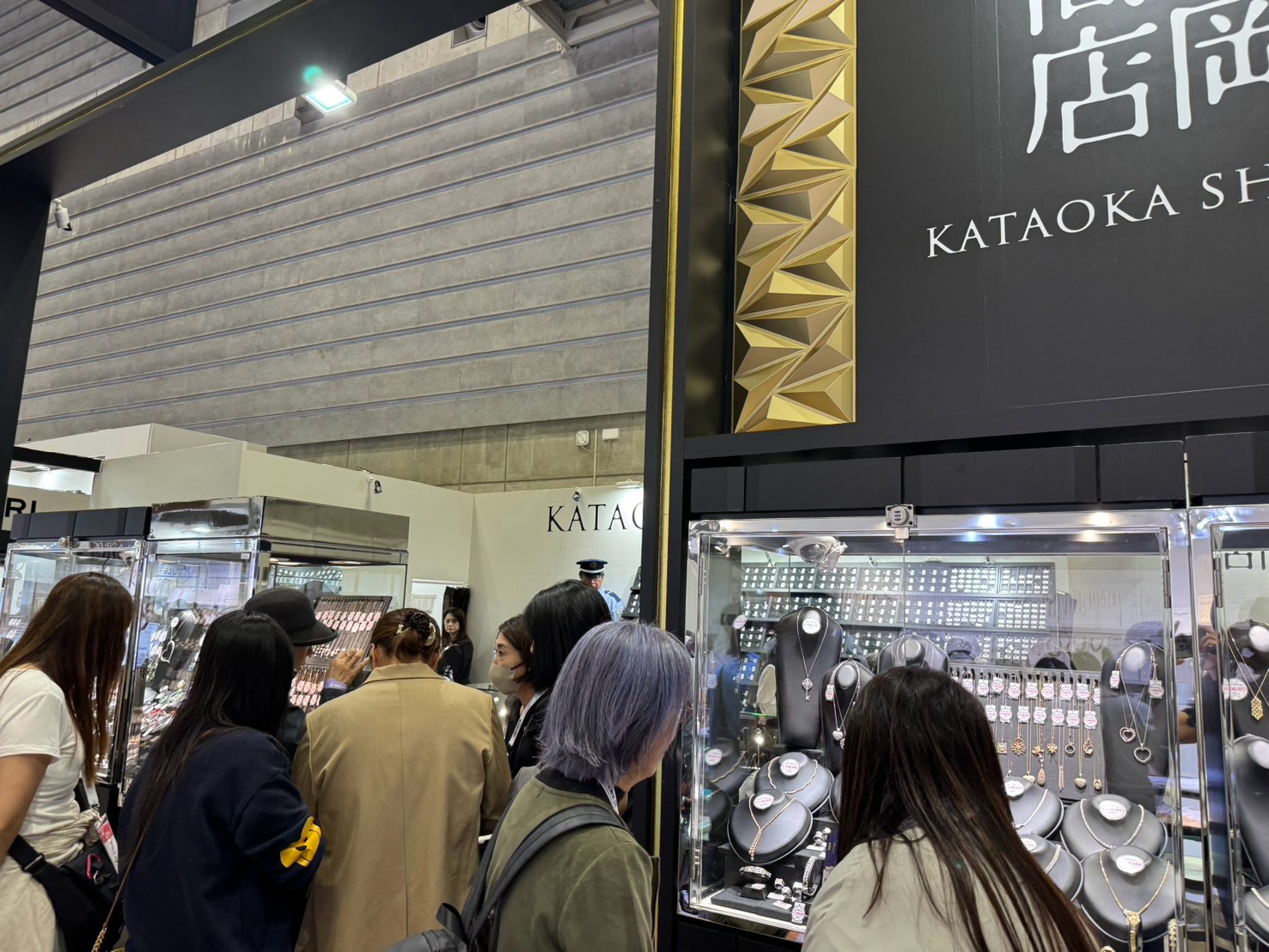
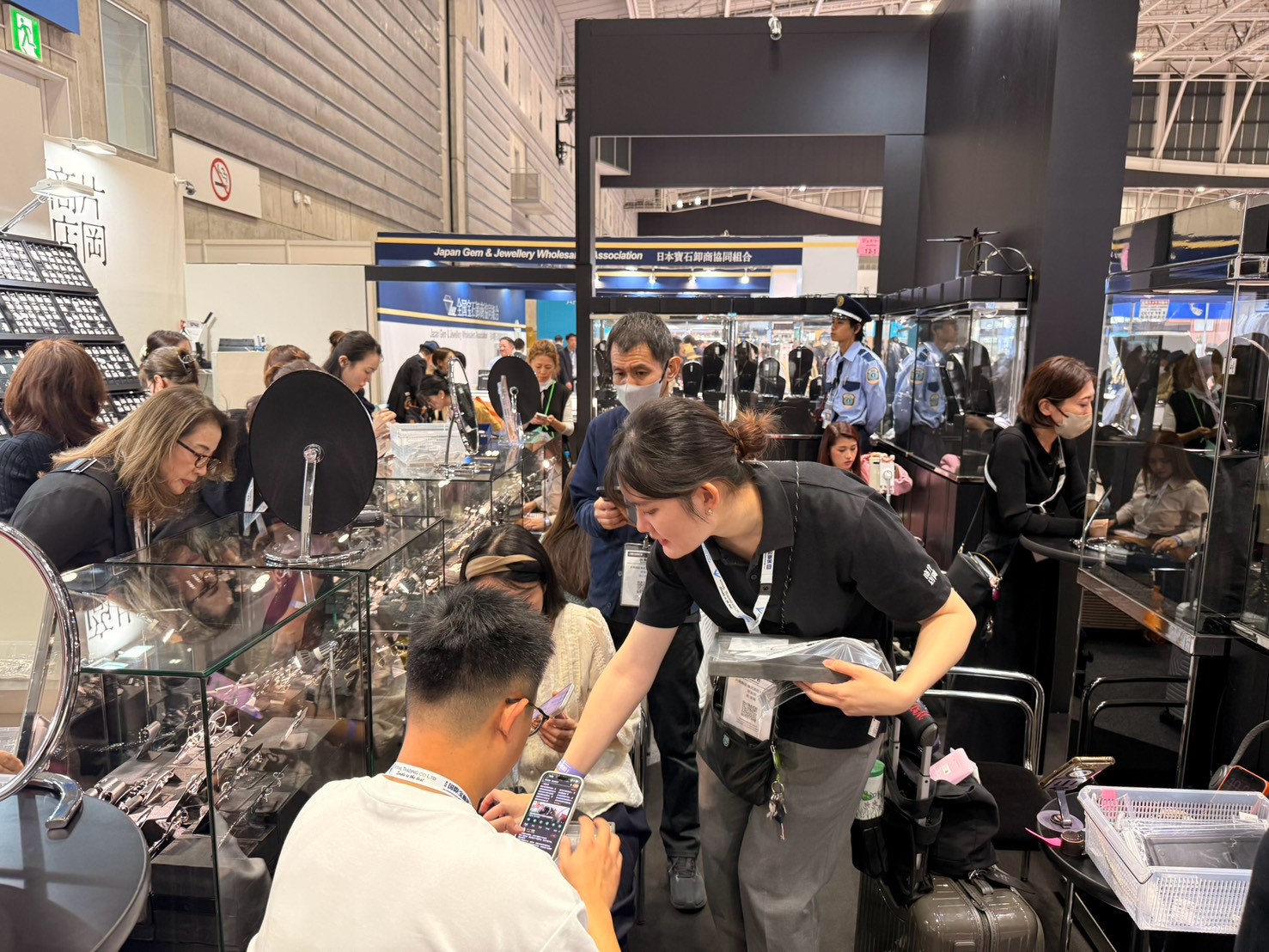
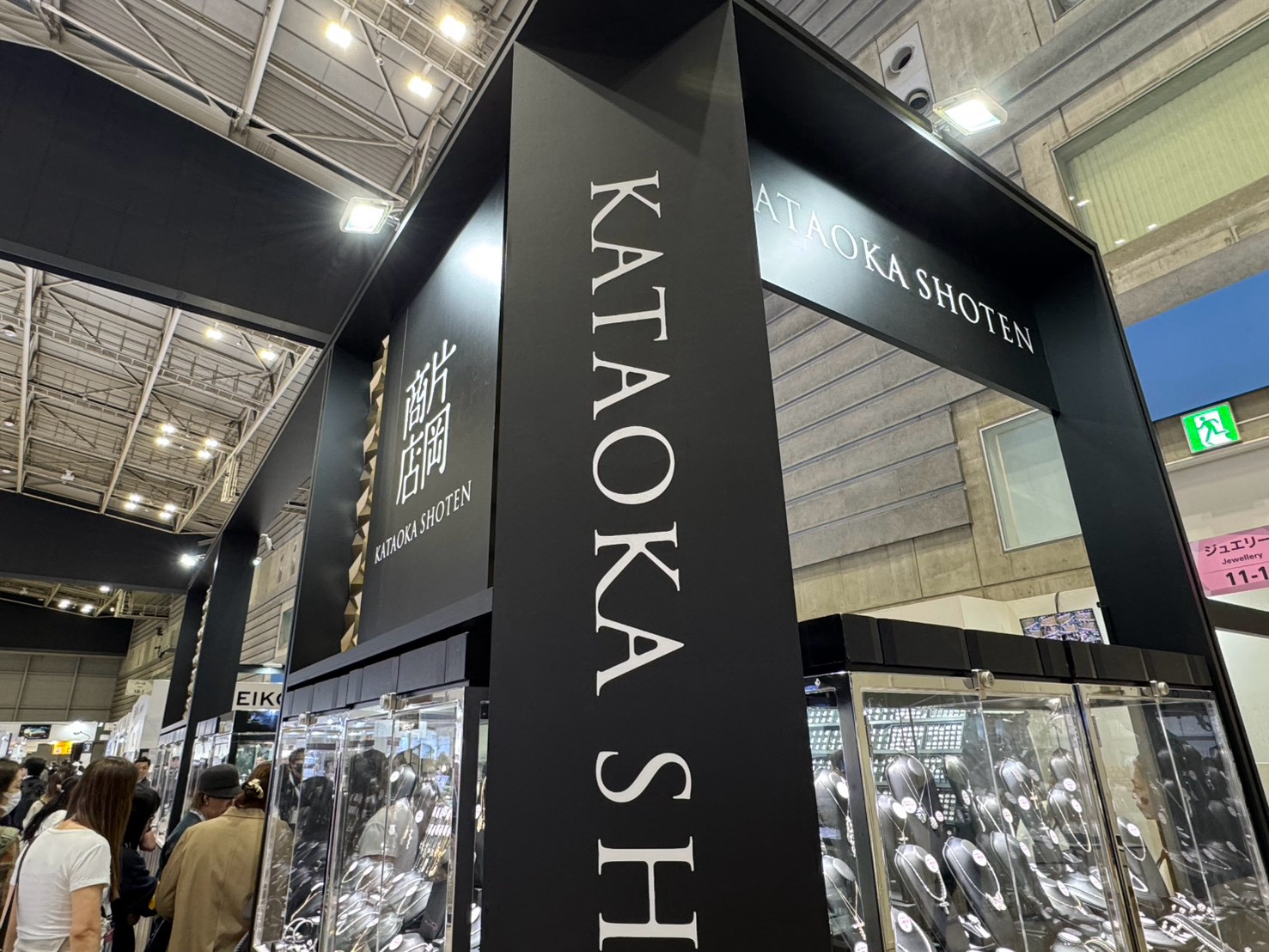
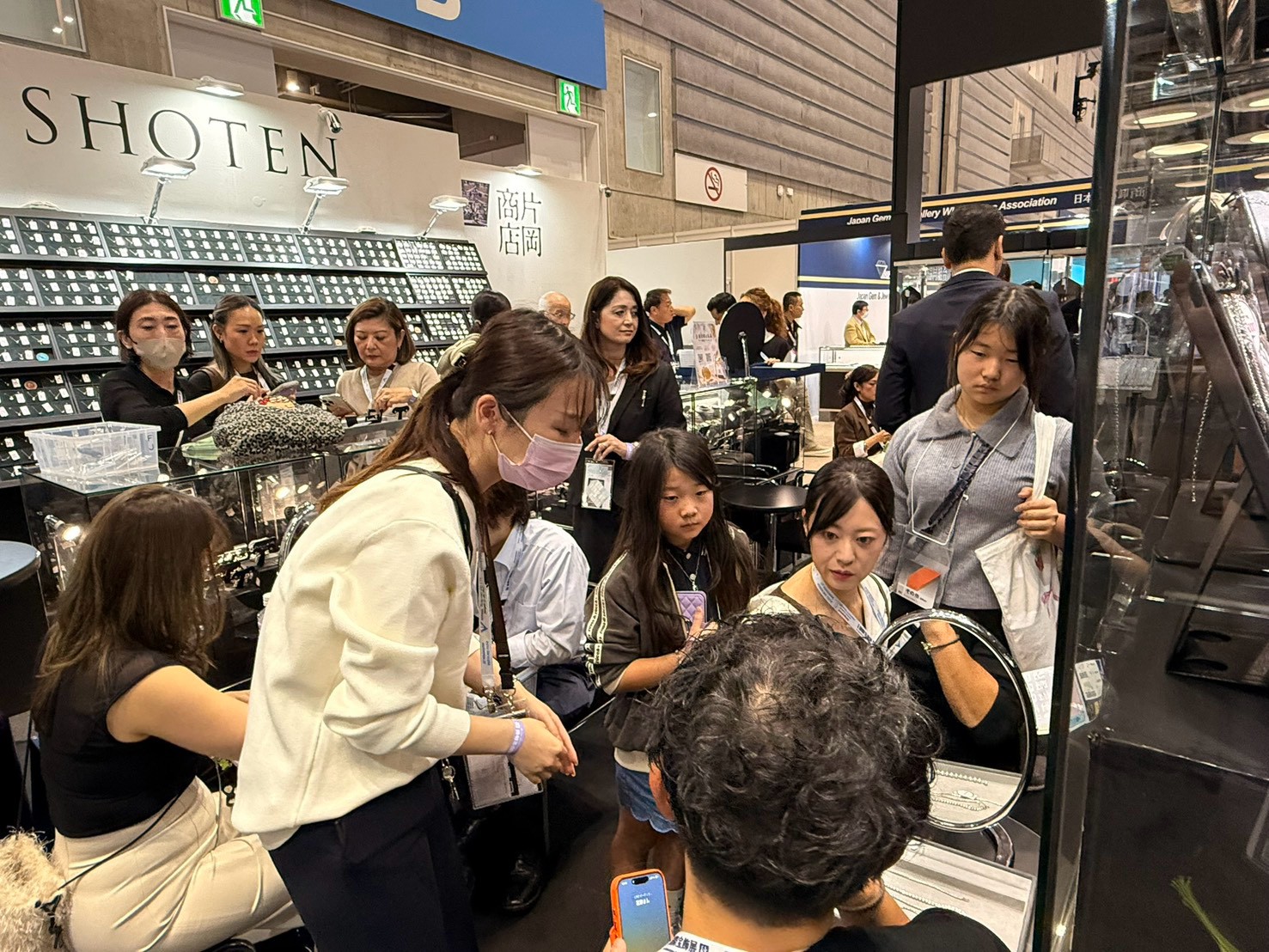
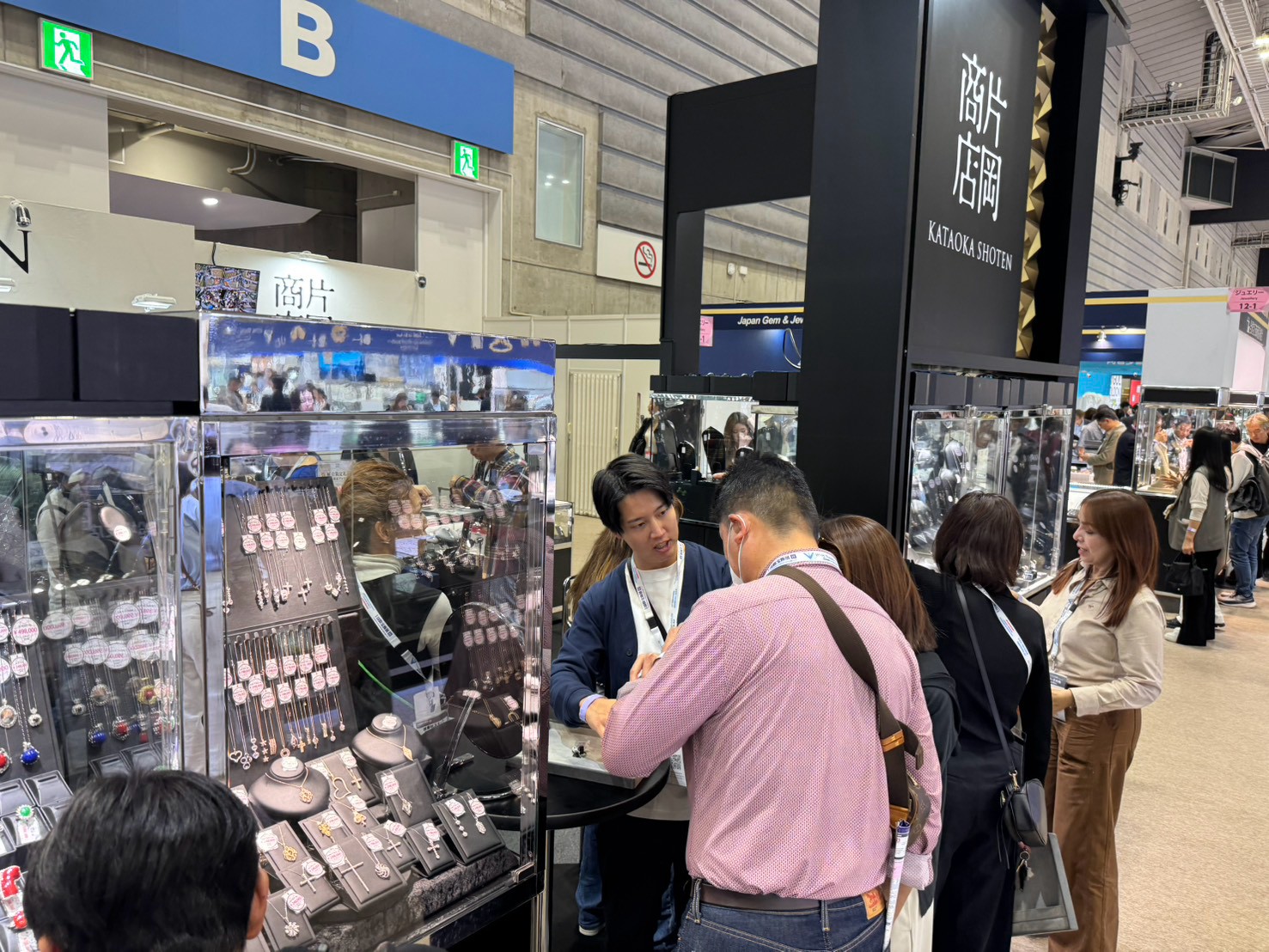
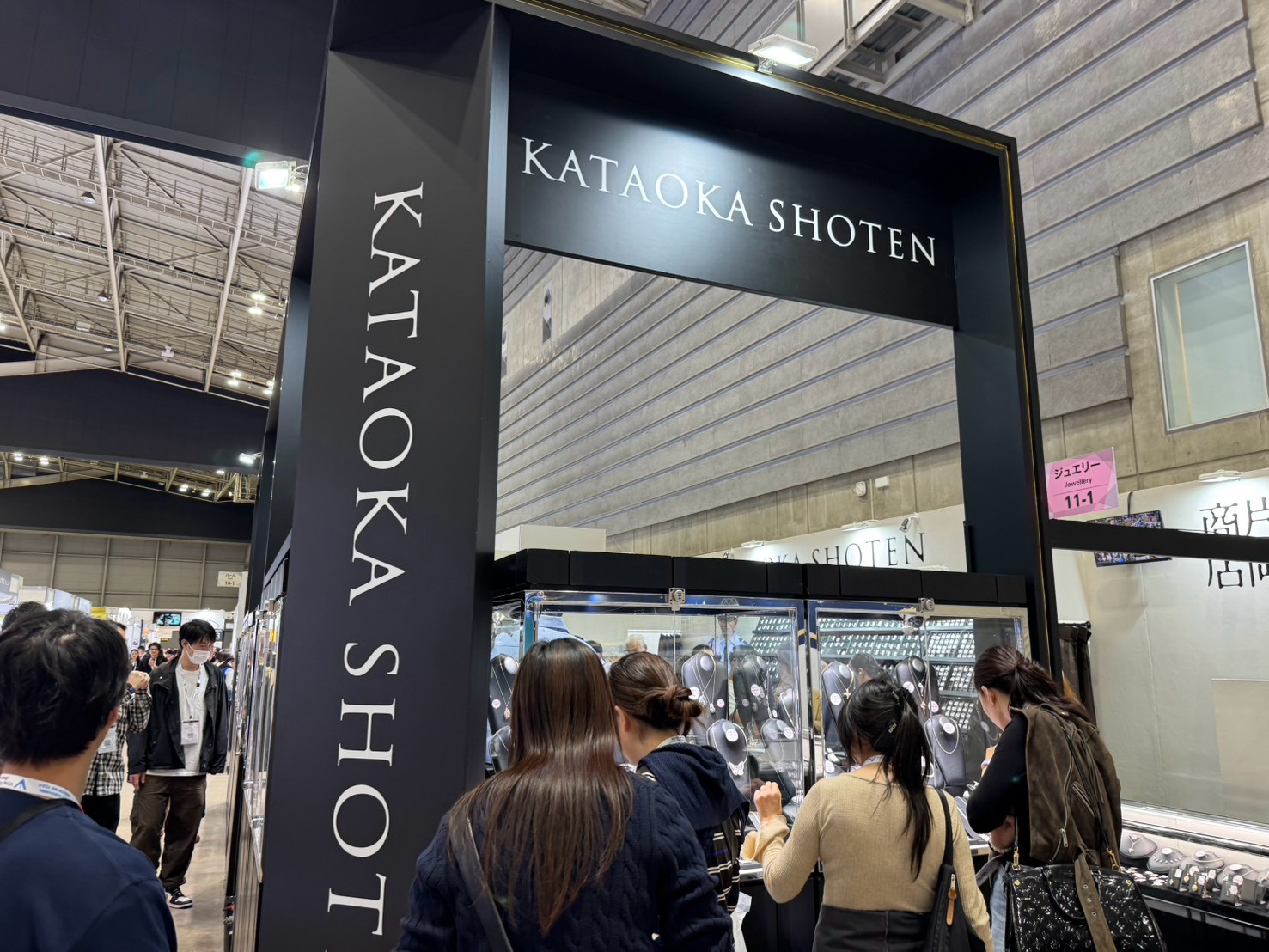
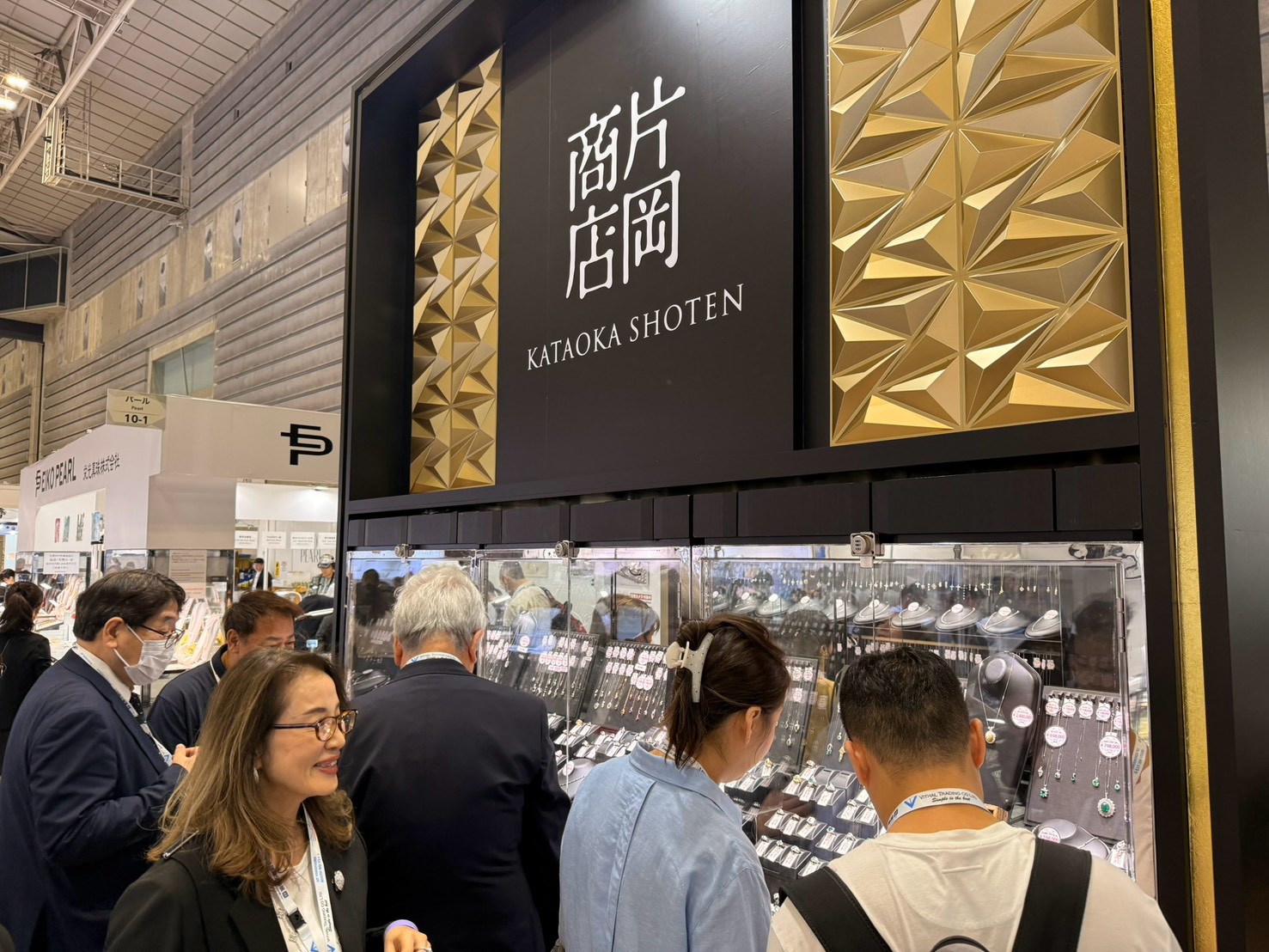
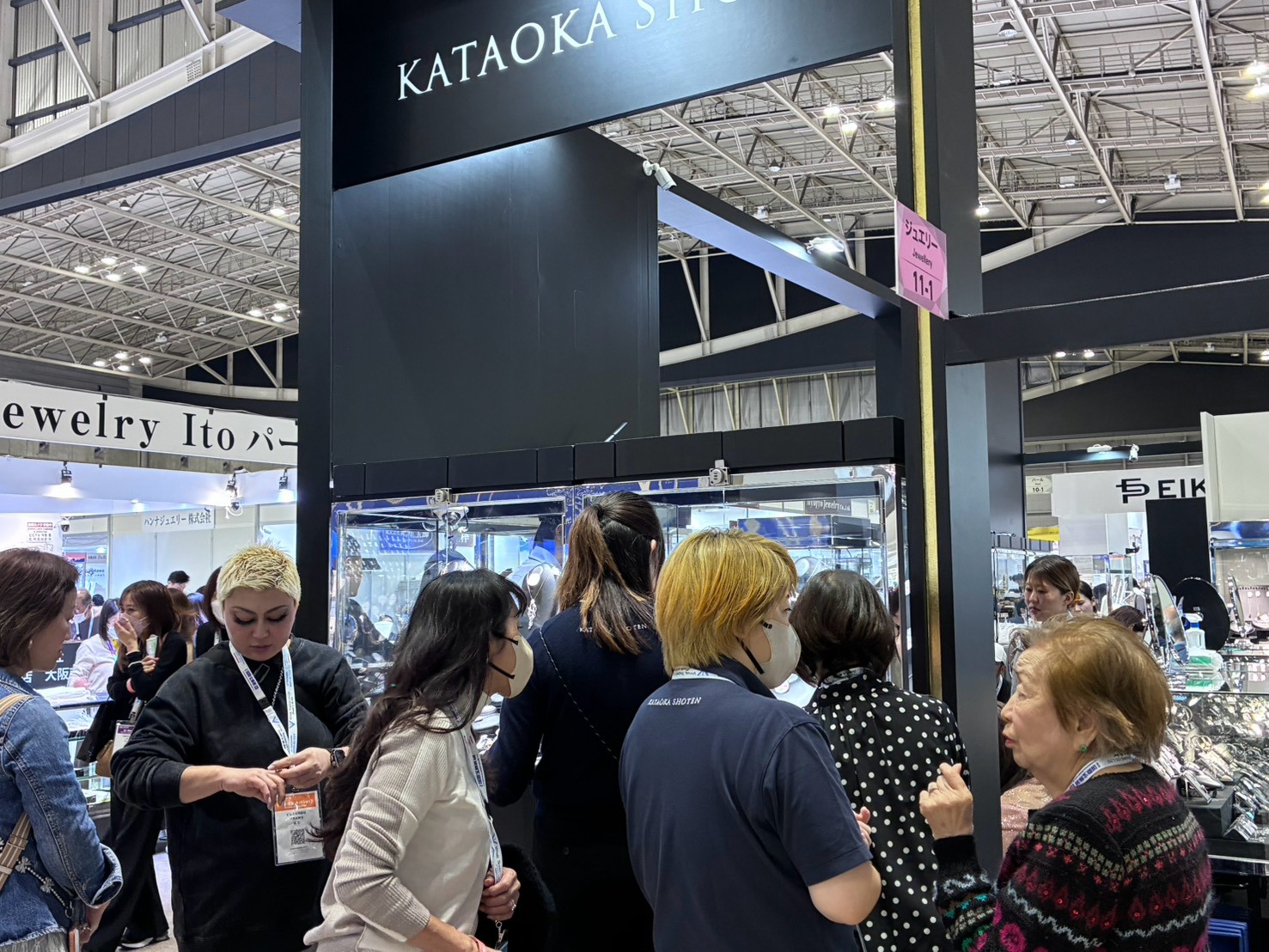
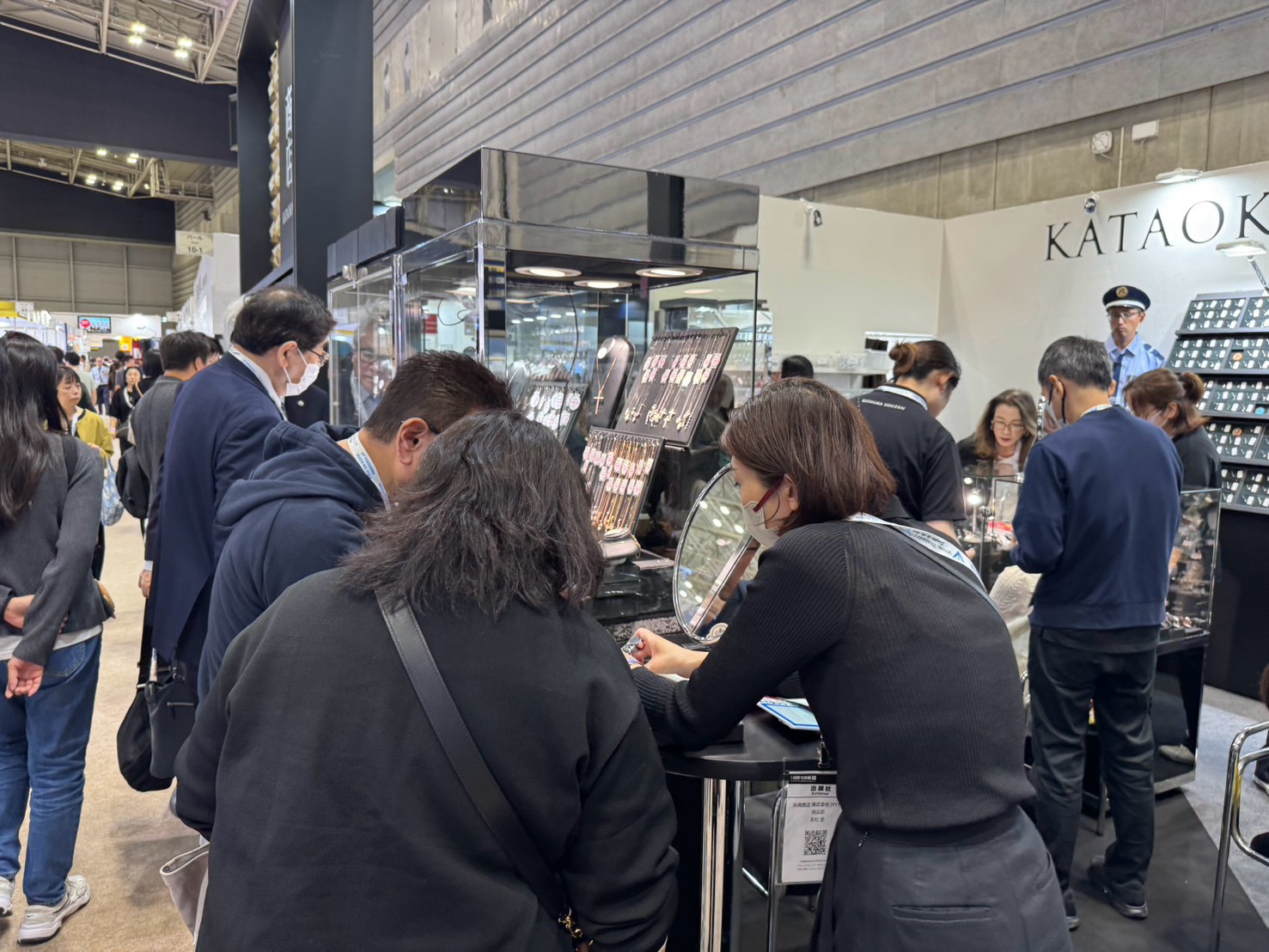
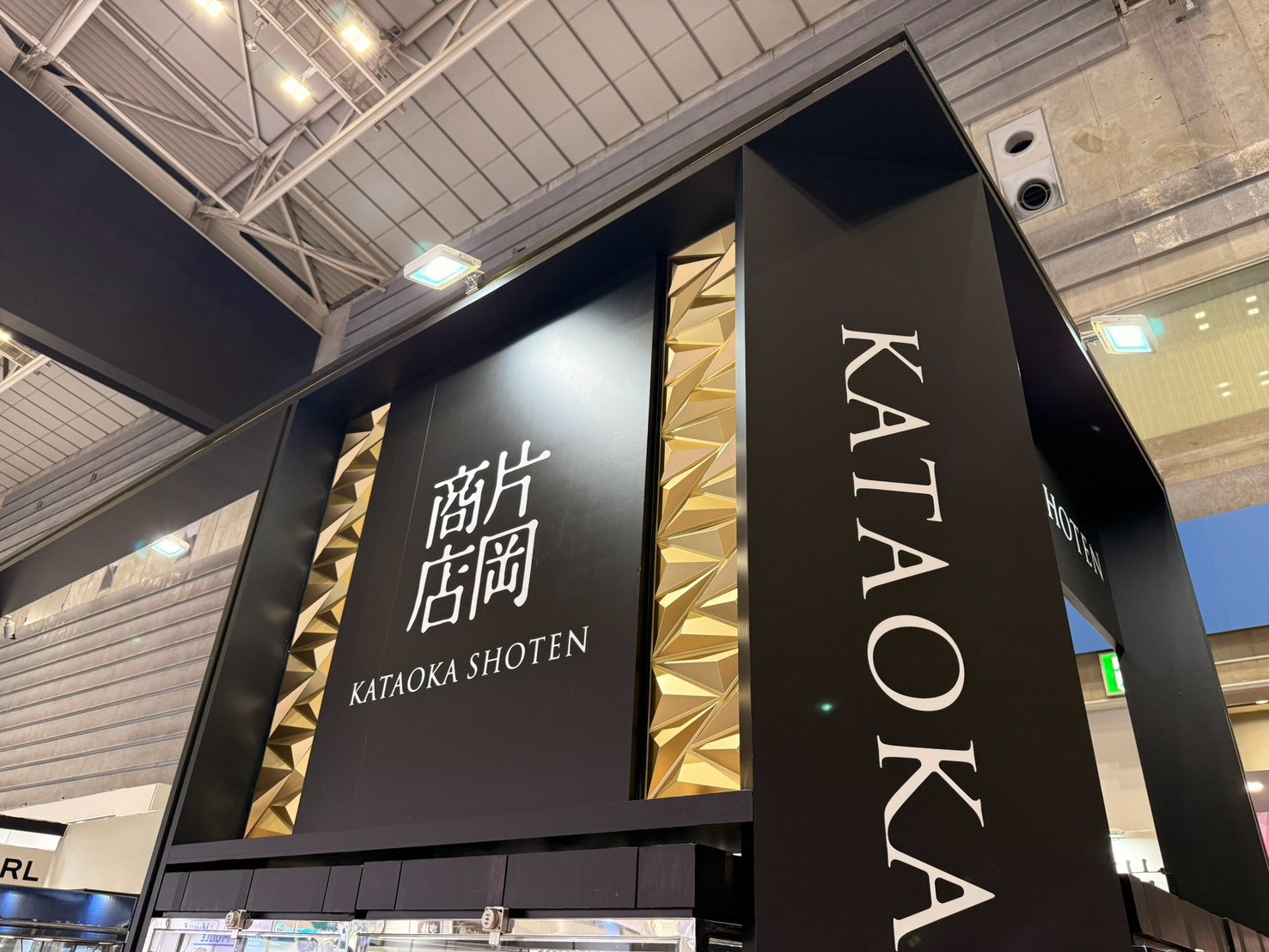
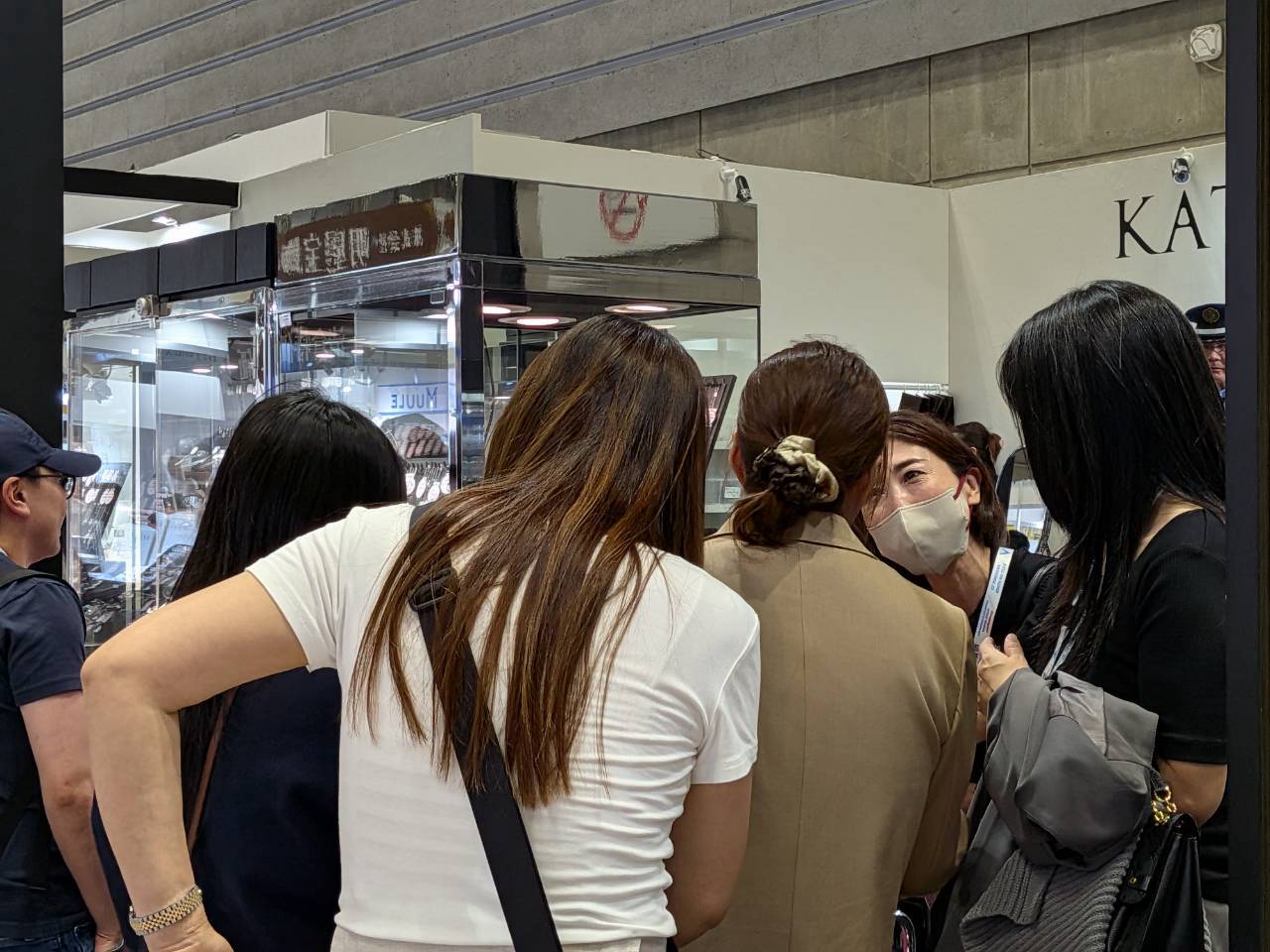
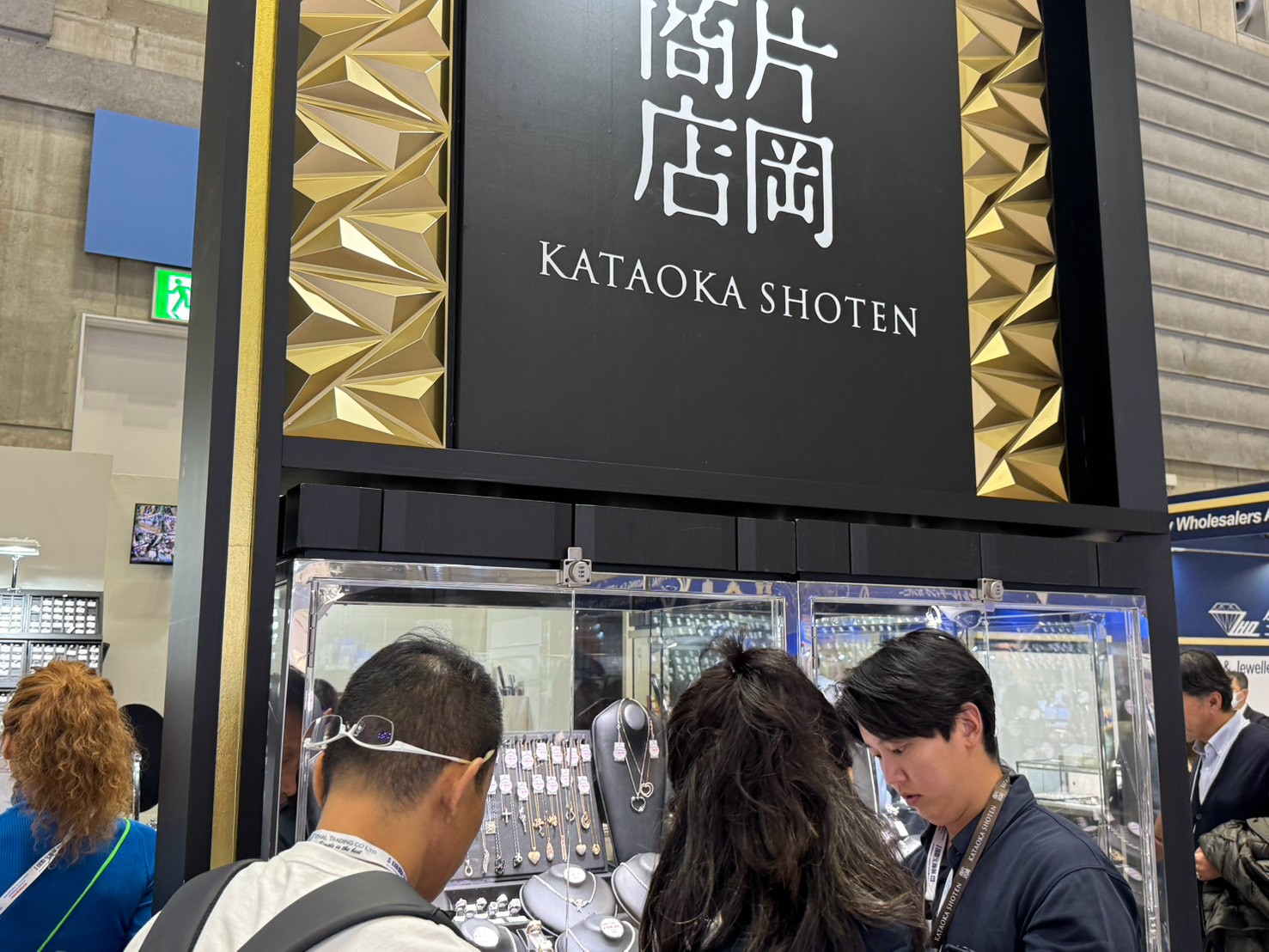
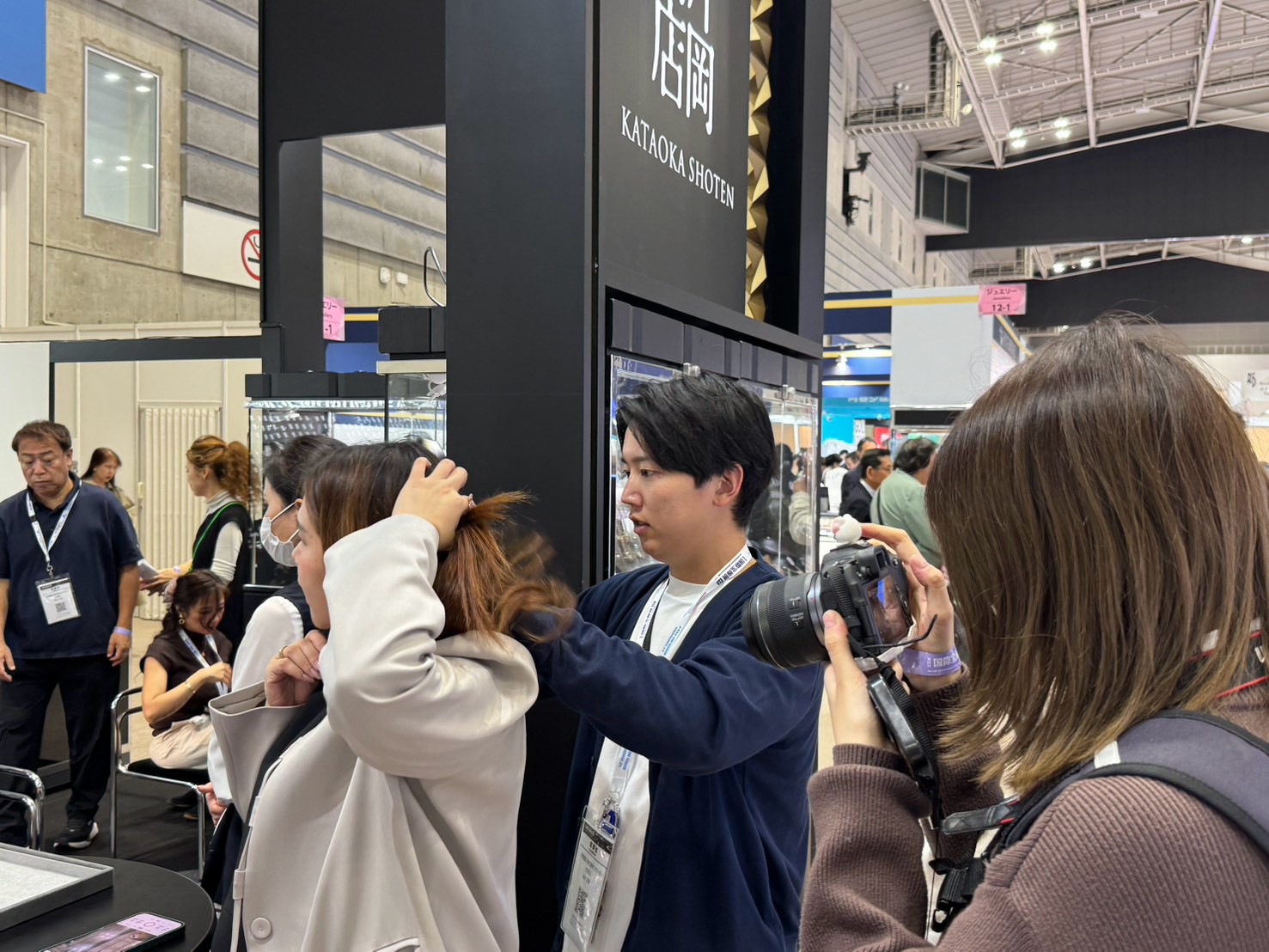
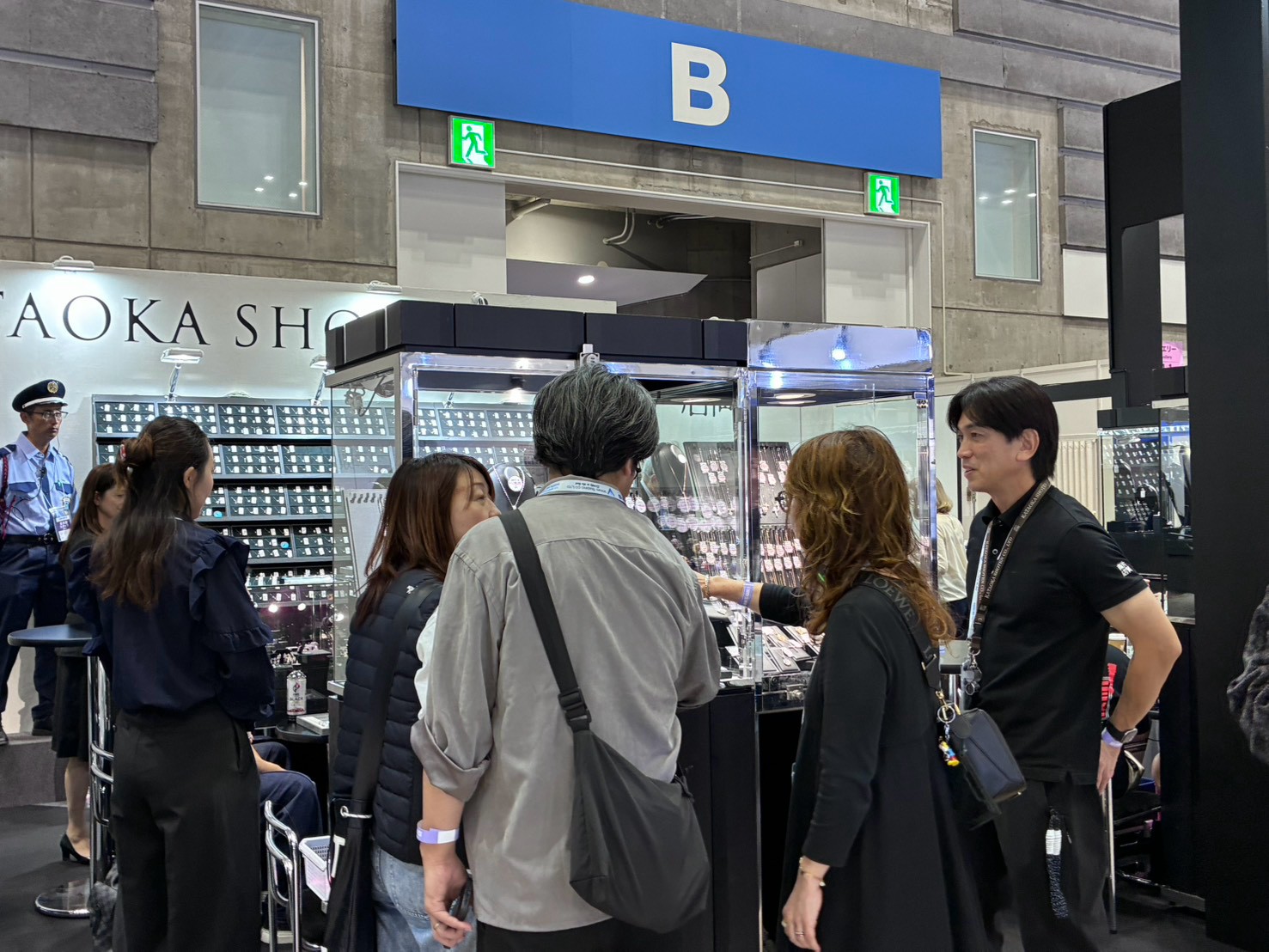
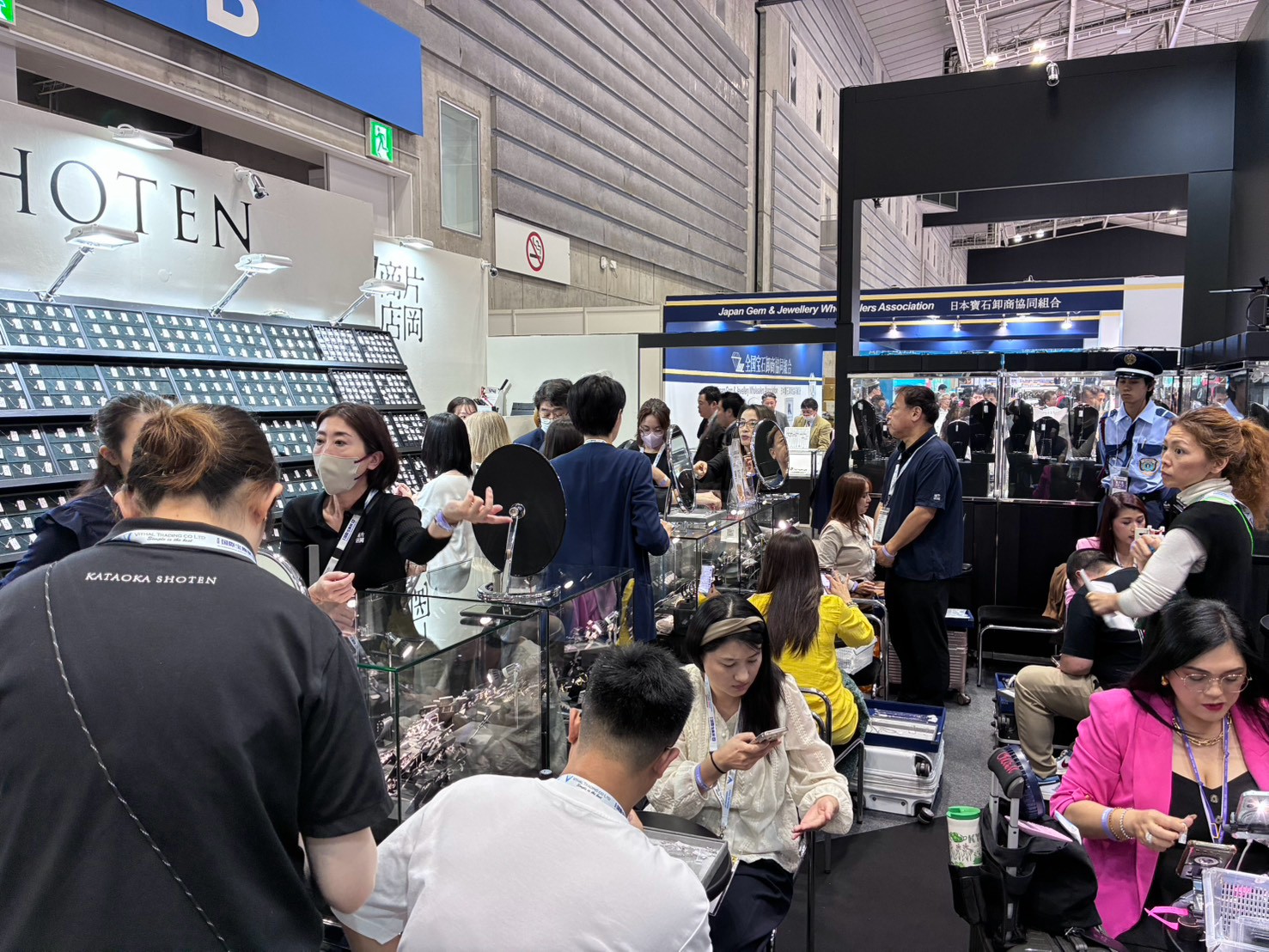
We exhibited at IJT Autumn 2026, which was held at Pacifico Yokohama for 3 days, from October 28to 30, 2026.
As 2026 draws to a close with just over two months remaining, looking back on the jewelry industry this year, it appears to have been a year heavily impacted by market volatility, particularly the rise in gold prices and fluctuations in foreign exchange rates. However, it appears that we are now seeing a shift that goes beyond mere market changes. The very reasons for purchasing jewelry seem to be evolving.
Traditionally, jewelry has been a product most often purchased to mark significant life milestones, such as anniversaries, weddings, and gift-giving occasions. Today, however, consumer values are becoming increasingly diverse. More people are purchasing jewelry for themselves, acquiring it as a personal asset, or even considering its future resale value at the time of purchase. In particular, with gold prices reaching historically high levels, consumers have become more conscious than ever of the intrinsic value of the materials used in jewelry.
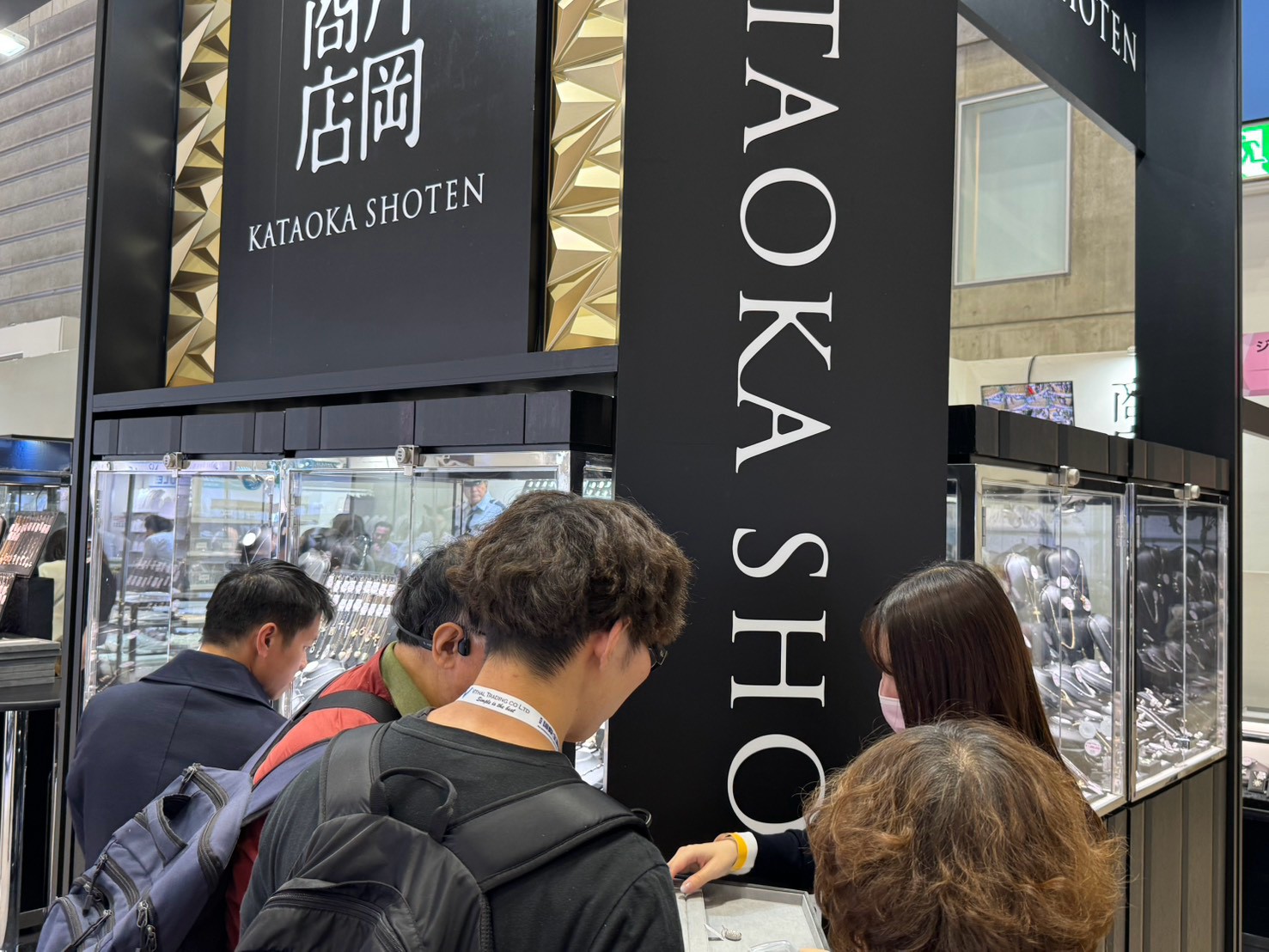
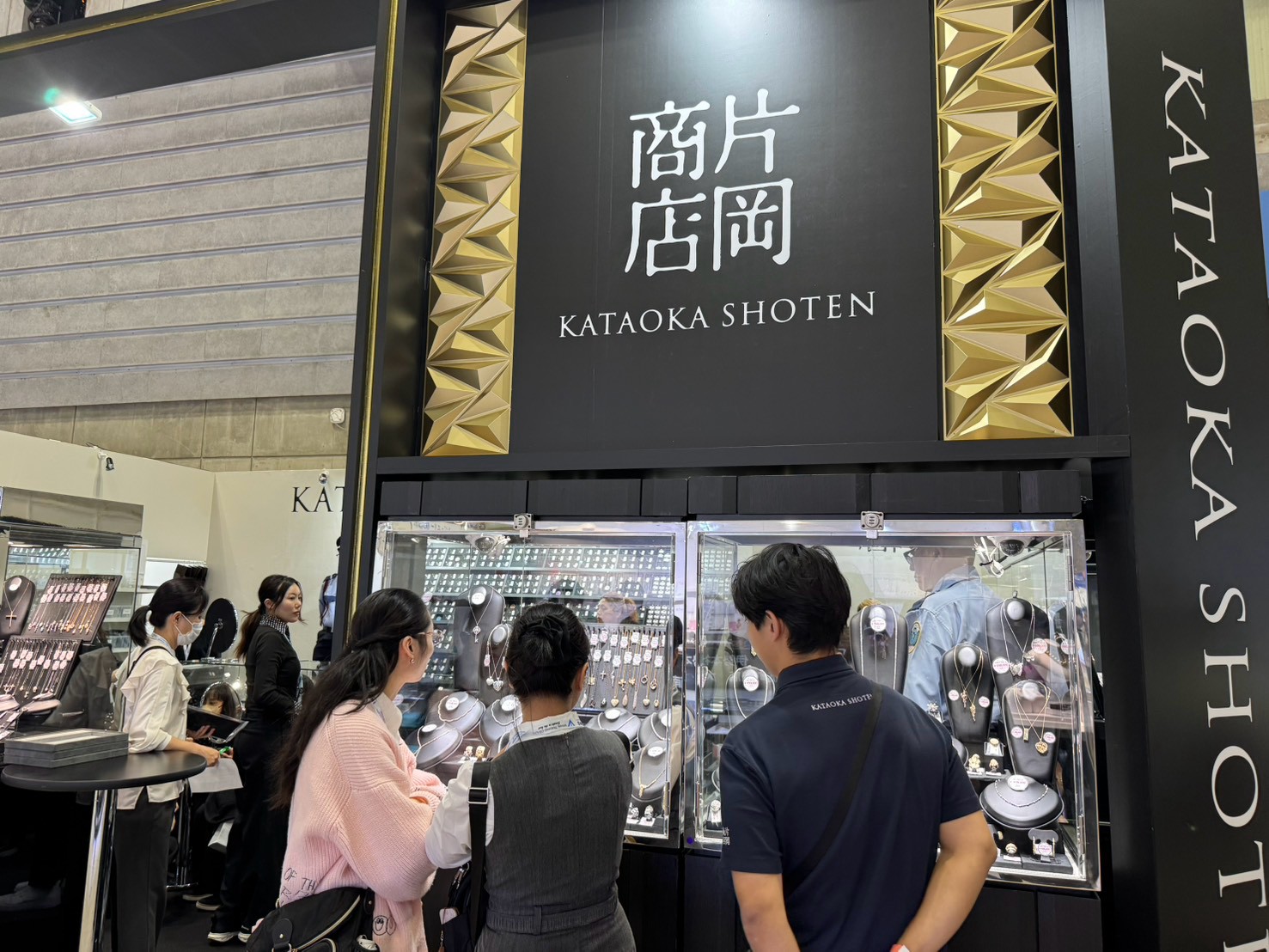
It seems that an increasing number of consumers are no longer purchasing jewelry solely because they appreciate its design. Rather, they are asking how much value a piece truly possesses and whether that value will be preserved in the future. On the other hand, the rise in prices has not meant that all high-priced jewelry has become difficult to sell. Products with a clear and compelling reason for purchase, such as rare gemstones, distinctive designs, and branded jewelry, continue to enjoy strong demand. Conversely, it seems that products in the mid-price range that lack distinctive characteristics are becoming less likely to be chosen by consumers than they were in the past.
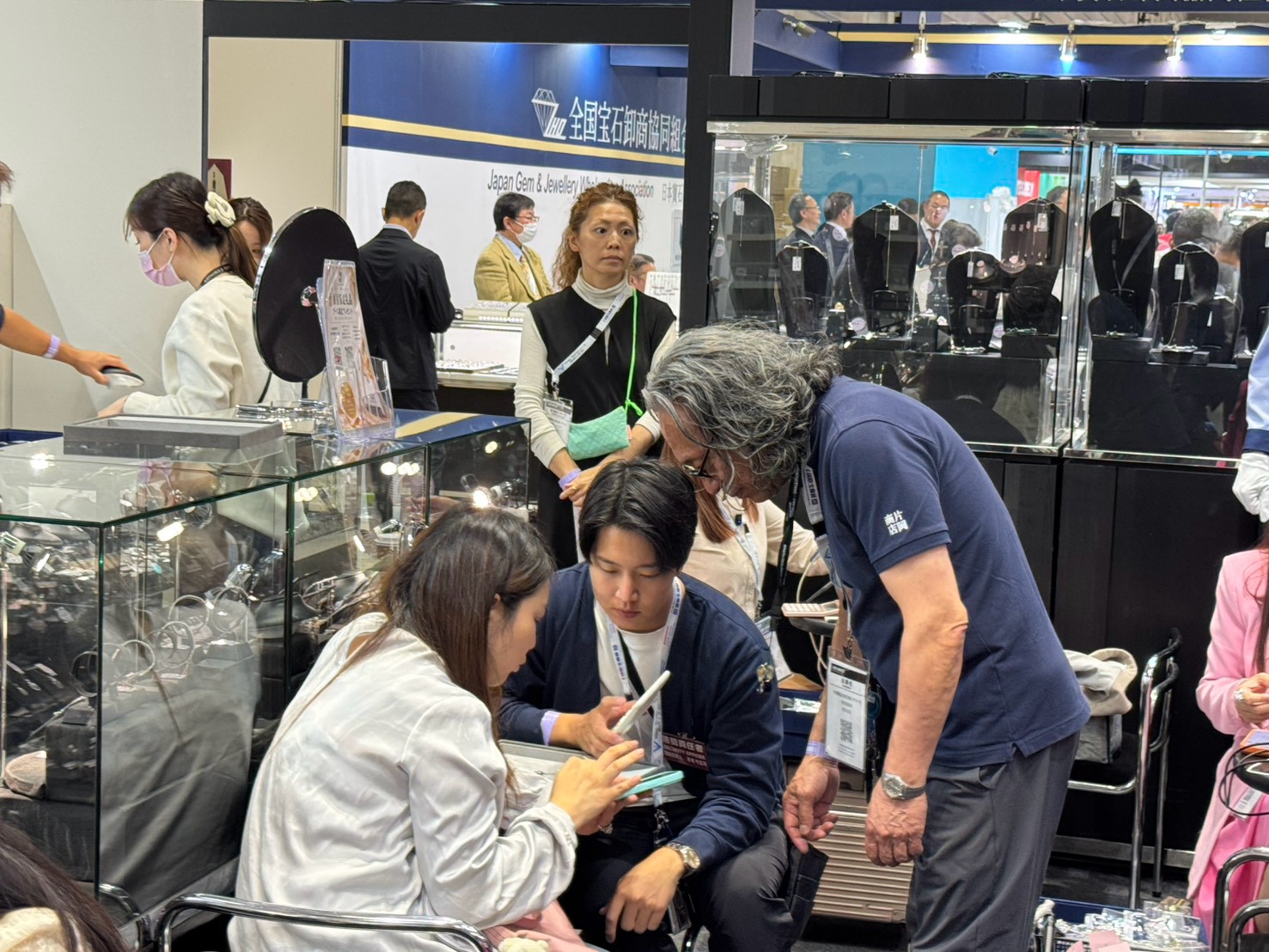
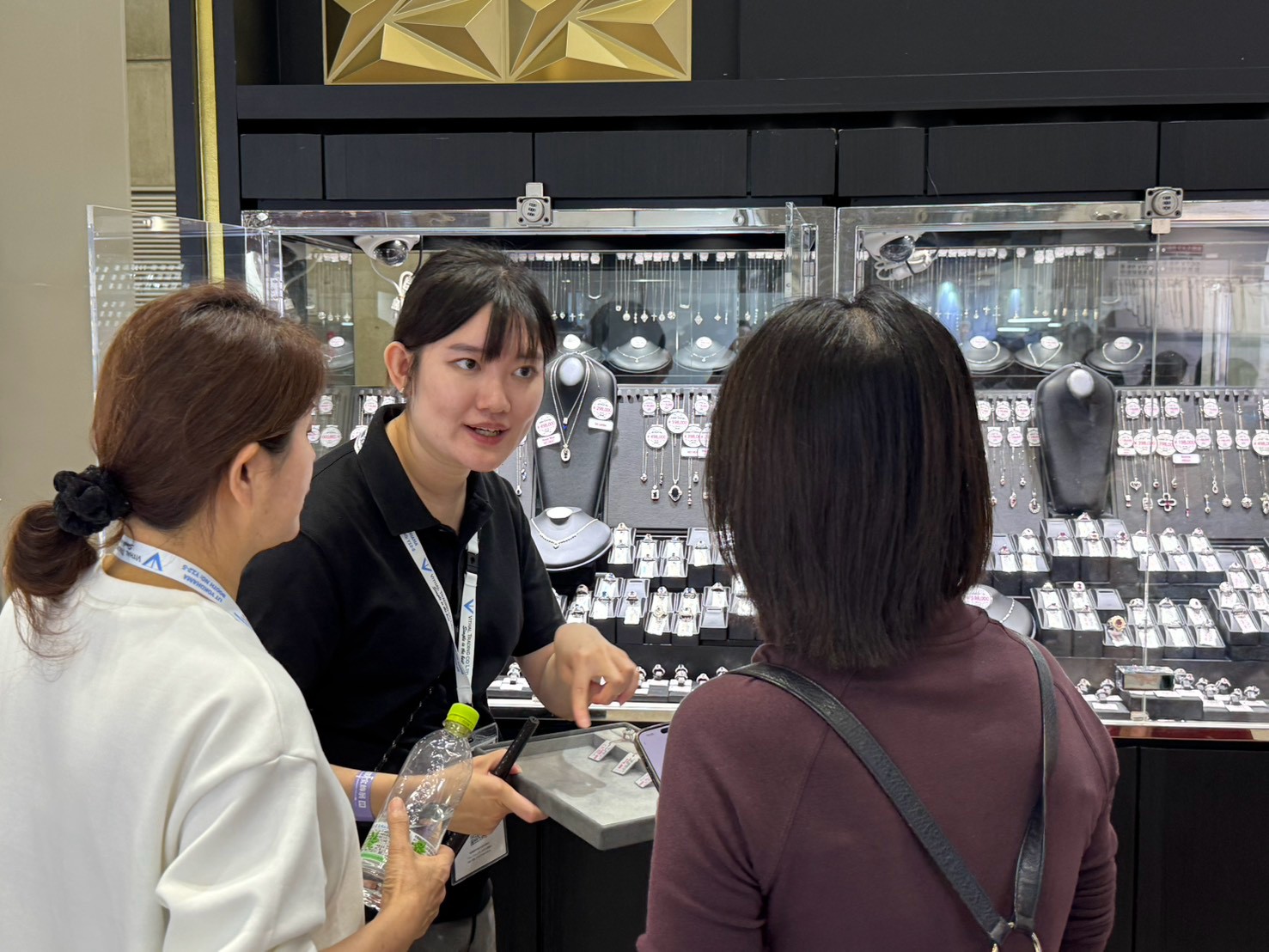
Looking ahead, the market is likely to become polarized not between expensive products and inexpensive products, but between products that offer a clear reason to buy and those that do not. This shift is highly relevant not only to retailers but also to wholesalers like ourselves, particularly when it comes to our purchasing and sourcing decisions.In the past, products could often be sold as long as they offered an attractive price. Today, however, that is no longer sufficient. It has become increasingly important to present the complete value proposition of a product, including its background, rarity, design, and even the justification for its price.
Another area that deserves close attention going forward is the evolving role of pre-owned jewelry in the market. Traditionally, pre-owned jewelry has been widely perceived as a more affordable alternative to new jewelry. Today, however, the market is beginning to shift toward consumers choosing pre-owned jewelry for the unique value it offers, such as pieces that would be difficult to produce today, jewelry with substantial weight, and designs that reflect the character of a bygone era.
Given the substantial rise in gold bullion prices, manufacturing a new piece with the same weight and craftsmanship would lead to a considerably higher selling price. In this context, it is quite possible that well-crafted, high-quality jewelry from past generations will gain renewed appreciation and be reevaluated for its true worth. In my view, many pieces created in the past appear far more appealing than those produced today, offering greater presence, substantial weight, and a level of originality that is increasingly difficult to find in contemporary jewelry.
Furthermore, social media and video platforms will become even more important. Traditionally, jewelry purchases were largely driven by in-store experiences, where customers viewed products firsthand and relied on sales professionals for information and guidance. Today, however, consumers often conduct extensive research beforehand through social media and online sources, gathering information on market trends and even secondary-market prices before ever stepping into a store. With the widespread adoption of AI, access to information will become even easier. As a result, the information asymmetry that has traditionally existed between sellers and buyers is expected to diminish even further.
Global markets are also undergoing significant changes. Rather than relying solely on the Chinese market, growth is increasingly being driven by Southeast Asia, the Middle East, and India, making it essential to develop strategies tailored to the unique characteristics of each market. As with the Hong Kong Jewellery Show in September, I felt that Chinese buyers were not as prominent at this year’s Yokohama show as they had been in the past, while visitors from other Asian regions appeared to be increasing. In overseas markets, success will increasingly depend on having a clear understanding of what to sell, to whom, and in which countries.
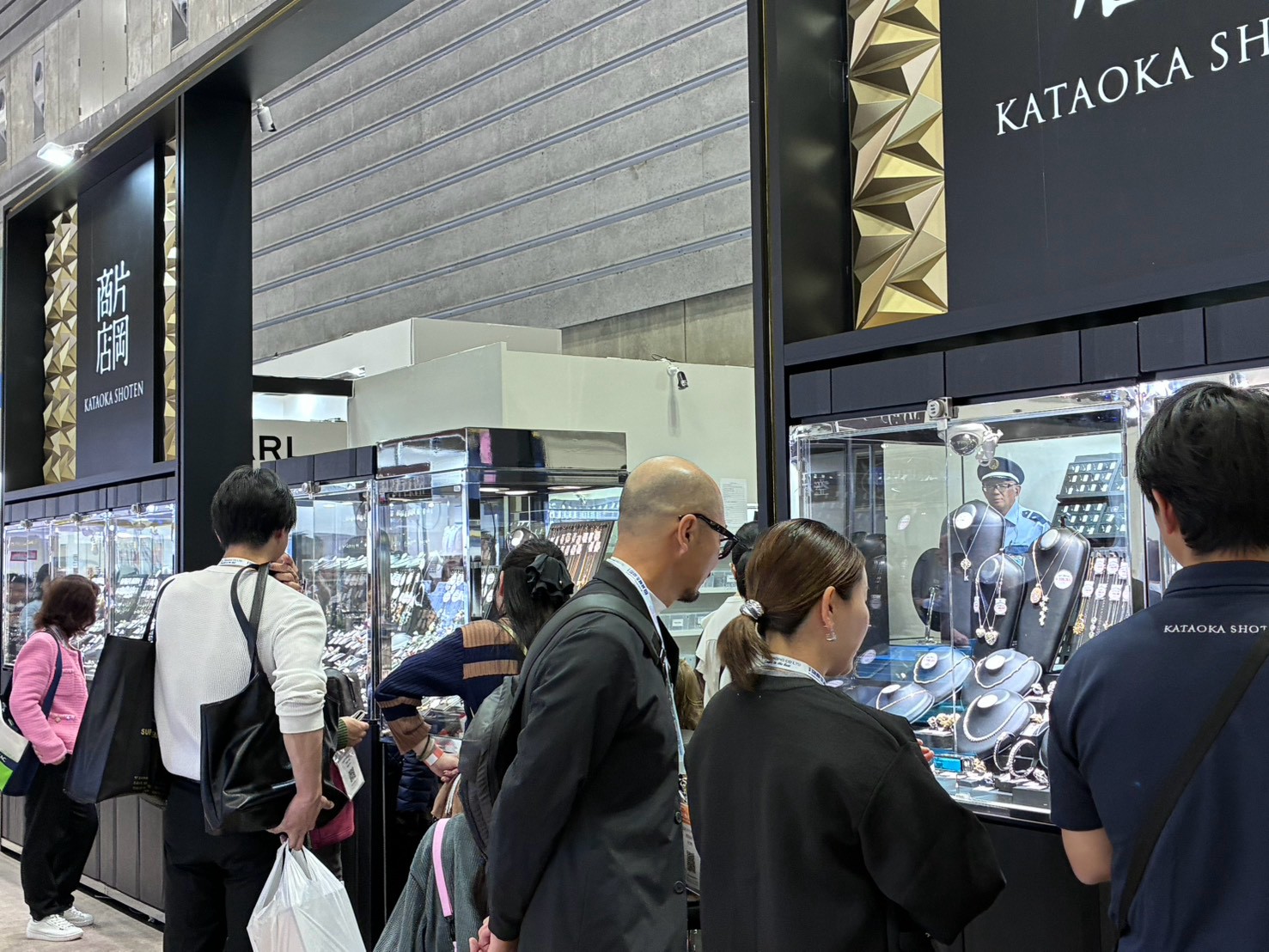
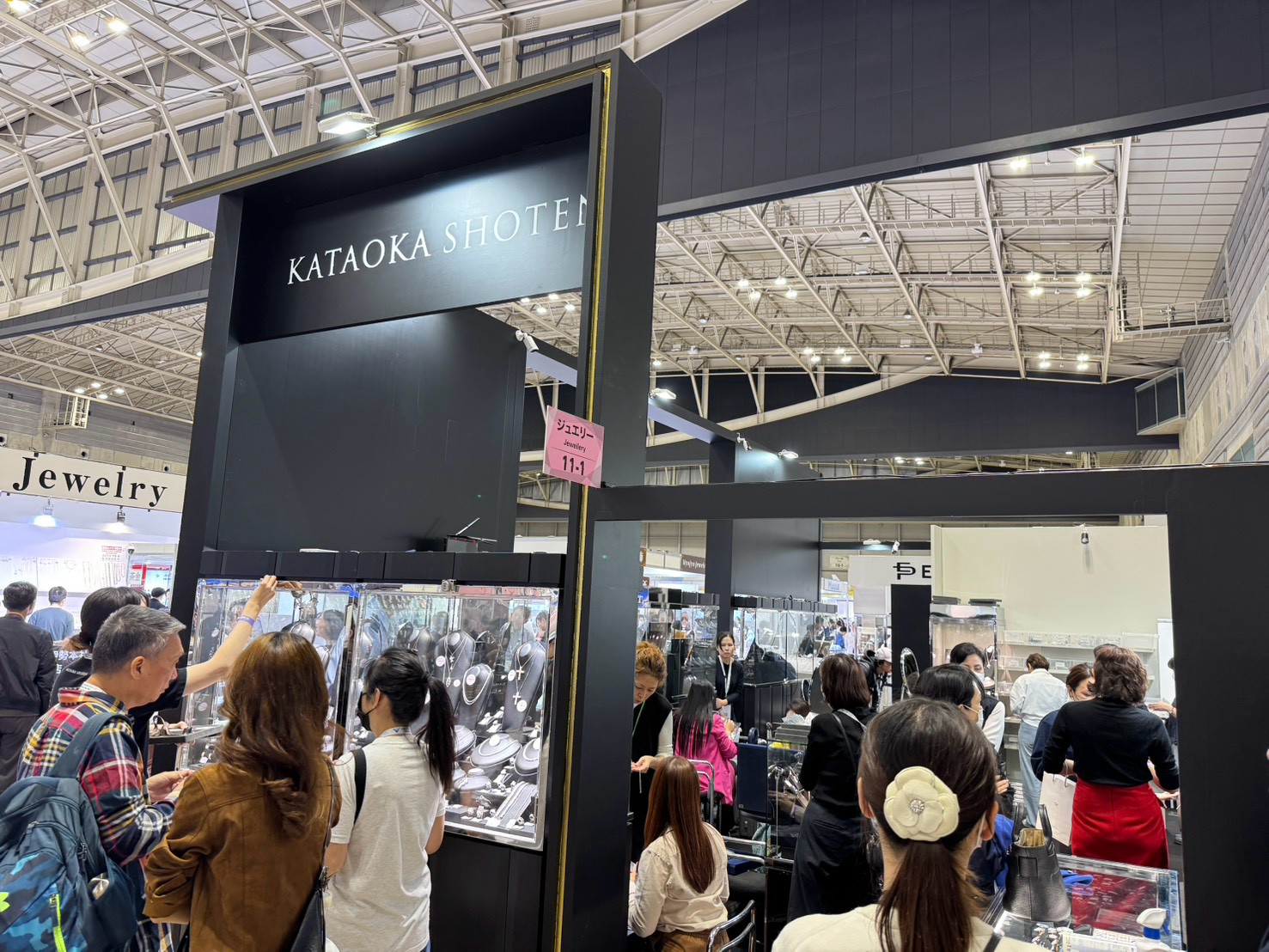
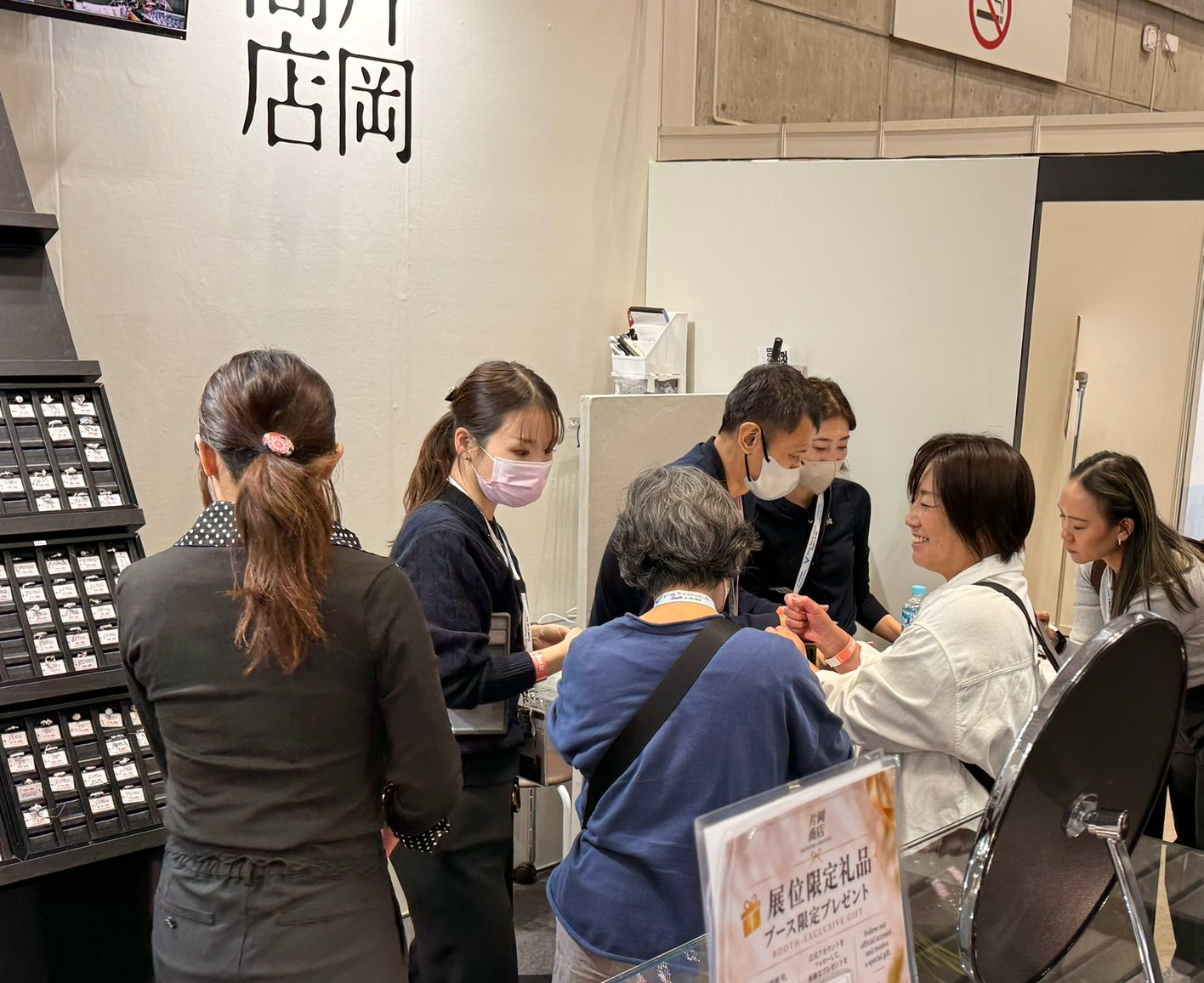
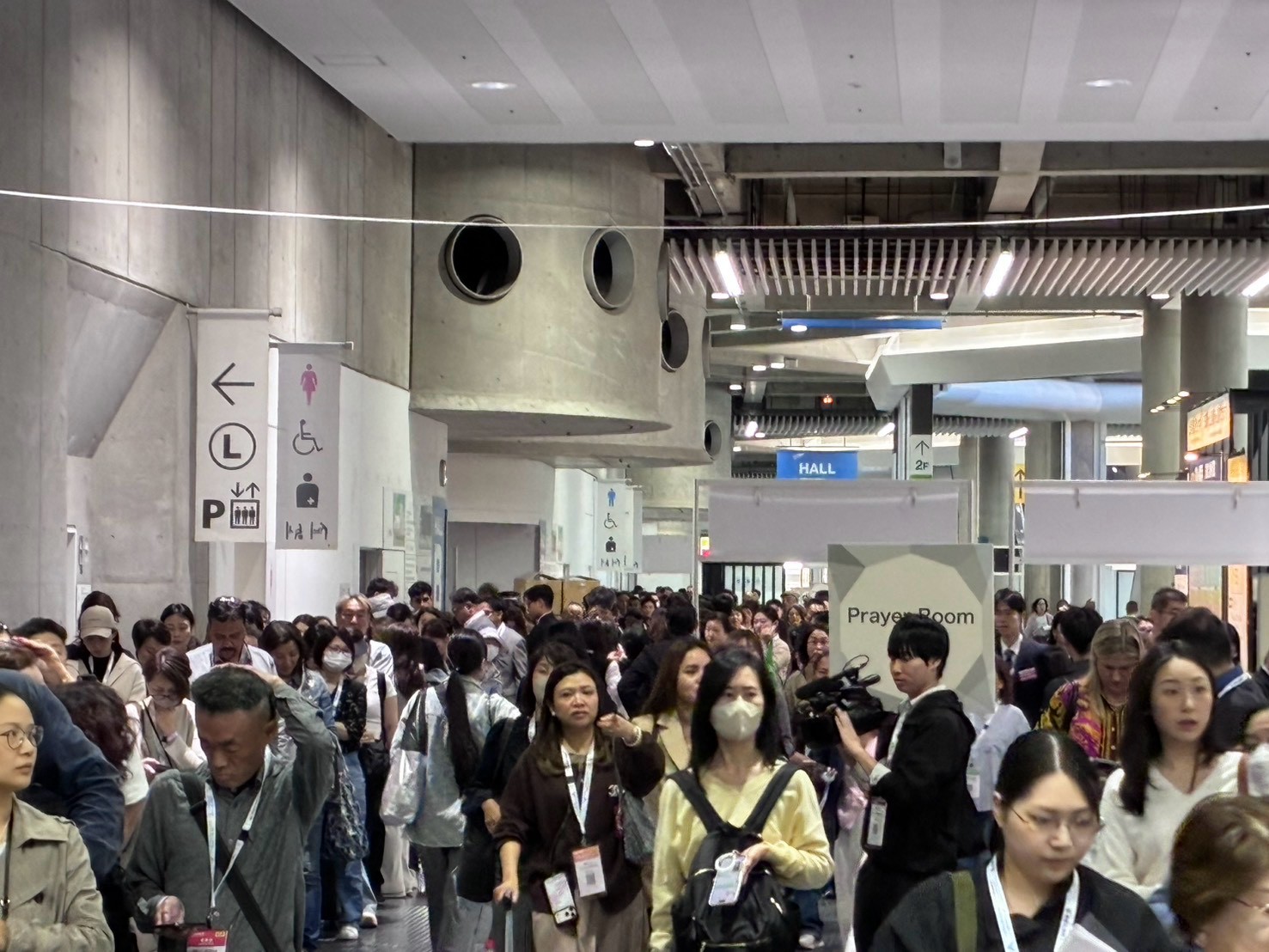
My impression was that this year’s Yokohama Jewelry Show was somewhat less vibrant than in past years. The number of visitors appeared to be somewhat lower than in previous years. The decline in attendance by overseas buyers may be unavoidable, given the large number of jewelry shows being held around the world within a relatively short period of time. However, the decline in attendance among Japanese visitors likely reflects the challenges currently being faced by retailers on the front lines of jewelry sales.
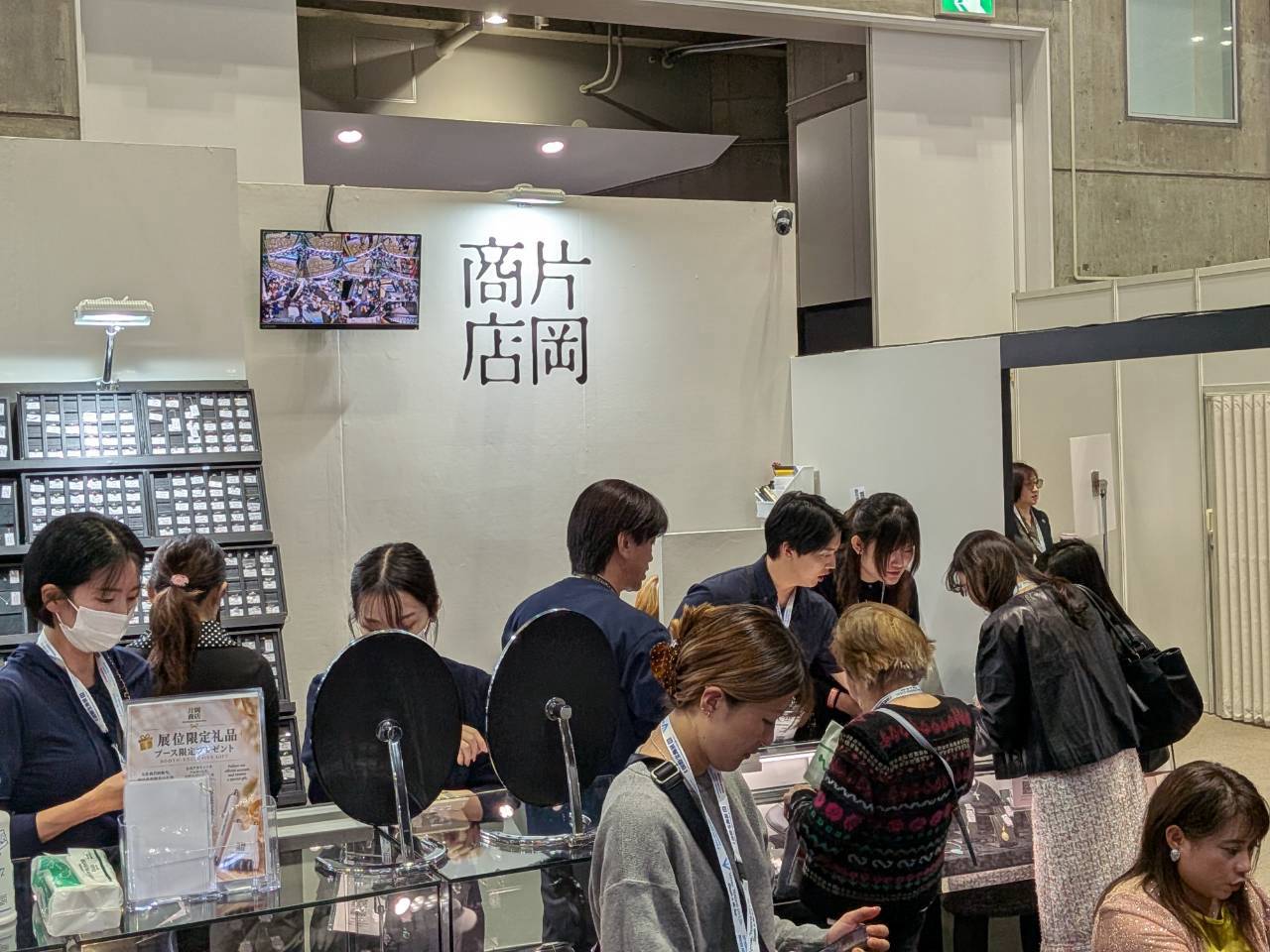
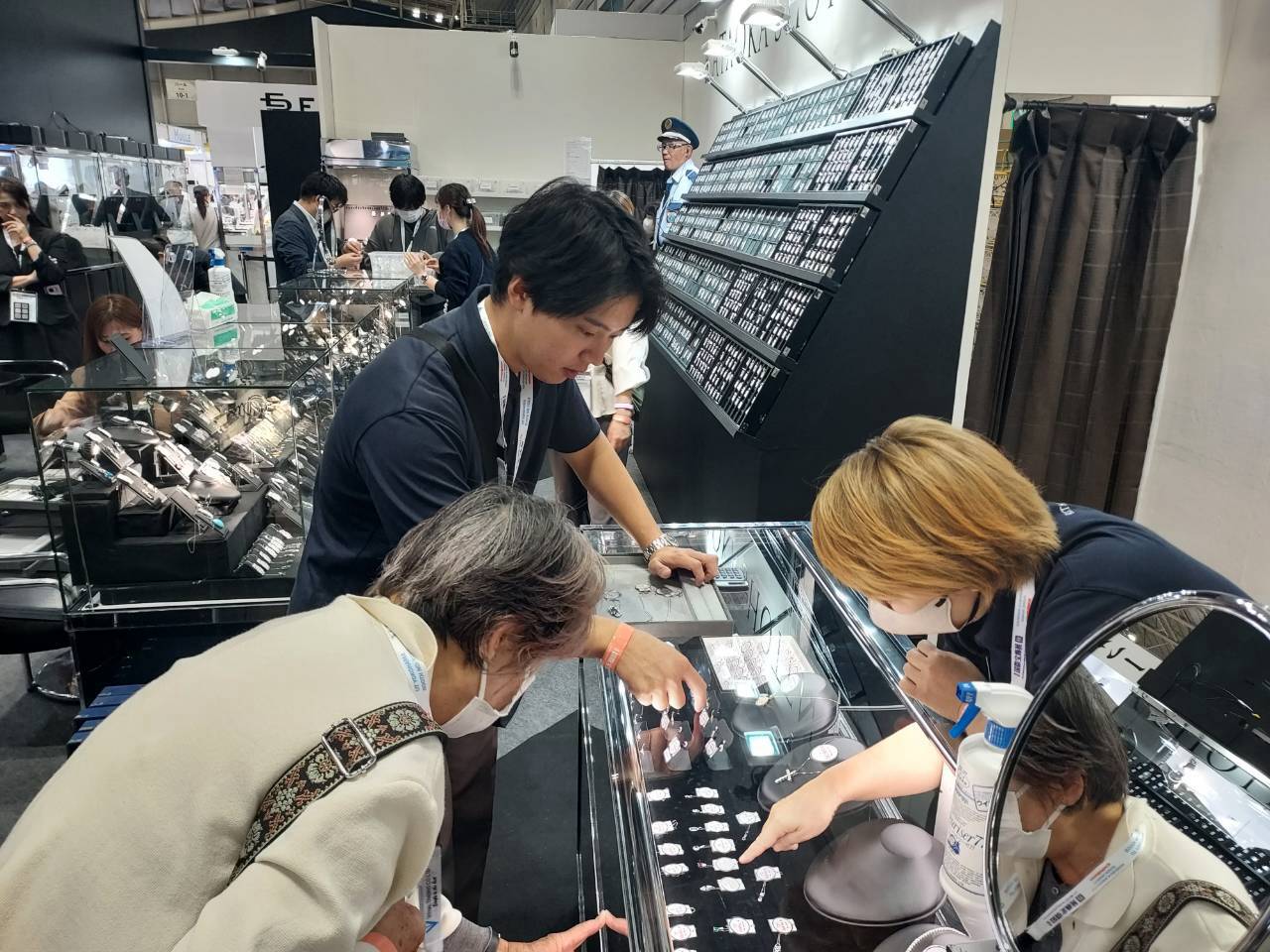
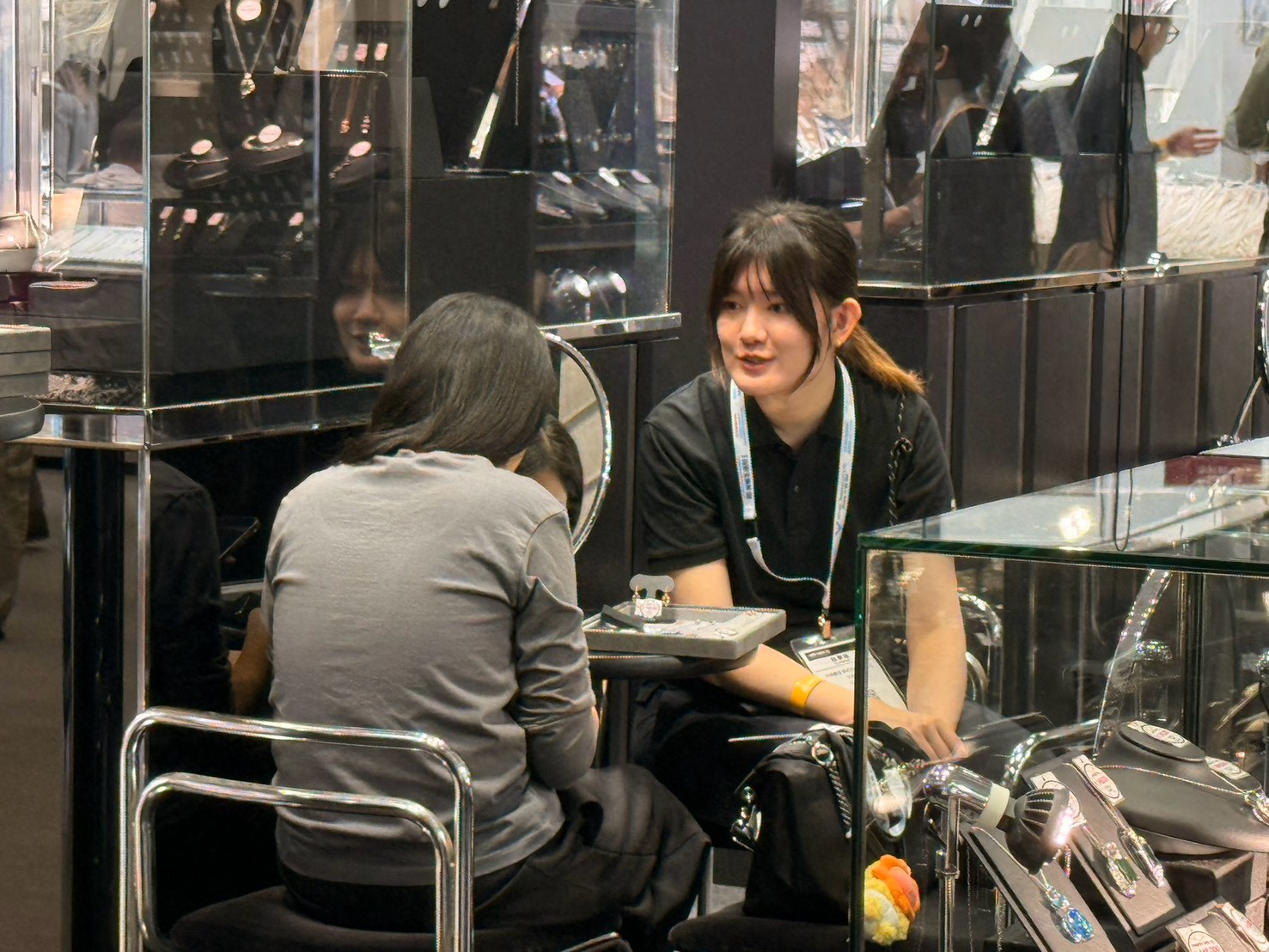
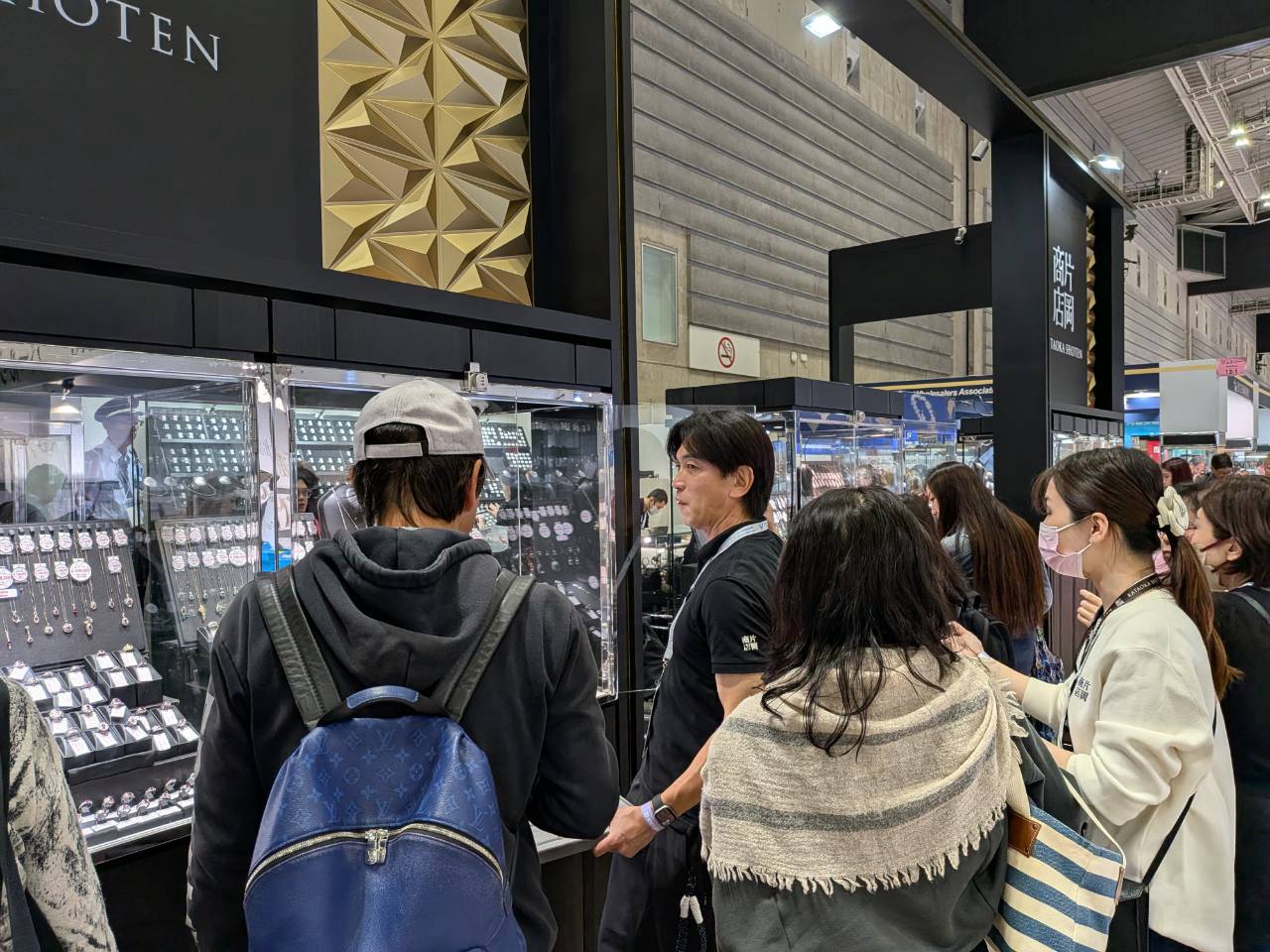
Even under these circumstances, products that offered a clear and compelling reason for purchase, whether through rarity, exclusivity, or originality, appeared to achieve strong sales. By contrast, products that could be found almost anywhere sometimes sold when priced attractively, although I had the impression that relatively few buyers were actively seeking such merchandise. The types of products that succeed at jewelry shows may be entering a new phase, and the range of merchandise capable of generating strong demand may continue to narrow in the future.
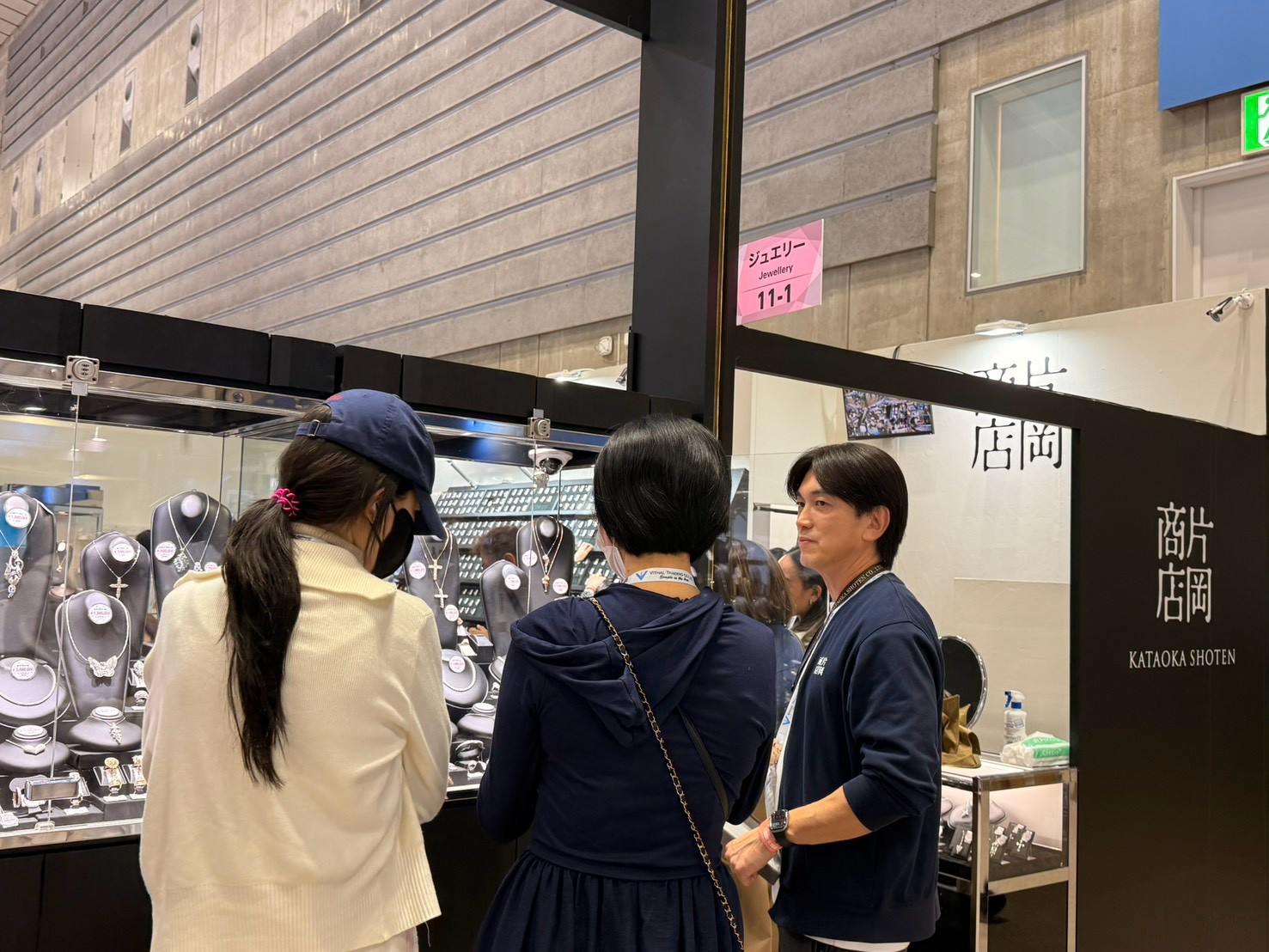
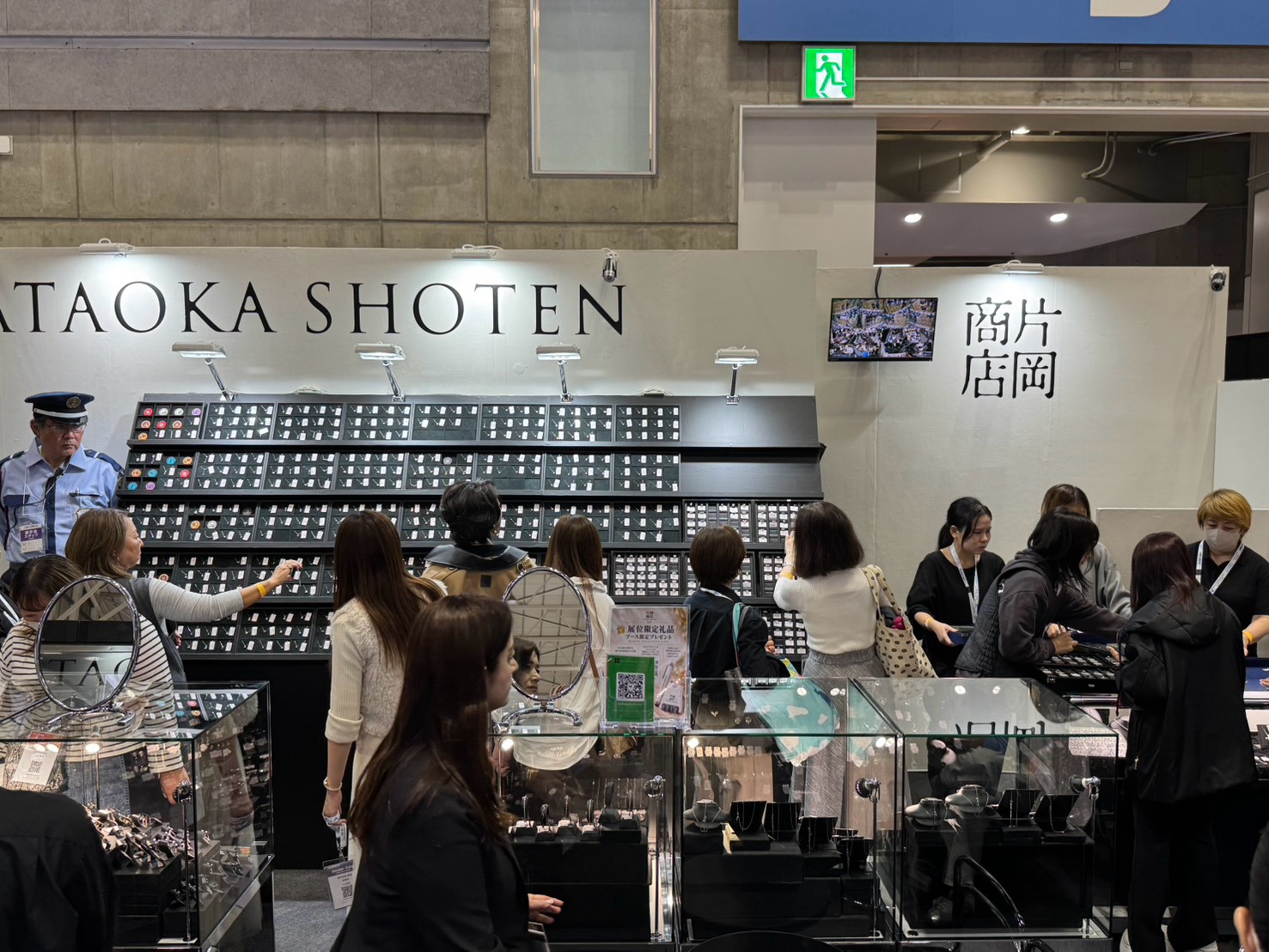
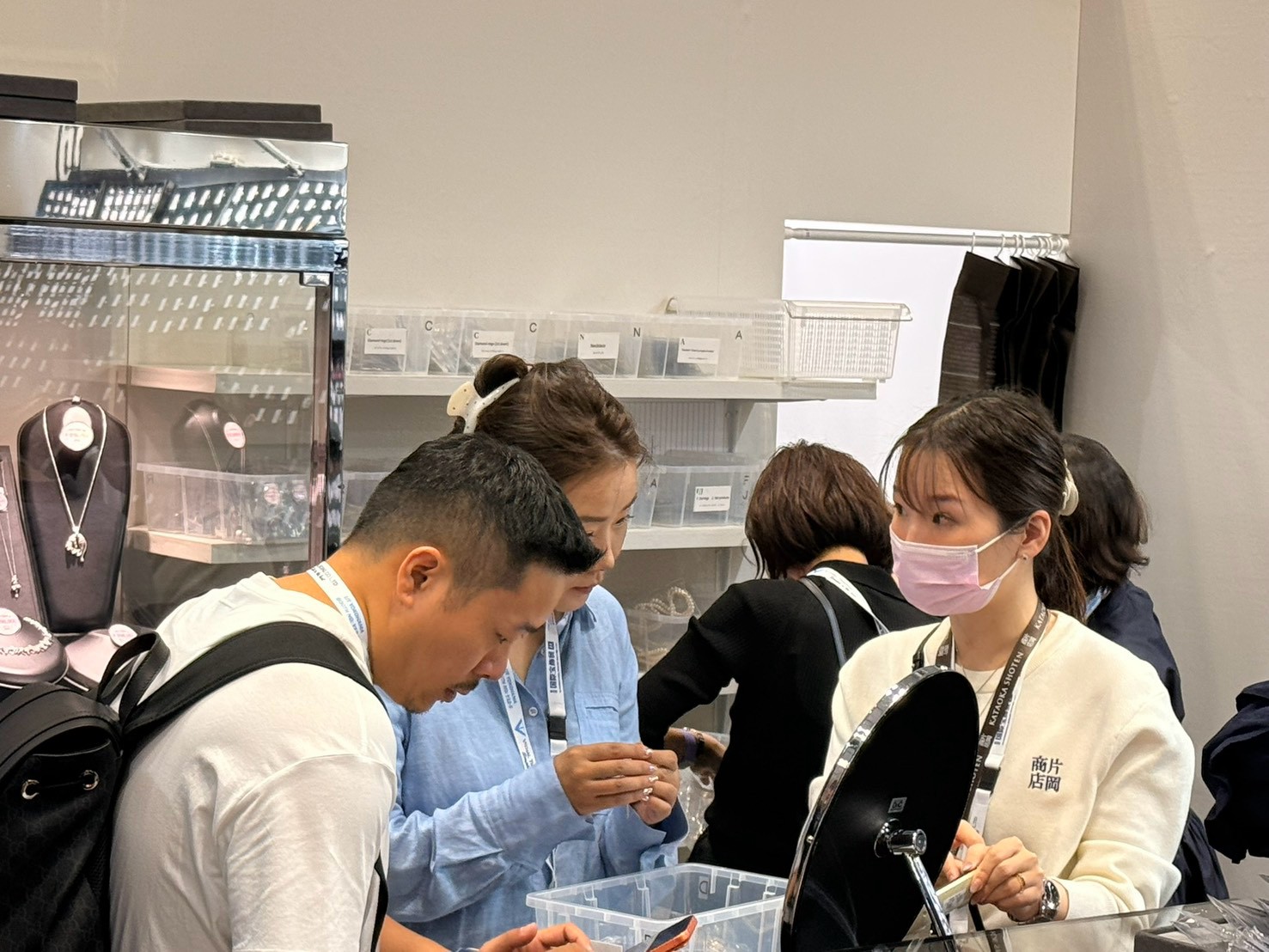
2026 was a year in which market prices, led by the rise in gold prices, took center stage. However, as we look toward 2027, it may be a year in which the true value of the product itself, along with the ability of those who sell it, will matter even more than market prices. Perhaps we are moving beyond an era in which products sold merely because prices were rising or because they were cheap. Instead, the jewelry industry may be returning to its true essence: discovering products with genuine value, communicating that value accurately, and connecting them with the customers who seek them.
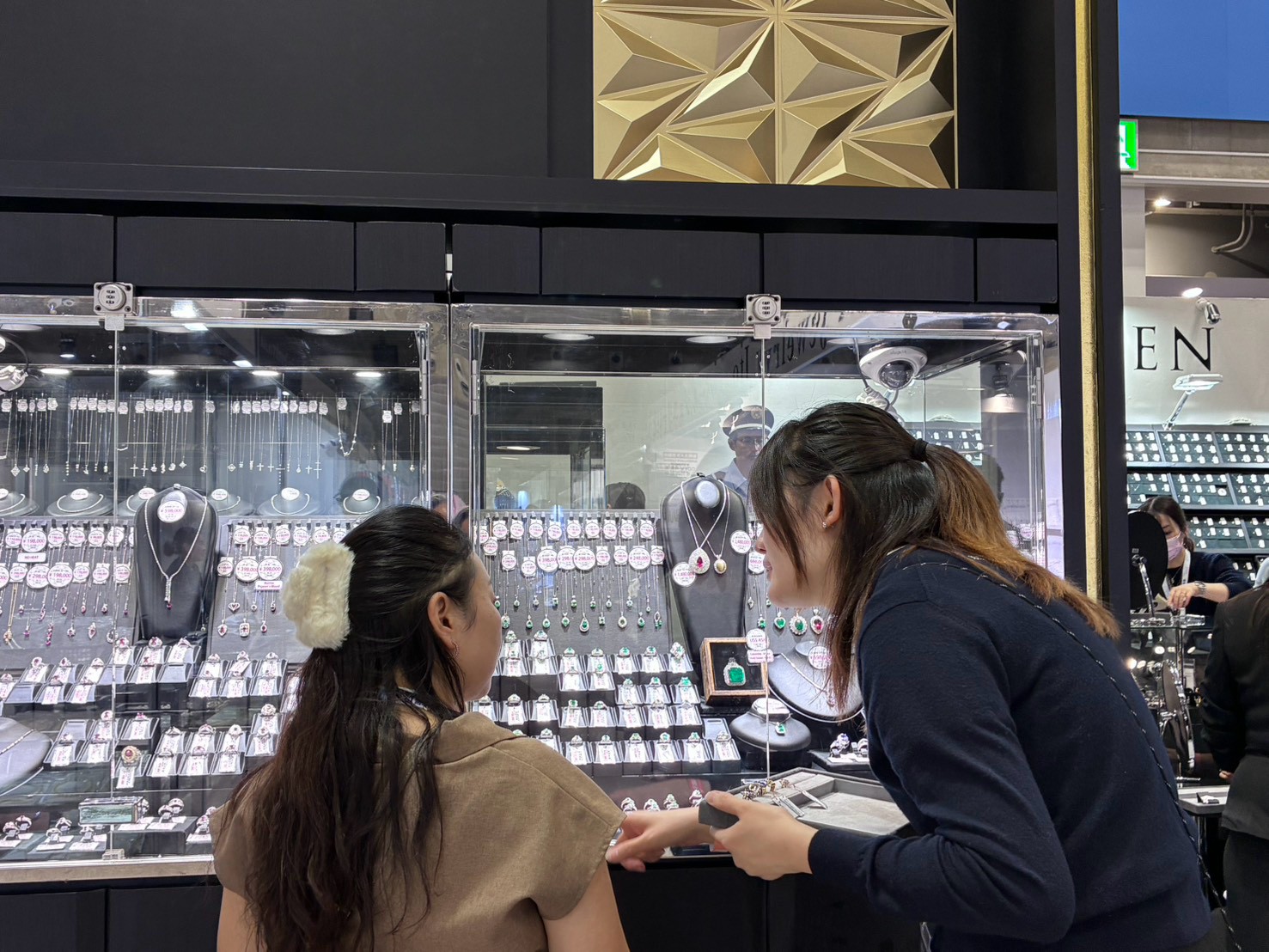
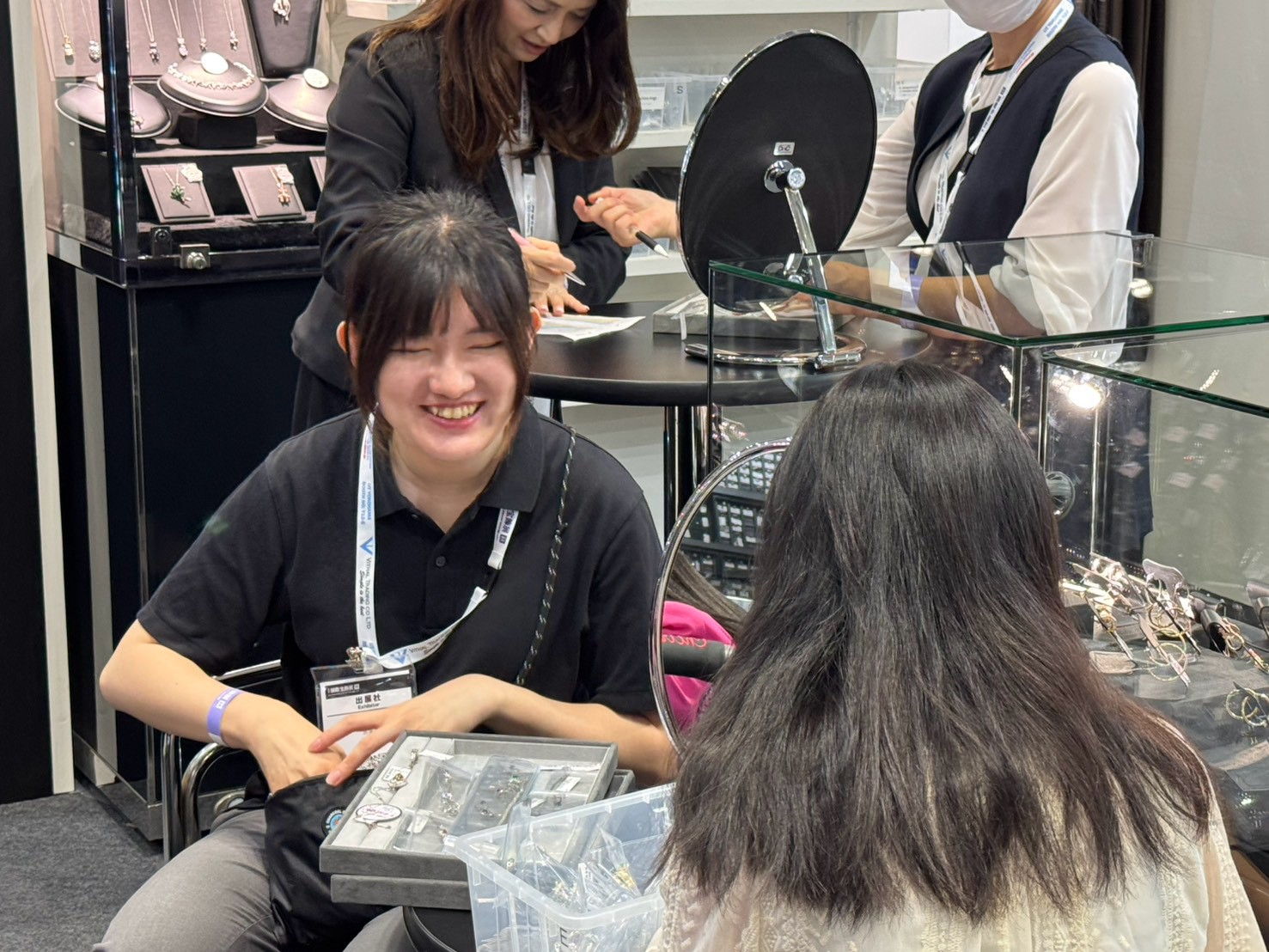
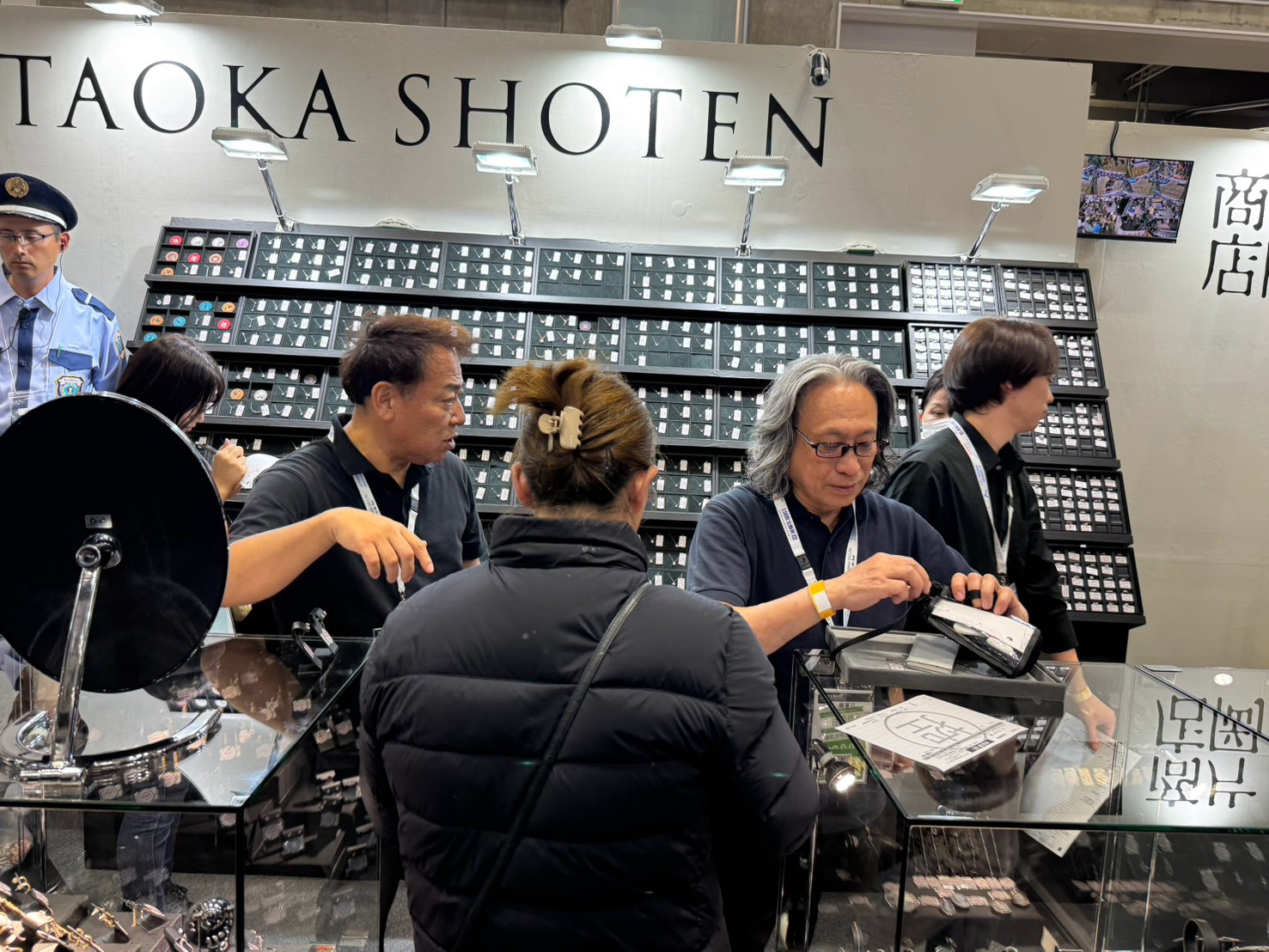
I believe that the role of wholesalers is no longer simply to source and sell products. Rather, it is to remain highly attuned to changes in both domestic and international markets, identify truly valuable products from among countless offerings, and provide customers with carefully considered recommendations. While continuing to value the experience and expertise we have cultivated over the years, we will strive to adapt flexibly to emerging markets and evolving consumer values, and to introduce attractive and meaningful products to our customers.
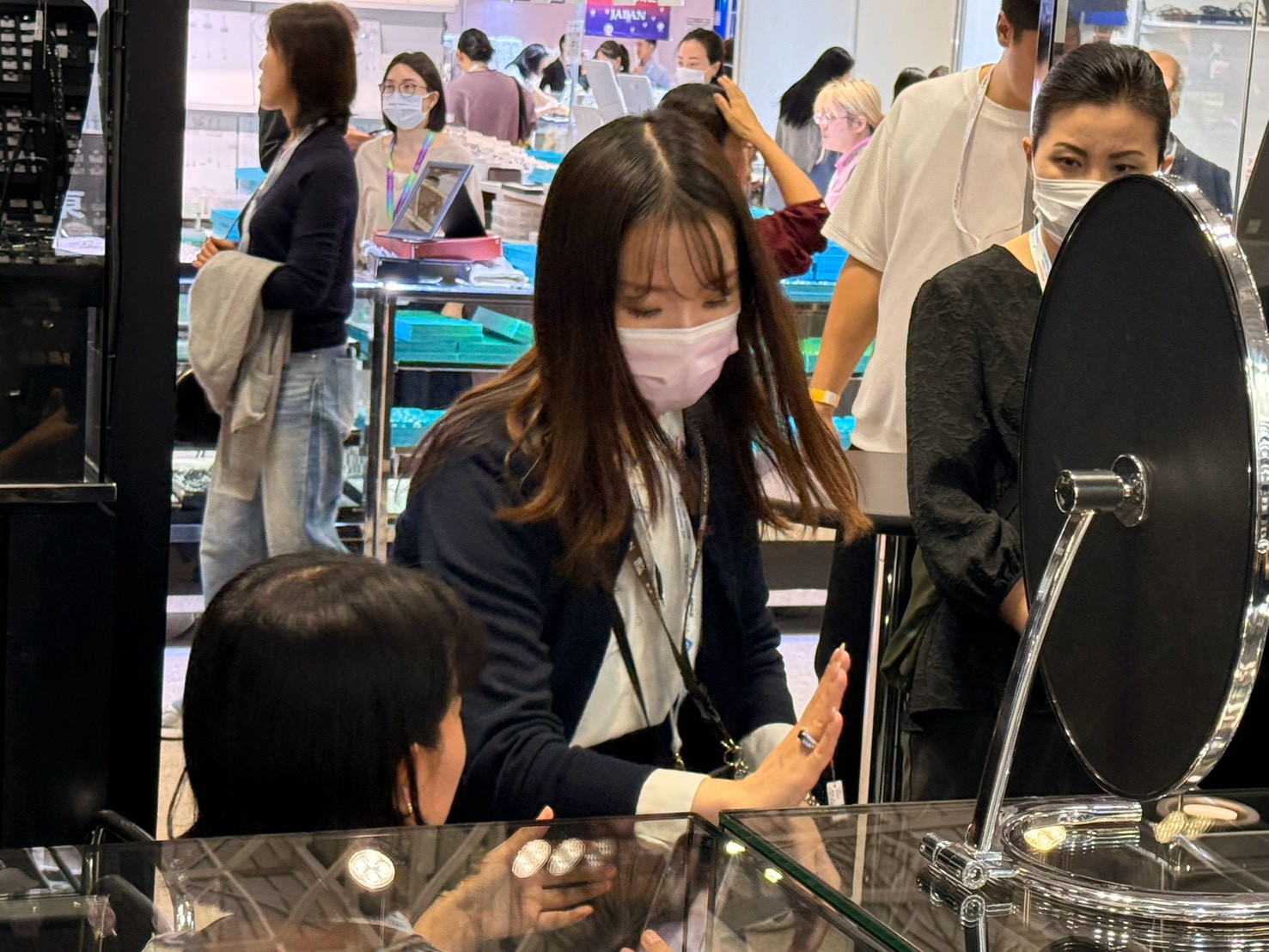
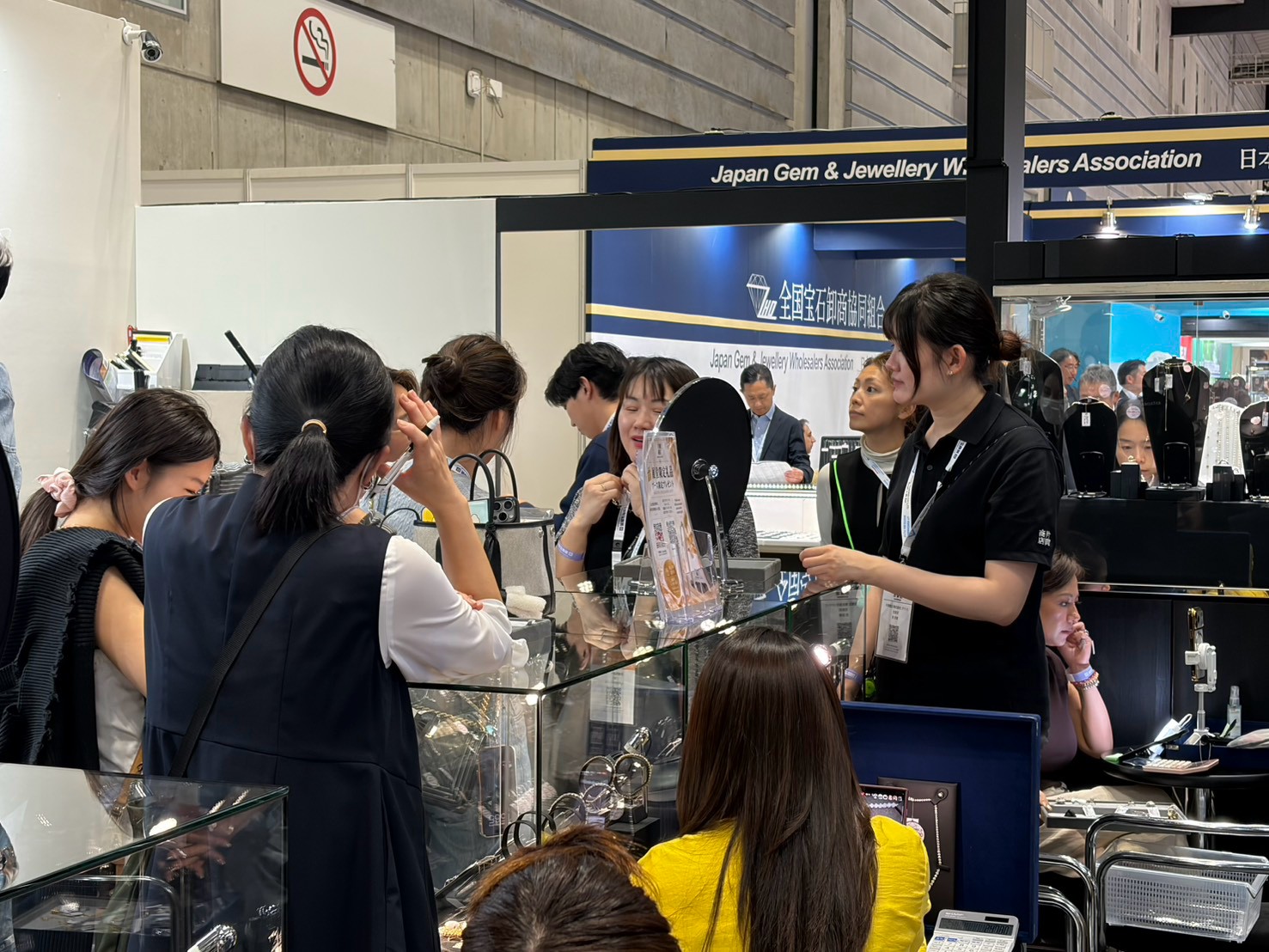
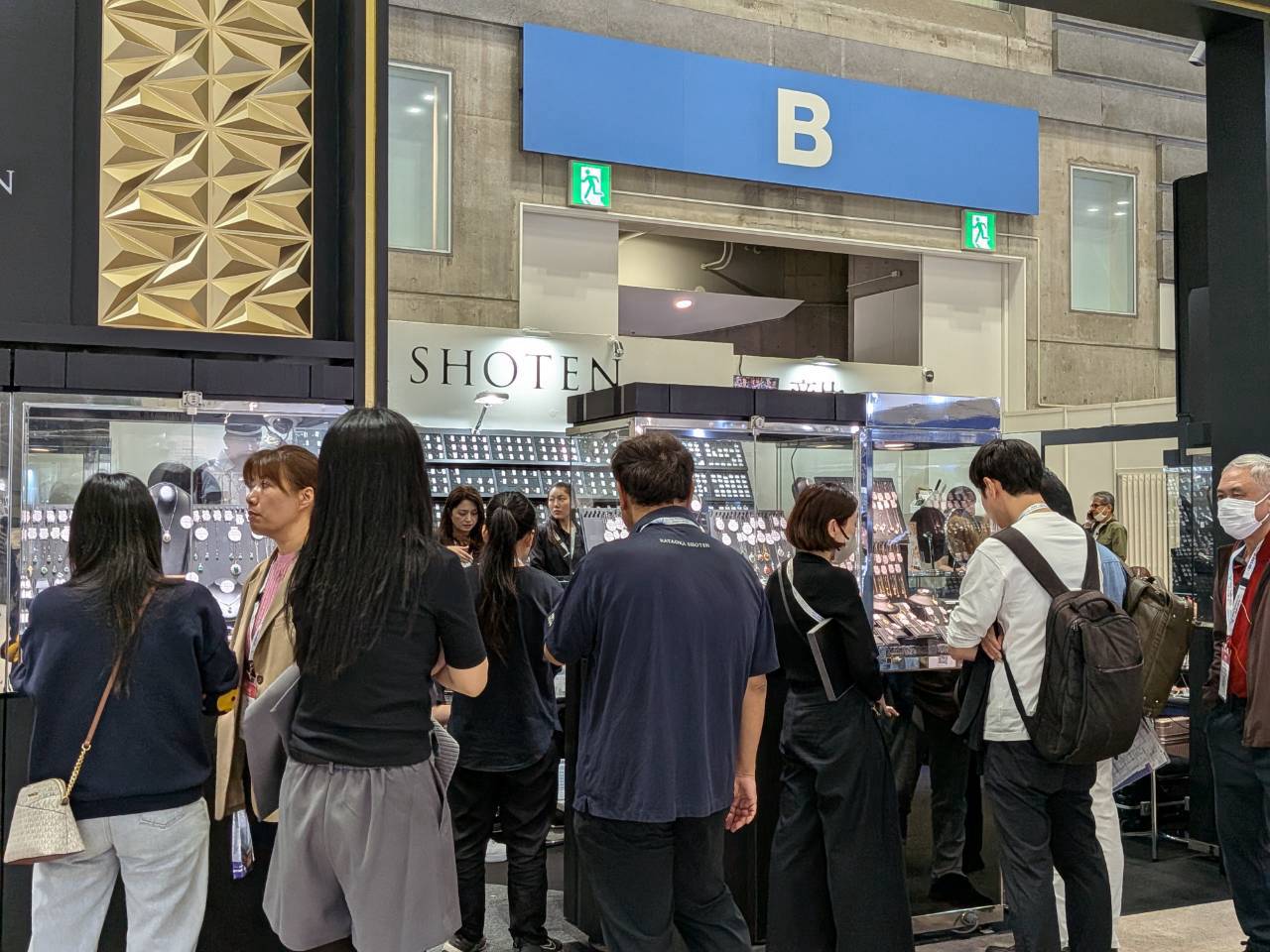
Lastly, we would like to extend our heartfelt thanks to all of you who took the time to visit our booth at the Yokohama Jewelry Show. Your continued support is greatly appreciated. We sincerely thank you for your patronage and look forward to the opportunity of serving you again at the next jewelry show.