 user1
user1 
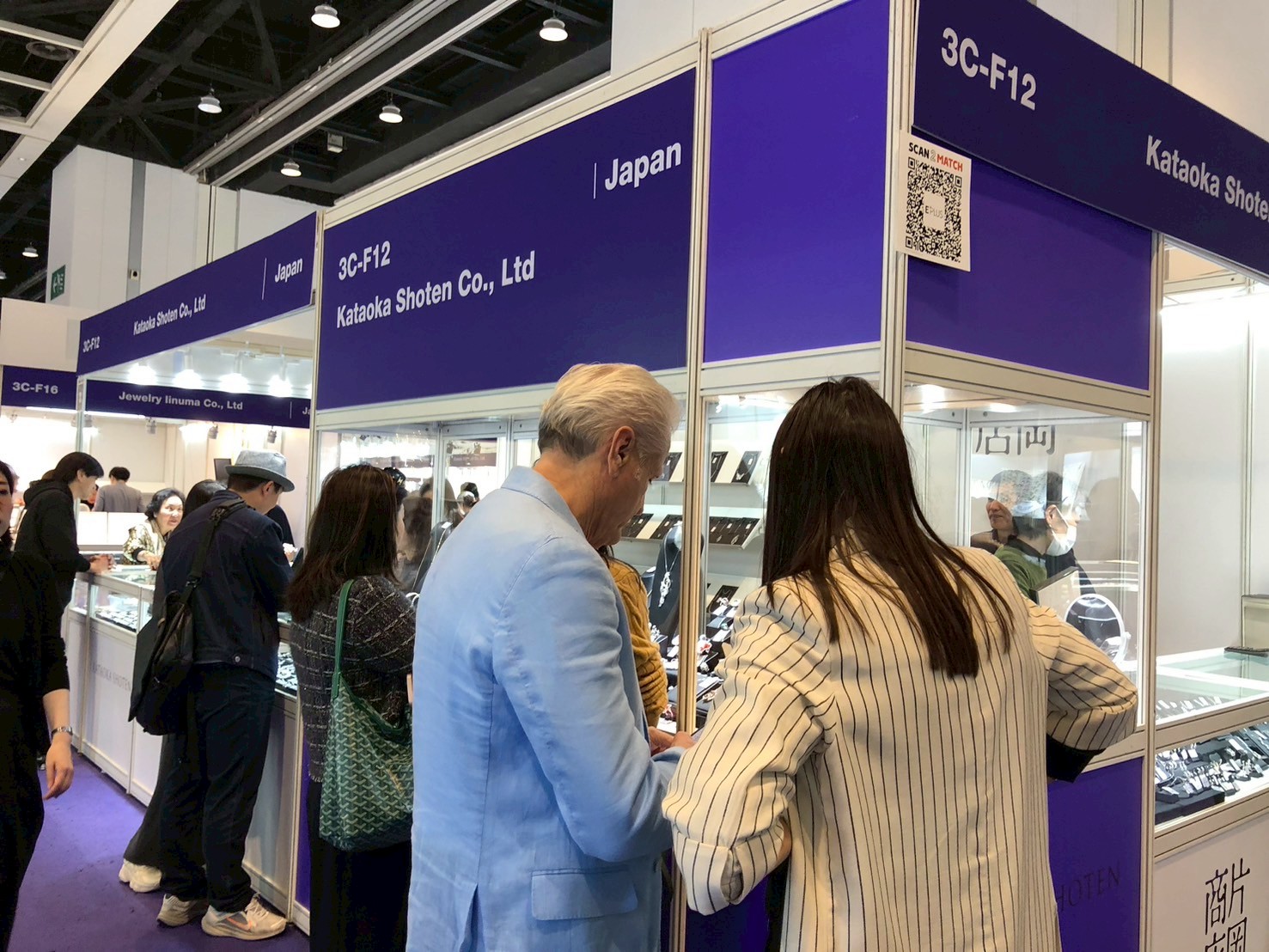
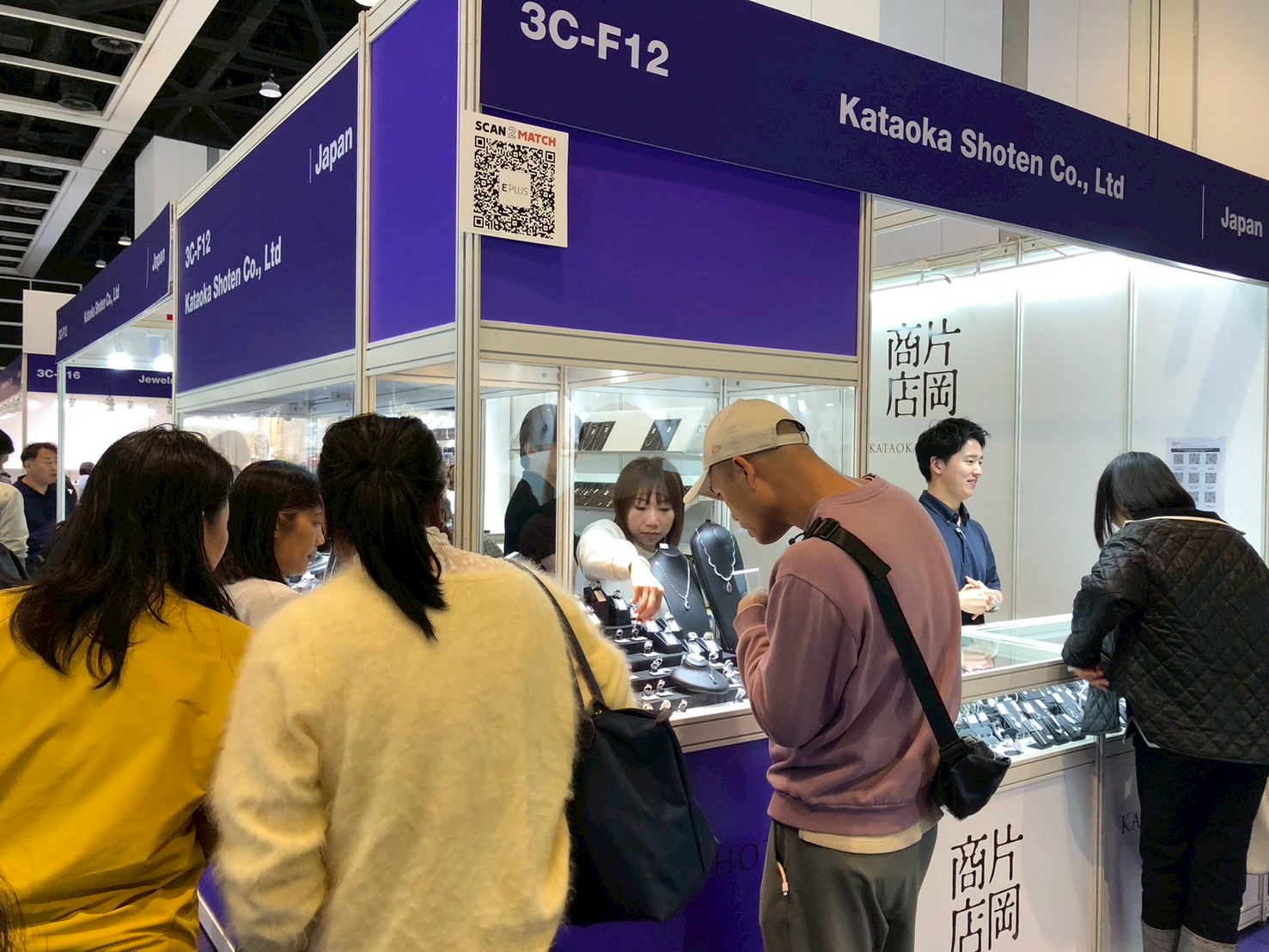
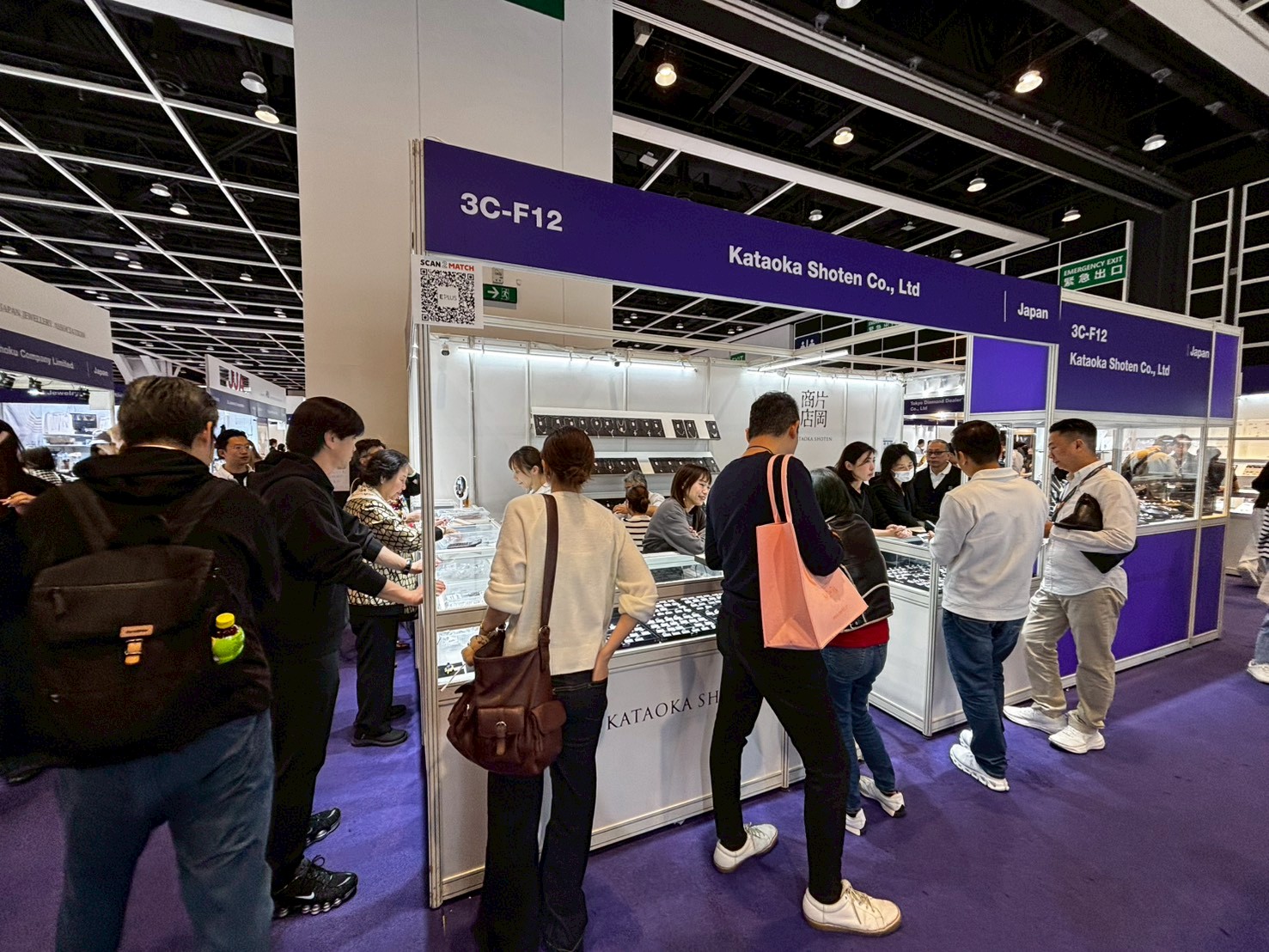
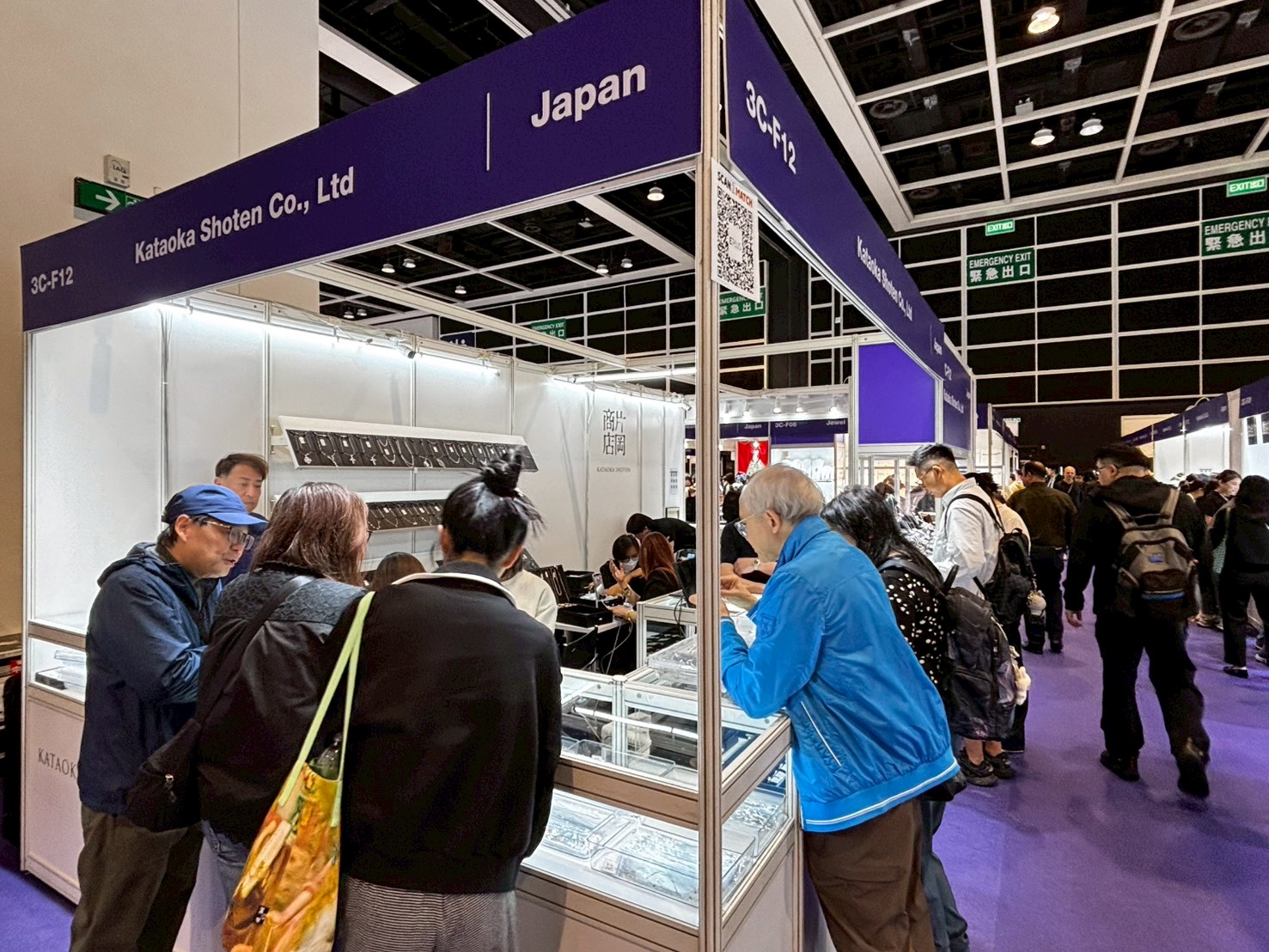
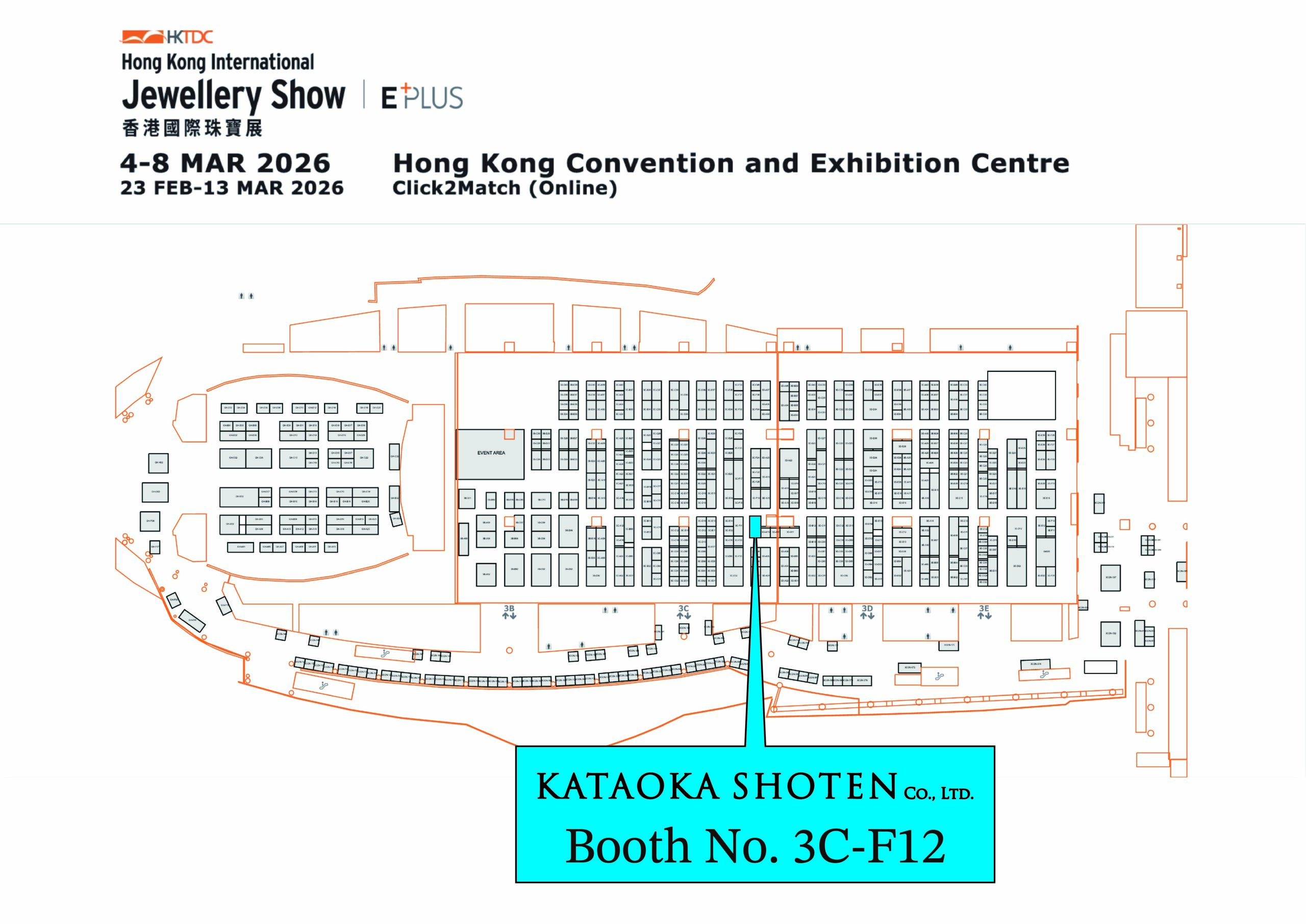
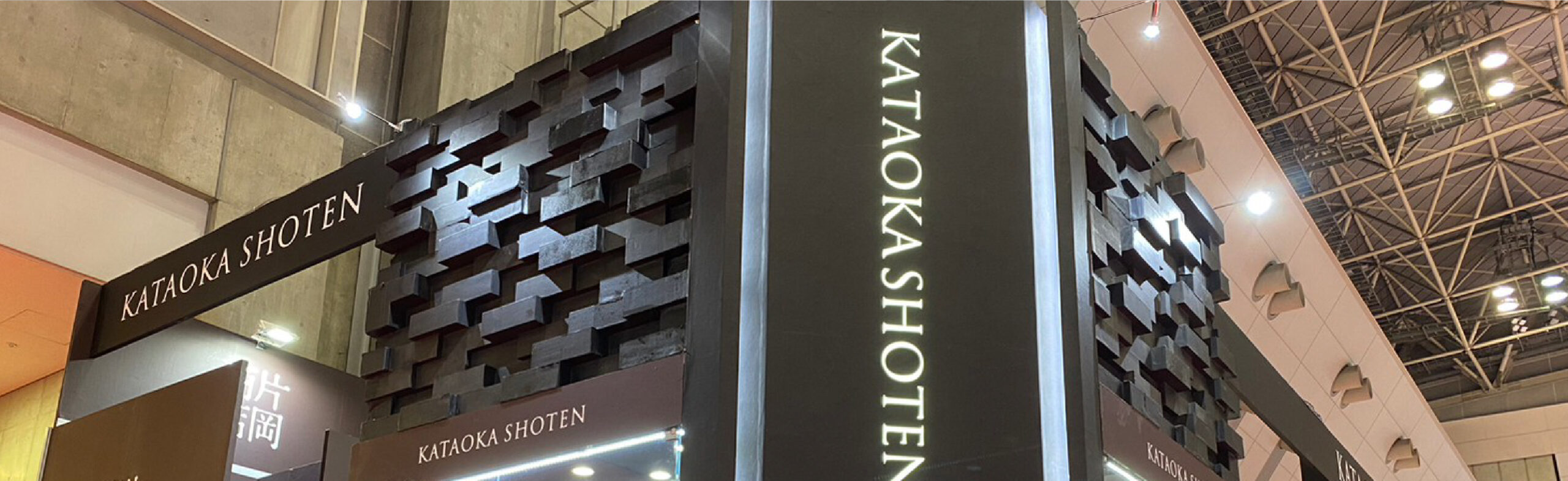
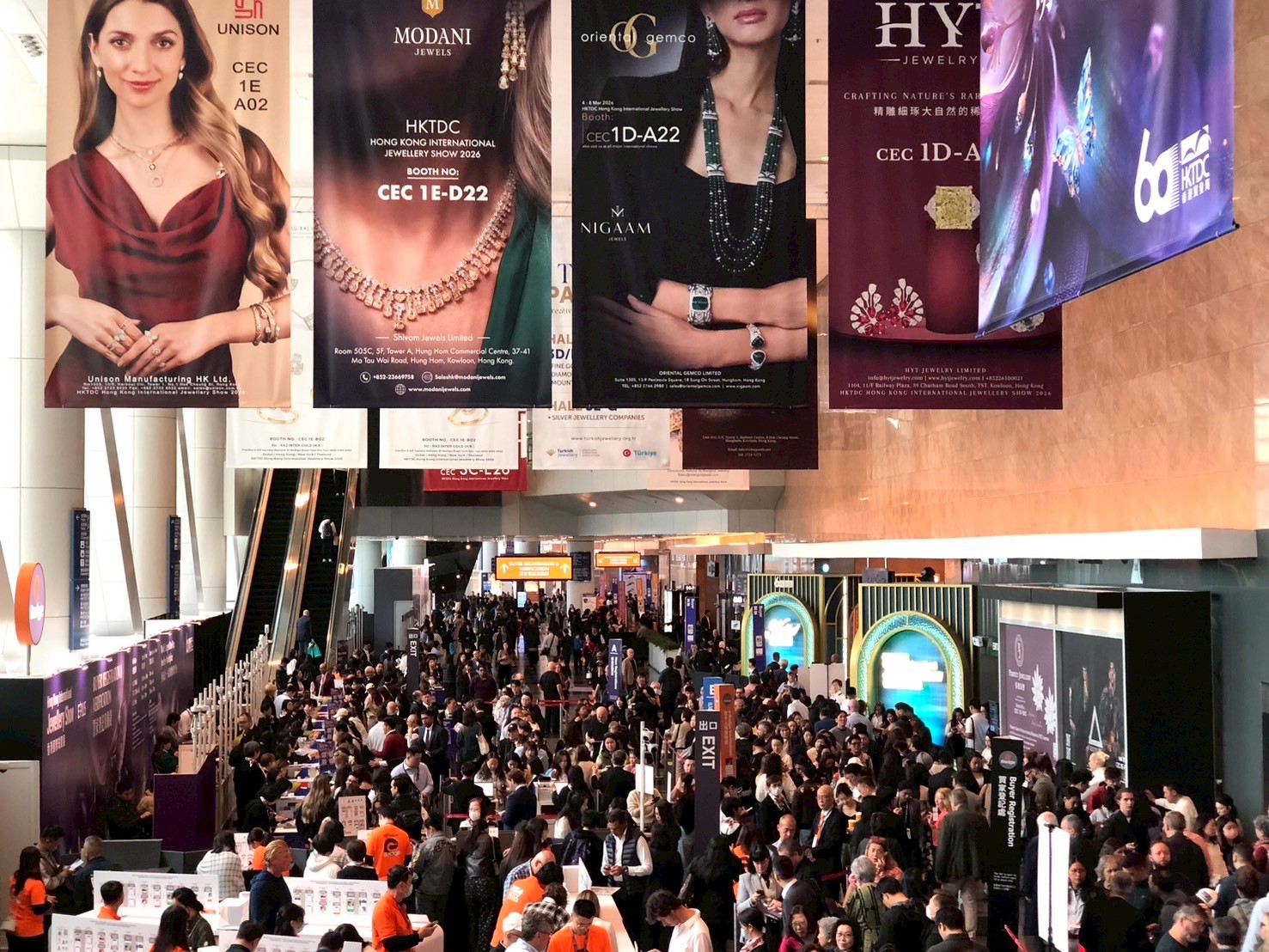
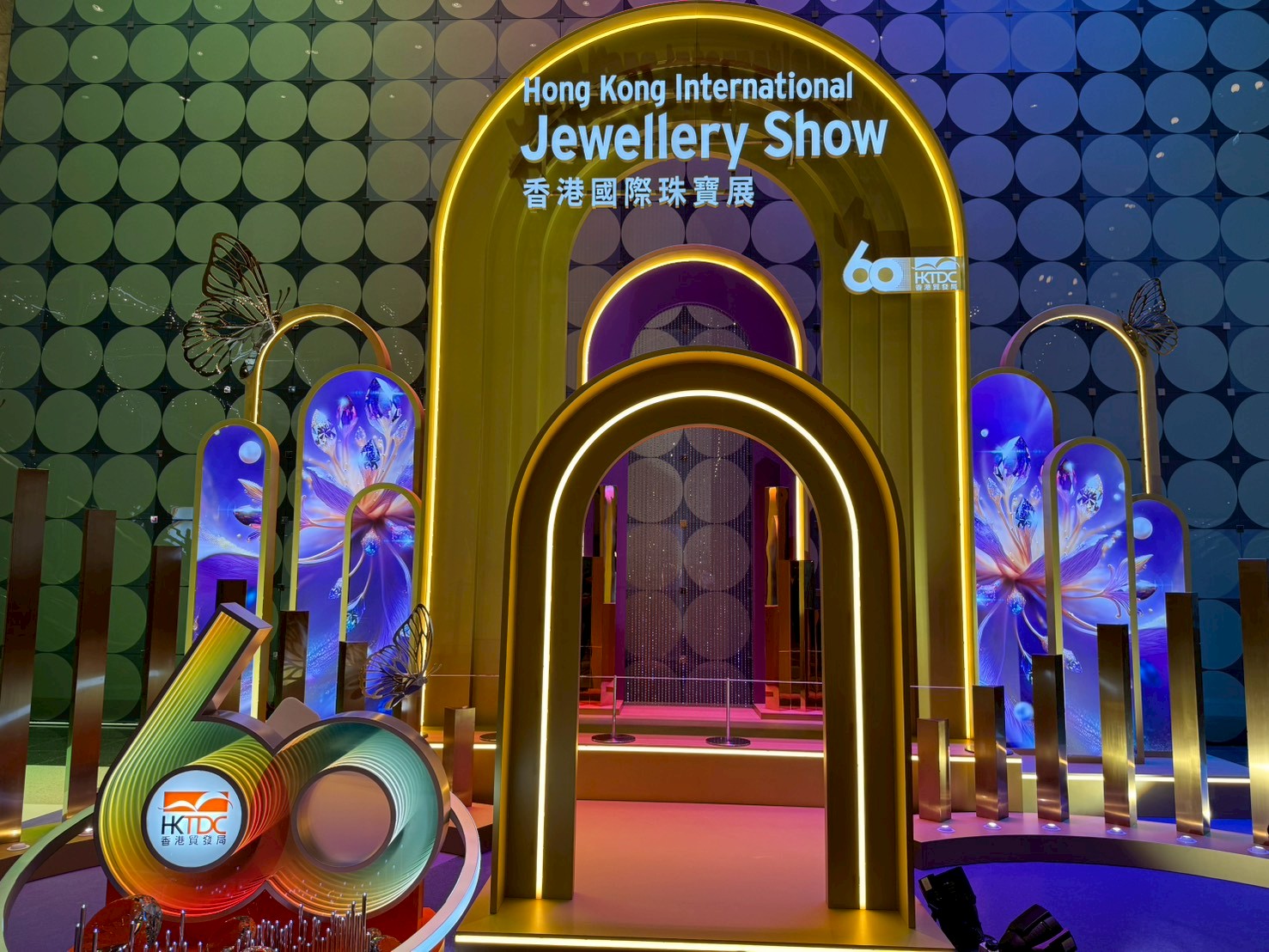
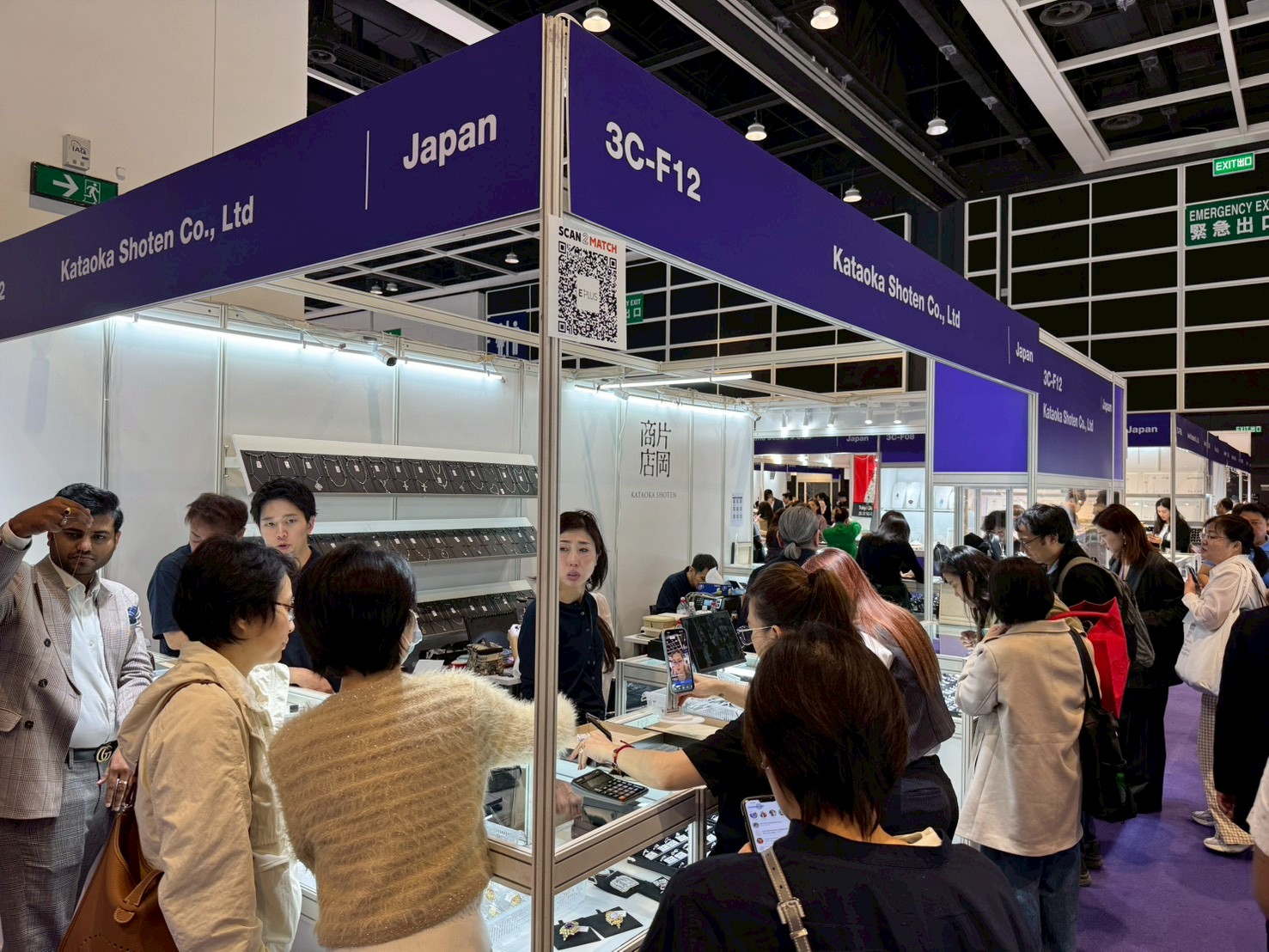
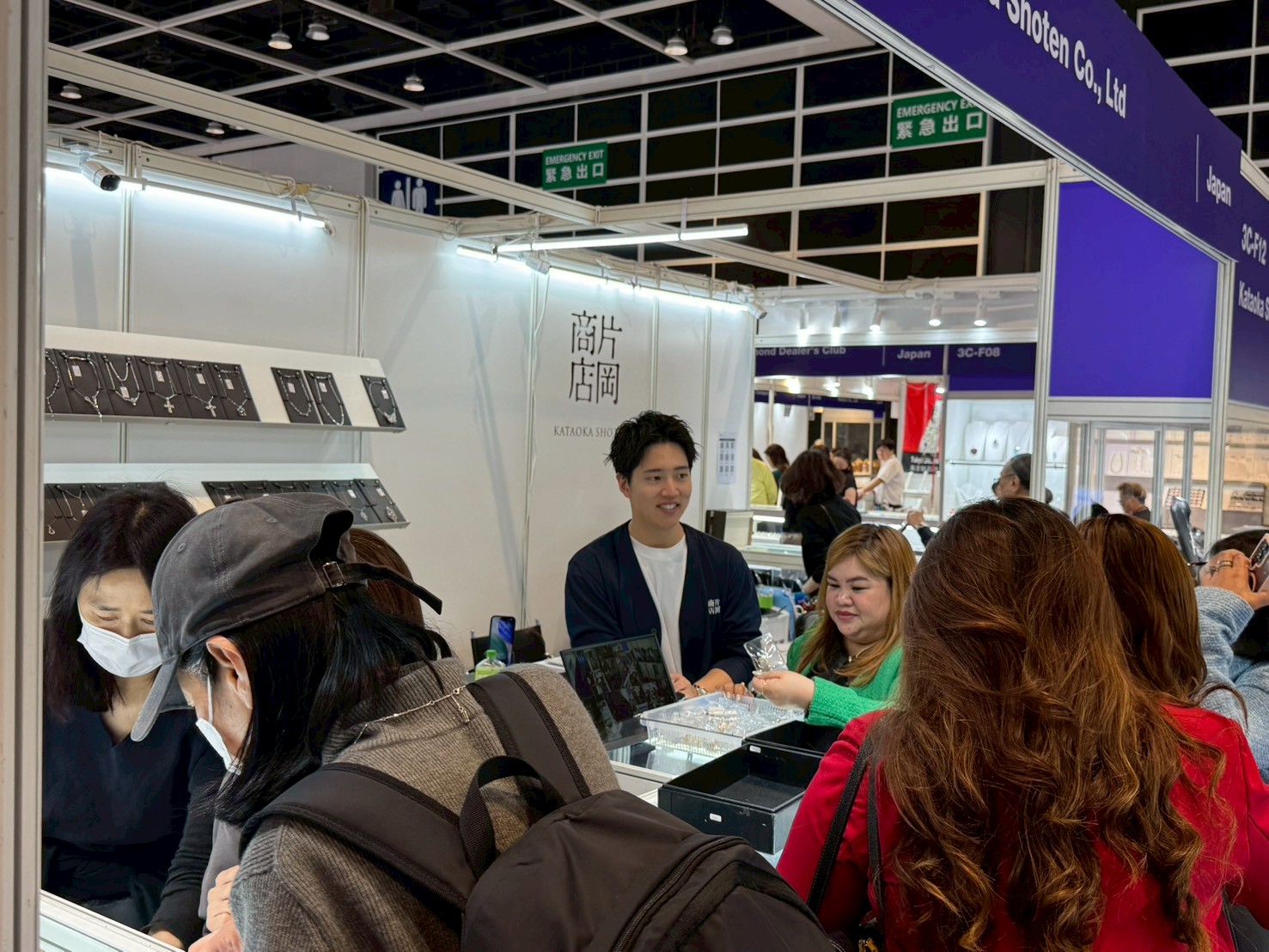
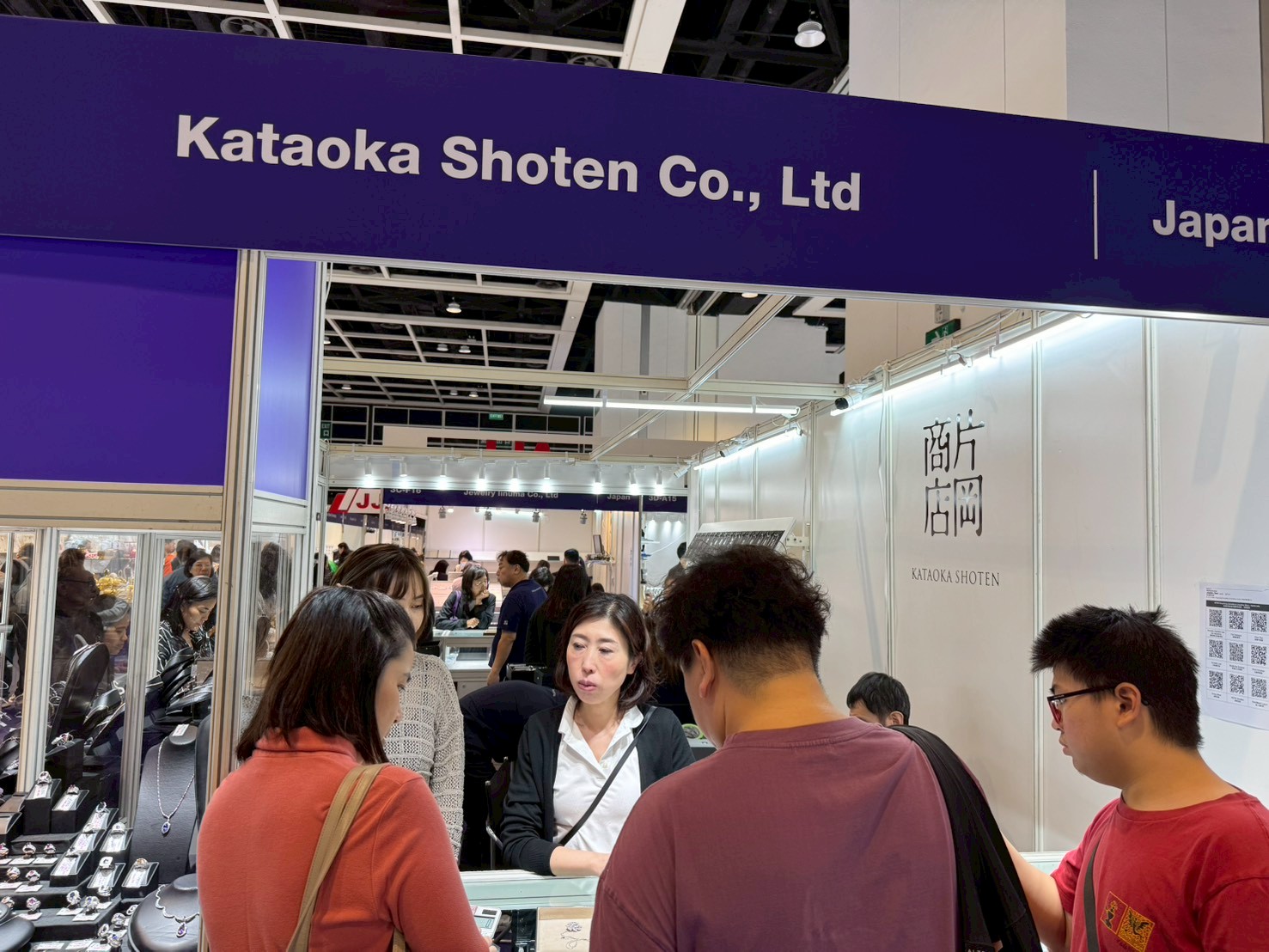
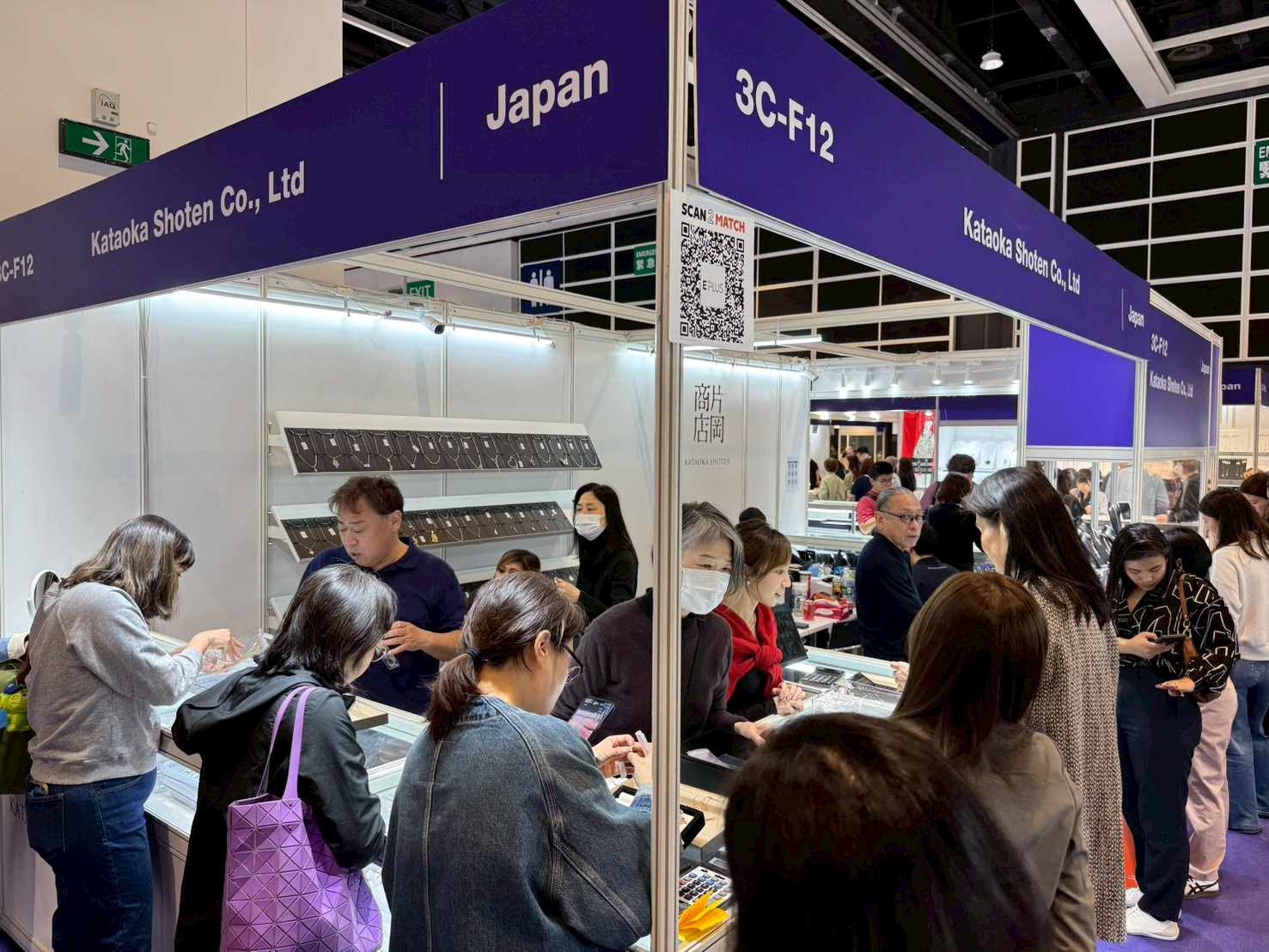
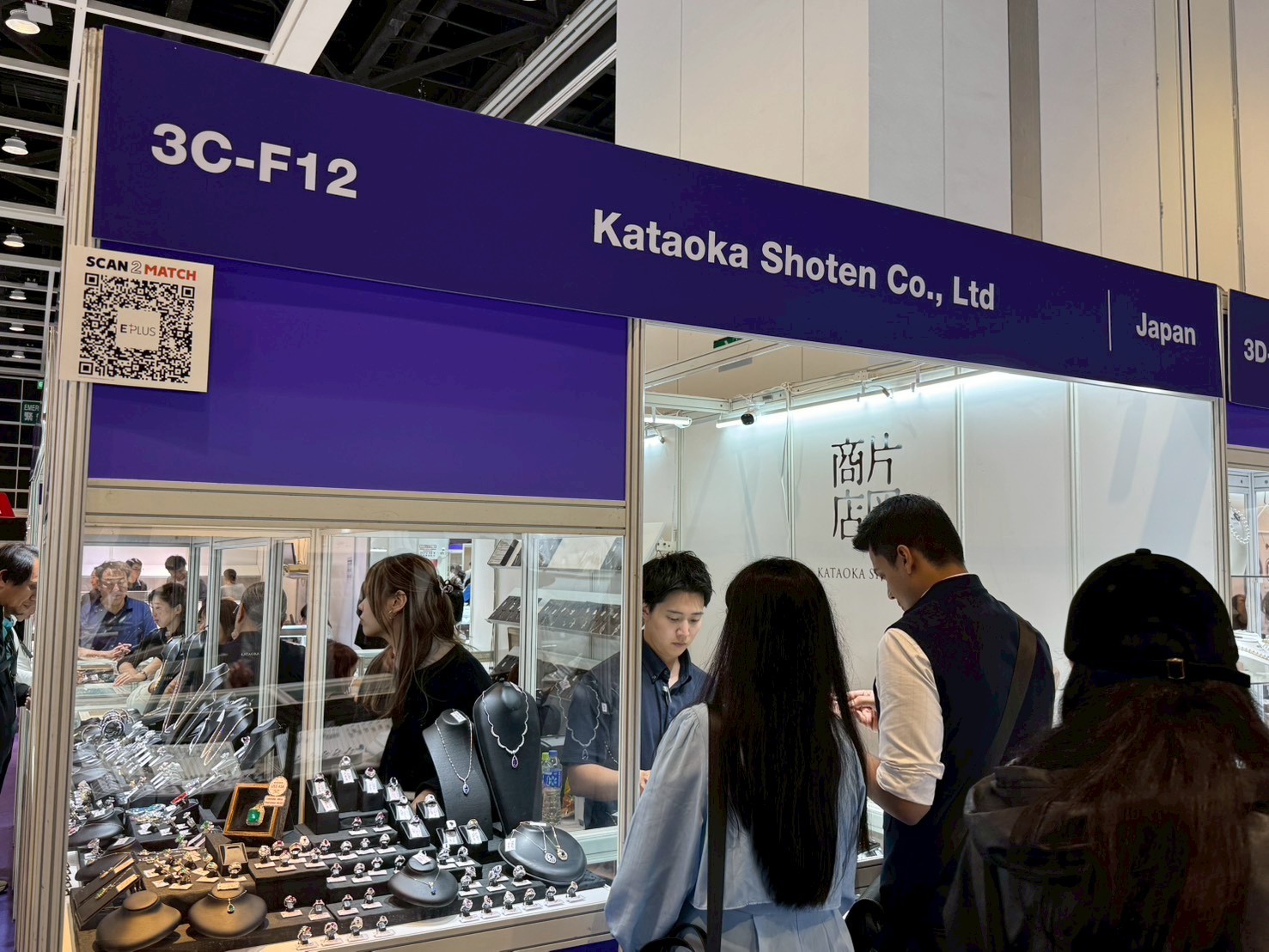
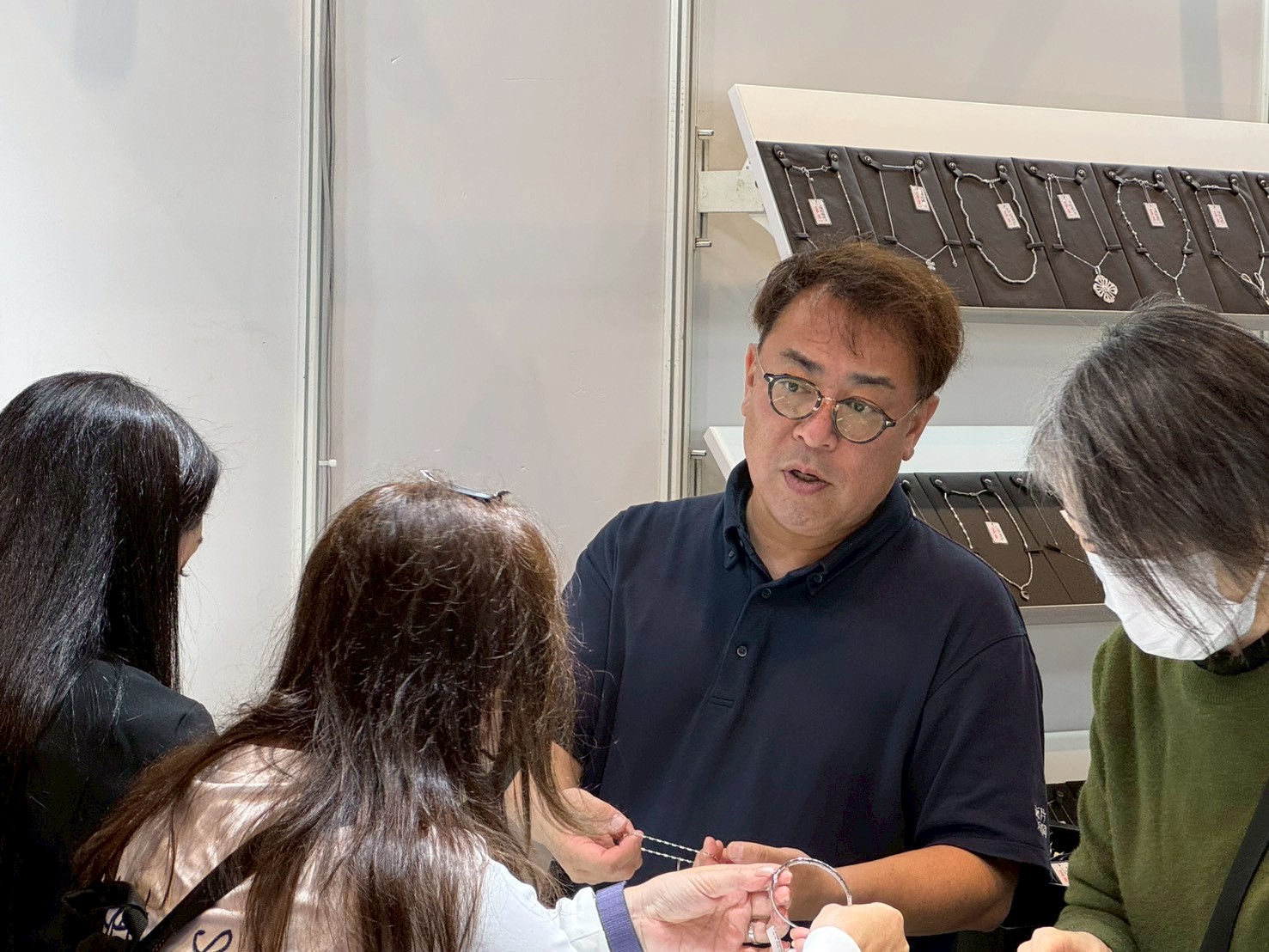
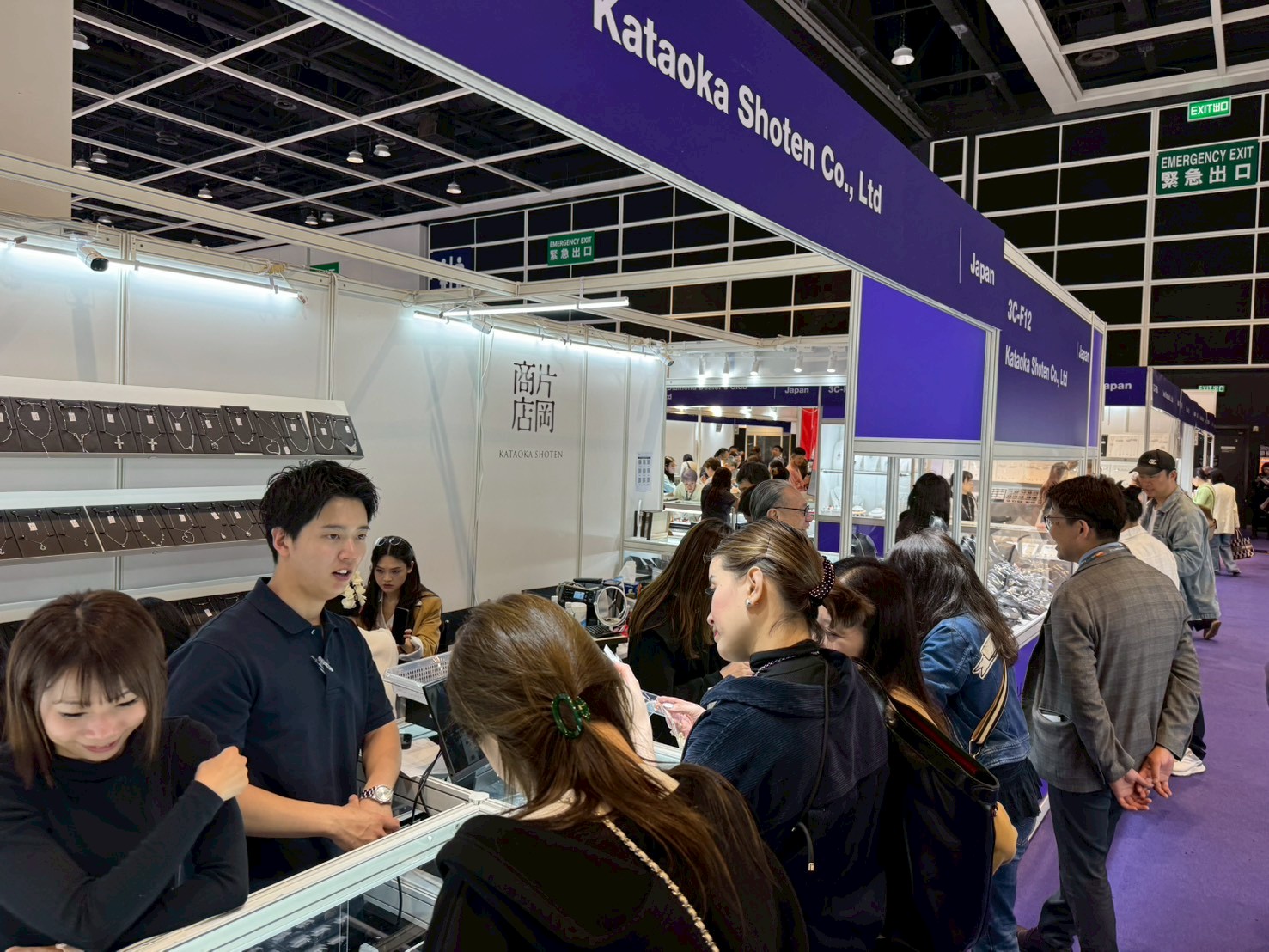
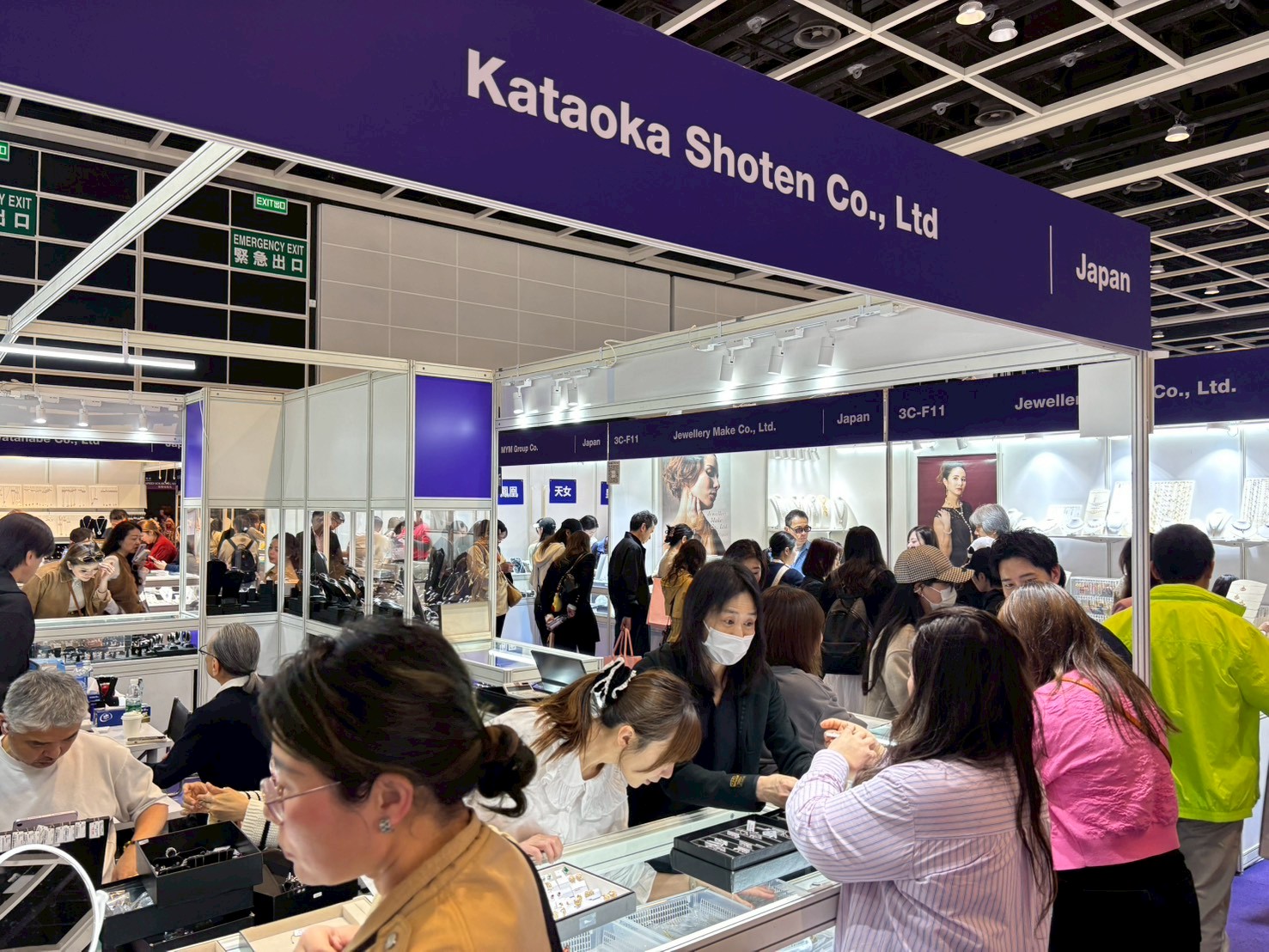
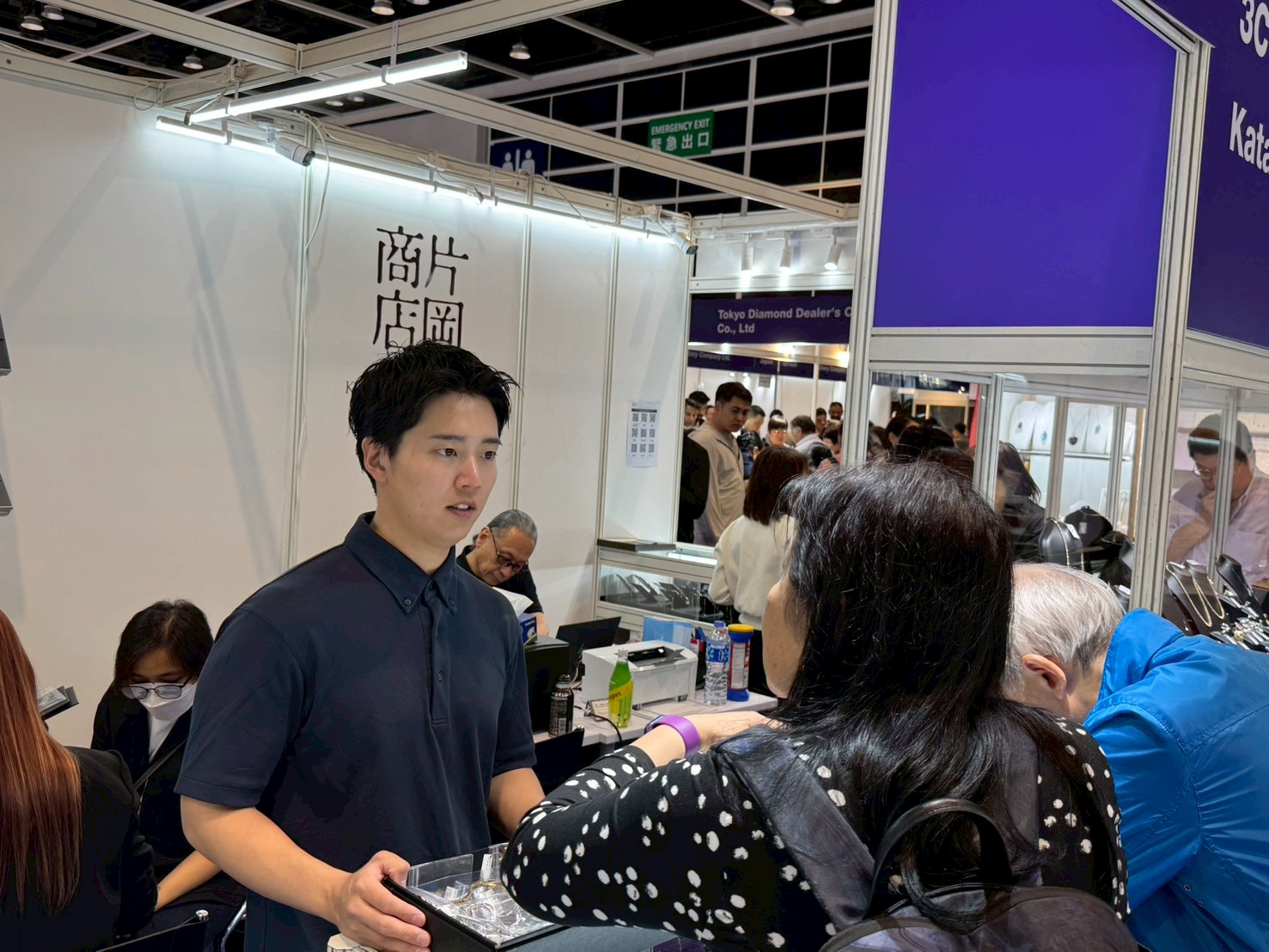
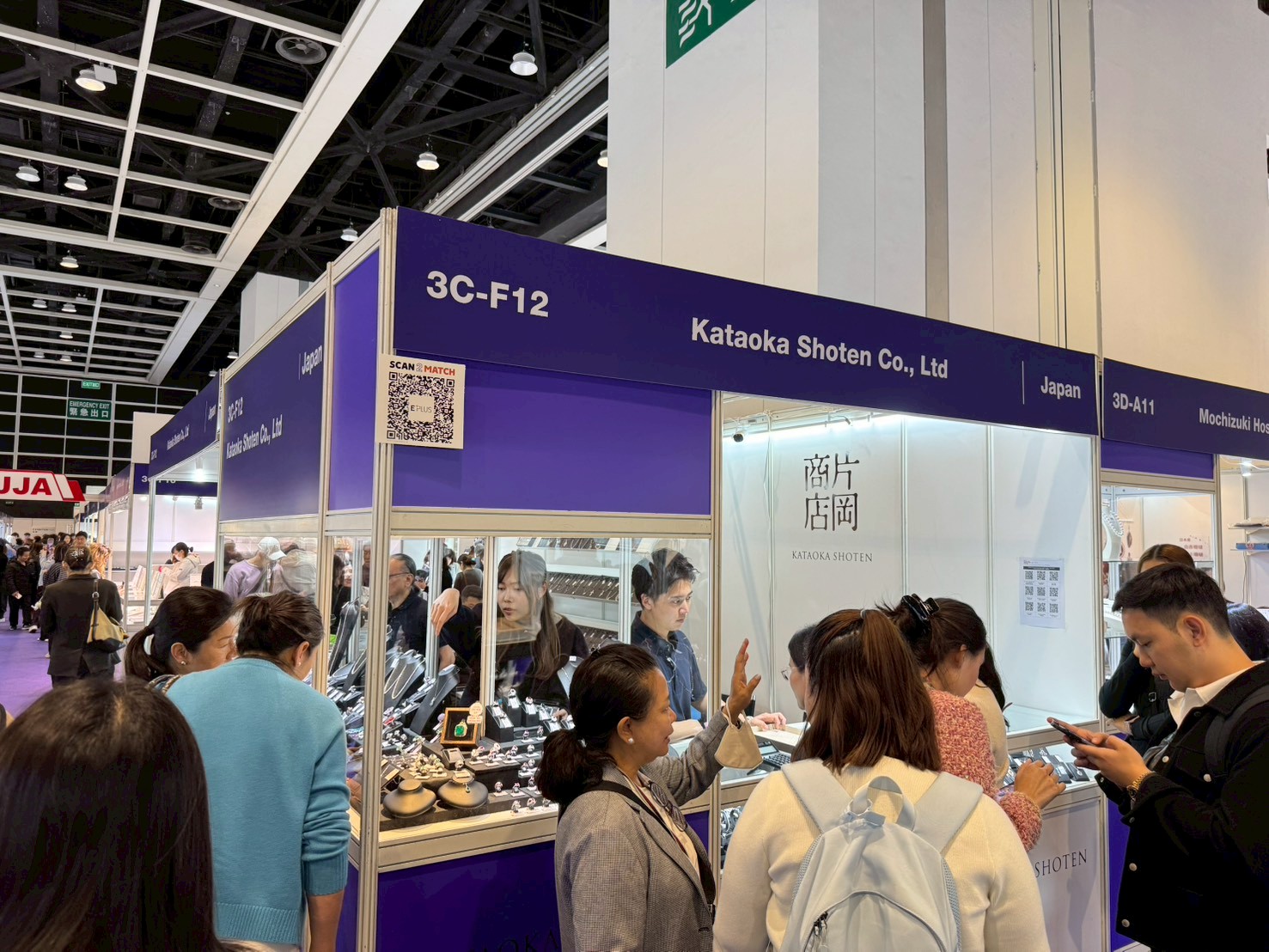
We exhibited at the Hong Kong International Jewellery Show 2026, held at Hong Kong Convention & Exhibition Centre for 5 days from March 4 to 8, 2026.
In February 2026, the Liberal Democratic Party won a landslide victory in the House of Representatives election, establishing a strong political base and marking a major turning point in Japanese politics. While a swifter policy‑making process and stable governance are expected to stimulate economic activity, concerns remain regarding fiscal discipline, monetary policy, and foreign exchange. How the market responds to these factors is likely to influence the gold bullion market and the jewelry industry.
Today, Japan is once again attracting attention as an appealing investment destination, thanks to its advanced technological capabilities, transparent legal framework, and mature capital markets. However, the enormous level of government debt and the rapid increase in social security costs driven by an aging population pose medium‑ to long‑term fiscal risks. While tax cuts and fiscal stimulus by the administration may boost stock prices and consumer spending in the short term, they also carry the potential to trigger imported inflation through rising government bond yields and downward pressure on the yen.
This political and financial environment is likely to have an impact on the gold bullion market. Internationally, gold prices are determined by factors such as the dollar exchange rate, real interest rates, geopolitical risks, and central bank demand, but in Japan, the influence of exchange rates is an extremely large factor, affecting our industry as well. When the yen is weak, even if the international gold price remains flat, the yen-denominated gold price rises, resulting in inventory valuation gains. Conversely, when the yen is strong, businesses with large bullion holdings are more likely to suffer valuation losses. This means that gold is no longer just a commodity, but is increasingly becoming an asset that can serve as a currency substitute.
The demand structure of the jewelry industry is becoming increasingly polarized. Amid rising stock prices and a stronger wealth effect, demand for high-end items and investment-oriented gold bullion has increased. In contrast, higher living costs, inflation, and rising production expenses continue to suppress real demand for mid‑priced items. For companies with a high proportion of bullion in their product lineup, inventory valuation and turnover rates are becoming more critical than ever. With bullion prices exhibiting far greater volatility than in the past, traditional management methods are no longer sufficient.
While current bullion prices have the potential to generate short‑term unrealized gains amid market volatility, mistimed sales can forfeit those gains and even lead to unrealized losses if the exchange rate moves in the opposite direction. In addition to market forecasts, it may become difficult to navigate the future environment without measures that respond to market fluctuations, such as price‑revision rules, two‑tier inventory management, and the introduction of bullion‑linked provisions. The jewelry industry has changed dramatically over the years.
A further concern for the jewelry industry is the deceleration of the Chinese economy. The prolonged slump in Chinese corporate performance has spread beyond real estate to sectors such as furniture, supermarkets, travel, and other consumer‑related industries, with one in four listed companies now reporting losses. For many years, China has been one of the world’s largest consumer jewelry markets and a key driver of global jewelry demand. However, Chinese jewelry sales are showing signs of sluggishness, and this trend is not confined to China; it is also reshaping the structure of international jewelry demand.
In the short term, the slowdown in jewelry demand in China may restrain the growth of both jewelry and gold demand, easing upward pressure on prices. On the other hand, a complete collapse in demand is unlikely, as a certain level of asset‑defensive purchases of jewelry and gold is expected to continue. The nature of demand for jewelry and gold has begun to change significantly. The situation is also greatly influenced by global political and economic trends, and demand for jewelry and gold for investment and asset preservation purposes is likely to increase in the future.
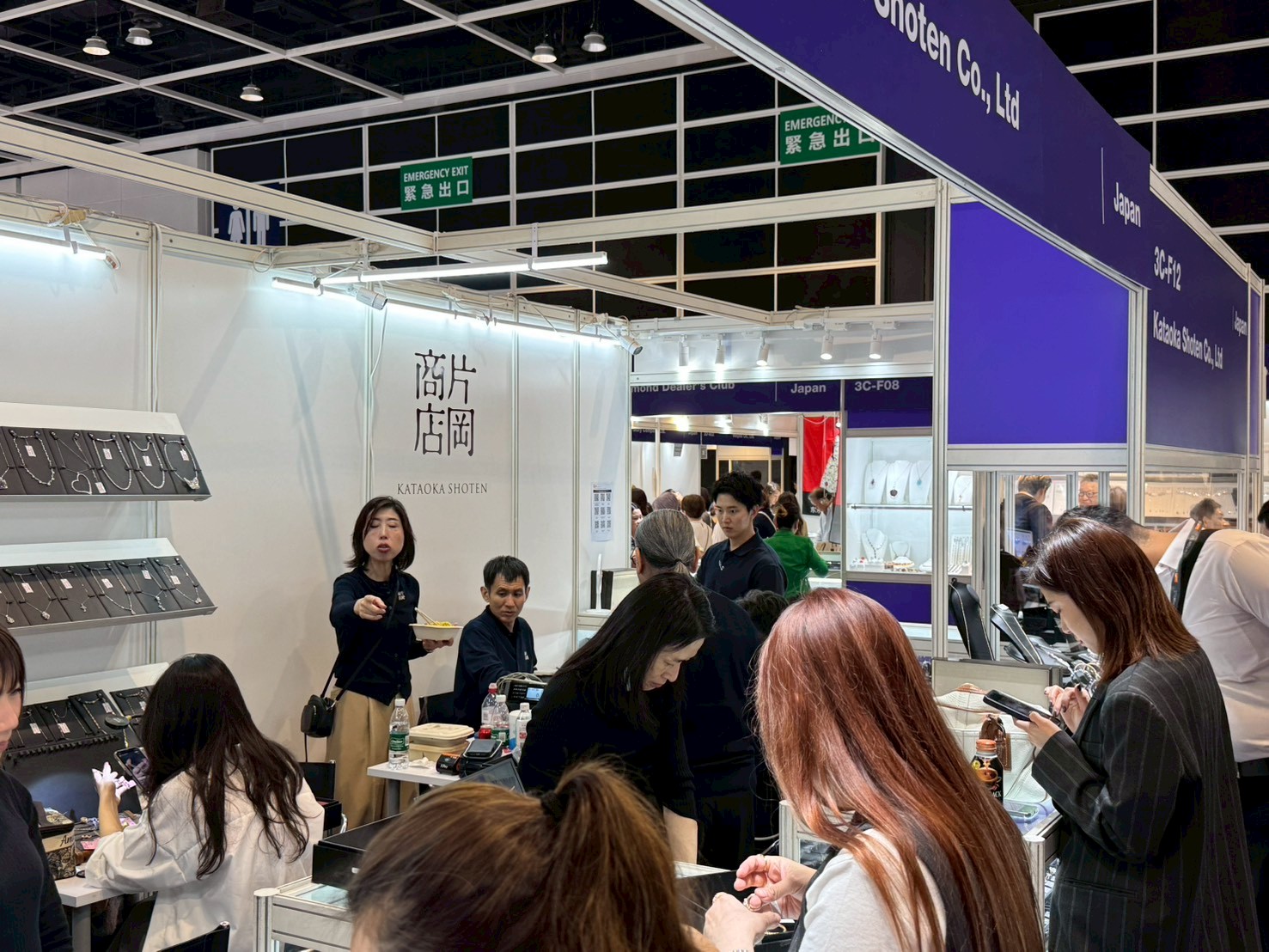
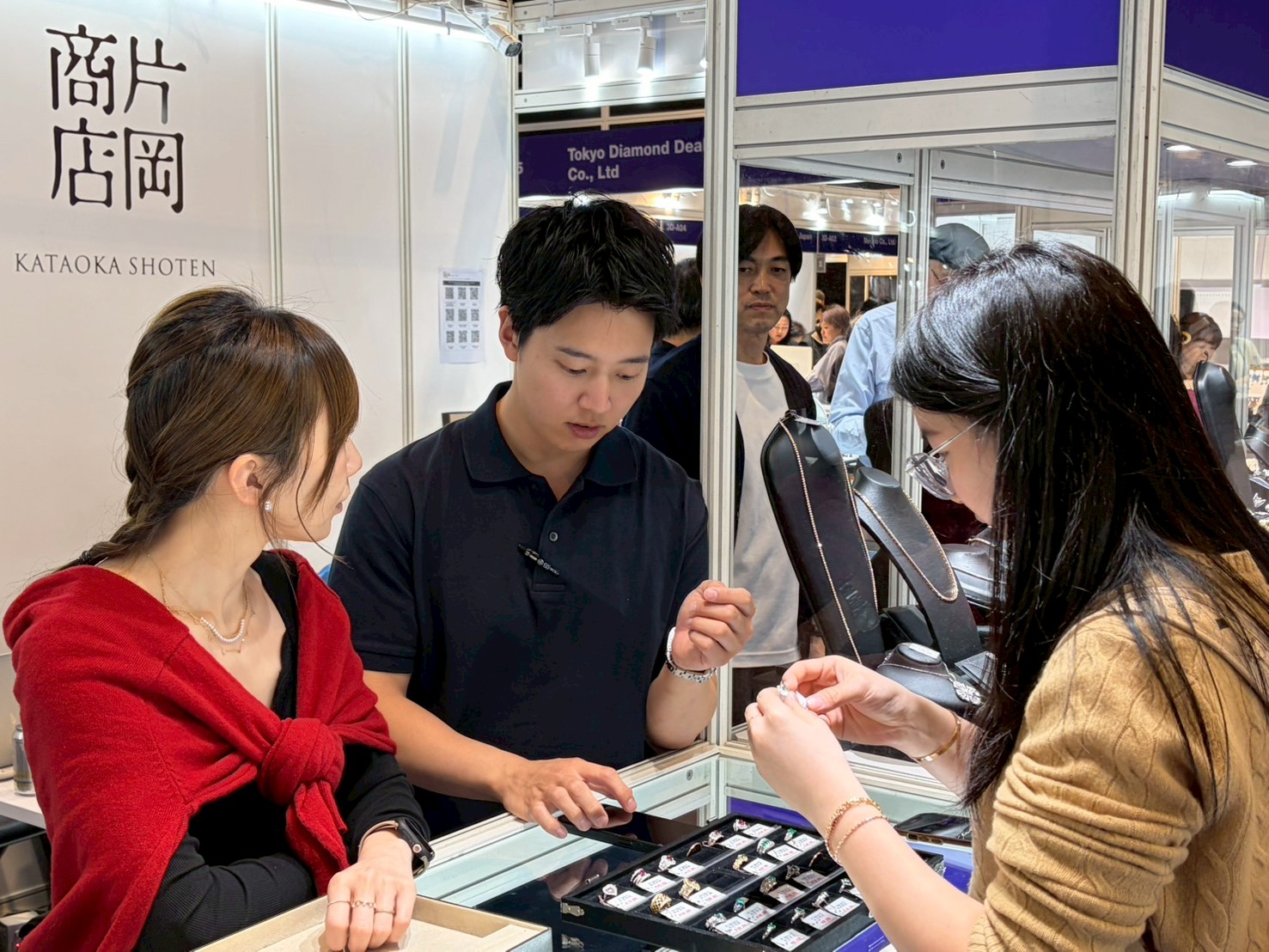
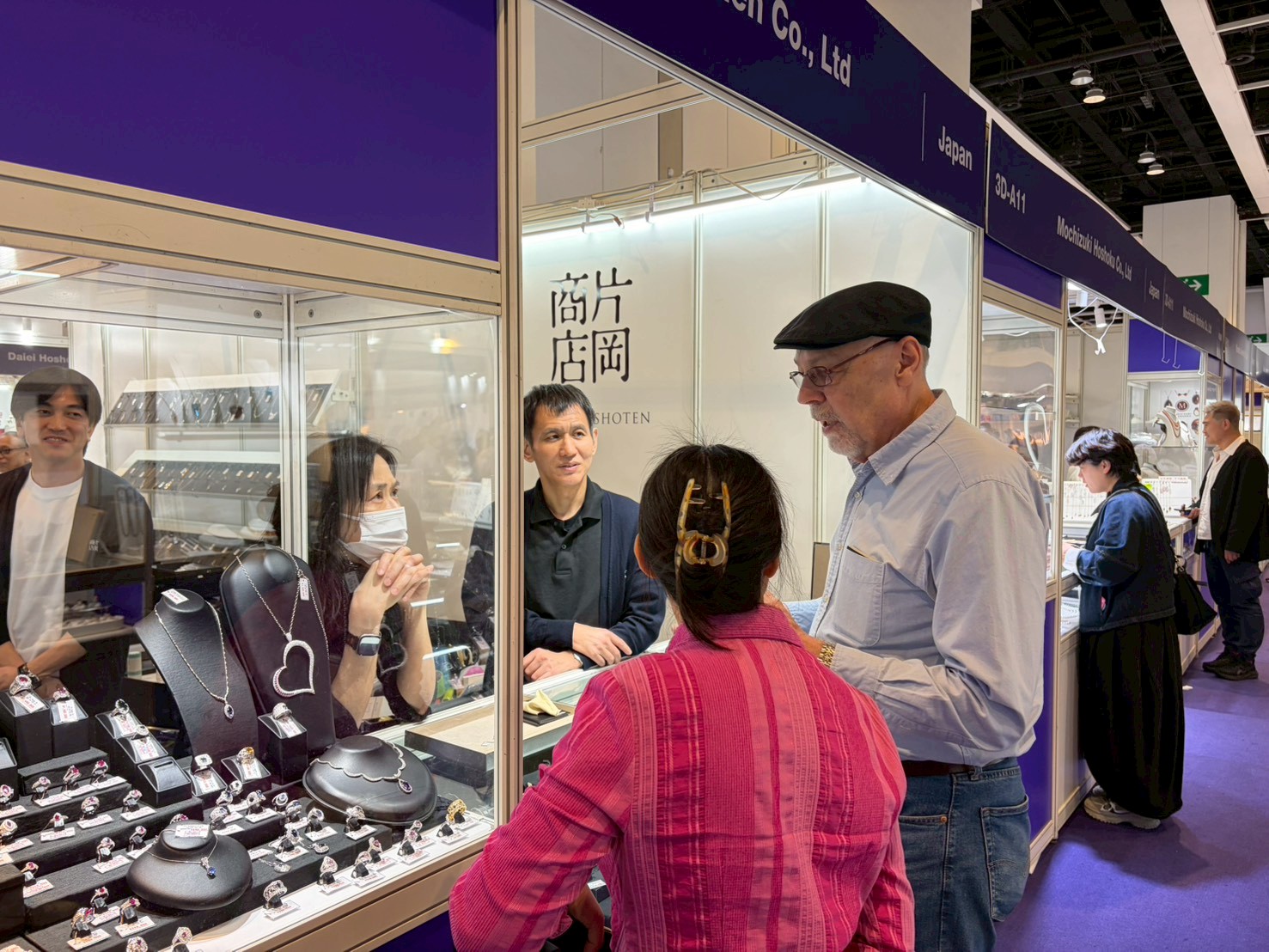
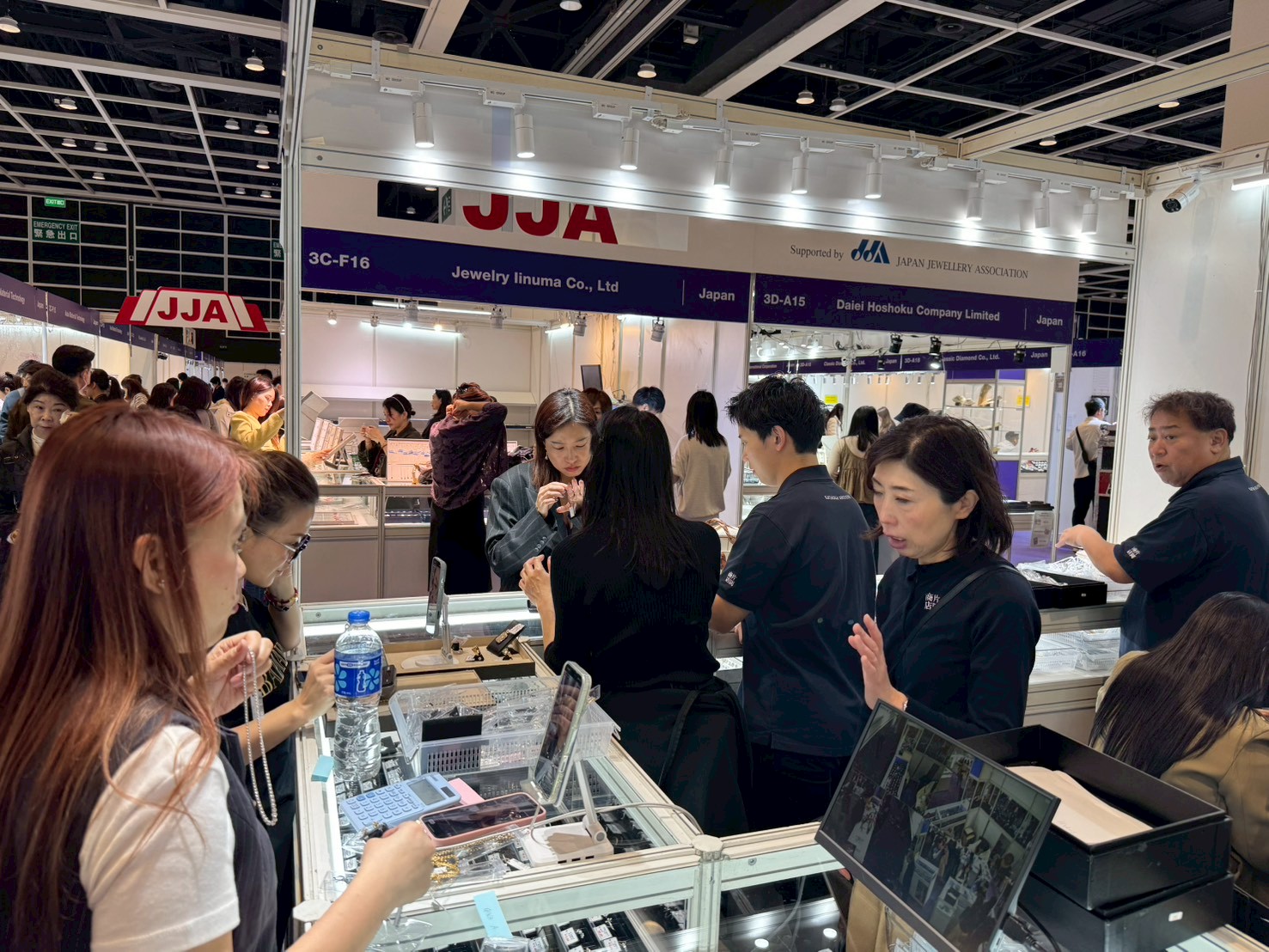
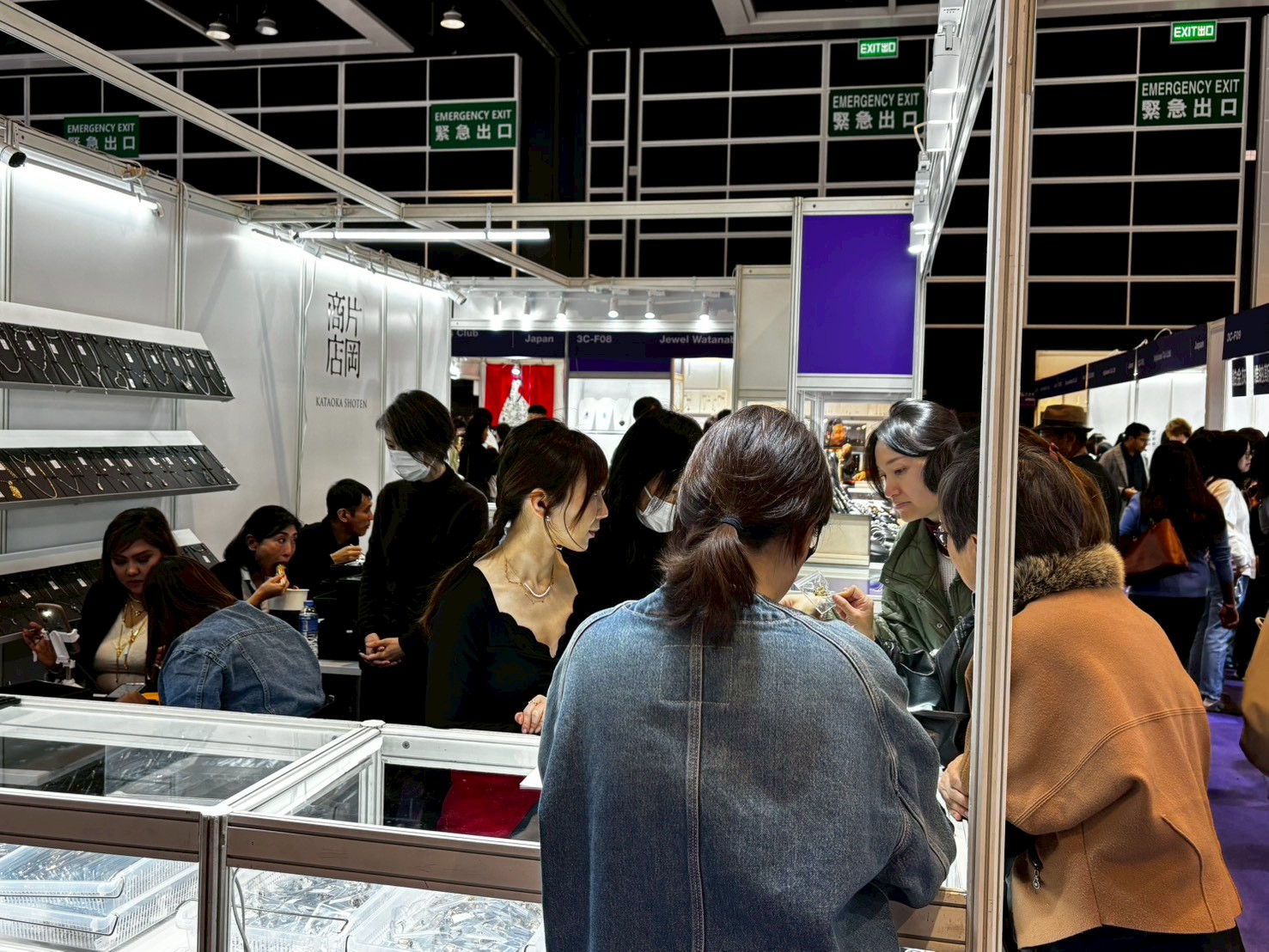
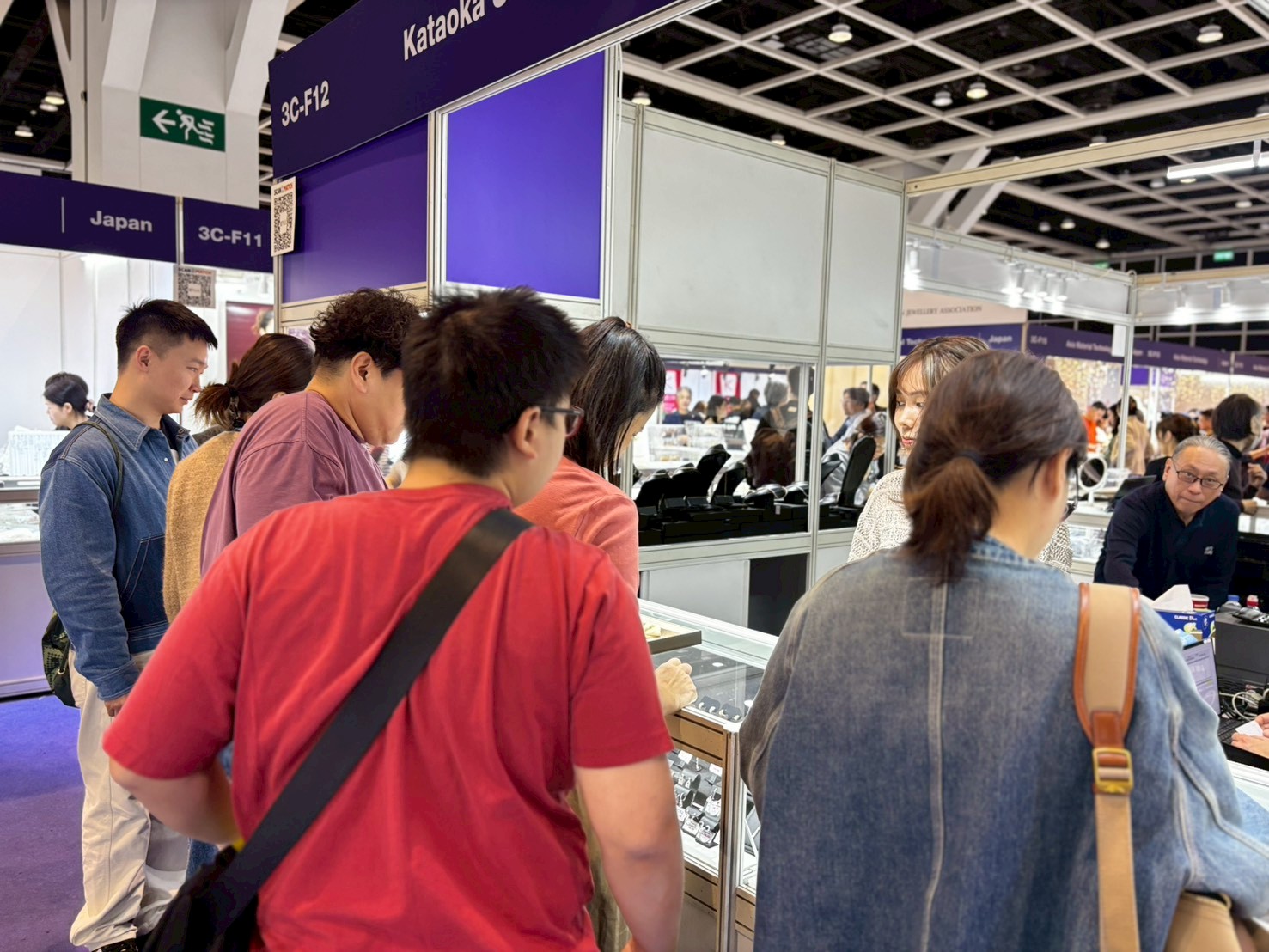
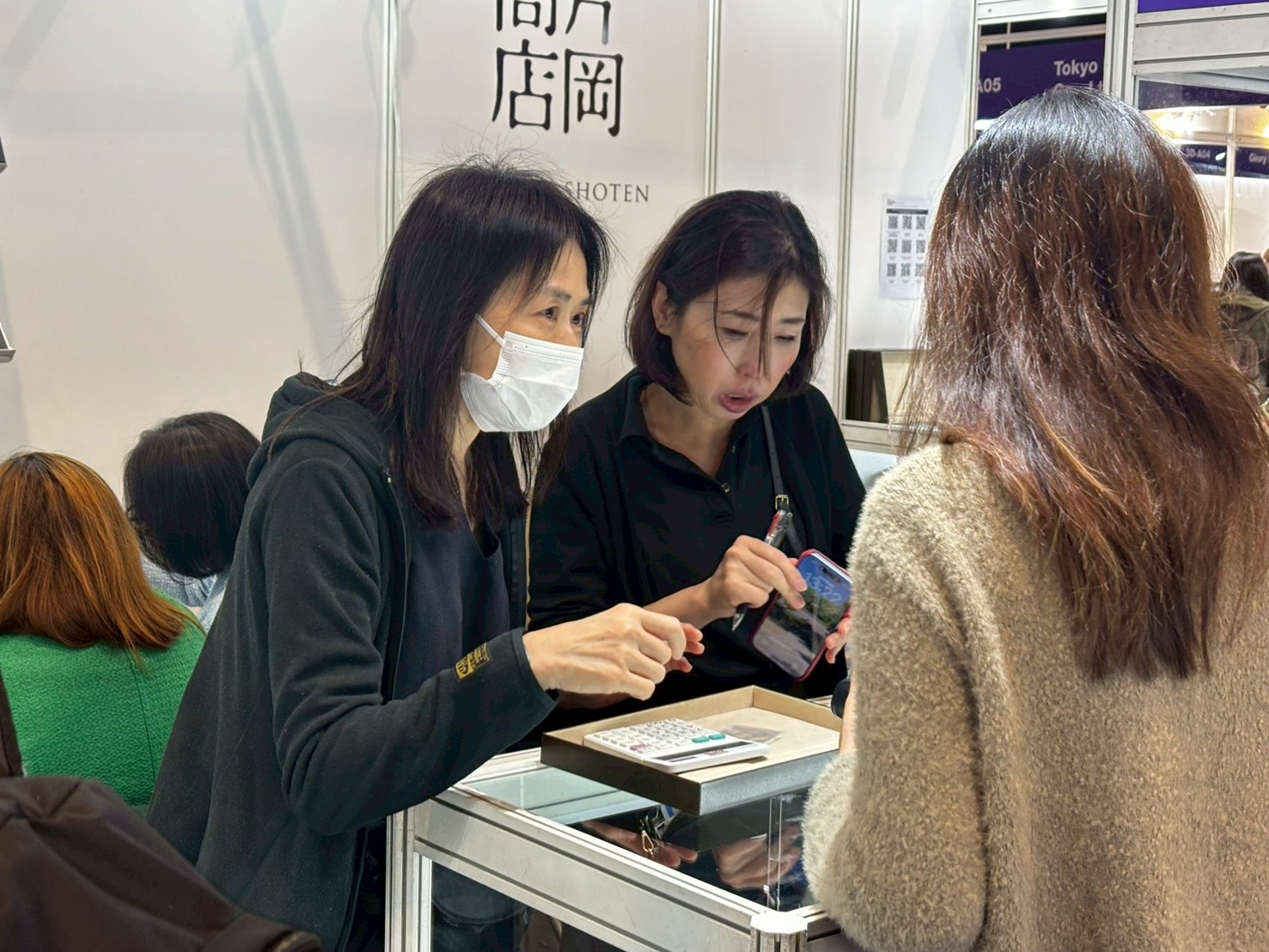
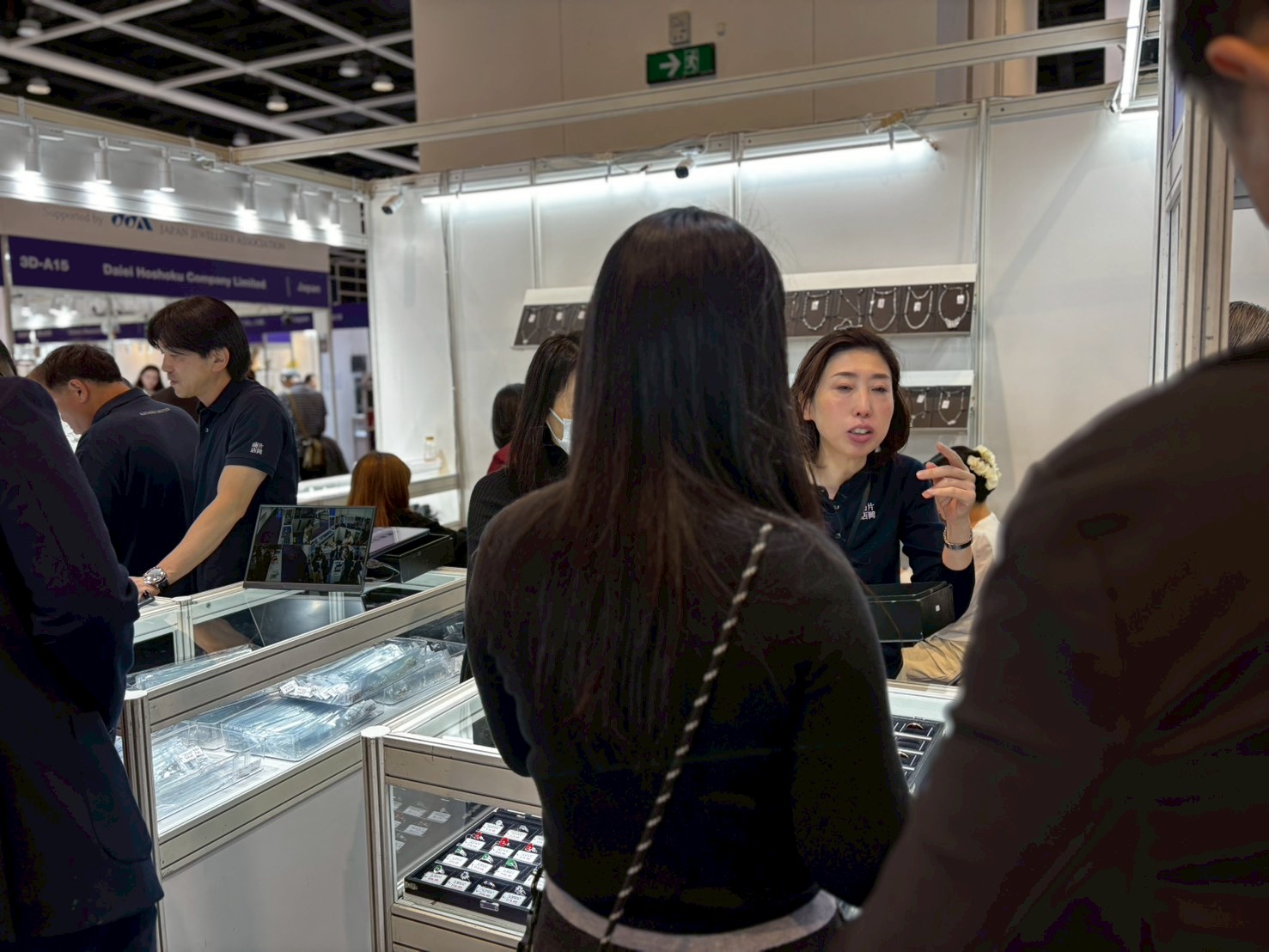
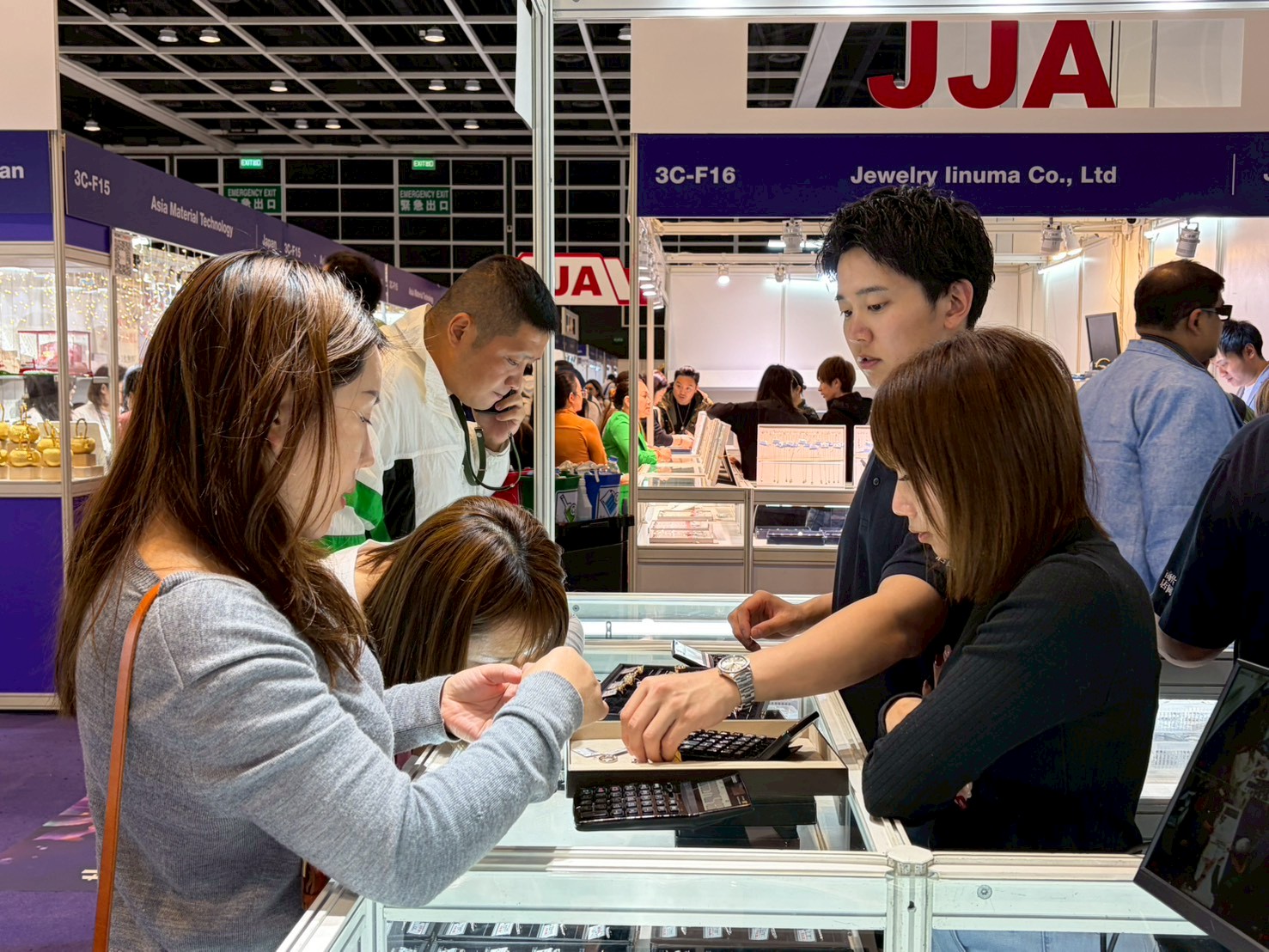
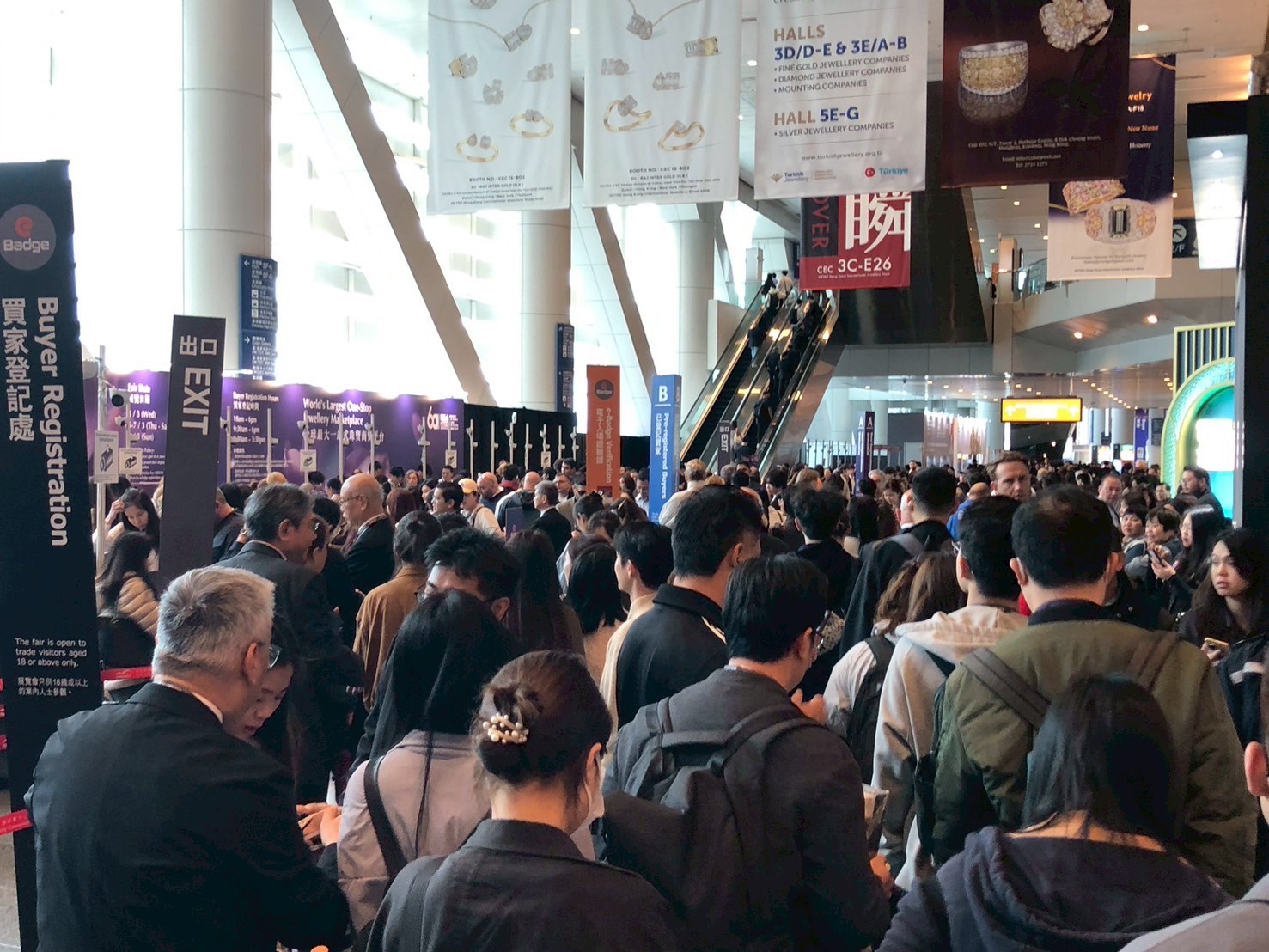
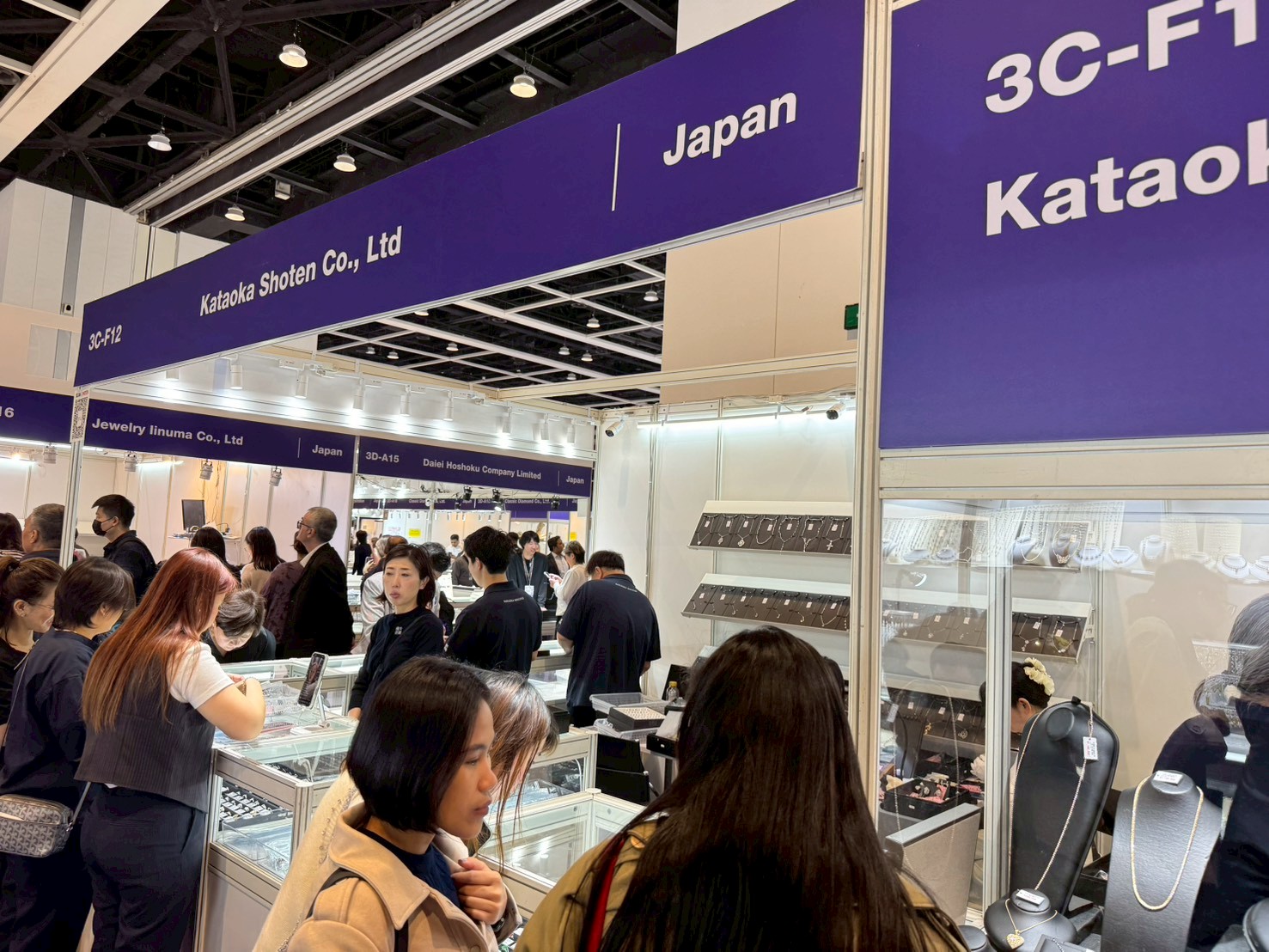
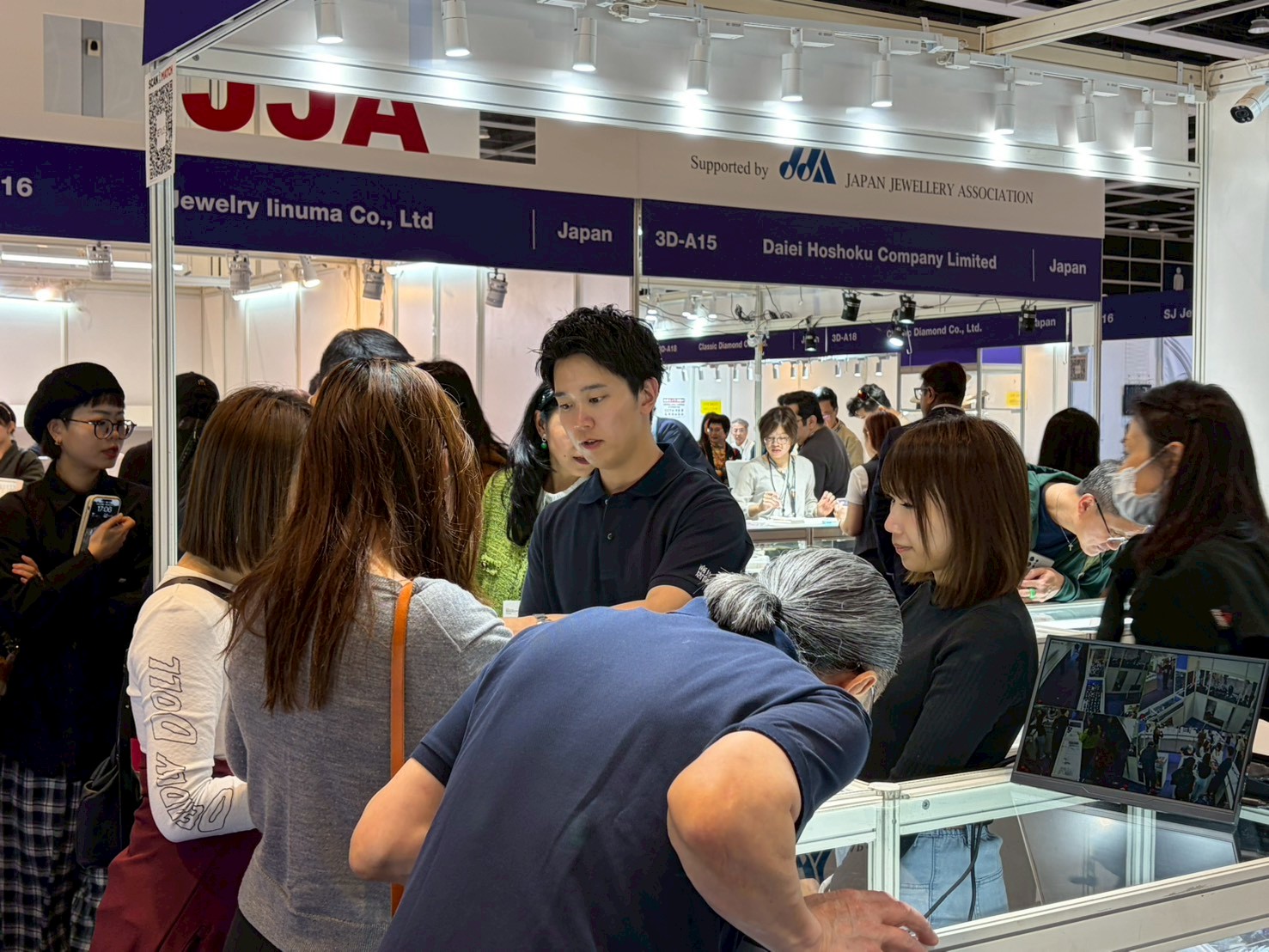
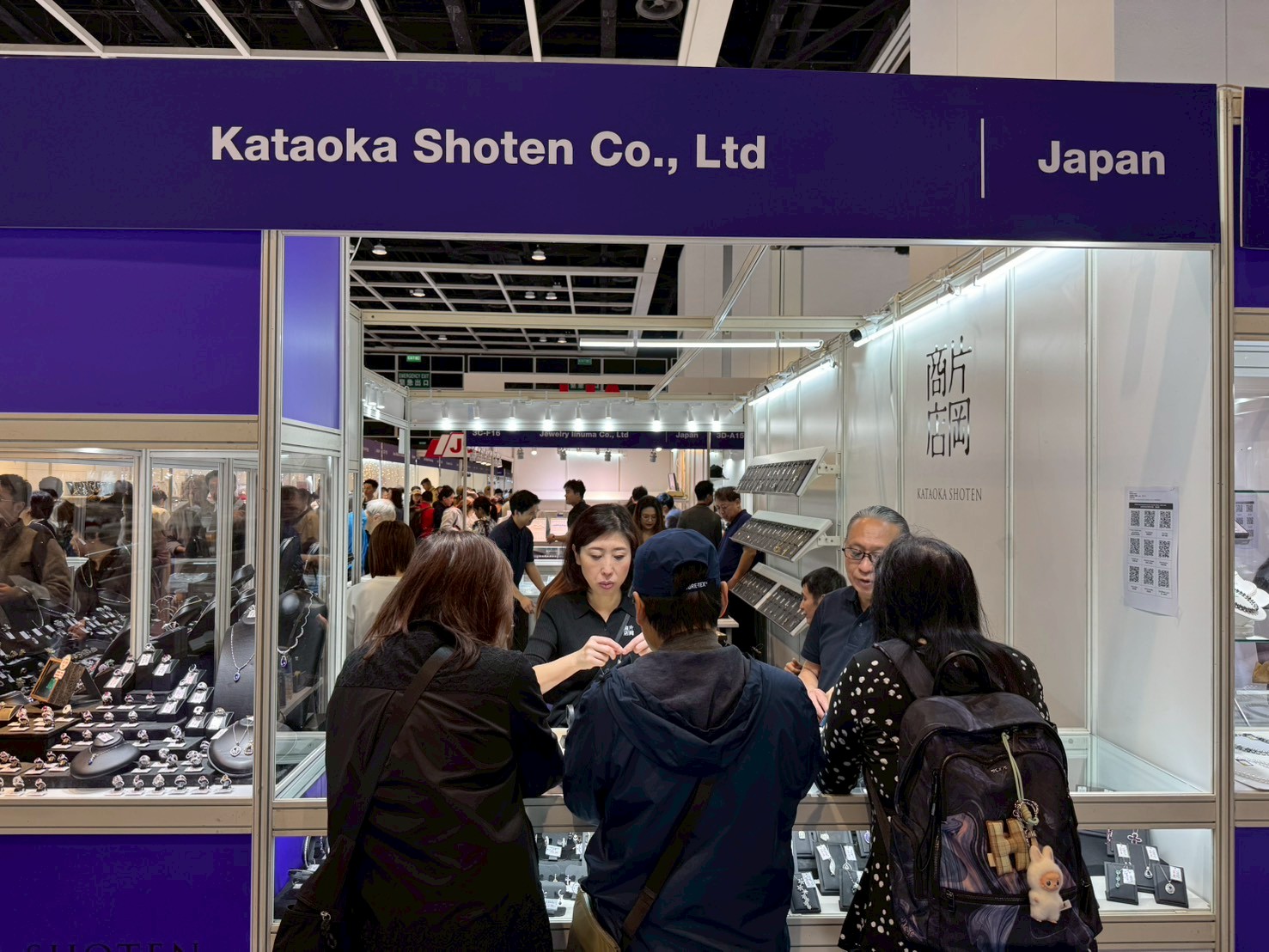
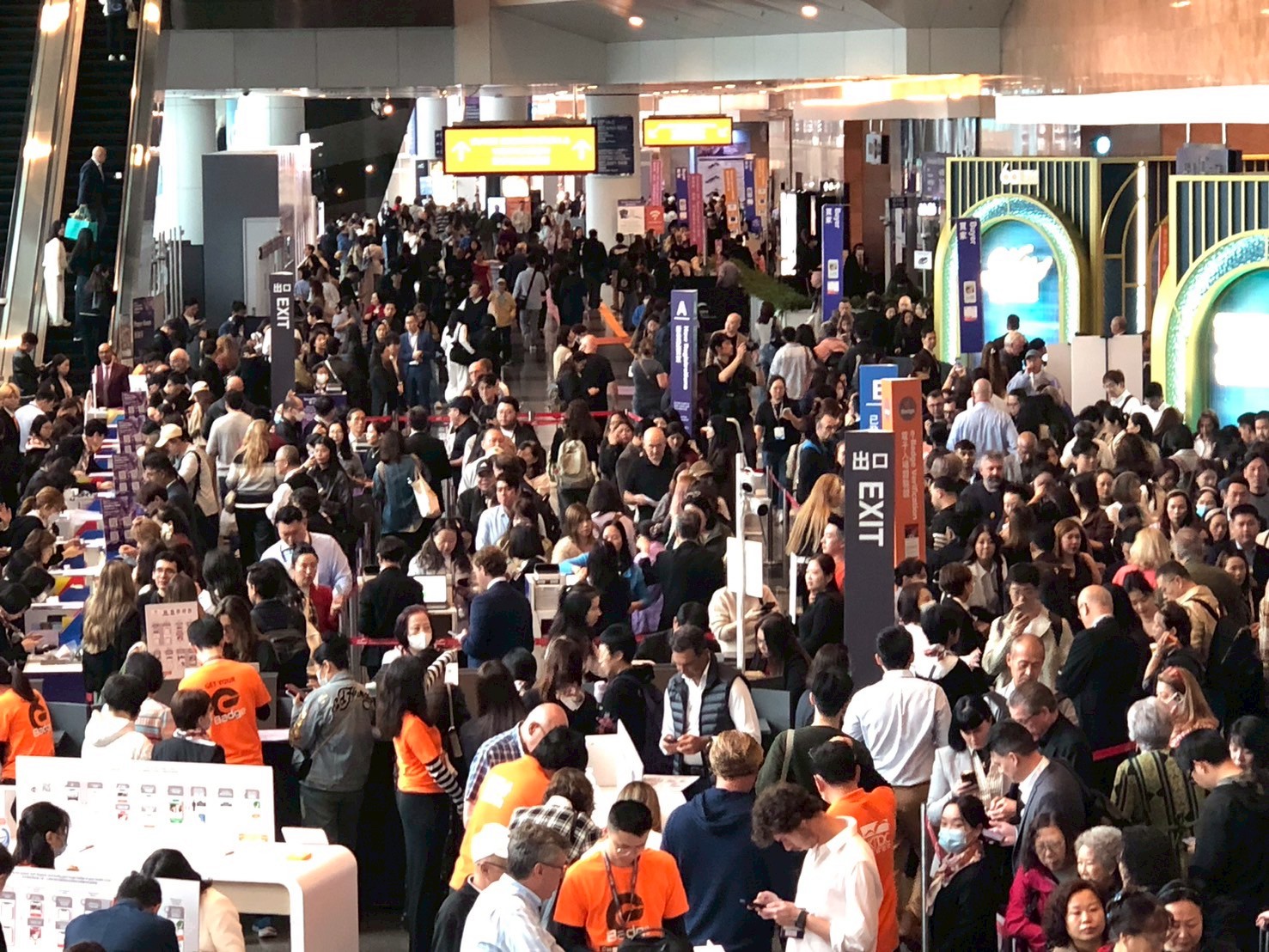
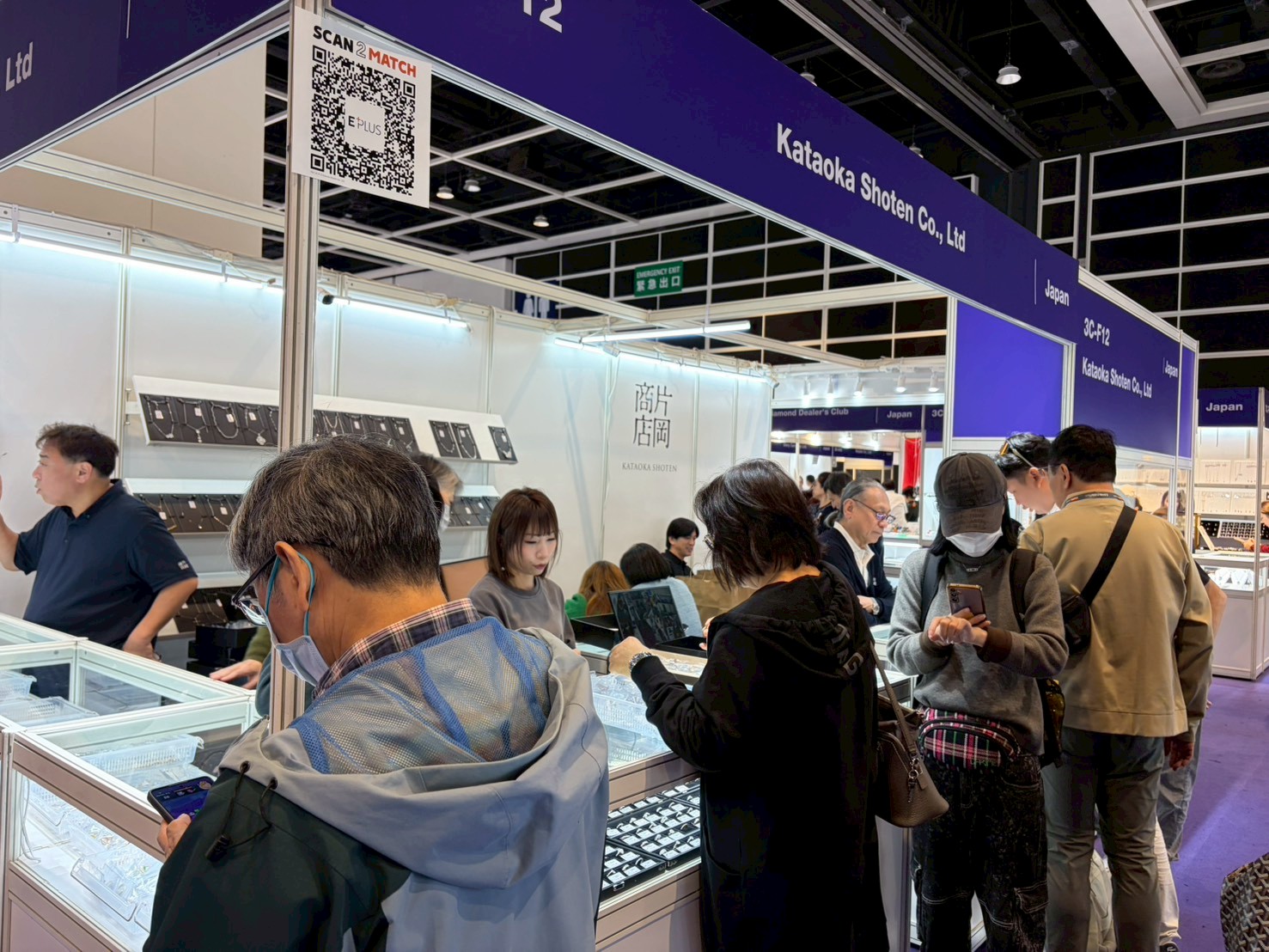
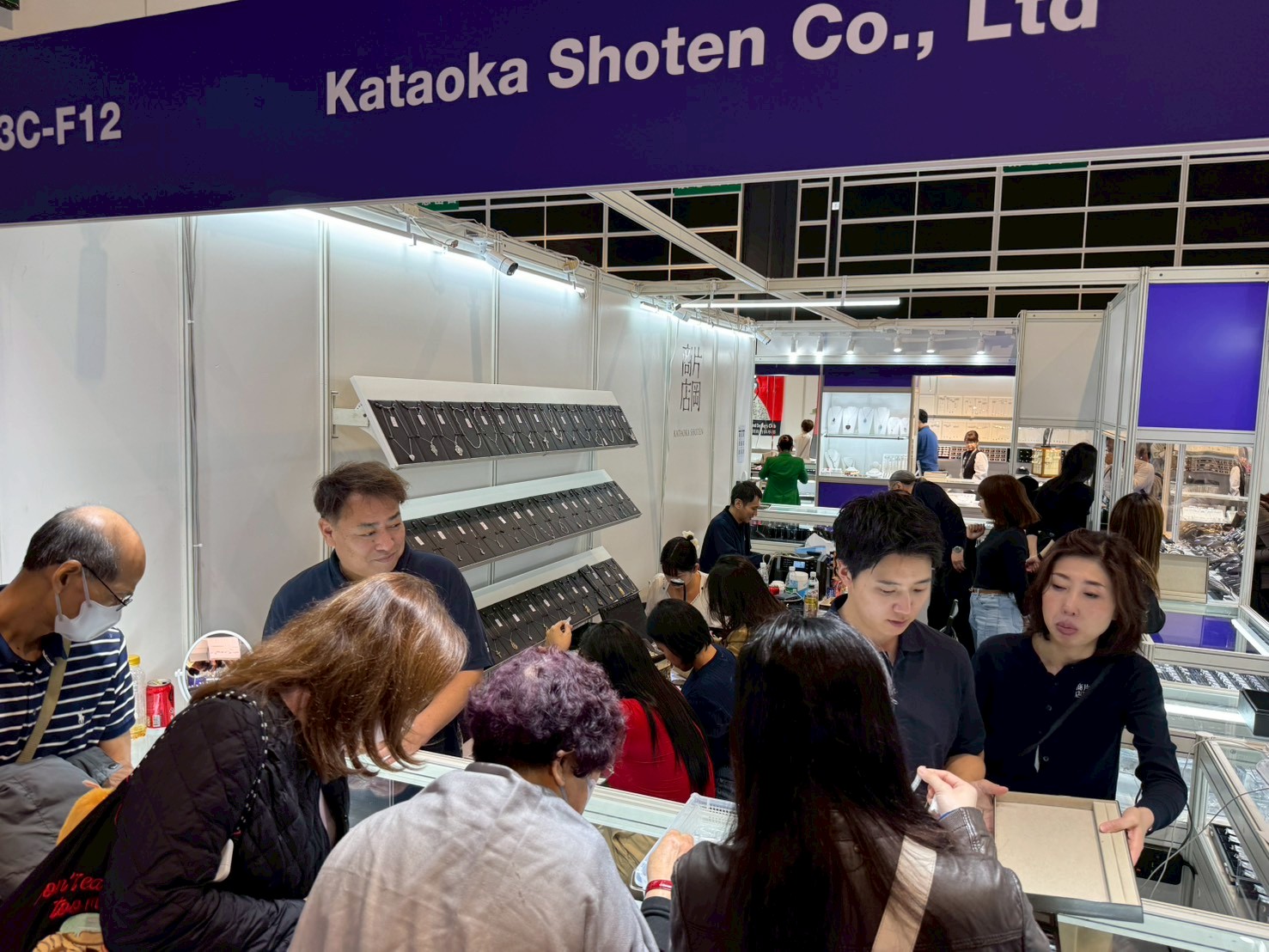
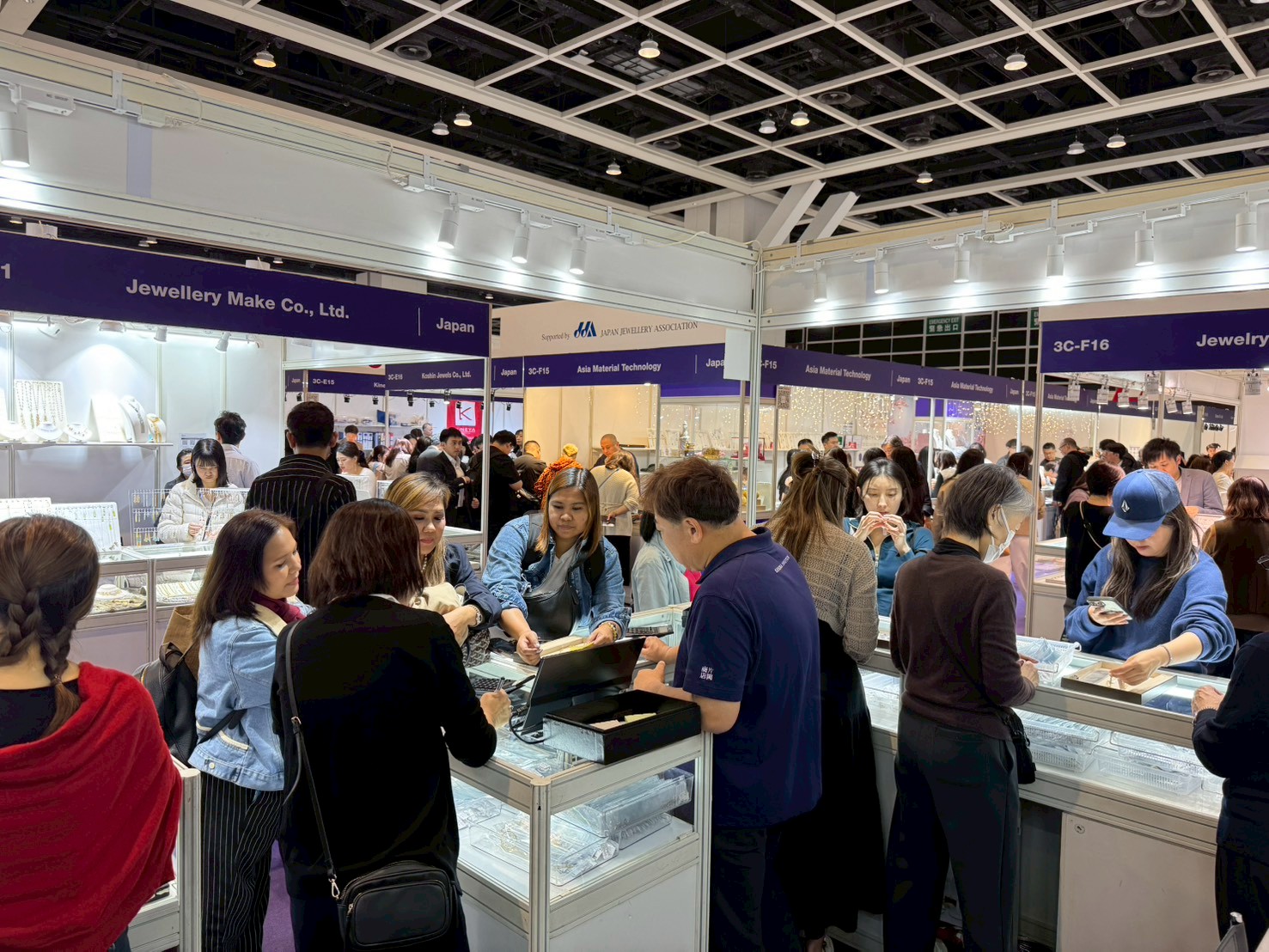
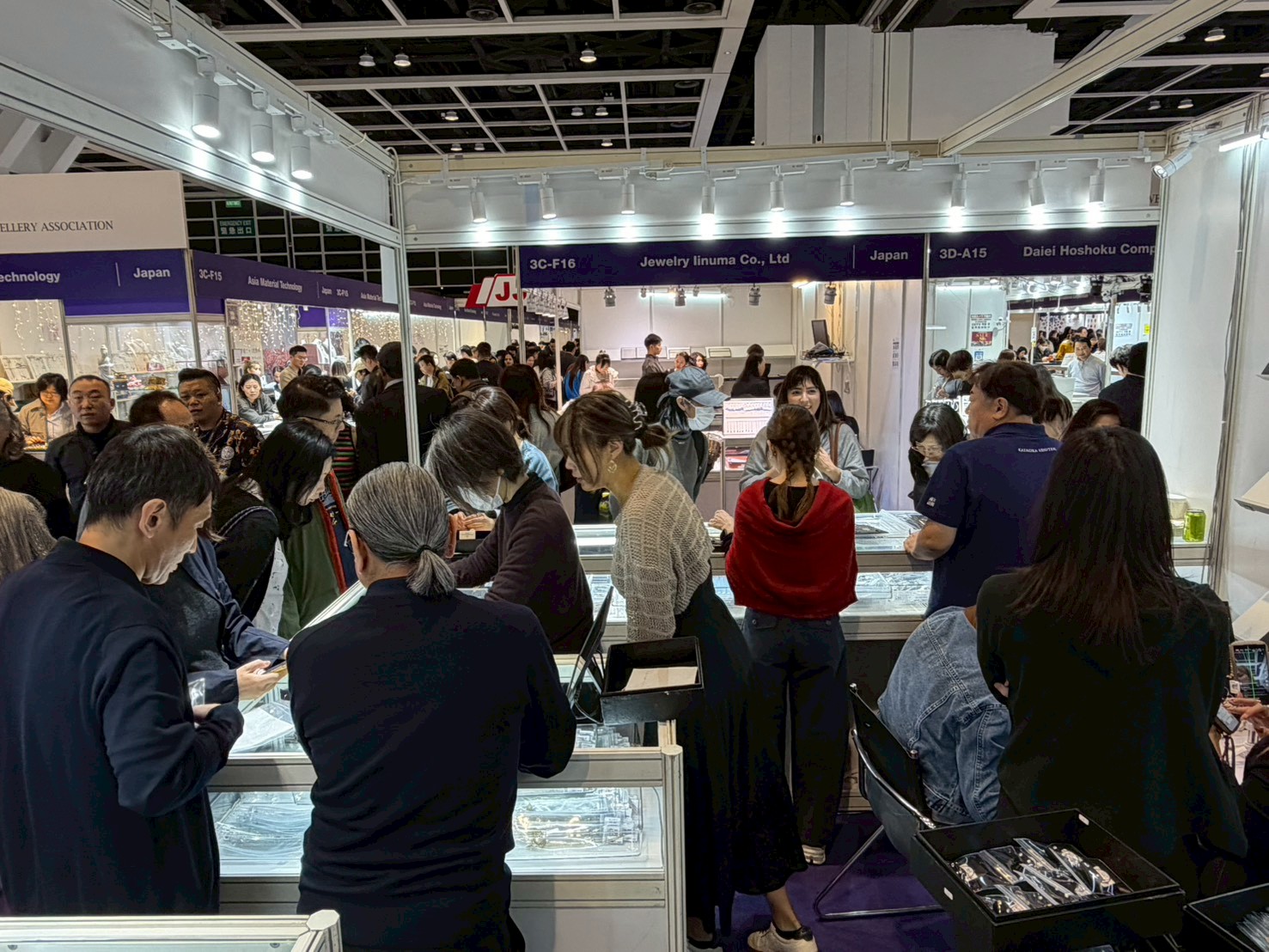
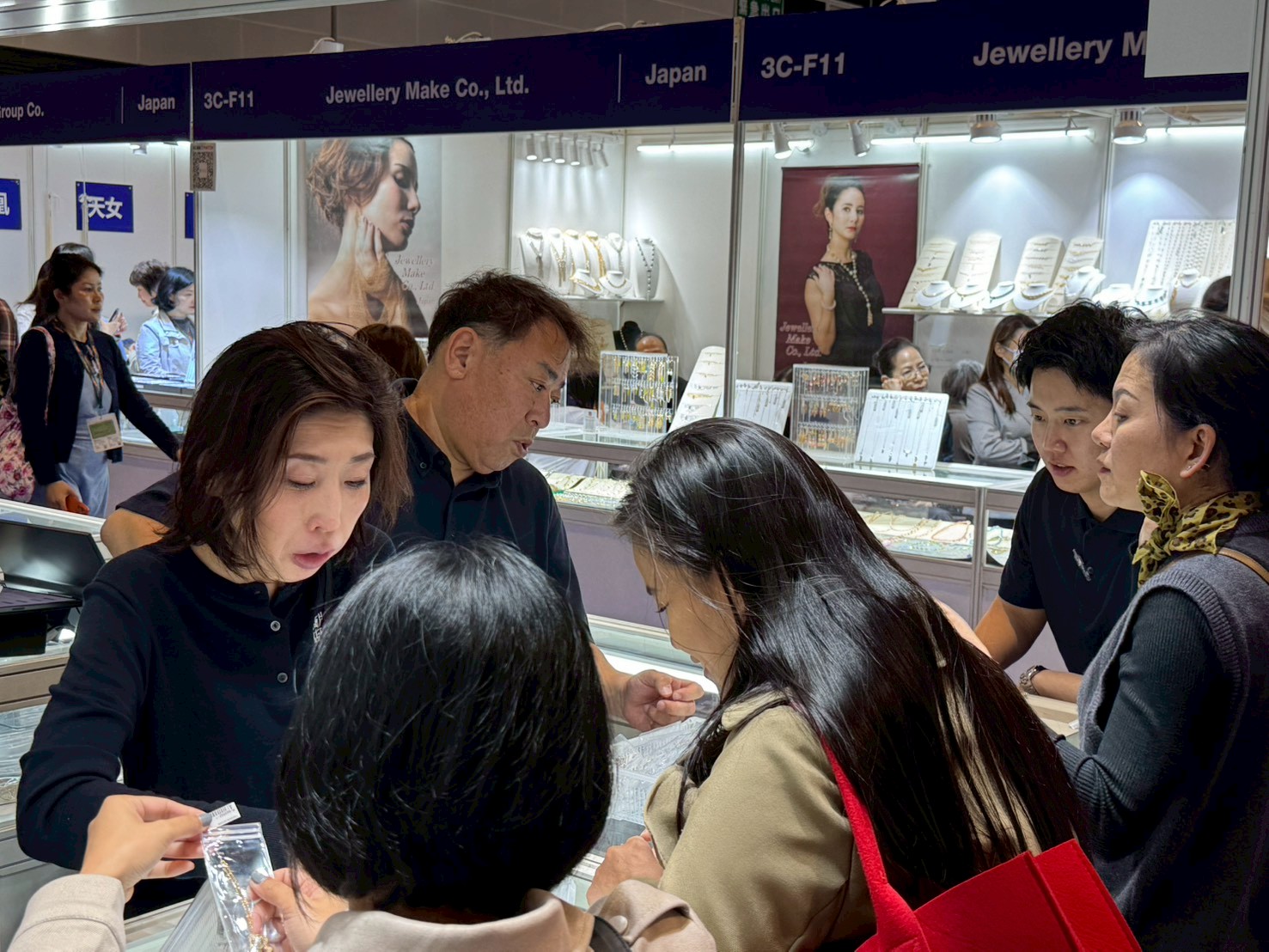
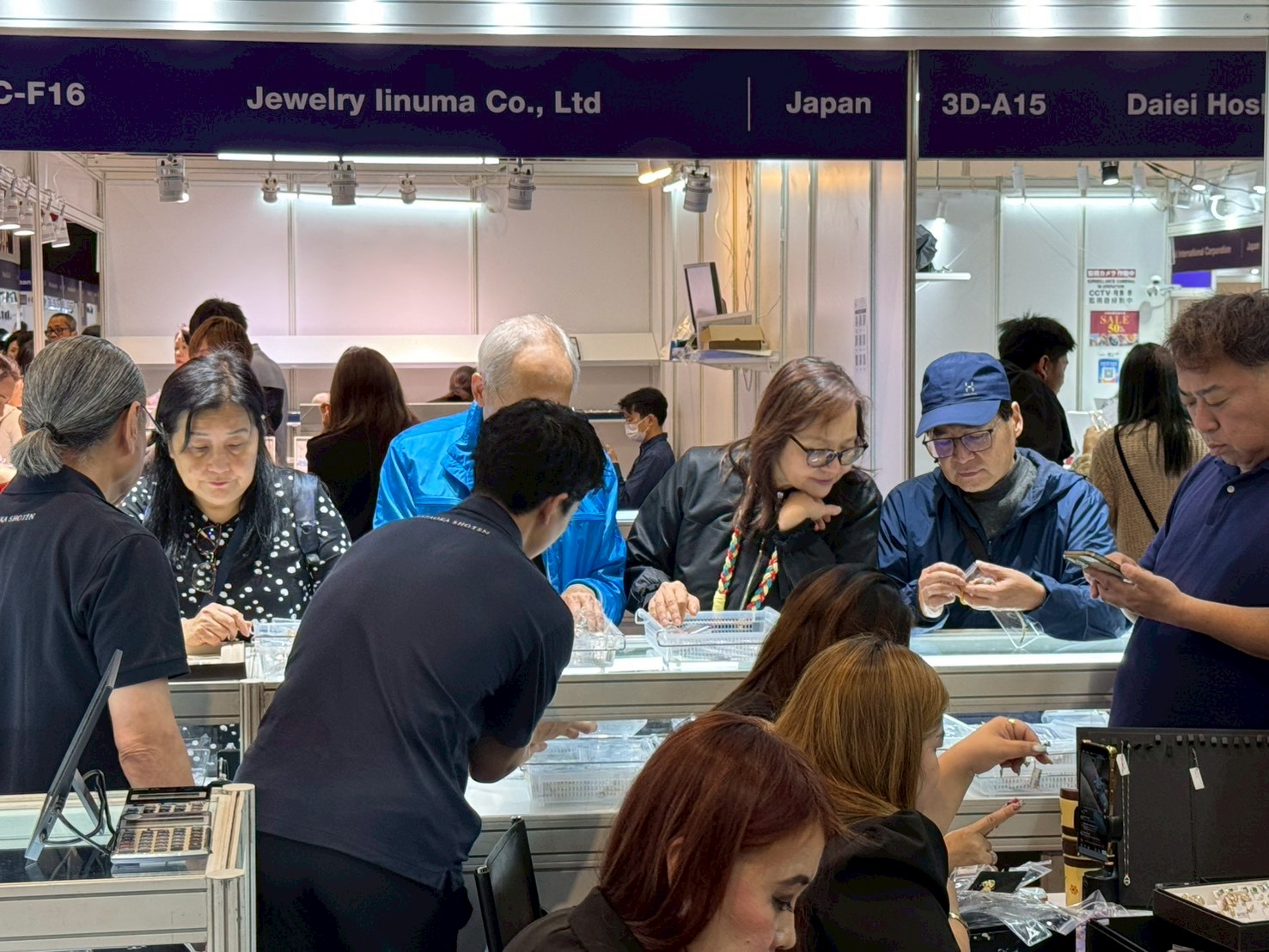
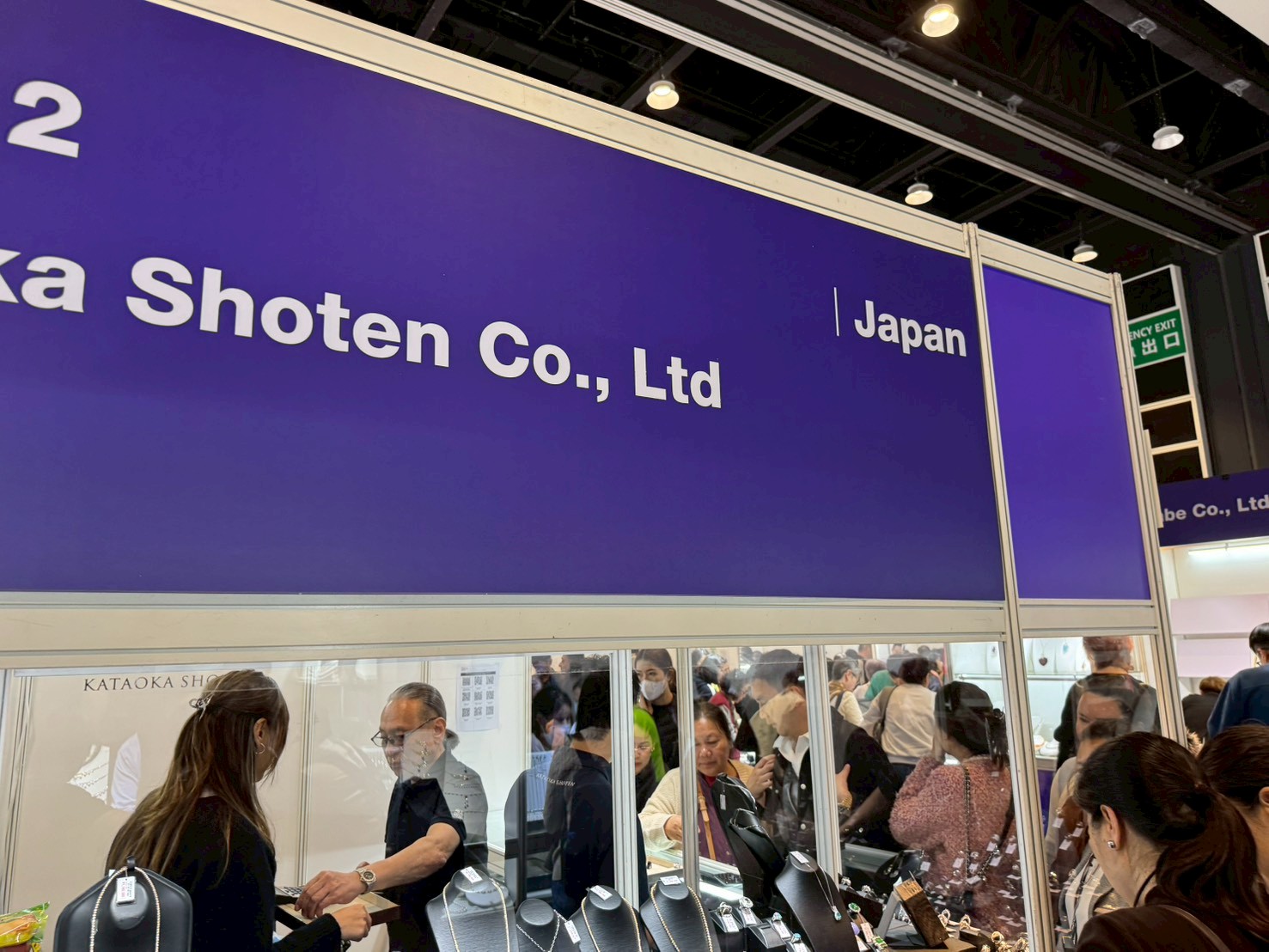
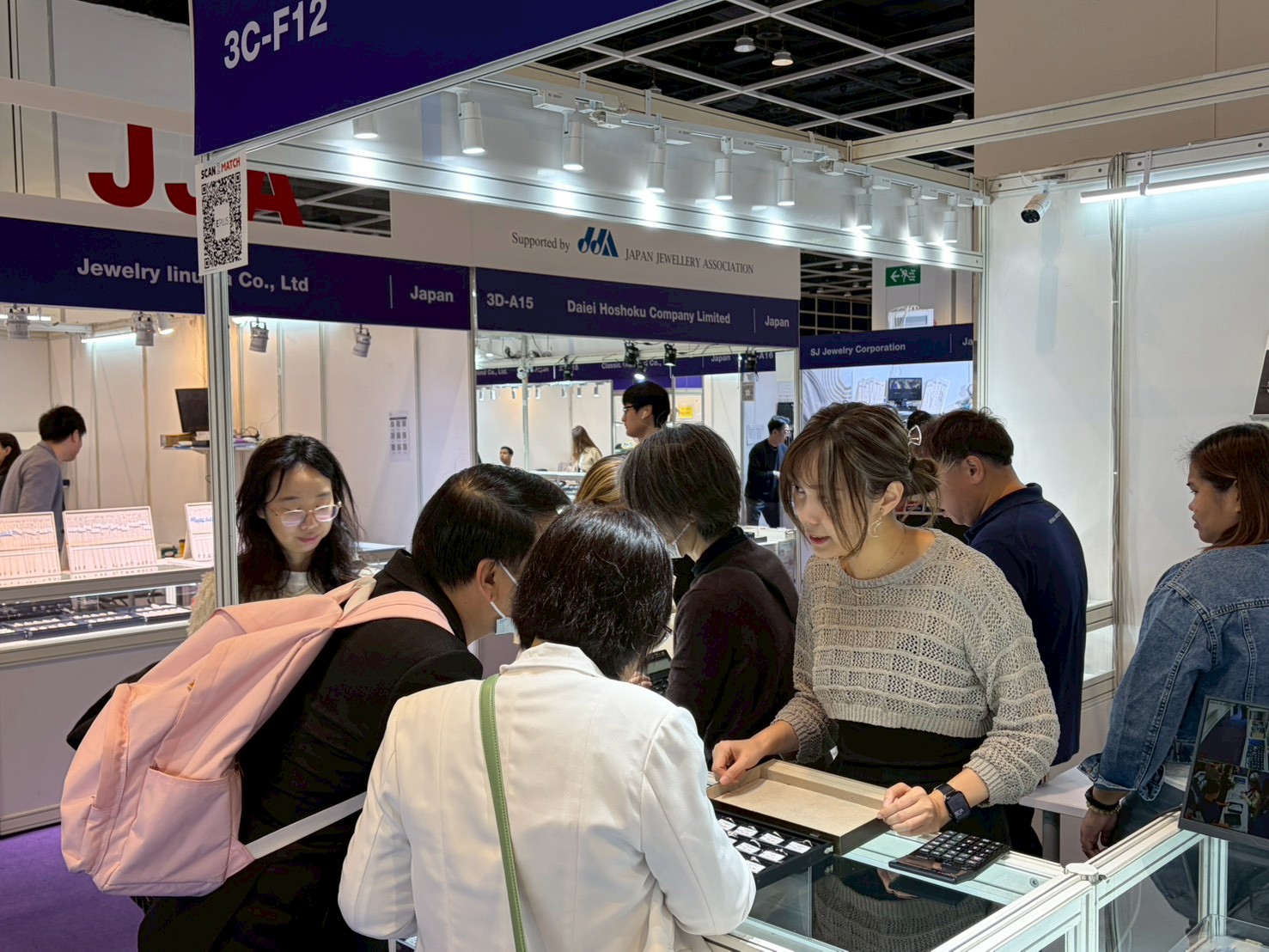
The jewelry show in Hong Kong was held under these challenging market conditions. Although expectations were low due to weakening jewelry demand, the first day of the show appeared to attract more visitors than expected. In particular, the area where Japanese companies were concentrated was bustling with visitors each day. Despite the broader slowdown in jewelry demand, a notable amount of business activity appeared to be taking place at the booths of Japanese exhibitors.
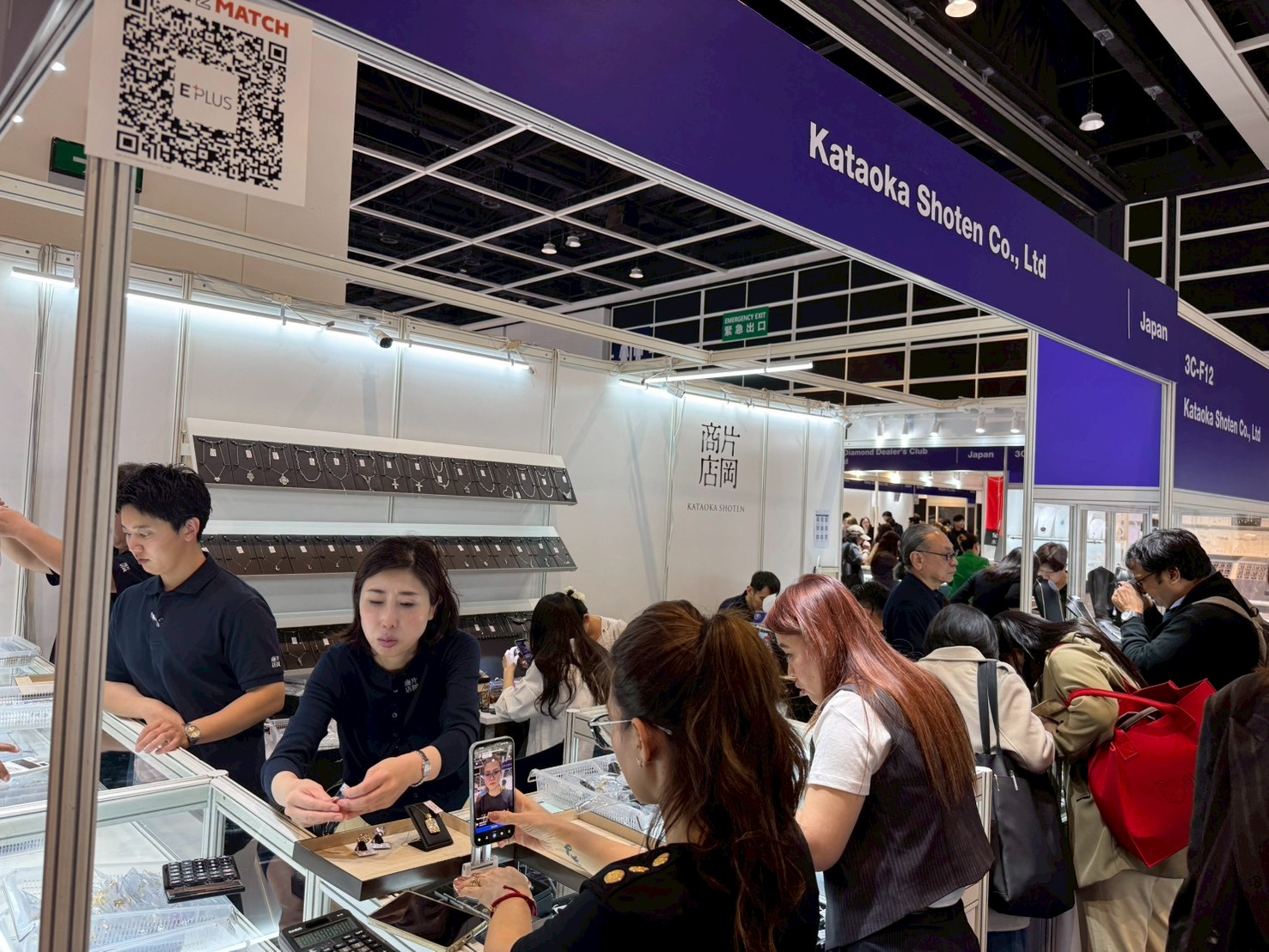
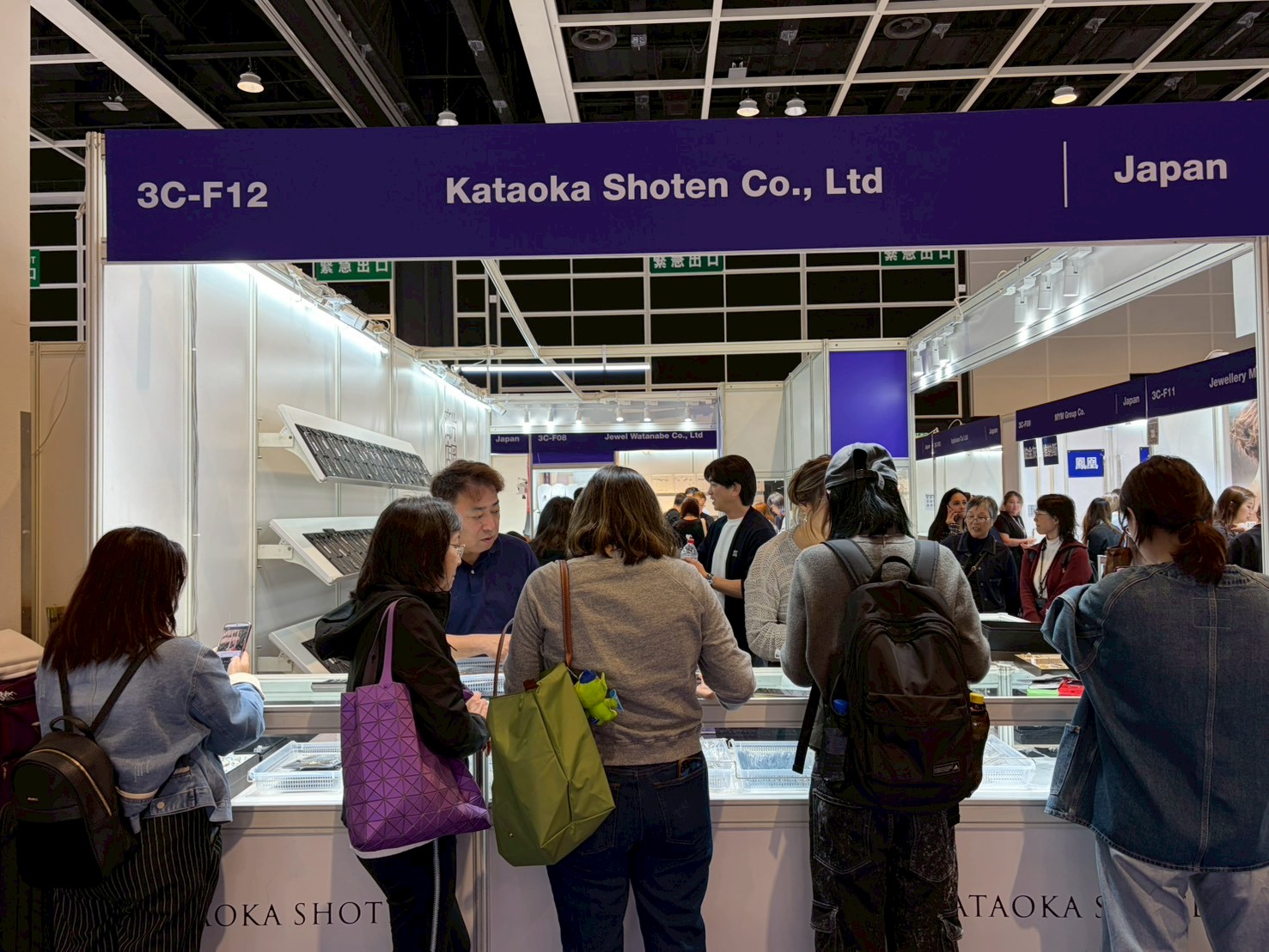
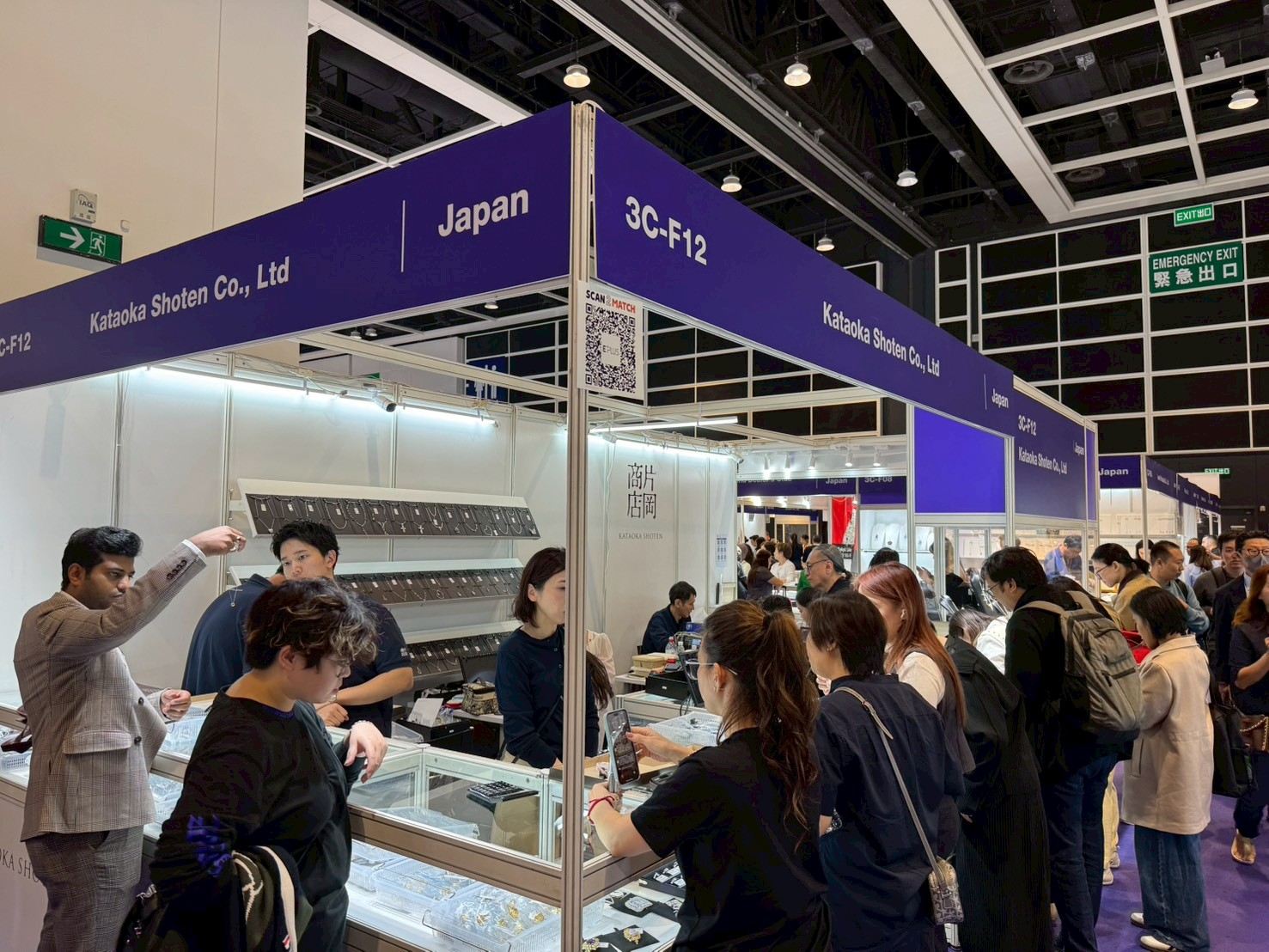
However, the trend differed from previous years, and the mix of visitors appeared to have changed. The number of Chinese buyers, who had previously been purchasing in large volumes, has declined, while the number of buyers from emerging markets such as Thailand and Myanmar appears to have increased. Japanese products were also highly popular among buyers from these new markets, supported in part by the current weak yen. Gold products in particular seemed to be perceived as especially affordable, and they appeared to attract strong interest. Colored gemstones have also surged in price overseas, and many buyers seemed to be looking for products from Japanese companies that were still being offered at previous price levels.
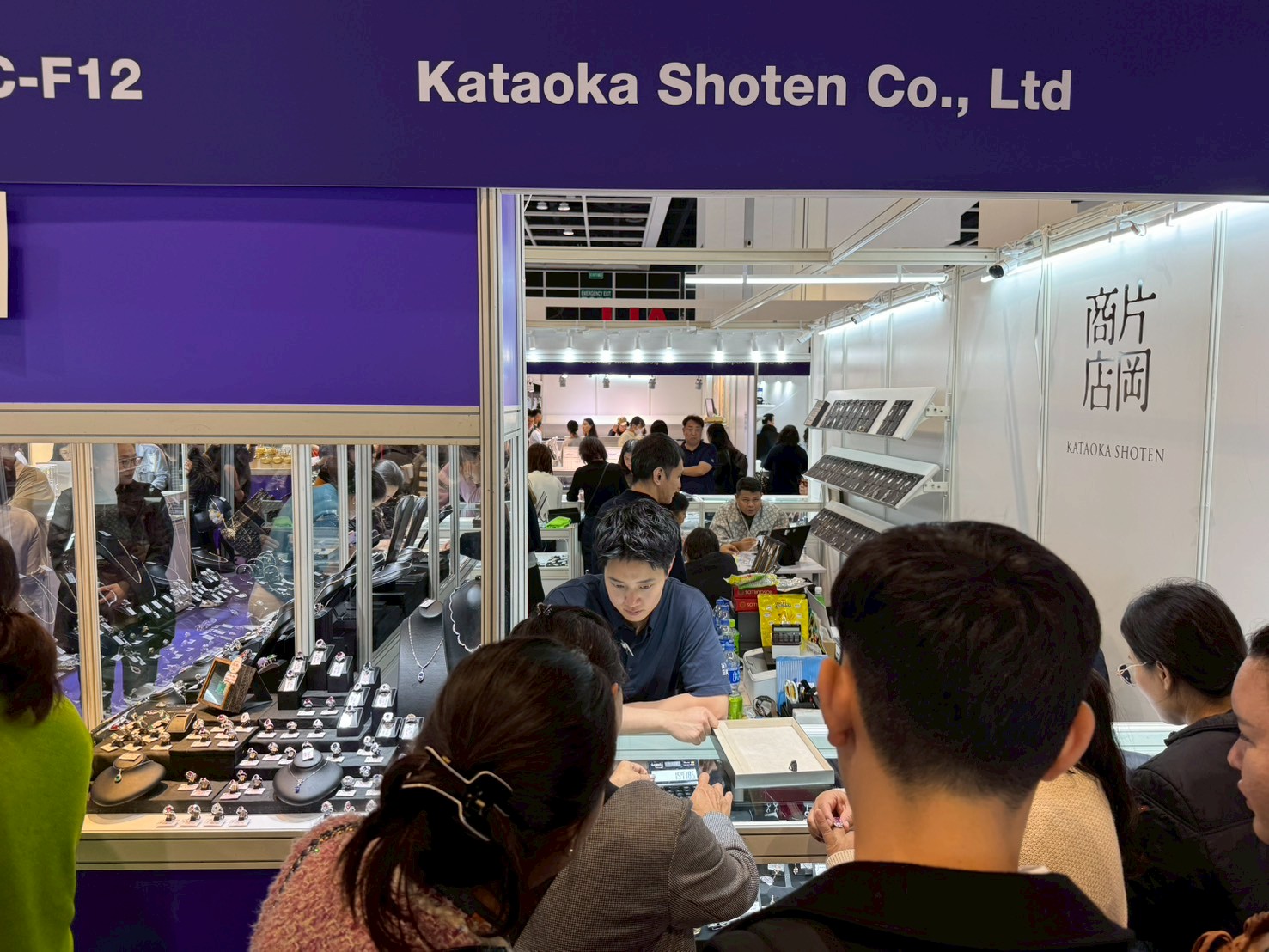
Times are changing, and this year’s jewelry show clearly reflected a shift in sales approaches, with dedicated booths set up for live‑commerce activities. The influence of live commerce has grown significantly, and it now appears to be affecting sales at physical retail stores as well. This time, many long‑standing buyers told us that sales at their physical stores have been declining due to the rise of live commerce. It seems that this trend will continue to reshape sales formats in the future as well.
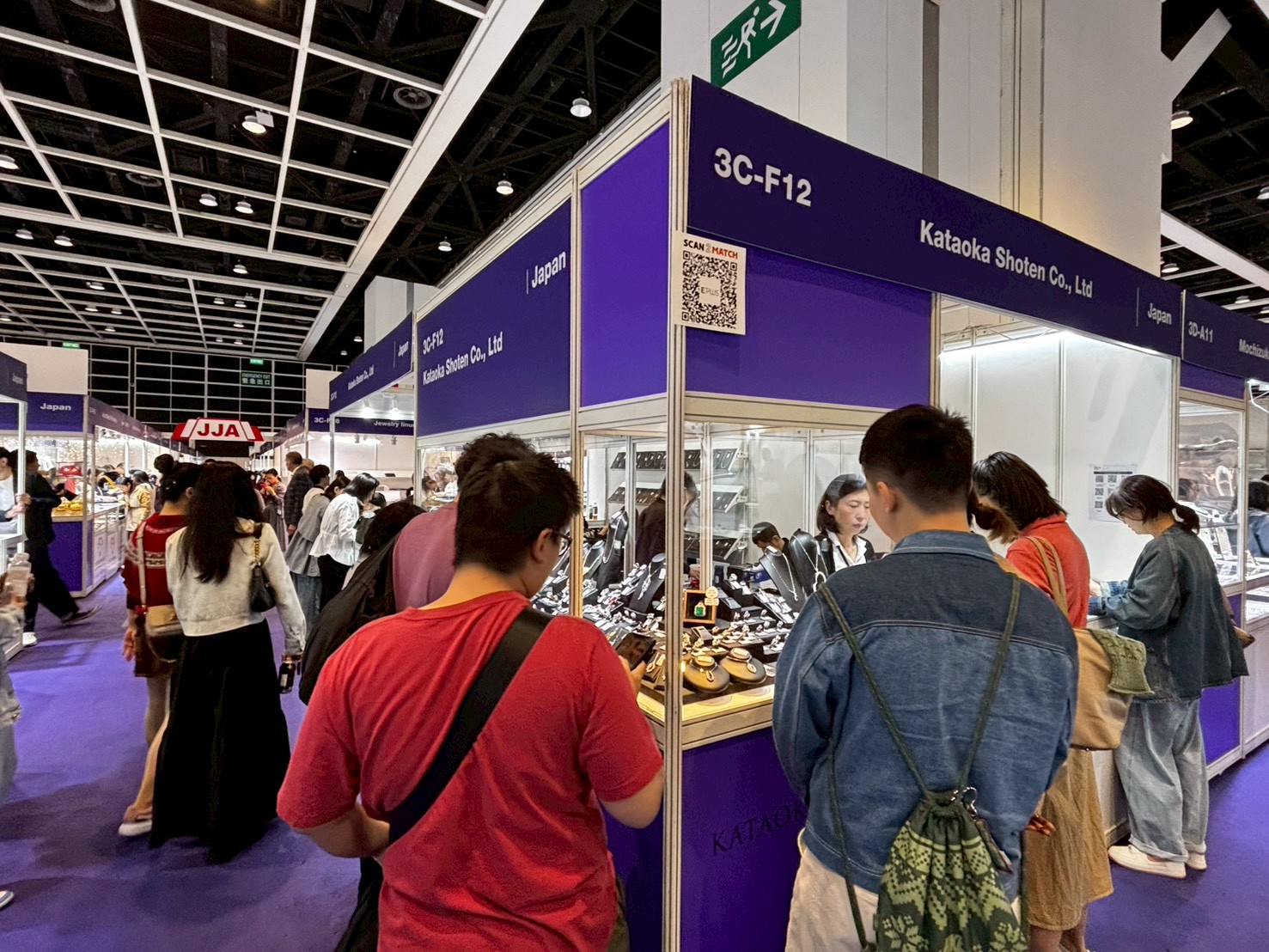
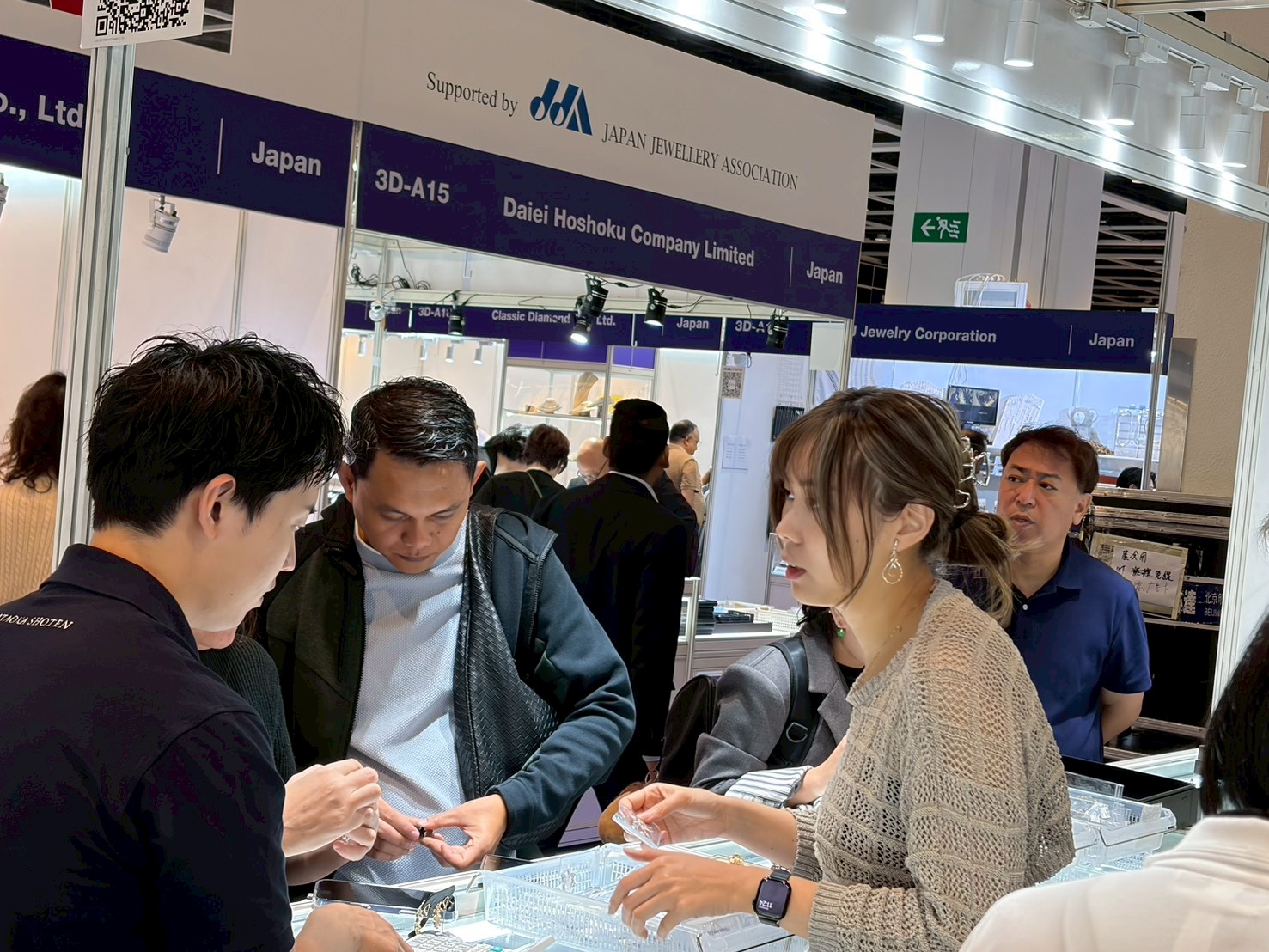
With the emergence of lab‑grown diamonds, the market prices and sales dynamics for loose natural diamonds have changed significantly. As lab‑grown diamonds continue to enter the finished‑jewelry segment, it seems likely that this part of the market will also undergo significant change. From now on, it seems that both our industry and jewelry shows will continue to undergo major transformations. We hope to use the insights gained from this exhibition to guide our response to future trends and to better meet everyone’s expectations.
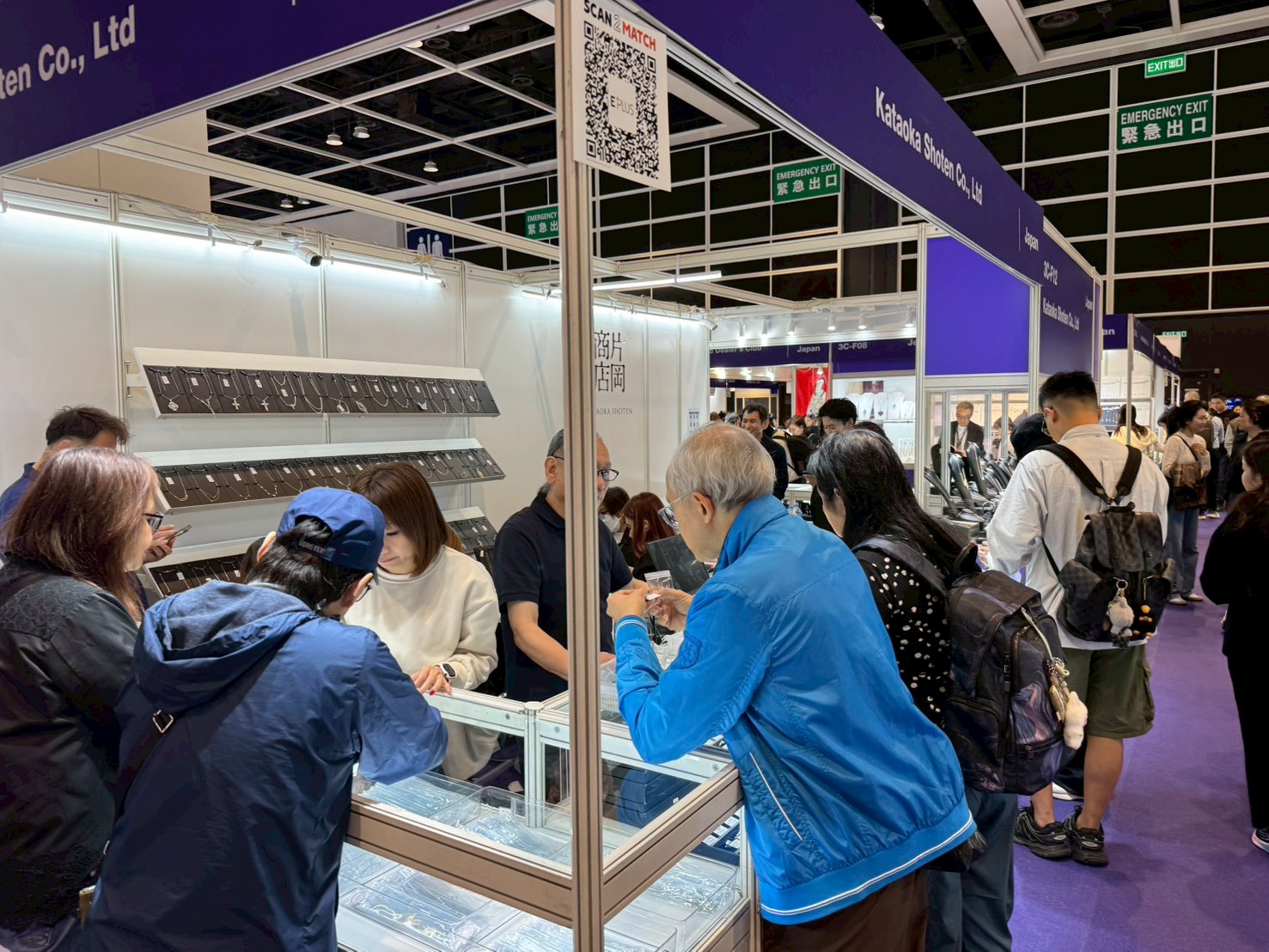
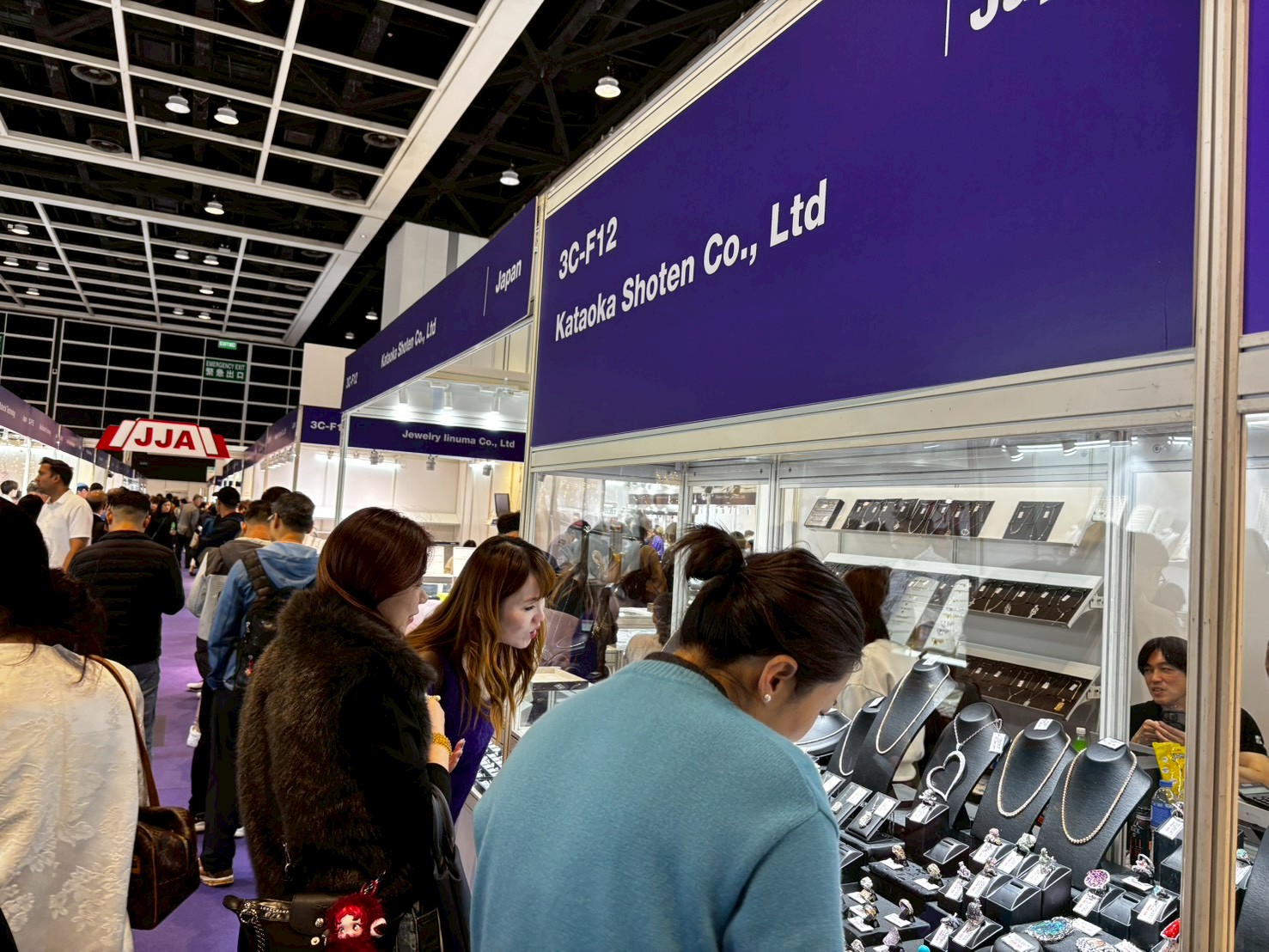
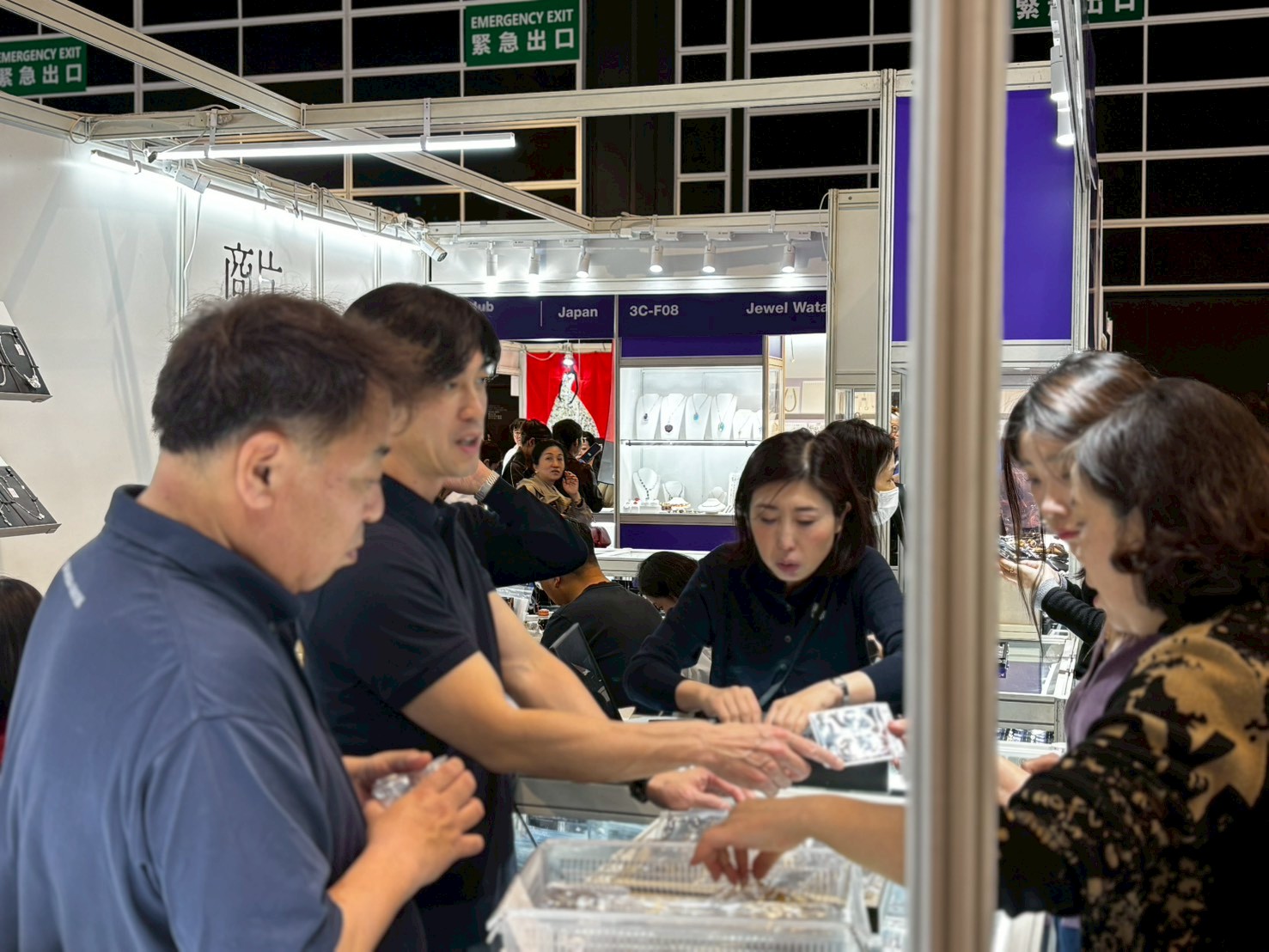
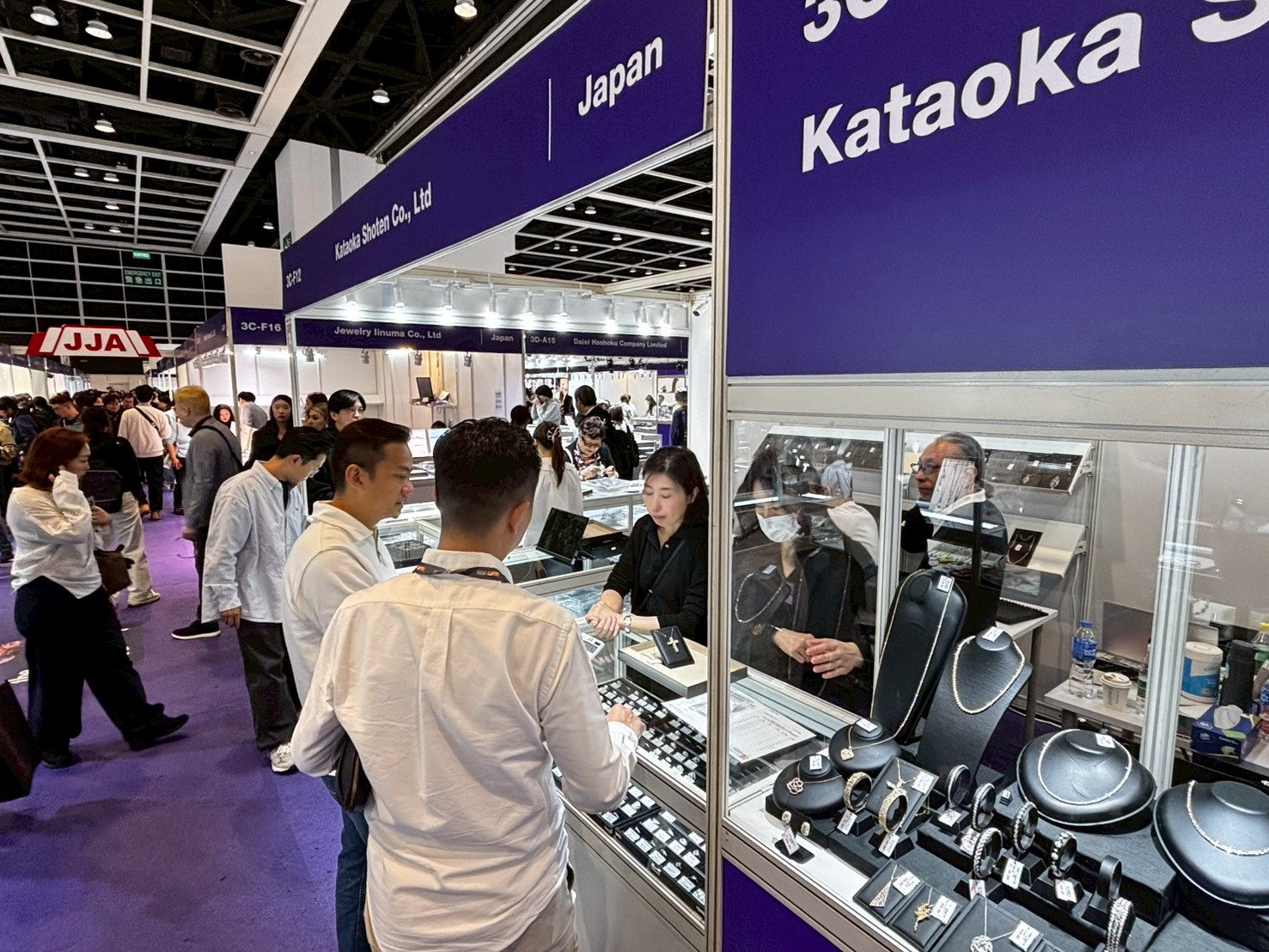
At this year’s jewelry show, we had the pleasure of meeting many new visitors. We would like to express our sincere gratitude to everyone who stopped by our booth. Thank you very much. We look forward to seeing you again at the next jewelry show.